
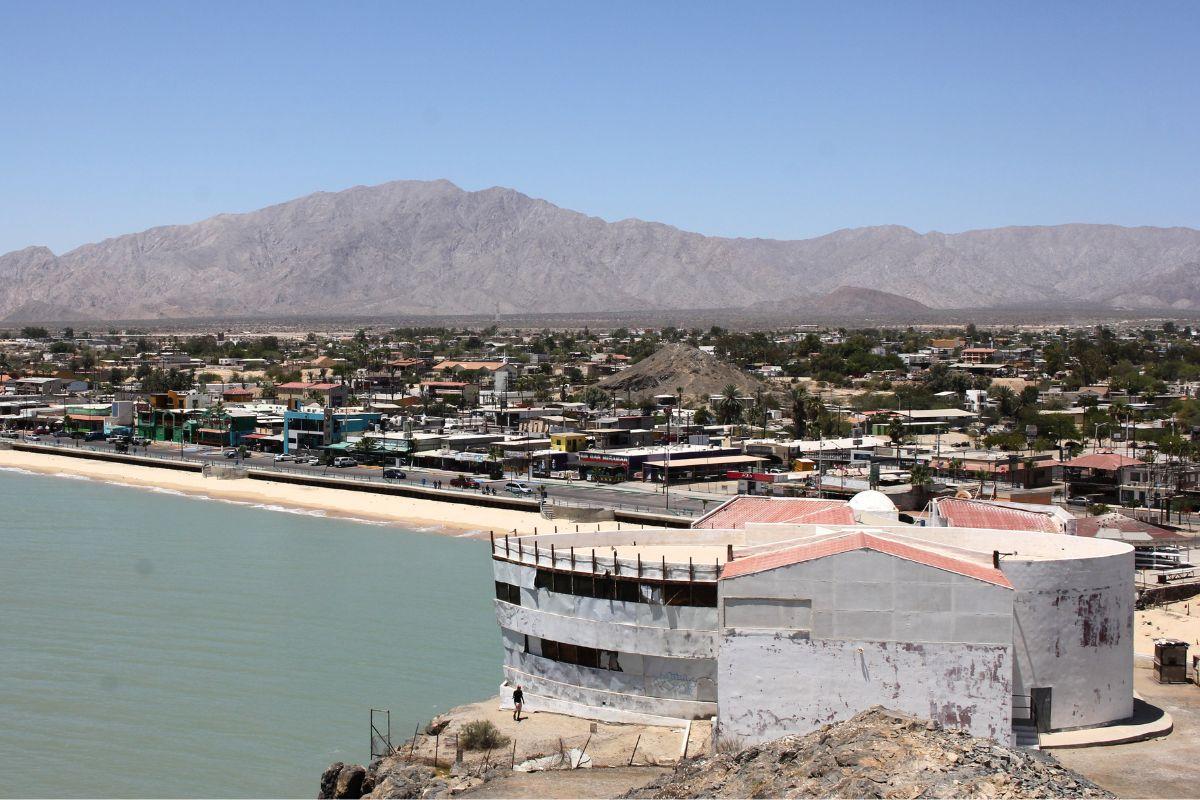
El Alto Golfo de California es al mismo tiempo una zona de gran importancia pesquera para las comunidades costeras de Baja California y Sonora, y hábitat de la vaquita marina, un mamífero marino endémico de la región y en peligro crítico de extinción.
Para proteger a la vaquita marina, la Secretaría de Medio Ambiente y Recursos Naturales (Semarnat) creó un área de refugio donde se restringe la pesca con redes agalleras o de enmalle, identificadas como la principal amenaza para la especie. Sin embargo, para la comunidad que históricamente ha utilizado estas artes de pesca, las restricciones han sido percibidas como una imposición, lo que ha generado tensiones entre pescadores y autoridades ambientales y pesqueras.
“No están escuchando al pescador y estamos quedando en el olvido. Ya tenemos 8 meses que llevamos nuestras peticiones a Claudia Sheinbaum, presidenta de México, y le pedimos que viniera al puerto de San Felipe a ver la problemática pero nunca ha venido”, señaló Ana García, representante de Pescadores Unidos de San Felipe.
Por años, una de las principales demandas del sector pesquero ha sido recuperar el acceso a zonas donde actualmente está prohibido el uso de redes. En febrero de 2026, el Grupo Intergubernamental de Sustentabilidad (GIS) del Alto Golfo de California anunció que se modificaría el polígono de protección de la vaquita marina con el objetivo de mejorar la vigilancia y equilibrar las áreas destinadas a la actividad pesquera.
"El nuevo acuerdo permitirá avanzar en los esfuerzos de conservación de la vaquita marina, a la vez que se atiende una deuda de justicia social con las comunidades del Alto Golfo de California", señaló la Semarnat en un comunicado.
Aunque hasta ahora no existe una propuesta pública oficial, organizaciones de la sociedad civil consideran que cualquier modificación debe darse mediante un proceso participativo para evitar agravar los conflictos territoriales entre los sectores pesquero y gubernamental.
Una propuesta no oficial y sin consenso
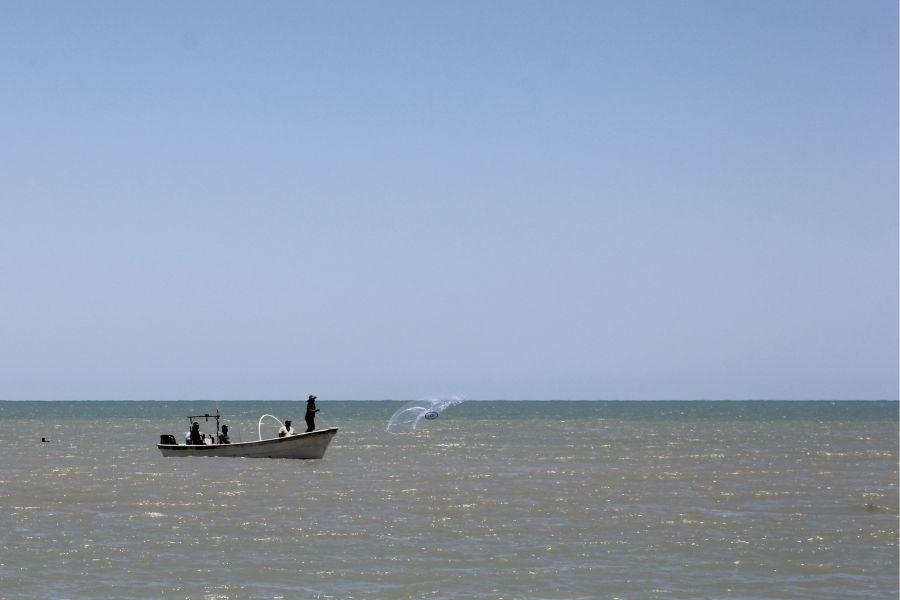 Pescadores ribereños en San Felipe, Baja California. Fuente: Daniela Reyes.
Actualmente existen dos polígonos para proteger a la vaquita marina en el Alto Golfo de California. El primero es la Zona de Refugio, donde no se permite el uso de redes de enmalle, aunque sí otras artes de pesca. Dentro de ella se encuentra la Zona de Tolerancia Cero, donde se ha registrado la mayor concentración de vaquitas marinas y donde se prohíbe cualquier actividad pesquera y el tránsito de embarcaciones, salvo para labores de investigación.
“Ahorita lo que se ha tratado de negociar con todos es la reducción del polígono. Se va a permitir usar redes agalleras en una zona más extensa, pero a cambio le están pidiendo que ahora sí respeten la zona de tolerancia cero”, señaló Alejandro Olivera, representante en México del Centro para la Diversidad Biológica.
Para organizaciones ambientalistas, el principal problema es que no existe un documento oficial que permita conocer con precisión cuál será el nuevo polígono ni cuáles serán los criterios utilizados para modificarlo.
Olivera señaló que la información disponible hasta ahora proviene de mapas mostrados durante reuniones con algunos sectores de la comunidad, pero no de una propuesta pública sometida a revisión.
"Le enseñaron un mapa a algunos pescadores y ya con eso dijeron que tenían el acuerdo de los pescadores pero no fueron todos los pescadores, hay pescadores que no están siendo involucrados y no existe un documento público que pueda revisarse a detalle ni sobre el cual hacer comentarios", afirmó.
Por ejemplo, en esta reunión donde fue presentado el nuevo polígono, el comunicado solo menciona que estuvieron presentes representantes de las Federaciones de Cooperativas Pesqueras del Alto Golfo de California, dejando fuera a los pescadores que no son parte de estas.
“Siempre ha habido una insensibilidad por parte del gobierno hacia el sector pesquero porque muchas veces gestiona el GIS sin los representantes pesqueros. Por no cuidar detalles así, la gente se molesta y agarra fuerza el descontento de los pescadores. Ahorita hay un empoderamiento muy fuerte de pescadores que quedaron fuera de los acuerdos que el gobierno pactó con las federaciones”, señaló Olivera.
Además, cuestionó que el proceso no contemple mecanismos formales de participación ciudadana y que una presentación de un mapa sea considerado un proceso de consulta pública.
"No va a haber un proceso de consulta pública; las van a decretar (las nuevas regulaciones) directo en el Diario Oficial de la Federación. Supuestamente iba a quedar ya desde unos meses, no sabemos qué está deteniendo su publicación", sostuvo.
Para el activista, la discusión no debe limitarse al sector pesquero, sino incluir a otros actores sociales y ambientales debido a las implicaciones que tendría para la conservación de la especie y para el manejo del territorio.
Debido a estas situaciones, desde hace un año surgió Pescadores Unidos de San Felipe para visibilizar los intereses de los pescadores que no se sienten representados por las federaciones de cooperativas pesqueras.
“Nos sentimos desplazados por la conservación, nos tienen ahorita ya a lo máximo de la decadencia, estamos sobreviviendo nada más. Antes era una satisfacción salir a pescar y ahora es un miedo. No sabemos hacer otra cosa más que pescar. Somos hombres y mujeres de mar y queremos conservar esa tradición”, señaló García.
Además de no ser incluidos, García señaló que llevan dos años padeciendo el acoso por parte de las Secretaría de Marina (Semar), quienes no los dejan trabajar aun cumpliendo con las normas.
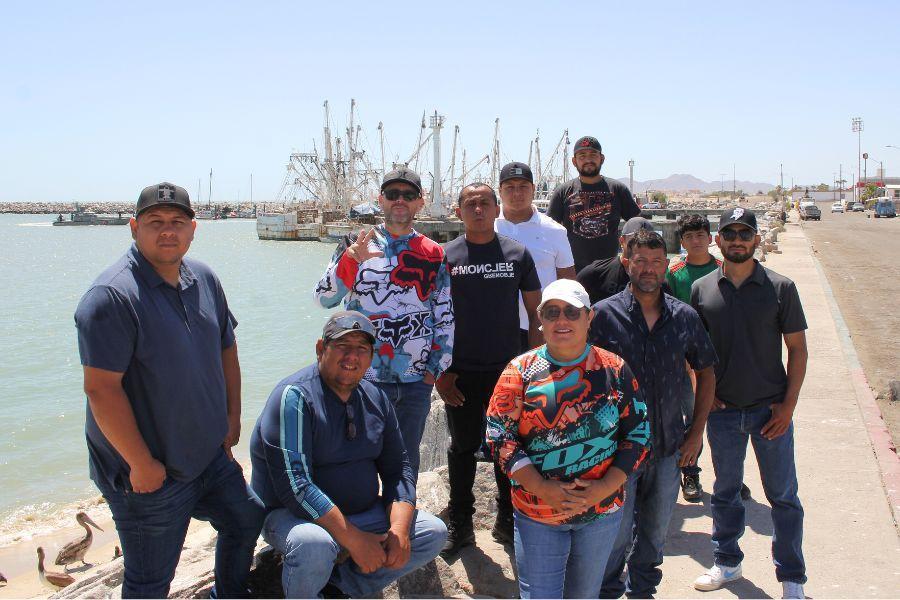 Ana García junto a integrantes de Pescadores Unidos de San Felipe. Fuente: Daniela Reyes.
Una especie en extinción con nueva distribución
La discusión del nuevo polígono ocurre mientras la vaquita marina continúa siendo el mamífero marino más amenazado del planeta. En 2025, los cruceros de observación estimaron una población mínima de entre siete y diez individuos.
Pese a ello, investigadores y organizaciones dedicadas a su protección afirman que existen señales alentadoras.
"Las noticias positivas son que las hemos visto. Hemos visto vaquitas con crías tres años seguidos. Entonces, eso es motivo de esperanza. Pero no debemos bajar la guardia", dijo Julián Escutia, director ejecutivo de Sea Shepherd Conservation Society.
Escutia señaló que la principal amenaza para la especie continúa siendo la captura incidental en redes de enmalle que actualmente están prohibidas en el área donde vive la vaquita.
Por su parte, Lorenzo Rojas-Bracho, quien dirige el grupo de mamíferos marinos de la Comisión Nacional de Áreas Naturales Protegidas (Conanp), enfatizó que la recuperación de la población depende de eliminar completamente este riesgo.
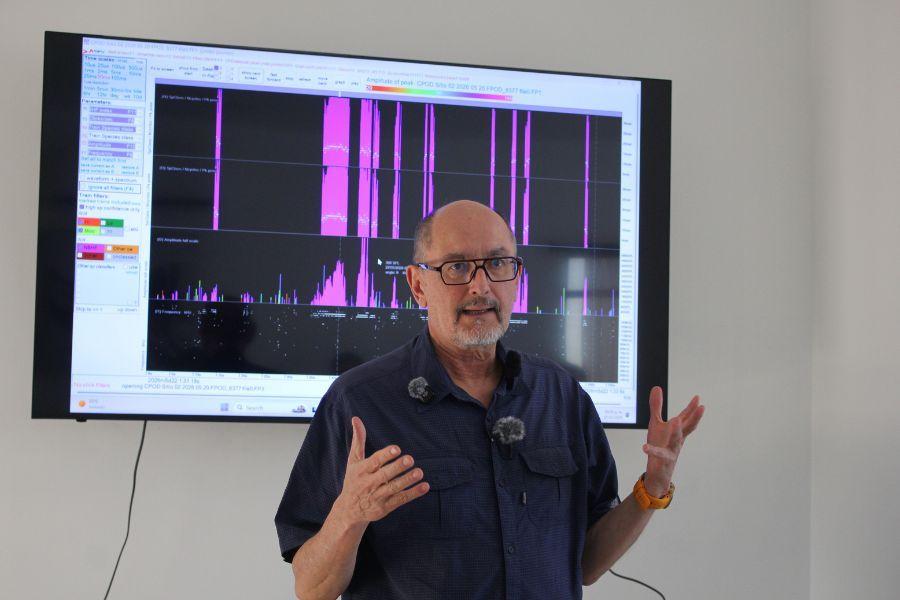 Lorenzo Rojas-Bracho, dirigente del grupo de mamíferos marinos de la Conanp presentando resultados del monitoreo acústico. Fuente: Daniela Reyes.
Sin embargo, Olivera señala que nunca se han cumplido las restricciones a las redes de pesca en la Zona de Refugio ni en la Zona de Tolerancia Cero por la incapacidad de las autoridades, principalmente de la Comisión Nacional de Acuacultura y Pesca (Conapesca).
De acuerdo con la propuesta mostrada por el GIS del nuevo polígono del Alto Golfo de California, se considera reducir en un 85% la superficie actualmente restringida al uso de redes de enmalle y la Zona de Tolerancia Cero se mantiene igual.
Esto preocupa a los especialistas ya que los datos obtenidos mediante hidrófonos y observaciones visuales entre 2024 y 2025 detectaron presencia de vaquitas fuera de las áreas donde se había concentrado el monitoreo en años anteriores y un mayor registro de vaquitas fuera de la Zona de Tolerancia Cero.
“Las últimas vaquitas se están viendo fuera de la zona de tolerancia cero, entonces qué va a pasar ahí si siguen poniendo redes… va a ser un problema muy grande”, señaló Olivera.
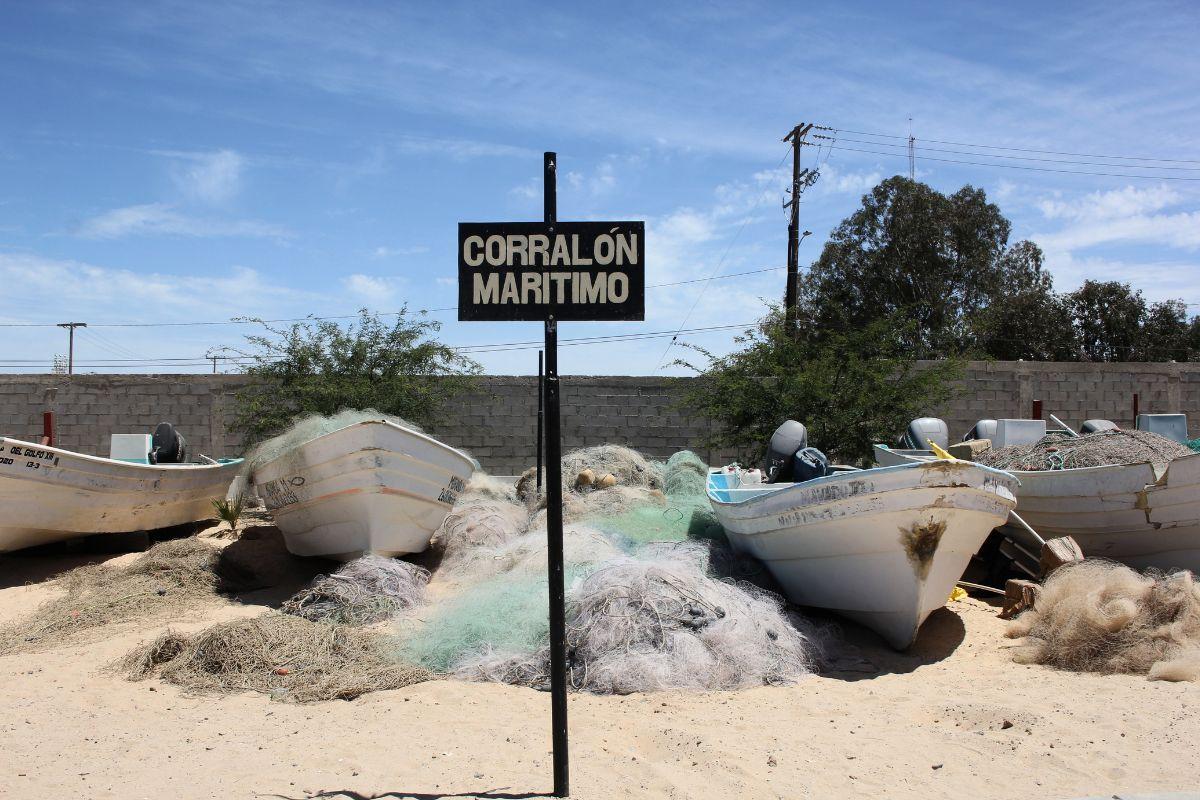 Embarcaciones y redes de pesca decomisadas por la Semar. Fuente: Daniela Reyes.
Conservación con participación comunitaria
La relación entre las comunidades pesqueras y los programas de conservación de la vaquita marina ha estado marcada durante años por conflictos derivados de las restricciones pesqueras. Sin embargo, existen algunos esfuerzos por parte de autoridades y organizaciones civiles que buscan impulsar una participación más activa de los habitantes de la región en la protección de la especie.
Por ejemplo, nueve jóvenes de San Felipe fueron formados durante la Campaña de Entrenamiento de Observadores de Vaquita Marina 2026 que se realizó del 19 al 29 de mayo, para convertirse en observadores especializados de vaquita marina mediante el uso de binoculares de largo alcance, drones, técnicas de identificación individual y muestreo de ADN ambiental.
"Estamos construyendo esta capacidad a nivel local para que el resto del año los jóvenes estén navegando, usando los binoculares, volando su dron y colectando muestras de ADN", explicó Domingo Zatarain, director de la Reserva de la Biosfera Alto Golfo de California y Delta del Río Colorado.
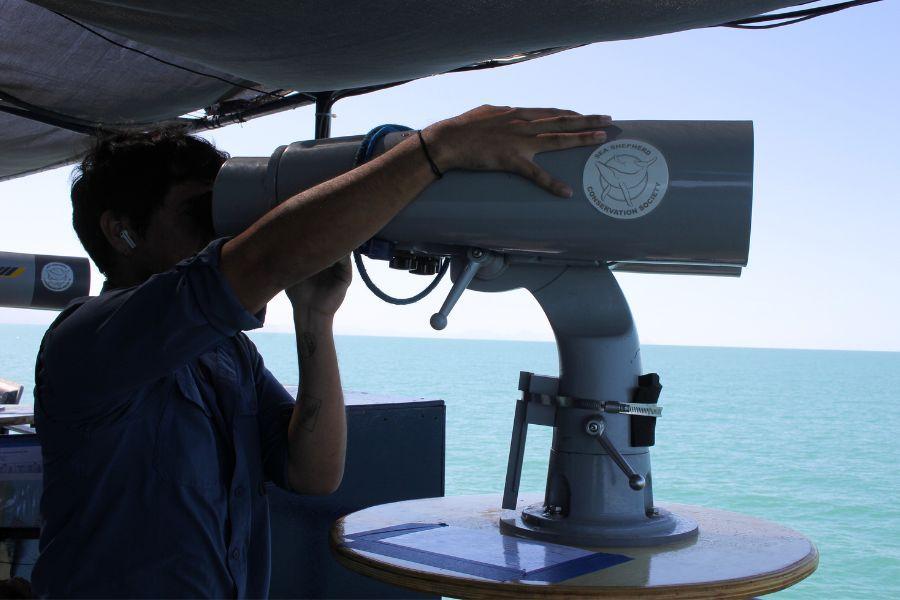 Búsqueda y observación de vaquita marina a bordo del Seahorse. Fuente: Daniela Reyes.
El programa es resultado de una colaboración entre la Conanp, la Semar y organizaciones como Sea Shepherd, Pronatura y el Centro Intercultural de Estudios de Desiertos y Océanos (CEDO).
Para Escutia, involucrar a habitantes de la región en los esfuerzos de monitoreo representa una forma de acercar la conservación a las comunidades que conviven diariamente con la especie.
"Qué mejor que la gente que es de aquí también esté involucrada en su protección; nosotros apoyamos y celebramos con todo rigor este esfuerzo", afirmó.
La organización, que mantiene embarcaciones y equipos de vigilancia en el Alto Golfo desde hace más de una década, considera que la participación comunitaria puede contribuir tanto a la generación de información científica como a fortalecer el vínculo entre la población local y la conservación de la vaquita marina.
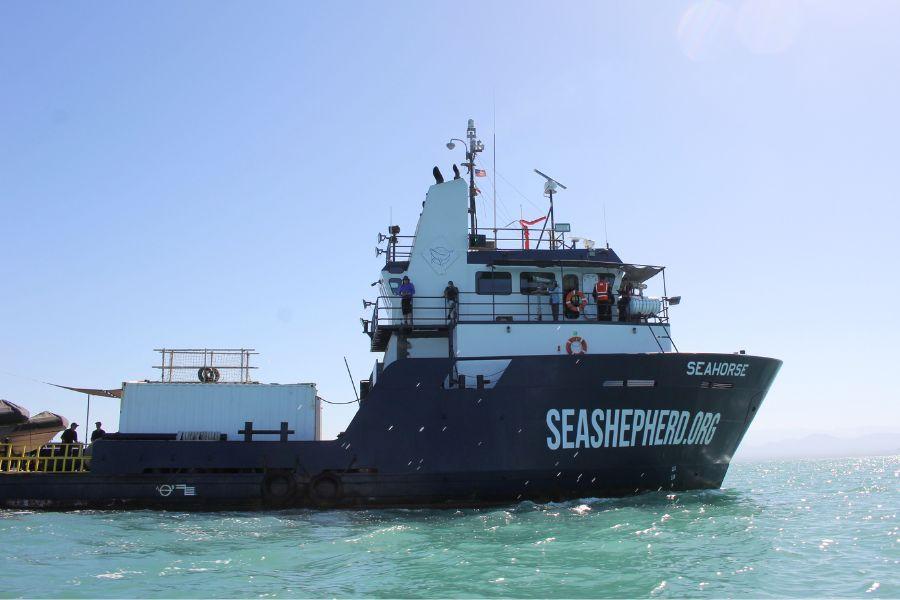 El barco Seahorse de Sea Shepherd en la Zona de Tolerancia Cero. Fuente: Daniela Reyes.
Por ahora, mientras el gobierno federal, liderado por Semarnat, prepara los cambios regulatorios anunciados en febrero, organizaciones civiles como el Centro para la Diversidad Biológica insisten en que la discusión sobre el futuro del hábitat de la vaquita marina debe realizarse de manera abierta y con acceso público a la información técnica que sustente cualquier modificación del polígono de protección.


Comentarios (0)