

Like many other coastal communities in Yucatán, Celestún's future seemed to be set some 20 years ago: the arrival of organized crime to exploit illegal sea cucumber fishing and satisfy the voracity of Asian markets was overwhelming.
And although the furor for fresh and easy money, combined with the difficulties of artisanal fishing to survive, seduced a large part of the population, a nucleus of social resistance managed to contain the march of illegal activities. Dozens of families organized to create a Fishing Refuge Zone in 2019 and, thus, preserve the sea and threatened species.
The task has not been easy, as Luisa Chuil, one of the promoters of community organizing in Celestún, says. The risks are growing and the complicity of authorities with traffickers and cucumber growers is always a factor. The creation of the refuge zone involves a voluntary effort to monitor the sea over an area of 324 kilometers, an area larger than the city of Barcelona.
Faced with the possibility of being victims of violence, they have turned to technology: they purchased drones to locate illegal fishermen and alert the Marina authorities. There has been progress, no doubt, but a cost has been paid: “Difficult, hard years, years of crying, of powerlessness, because we (only) want good”.
This is the story of Luisa and that of a hundred inhabitants like her.
The warning that was fulfilled
A little over a decade ago, Luisa Chuil, a resident of Celestún, Yucatán, became concerned about what was happening at sea: the depredation of sea cucumbers, the flow of money for trafficking in this endangered species, drug addictions and alcoholism. She remembered the words that her father Tomás said to her and her sisters when they were young: 'This, daughters, see it, contemplate it, because the time will come when here, in Celestún, the fishing will end. '
Luisa was skeptical, she had fish hills in front of her. The ending of fishing was an unimaginable scenario: How could it be possible that one day the fish would run out?
It happened at the end of the last decade, when sea cucumbers were destroyed off the coast of Celestún by mass fishing and, with it, other species were threatened.
Luisa and other residents of the port were distressed by the end of their livelihood and organized themselves to form a Fishing Refuge Zone to delimit a preservation area that would allow the recovery of sea cucumbers and other species threatened by illegal fishing.
It has been a long road, in which they have faced poachers, sometimes neighbors of the community. But their work has been an example for other coastal towns —Telchac Puerto, El Cerrito in Chuburná, San Felipe-Dzilam de Bravo, El Cuyo and Chabihau— to replicate these sanctuaries to protect the sea, despite fighting corruption and species trafficking networks in Mexico linked to the Asian market.
Since the first years when sea cucumber was extracted, biologists came to Celestún to give workshops to neighbors to explain that this species oxygenates the soil by sucking sand and organic waste from the seabed, digesting them and expelling clean sediments, a filter that maintains balance in the ecosystems it inhabits. The inhabitants began to understand “that everything had its function,” Luisa says.
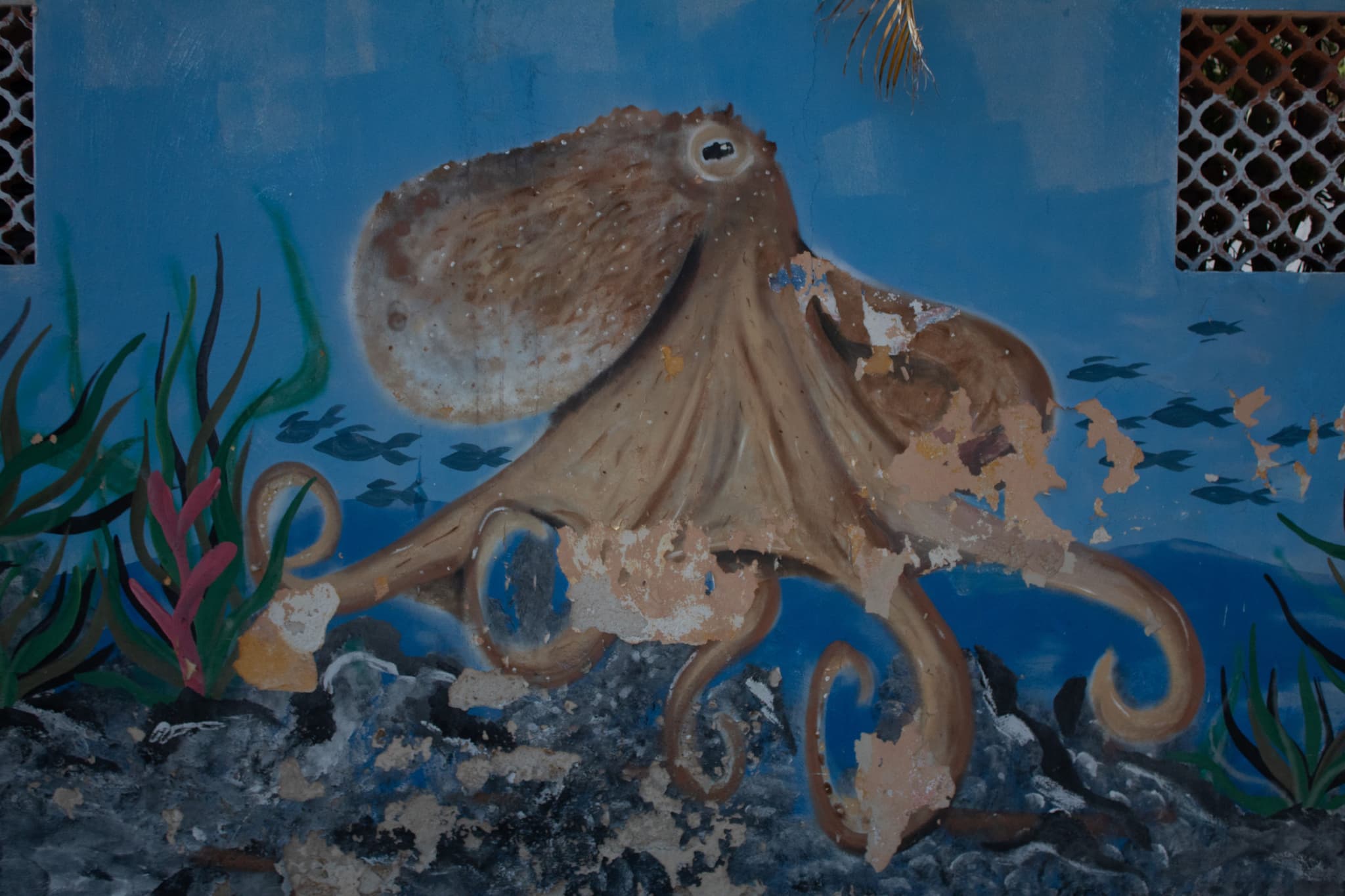
—When it hadn't been discovered what it is, they told us that we should not extract it because it was the food the octopus. People said 'no, octopus is a very good fishery to this day and when the ban opens it leaves us the same money'.
Alicia Poot (appointed in August 2026 as director of the Mexican Institute for Research in Sustainable Fisheries and Aquaculture, IMIPAS), who had been studying sea cucumber on the Yucatecan coast since the early 2010s, helped them to organize themselves with a view to protecting the marine ecosystem. Poot is pleasantly remembered by those who make up the Fishing Refuge Zone as the key person who succeeded in channeling the purposes of protecting the Celestunense Sea, since through it they were able to train themselves through workshops to learn the tools, techniques and strategies for the preservation of species such as sea cucumbers.
The scientist “helped us, advised us on the fishery, advised us to reproduce cucumbers,” says Luisa. Alicia Poot warned that people would not respect the prohibitions, so she recommended that they create a fishing shelter to protect the biomass of Celestuna from overexploitation and poaching. He helped with the development of the project and its viability. —He didn't charge us a single peso. She told us: 'I love Celestún. '
When it was time to create a Fishing Refuge Zone, as Poot had recommended to them, they went to the authorities. They answered that it was possible, but that they would have to convince the community. “How do you convince the community?” , their own neighbors were wondering, because the people of Celestún were getting rich by fishing for sea cucumbers.
Those who joined together to preserve fishing were called “vividors” because they thought that, as owners of fishing businesses, they would want to keep the fishing for themselves.
— Can I tell you something, Ángel? —Luisa told her husband, to calm him down in the face of the aggressions and insults they received from fishermen for organizing to defend the species—I believe in God. Your eyes have to see how these people are going to end up. Luisa says that time ended up proving her right.
One day, her husband told her that “so-and-so”, who had 10 boats and a van of the year, had been left homeless, touring the warehouses in search of a boat to go fishing. “A son, who despite the fact that he was doing illegal fishing, his ambition overcame him, blinded him and he dedicated himself to selling drugs; they shot him, thank God they didn't kill him, but he lost his leg.”
“Since they saw that there was money, I imagine they thought they were going to have more money. Not even with all his money could he recover what his son lost,” he concludes. The stone arrived in Celestún and “sold like hot cakes”.
Along with these social changes in the port, the illegal extraction of sea cucumbers out of season increased, what some call 'narcopepinear', which continues with fully identified people and who, when they were exhausted in Celestún, migrated to Dzilam de Bravo and Isla Arena, Campeche.
—The ban was never respected — says José Ricardo Novelo Chac. Fishermen became traders, the law had many loopholes and they took advantage of those deficiencies to extract sea cucumbers until they finished it in the late 2010s. “These people are going to leave about the other species, about the grouper, about the octopus,” he thought.
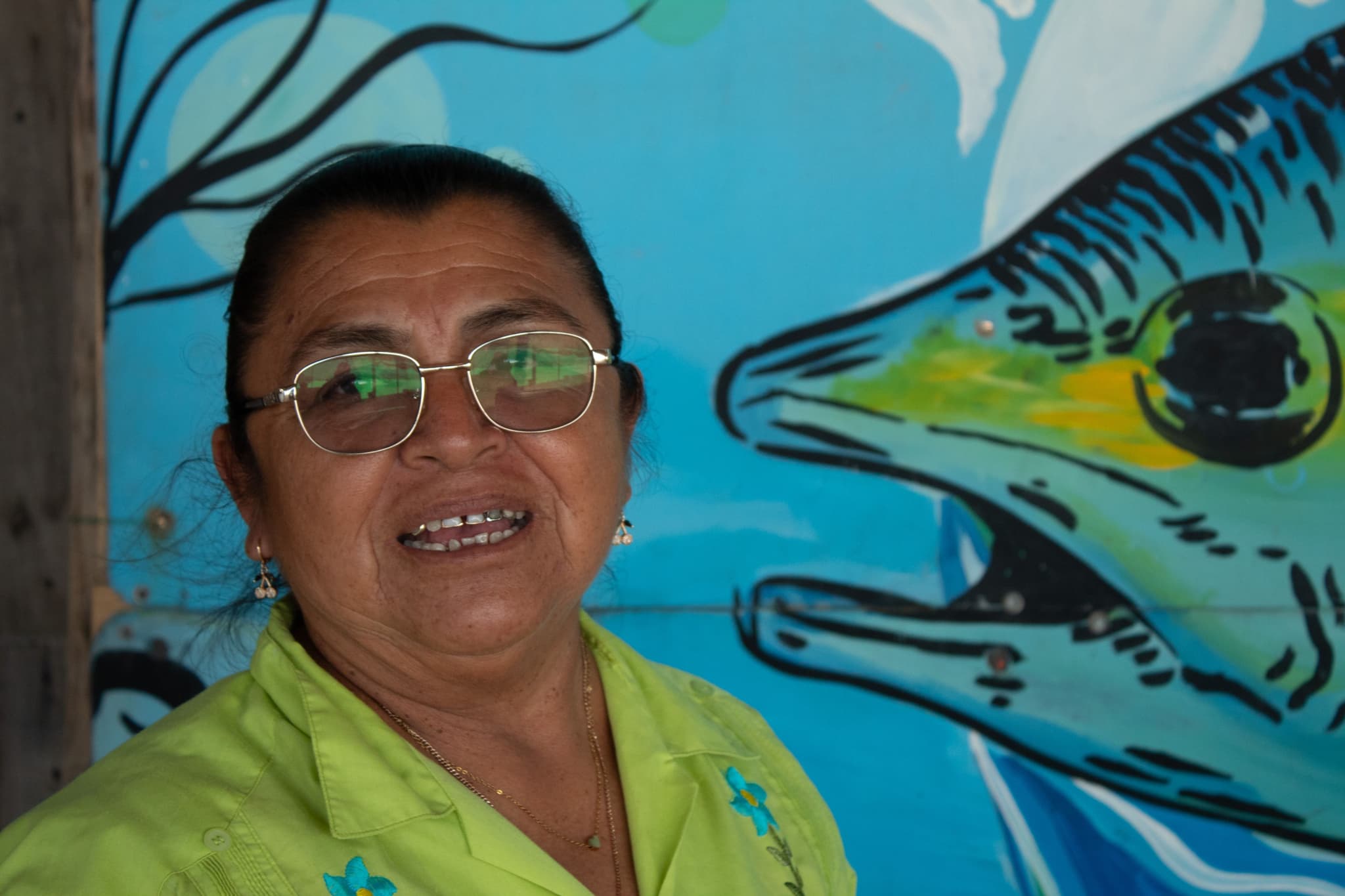
During the ban on the subway - February and March - there were protests with banners against the ZRP, and there were people who collected signatures to say that they did not agree with the creation of the zone.
—These were difficult, hard years, of crying, of powerlessness, because we want good.
The Golden Age of Cuckoo
There was a time when those born to Celestún said that God passed through here. They said this because it was a port with a lot of natural riches: mangroves with an infinite number of species of birds, felines, crocodiles; white sand beaches and warm waters where they shed weches, tiny crustaceans that have disappeared from the Yucatecan coast, which were attached to hooks to fish for crocodiles and snores.
The seas, with plenty of fish, were sailed by parents and grandparents in sailing boats, and the fledgling ones with 25 horsepower, and exceptionally some of 40 horsepower.
—You came, you fished, you threw your twine and pulled a fish. It was a tremendous wealth. You got tired of pulling,” says José Ricardo Novelo Chac, president of the Fishing Refuge Zone and the Cayo Arena cooperative, in Celestún, Yucatán.
In the early 2000s, “fishing was further away, we were already going 25, 30 miles to fish for grouper,” says the fisherman. Years later, the fish were 35 or 40 nautical miles away and today they go as far away as 100 nautical miles to continue to survive, which means more gasoline, more working time and greater exposure to meteorological phenomena.
Celestún's bucolic life was transformed when, at the end of the 2000s, people from the Far East arrived to train their inhabitants in the capture and sanction of sea cucumbers.
In the northeastern port of Yucatán, they are identified as “Chinese”, because of their Asian origin. They taught the process of sanctioning sea cucumber and then placing it in brine, so that wineries could trade with that species.
To avoid its death after being extracted from the ocean floor, the sea cucumber, a species that melts when it dies, is preserved in refrigerators with seawater and ice until it returns to land. Once there, the echinoderms are boiled in seawater or fresh water with added salt, the process is known as sancocho; then, they are washed with salt water and dried in covered containers, which is known as brine. Temperatures change constantly during this process.
The people of Celestún went to the wineries where the “Chinese” taught the process, interpreted through, to preserve sea cucumbers so that they would have the necessary quality to be exported to Asia. They put their hand in the icy water to see if the temperature was right, so that the cucumber would not disintegrate; then they would touch it to check if it was well cooked or if it had sunk (fluffed); then they waited for all that steam to dry to put it in brine, and put their hand in salt, hurting the workers' joints.
In the past decade, dozens of fishermen arrived at the port of Celestún to dive into the ocean, explore the meadows and rocks on the seabed and collect sea cucumbers, almost immovable cylindrical lumps familiar with hedgehogs and starfish.
Like almost everyone in Celestún, Luisa Chuil and her husband, Ángel, were part of that growing economy. Despite growing up in the port, until then they were unaware of the existence of holoturoids.
—Suddenly, a man contacts my husband: 'Hey, Ángel, do you want to help me? We are buying cucumbers, but on the sly, because if Conapesca (National Fisheries Commission) comes, it can sanction us, it can even put us in jail, because it is a product that is not yet on the Marine Charter. You buy and win your good ticket' —explains Luisa.
It was 2009 or 2010. They bought sea cucumbers from the fishermen and sold it to the man, earning between 1,000 and 2,000 pesos a day. In the following years, permits for recreational fishing were issued by Conapesca, allowing species to be caught for scientific research, exploration, experimentation or the development of new technologies.
Later, commercial fishing permits arrived: the seasons were a month and a half, three days a week. The biologists, says Luisa, explained that this should be the case to take care of their reproduction and that would give them enough to live over the years.
—But people didn't understand, their ambition for money won them, they kept giving it when the cucumber ban closed. Some divers earned between $8,000 and $10,000 pesos a day for working about four or five hours submerged in five fathoms.
The seabed was occupied by dozens of cucumbers, so the catch was simple and at that time they collected enough to return to land, sell it and rest the rest of the day. The boats returned to land full, with up to half a ton of sea cucumber.
—Even the ugliest of us had a good, pretty wife here,” Luisa says.
She and her husband Ángel were able to expand their fishing business by acquiring five boats. They weren't the only ones. Fishing fleets multiplied in Celestún.
During the golden age of pepineada, hundreds of fishermen from other parts of the peninsula [such as Sabancuy and Champotón, in the neighboring state of Campeche] and the country [such as Tabasco and Veracruz] arrived at Yucatec ports.
The awakening of the community
The members of the Fishing Refuge Zone invited other participants in the marine economy in Celestún to be part of the project. “So they can see that we are going to support them,” Luisa recalls.
After long days of meetings, talks with state authorities and Conapesca, finally on October 2, 2019, the decree that established the 324 square kilometer Fishing Refuge Area in front of Celestún was published in the Official Gazette of the Federation with a validity of five years.
The purpose of the Zone is to respect species so that they reproduce and recover. Within it, they have established mariculture in which they place cages for breeding fish, through voluntary contributions from the members of the cooperative.
The ZRP involves a voluntary effort to monitor the sea to a larger extent than the cities of Barcelona, Paris or Buenos Aires (federal capital), to monitor changes in biomass, to communicate to its neighbors the importance of preserving the ecosystem and to manage alliances over the territory before governments, civil organizations and scientific bodies.
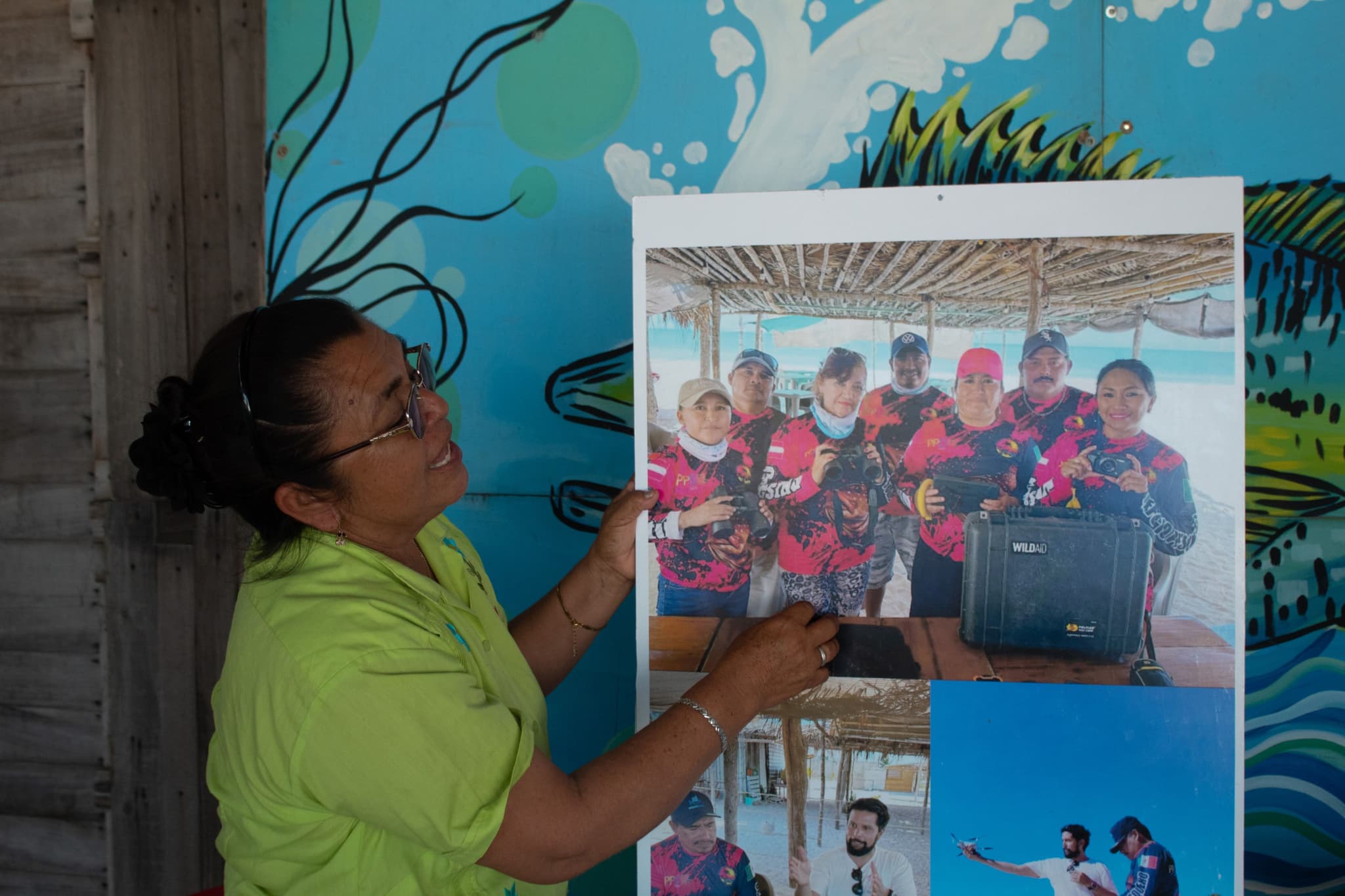
Almost one hundred people make up the Zone, organized in several committees. His actions range from managing a palapa restaurant, which is used to pay for supplies such as gasoline, to surveillance on the high seas, to environmental education, accounting and administration.
Dive fishing is prohibited within the perimeter; however, artisanal fishing in season is allowed.
The new generations, warns José Ricardo, inherited the bad fishing practices that prey on species, he warns, because young people did not learn to string or artisanal fishing, but only to dive.
—These are people from here, who are children of us fishermen. It's something we have to struggle with now. We are becoming aware that what we are doing is being done poorly. Cucumbers are no longer in quantity, they are recovering, but don't go for the octopus anymore, because the octopus has a different biology. You take out the pulp, when you take it out, the eggs remain and the predators enter.
For this reason, in addition to going to wineries, they also go to schools to educate younger generations, because they are aware that it is a long journey.
—It's not an overnight process. People are grasping it, but it's going slowly, more than right now there is a tremendous need because of climate change, the weather has changed. As there is a crisis in the fishing sector, this affects how slow it is.
The risks of poaching
In the 2010s, fishermen benefited from sea cucumber, a species that rests on the seabed, and invested in infrastructure and equipment for fishing during the catch season.
The species was exported for thousands of tons to the Asian market during those years, when Mexican authorities granted extraction permits during the seasons.
But José Ricardo noticed the social changes that were taking place in Celestún due to the economic boom that came with the sea cucumber.
—Before the sea cucumber started, I can tell you that in your boats you could leave your diving equipment, gasoline. Around the fourth season you couldn't do that anymore, because they were already stealing your things, there were companions who robbed them on the road, at sea and also here on land. You see that change that was coming.
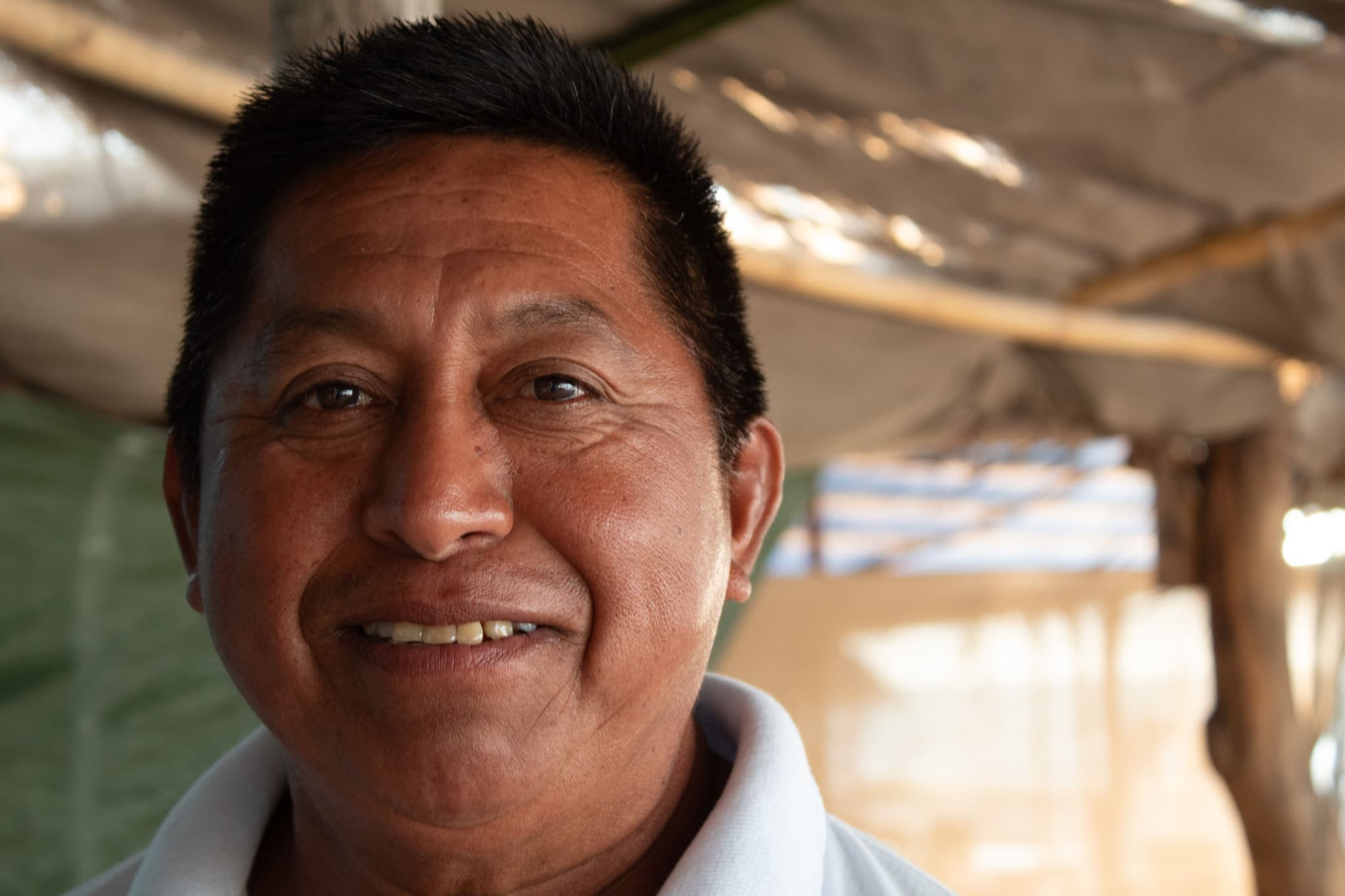
For the Yucatecan population, so attached to a quiet lifestyle, then away from the news of the 'War on Narco' and insecurity in Mexico, the arrival of hundreds of outsiders — as outsiders are contemptuously called — meant intervention in deep-rooted customs among local people.
If the fisherman earned about 100 pesos per kilo of fresh sea cucumber, cooperatives and winery owners were paid between 800 and 900 pesos per kilo in brine.
From the profits, inputs such as gasoline and ice were taken for the expenses of warehouse workers. In the wineries, more than 100 ice bars weighing between 100 and 150 kilograms were purchased a day, about 15 tons of ice a day to preserve the sea cucumber. But ice wasn't the only thing that reached Celestún. The arrival of people from other municipalities and states for the pepineada caused an increase in the consumption of alcohol and drugs.
As has happened throughout history in many other parts of the world, the emergence of an economy based on extractivism and risks attracted adventurous, ambitious and needy.
Sea cucumber became the gateway for other intertwined social problems, such as addictions and health risks caused by rustic diving equipment.
Luisa says that many divers were crippled after suffering decompression. He met a man who was engaged in illegal fishing and was left without mobility in his body after decompression—the rapid emergence that causes the formation of bubbles that can cause symptoms similar to cardiovascular events—who told him: “if God gave me the opportunity to live again, I would think twice to do what I already did.” That man died little by little, “he rotted away,” Luisa says.
“A diver died last week,” says José Ricardo Novelo. On April 3, 2026, a fisherman died from decompression after diving in Celestún. The president of the ZRP explains that fishermen are going further and further away, due to the predation of species such as octopus, which is closed between January 1 and July 31. Now they reach “the lows” a hundred miles where the depth reaches up to 50 fathoms.

Sea cucumber travels half the world through Mexican customs to reach from the Yucatecan coast to China and Hong Kong, despite being a species that has been permanently banned for more than five years. Its extraction, handling and commercialization is illegal and is regulated by Mexican laws. Even so, poaching persists in Yucatán, in places where the species has not been preyed upon until its disappearance.
In Celestún, however, it is no longer obtained. To get to the other side of the world, depart from Mérida to Mexico City or Guadalajara. In some cases, it crosses the northern border, into the United States. That country had imported $416,737 from Mexico between January and May 2026 worth of sea cucumber, about 35 tons of echinoderm, according to the National Marine Fisheries Service.
In Hong Kong restaurants such as Imperial Treasure Fine Chinese Cuisine (Tsim Sha Tsui) a sea cucumber dish can cost up to 93 dollars, around $1,600 Mexican pesos.
—Sea cucumbers are only eaten by Asians, so how do they get through customs? , how do you get out of the country to get to that continent? It's still being transported, because in Dzilam (from Bravo) they keep pumping, Ricardo Novelo points out. It's an unanswered question. Who buys it? How do they get it out?
In Celestún and the Yucatecan coast, the main problem is that banned species pass the police checkpoints of the Secretariat of Public Security and customs at the airport of Mérida and Puerto Progreso, run by the National Customs Agency, a decentralized administrative body of the Ministry of Finance and Public Credit, and supervised by the National Guard.
— How many years has there been no season?
“There hasn't been a season for 7 or 8 years,” answers José Ricardo Novelo. And it's still coming out. I don't know if there are any inventories left, but that's one of the loopholes in the law, because the inventory doesn't expire. You can take out your product and put another one in, you have the inventory and the cucumber is there; I imagine that's what a lot of people do.
It's a revolving door. The Beche-de-Mer study, published in 2022 by The Pacific Community, reports that traffickers use “washing” methods through legal cooperatives during open seasons and use false labels declaring the product as peanuts or “pretty” fish for export.
“When the Yucatan Peninsula fishery was open, cooperatives provided one of the routes and entities used to wash sea cucumbers. Every fishing season, the main buyers came to the cooperatives to auction the catch and the associated bills. Thus, the fishing seasons served both as a time for fishing, but also as an opportunity to wash sea cucumbers that were caught illegally out of season or above quotas,” the article explains.
An analysis carried out by Foreign Policy by Brookings, published in 2022, reports that organized crime groups operating in Yucatán imported illegally caught fishery in Costa Rica and other places in Latin America to be “laundered” and exported as a product of Mexican origin.
—As the law has many loopholes, new, sneaky merchants are born, because they don't have a permit, who have 20 or 30 boats, and no one says anything to them. So far there is no authority to tell them that they cannot do it, because they can cause a social problem,” Ricardo says.
According to Felbab-Brown in the analysis published in Foreign Policy by Brookings, for every dollar a Mexican fisherman receives for sea cucumbers, the catch will cost $70,117 dollars to the final consumer, so “enormous profit margins allow illegal money to be hidden”.
The report states that corruption, “sometimes imposed at gunpoint by drug traffickers,” is widespread in Conapesca and the certification process.
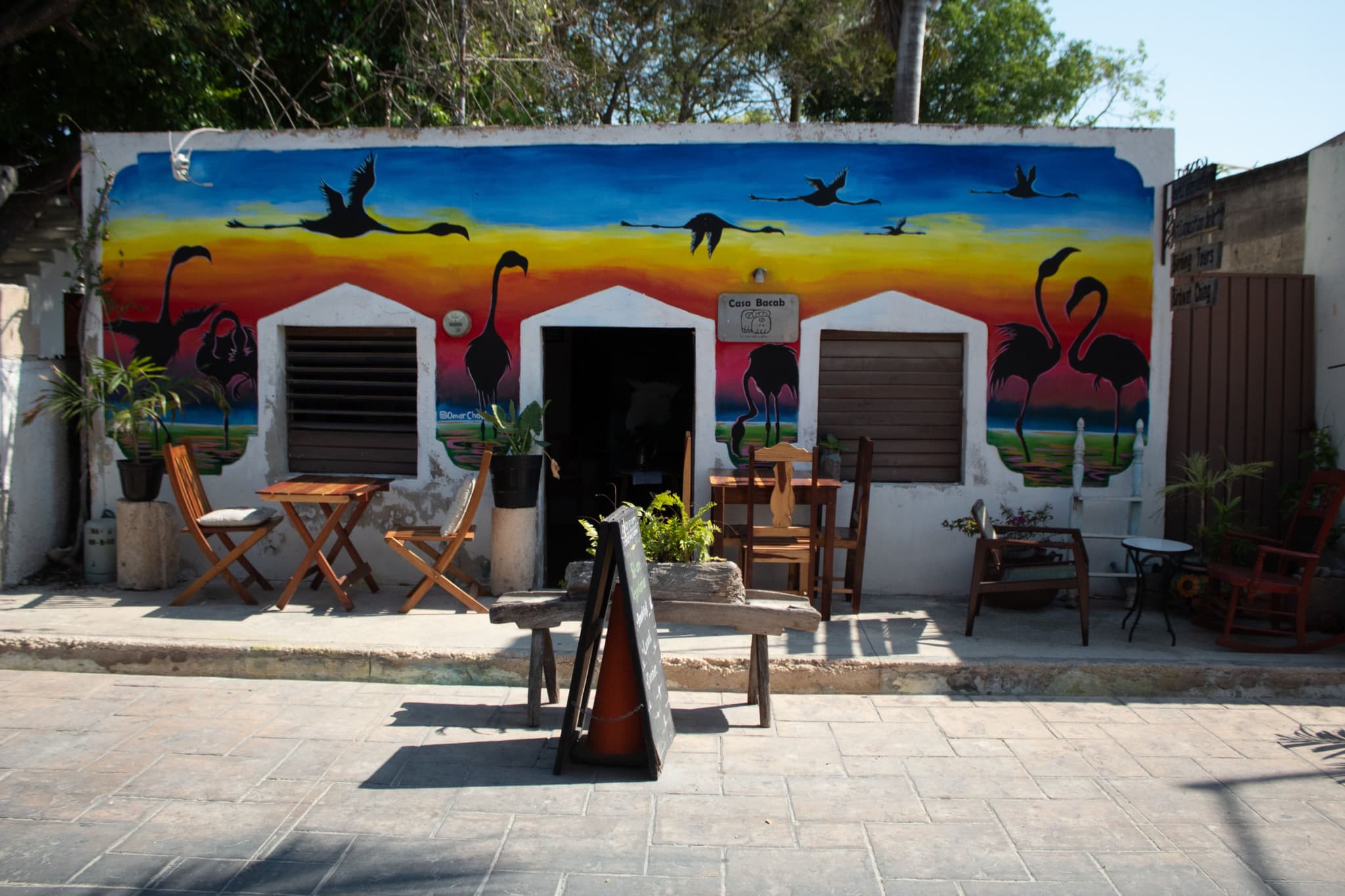
The Zone did not become what the residents of Celestún feared, a segregated space for only a few. It can be joined by anyone who wants to, but it must participate in the committees.
—Here the port depends on fishing. And if there is good fishing, if there is good catch, we all have a good economy, not just the fisherman, because the economic impact favors the entire community,” says Laura Ortiz, who is the representative of women in the ZRP and is a member of the women's monitoring commission.
The efforts of the Fishing Refuge Zone have been combined with that of other groups within Celestún to comprehensively address the social problems of being a port.
In February 2026, Profepa installed the Celestún Participatory Environmental Monitoring Committee (CVAP), which brings together the efforts of tourism and environmental groups, which work in mangroves, beaches, urban areas and the sea.
More than three decades after the discovery of sea cucumber off the coast of Celestún, the integration between organizations stands out as a mechanism for the municipality to strengthen its social fabric and for the sea to recover species that were thought to have been lost.
In 2025, they identified elderly people artisanally fishing for octopus in the Fishing Refuge Zone during the octopod season. This means an improvement in the economy for Celestunenses who depend on fishing.
For Doña Luisa, the success of the Zone is reflected in the actions of the community's neighbors, who are reluctant to participate in it: —They tell you 'the Refuge Zone doesn't work, they're just profiting, they're just stealing it' but if there's a group that you see on social networks in sport fishing, do you know where they're taking them? To the Zone. So if it's not working, why are they going there? Because they know there are fish there. If you hire a tour they will take you to a place where there are fish and they upload it in their videos, because that Area is being cared for, but they don't recognize you.
In June 2026, after monitoring carried out in the Fishing Refuge Zone, the presence of sea cucumbers was confirmed, after years of disappearing from the coast in Celestún.
With her companions, Laura Ortiz travels through different parts of the Zone to identify potential poachers fishing in the perimeter. Women were integrated based on the aggressions that their colleagues received during monitoring and surveillance actions. If they find fishermen within the Zone, the committee issues a verbal wake-up call telling them that scuba diving is prohibited in the area.
Sometimes, anglers react positively and understand the lessons about caring for the species. But in other situations, fishermen act violently, from screams and threats to being pointed with harpoons and being attacked with their boats.
Remember that on one occasion, a representative of the Yucatán Secretariat of Fisheries and Sustainable Aquaculture attended the surveillance, who suffered attacks by poachers with harpoons and attacks. “The fishermen, not knowing that he was with us, wanted to crash us and a chase began.”
To reduce risks, at the beginning of 2026, they incorporated aerial surveillance using drones to “detect vessels with real-time geo-positioning, linked to a system of authorities, who will be able to clearly identify people who do not respect the restrictions within the refugee estate”.
As part of the surveillance protocol, they take data on vessels to inform fishing authorities such as Conapesca so that they can take appropriate actions against predation, but “there is no answer, there is not even the support for them to come and do what we do”.
—Sometimes we feel alone because we don't have backup. We ask that they help us, as authorities, to contribute to surveillance.
—We focus on taking care of the area, because we have had threats, confrontations. If we want to take care of the whole sea, they're going to kill us.
This journalistic investigation was developed in collaboration with the Global Initiative against Transnational Organized Crime (GI-TOC), through the Resilience Fund and the Observatory for North America. Its content was produced independently and does not necessarily reflect the opinions or positions of GI-TOC, the Resilience Fund, or the North American Observatory.
This work is published in partnership by Fábrica de Periodism and Causa Natura Media.


Comentarios (0)