
In the Gulf of California, some species have ceased to be found in the places where they were usually observed, but that does not necessarily mean that they have disappeared, part of the answer could be tens of meters under the sea.
Researchers from Baja California Sur are preparing an expedition to explore, 30 or 80 meters deep, a strip of the marine ecosystem about which there is little information and where organisms could be found that moved due to changes in ocean conditions.
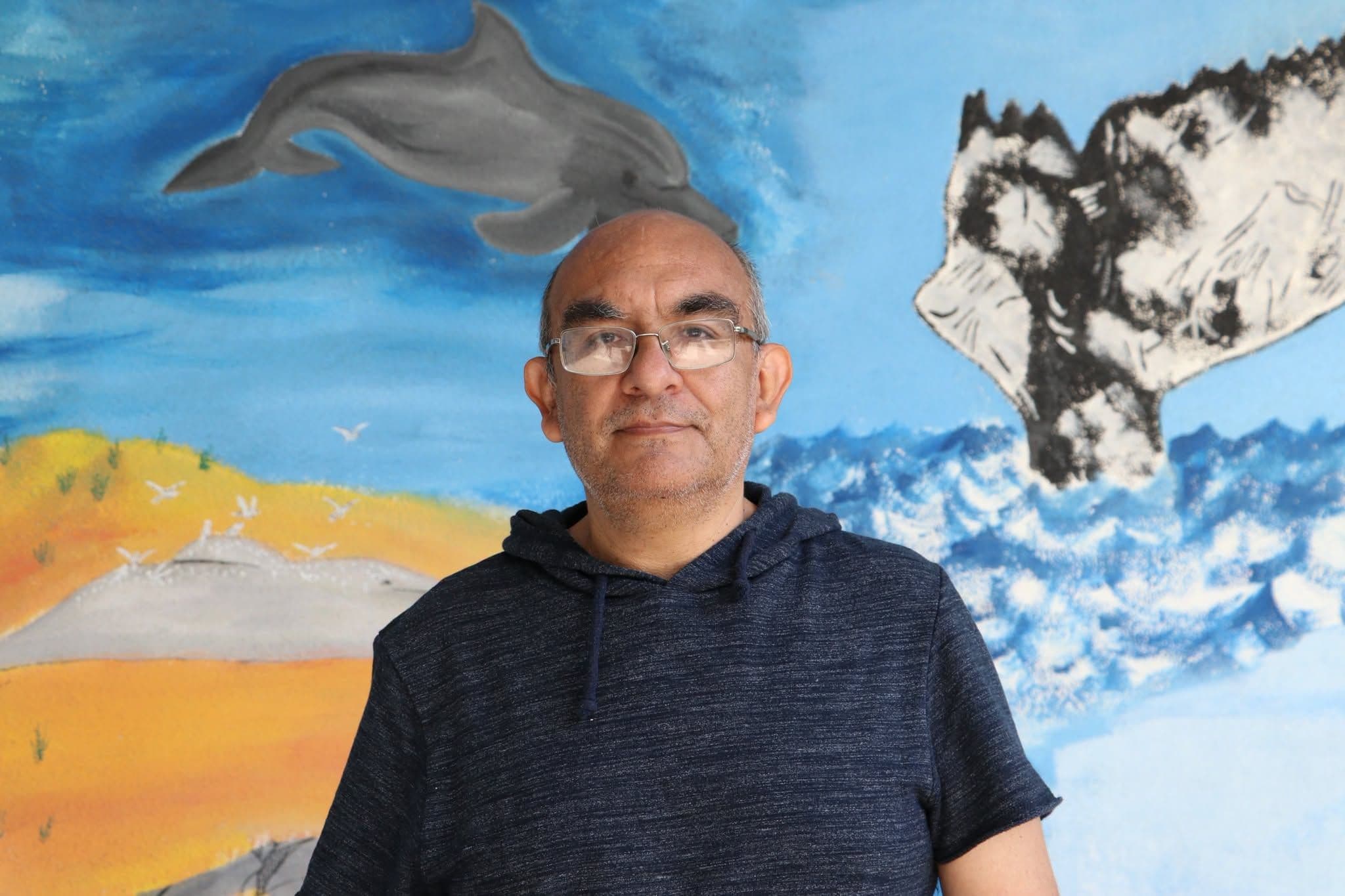
Héctor Reyes Bonilla, research professor at the Autonomous University of Baja California Sur (UABCS), explains that a lower presence of fish in surface waters may have different explanations.
“It may be that you arrive at a place and fishing in surface or shallow waters isn't much, but below are the organisms,” he says.
The possibility is of interest to fishermen who have observed changes in their catches and in the presence of species after oceanographic alterations.
“They know because of the El Niño issue that a lot of fish disappeared, they are very low; in other words, fishing decreased significantly or changed,” says Reyes Bonilla.
Don't miss: They give environmental authorization to a mega-gas project in Sonora and hide it; ASEA ignores recommendations and safeguards
A part of the Gulf of California that little is known about
Knowledge about what happens below 30 meters is limited. Reyes Bonilla explains that the depth makes diving research difficult and that the equipment needed to explore these areas is not common in Mexico.
“The history of deep-sea organisms, which we are going to work between 30 and 80 meters, more or less, is very rare (...) from a diving point of view it is very far away and is even dangerous. So there's almost no information,” he says.
In recent years, submersible explorations have been carried out in different parts of the Bay of La Paz. Towards Loreto, however, records are scarcer, according to the researcher.
To obtain this information, the team will use a remotely operated vehicle, known as an ROV, which will be controlled from a boat and will allow us to observe the organisms present up to approximately 80 meters.
Conditions under the sea also represent a challenge for this type of technology. “Working 80, 90 meters away with a cable and with a device worth half a million pesos (...) is a danger because if it gets stuck, it breaks and you lose everything,” he explains.
The currents also make it difficult to use small vehicles. The equipment that researchers will use has a larger size, power and capacity to operate at depth.

Fishermen also want to know where the fish are
Research has a component directly related to fishing. The team held talks with representatives of fishing societies in Baja California Sur interested in knowing how abundant some commercial species are in deep waters.
“They were interested in seeing the information to know (...) how abundant certain commercial fish were in the deep,” says Reyes Bonilla.
The interest came after the observed changes in the sea. The researcher mentions a lower current presence of sardines, sharks and birds, although he points out that these movements may be temporary.
“There are no sharks now, but everything is temporary (...) they come and go. So we have to know what's going on next year,” he explains.
The exploration will allow us to observe if the organisms remain in deep waters or are found again in areas where they were previously registered. This information could change the interpretation of a season with lower catches.
“It may be that there isn't a fishing problem, simply the agencies are down, and you can either regulate or you can manage the resource differently,” he says.
Mexico begins to look at deeper species
The interest in learning about these ecosystems occurs as Mexico begins to direct part of its fishing activity to resources that inhabit deeper waters.
Reyes Bonilla mentions hake and crayfish as examples. “Mexico right now as a country, at least on the fishing side, is turning to this type of resource,” he says.
The hake lives from depths close to 30 meters, while the crayfish is also associated with deep areas of the Pacific.
For the researcher, knowing these environments will be necessary as interest in their use increases. “The idea is to start looking at these types of resources (...) to see how we can take advantage of them,” he explains.
The availability of technology is still a constraint. Reyes Bonilla points out that there are few underwater vehicles capable of working at such depths and under strong currents.
Don't forget to read: UNESCO Committee puts its magnifying glass on liquefied natural gas projects in the Gulf of California
El Niño may offer clues to a warmer ocean
The changes observed after El Niño will also allow us to study how organisms respond to significant variations in sea conditions.
Reyes Bonilla believes that knowing which species return, which remain in depth and how their distribution changes can provide information to anticipate future scenarios.
“We have to know what's going on next year to be able to say, 'Oh, look, that happened, 'and predict,” he says.
The researcher relates these observations to the changes that the Gulf of California may face as the temperature of the ocean increases.
“What you're seeing right now is normal 20 years from now,” he warns.
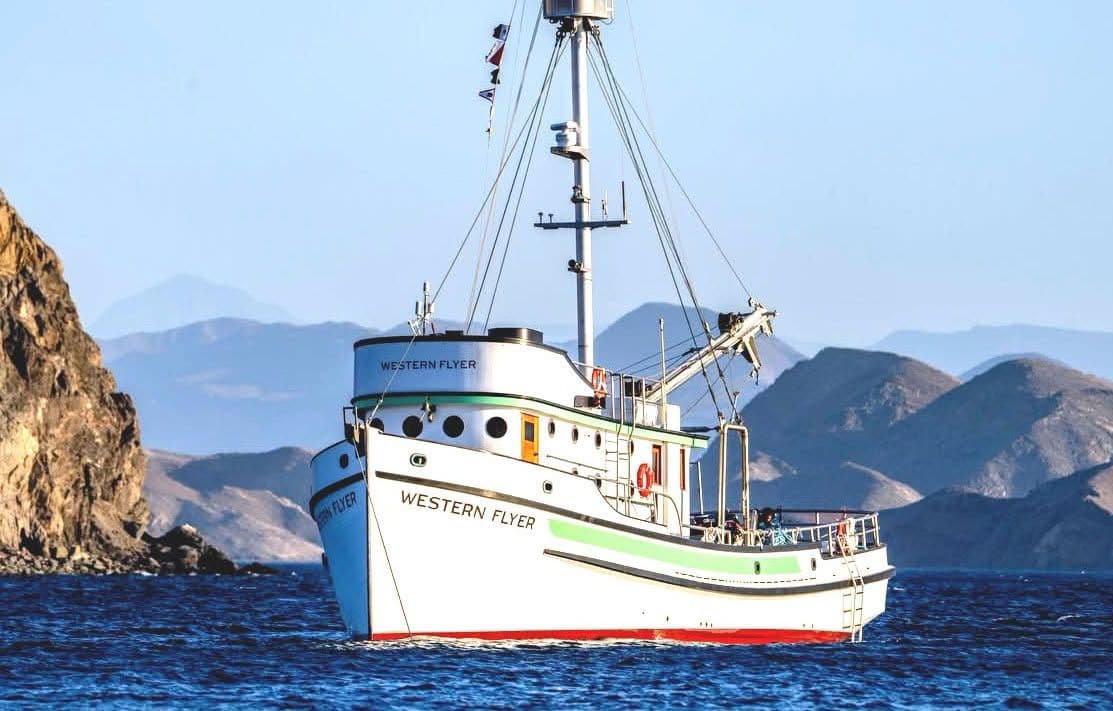
The expedition will visit sites between La Paz and Loreto, and will use the ROV to record fish at different depths. So far it is expected that they will take place starting in May. The project was selected from around 40 proposals submitted to a call from the Western Flyer Foundation.
According to Reyes Bonilla, only five were elected. Researchers from the UABCS and research centers in Ensenada will participate, as well as students who will join scientific and educational activities on board.
The records will allow us to begin to observe a part of the Gulf of California that remains beyond the reach of conventional studies and provide information on the changes that those who depend on the sea are already seeing.
Knowing if the fish decreased, changed areas or simply descended to deeper waters will also be a piece of understanding how the fisheries of Baja California Sur could transform in the face of an increasingly warm ocean.


Comentarios (0)