
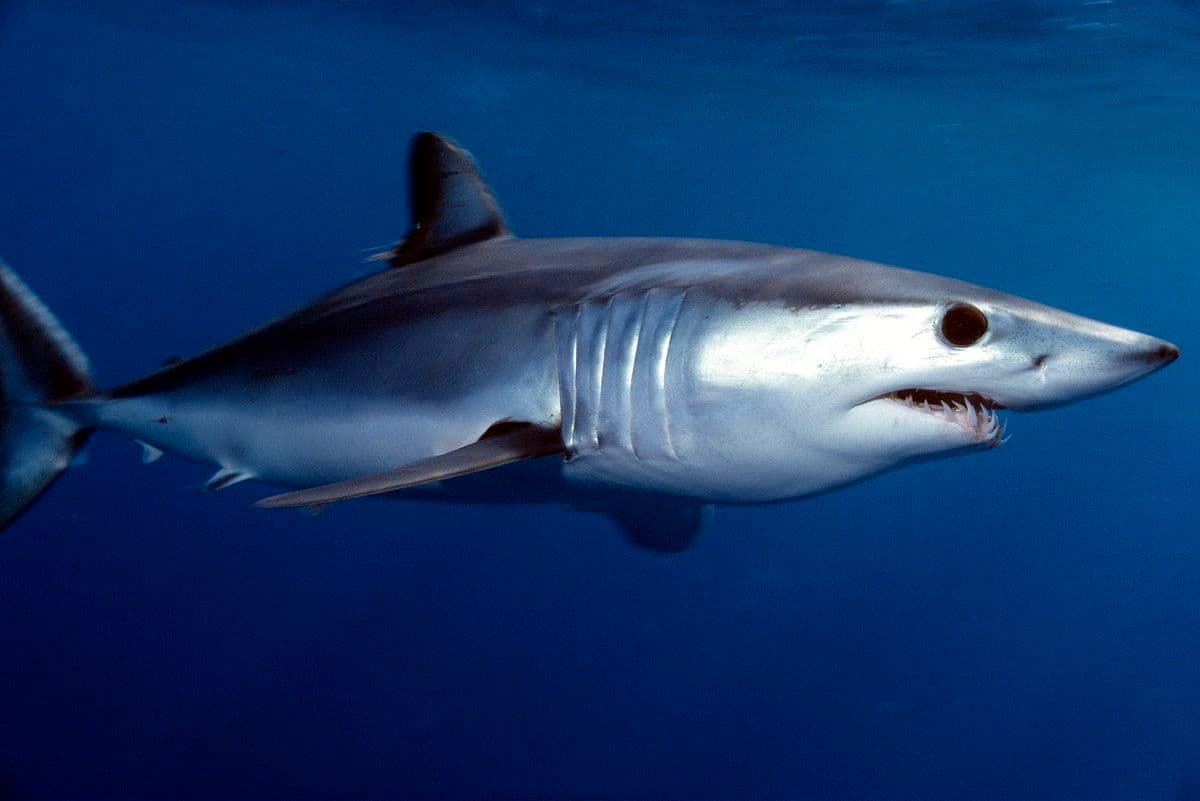
Ocean warming is causing the displacement and decline of various marine species, with direct repercussions on fishing activity in Baja California Sur.
According to Héctor Reyes Bonilla, a researcher at the Autonomous University of Baja California Sur (UABCS), the water temperature in La Paz is around 32 degrees Celsius, while the increase in temperature has modified the distribution of species such as sardines, sea lions and cochitos, in addition to causing mortality of marine organisms.
Added to these effects are the difficulties faced by the fishing sector, whose members must travel greater distances to find products, assume more operating costs and take extreme care to preserve catches in the face of high temperatures.
What species are being affected?
Reyes Bonilla points out that the effects of warming are already visible in different species in the region. “In Cabo Pulmo right now there are no sharks, they all left because the water is so hot,” he explains.
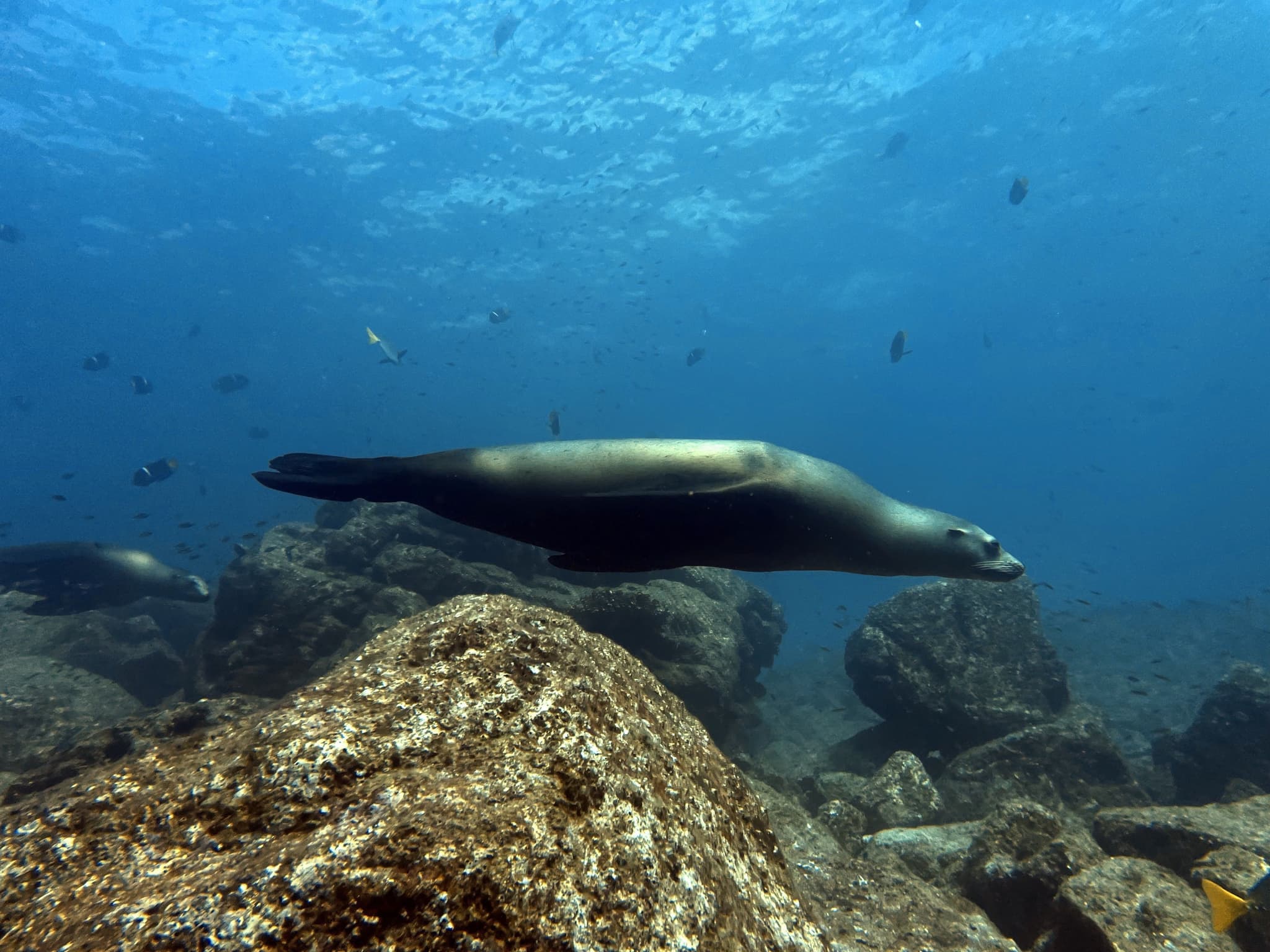
He also noted that there are currently no sardines in La Paz Bay, while sea lions moved north due to lack of food.
“The birds all moved to the Pacific because there's no food,” he adds. The researcher says that the changes are also being observed by fishermen, who report a smaller catch and thinner specimens.
“They are fishing less and they say they are coming out very skinny,” he says, explaining that the fish would be spending more energy moving in search of food.
What's going on with the cochito?
One of the cases that worries the researcher is that of the cochito fish, a species whose presence has decreased in some areas of La Paz and for which dead specimens have already been observed.
“There have been cochito mortalities this year here in La Paz,” Reyes Bonilla reports.
The researcher comments that there is still no estimate of the number of organisms lost, because the data collected by different institutions over the past few months are still being analyzed.
“People have found a lot of little pieces floating in the middle of La Paz,” he says.
He also indicated that clams have been significantly affected, particularly in the Pacific, where mass mortalities occurred.
How does warming affect marine species?
Reyes Bonilla explains that one of the consequences of the increase in temperature is the reduction of available oxygen in the water. “As hot water loses oxygen, so the animals are left there as if they are short and cannot breathe well and then they end up dying.”
The researcher says that this condition can cause mortality of different organisms and favor the movement of species to areas where they find better environmental conditions. The phenomenon has also caused massive coral bleaching.
Reyes Bonilla explains that the dominant coral, of the genus Pocillopora, is currently being considerably affected. “We have massive coral bleaching.”
More than 60 or 70% of colonies have been bleached in some areas, although the intensity varies depending on the site, he adds.
What species maintain their presence?
Despite changes in the distribution of the species, Reyes Bonilla points out that the huachinango is still present and remains one of the main catches. “For fishing anyway, we're learning what's there and what's not there,” he explains.
The researcher also comments that while some species have declined or have been displaced, others maintain their presence in fishing areas.
José Flores Higuera, president of the Federation of Fishing Cooperatives, agrees that the behavior of the species is changing due to the warming of the water.
“Warming sometimes causes microalgae pressure that affects production, decreases oxygen in the sea and, therefore, species begin to migrate to deeper areas,” he says.
What impact does it have for anglers?
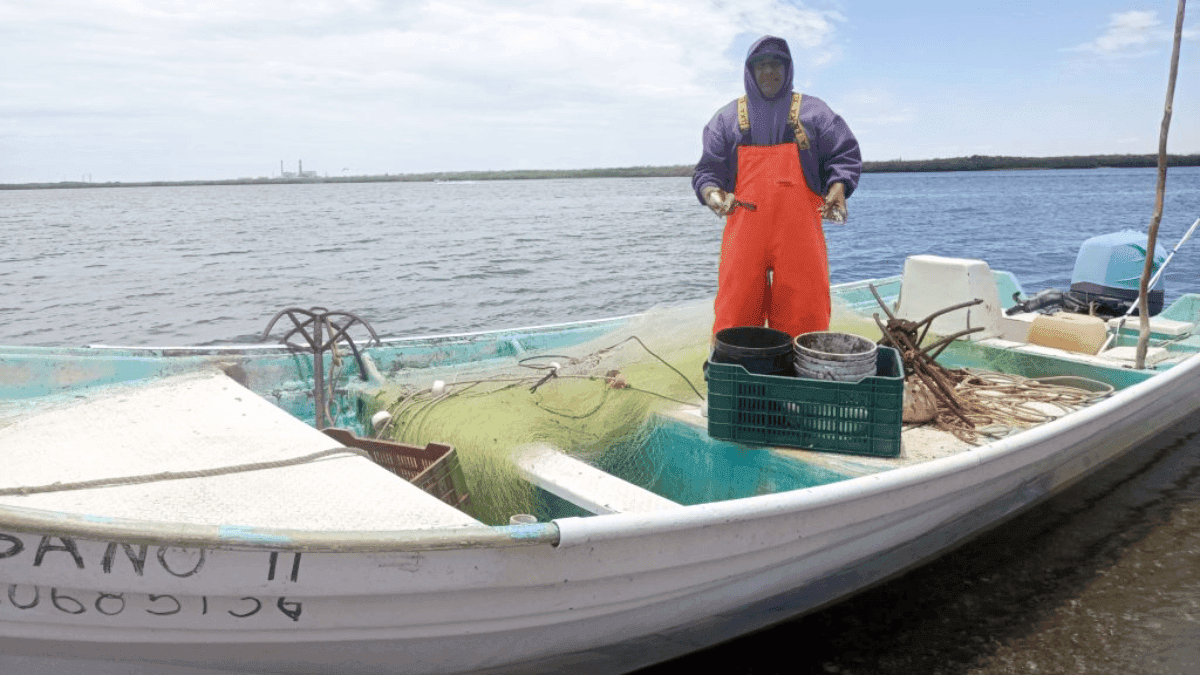
Flores Higuera warns that the movement of species represents an operational problem for fishermen, because they must travel greater distances to find the product. “There may be a significant decline in species and we may go looking for them farther than usual,” he says.
This represents an increase in operating and production costs, in addition to greater needs to preserve catches in the face of high temperatures.
“Now the fisherman's operational capacity has to stand out to go looking,” he says.
The fishing leader details that the huachinango has maintained good production, while the cochito has decreased in some areas.
“Right now we have had a good production of huachinango, it has been maintained. The cochito has dropped in some places; there is no cochito there, there is no cochito anymore,” he says.
What happens to bivalves?
Flores Higuera confirms that the effects also affect bivalves. “In bivalve species, it has dropped a lot; there are some areas where there has been mortality due to lack of oxygen and heating,” he reveals.
The president of Fedecoop points out that, despite these conditions, fish production has been maintained at some points, although there is concern about the evolution of the phenomenon over the coming months.
The El Niño phenomenon also changes conditions for communities
Flores Higuera indicates that the impact is not limited to the availability of species, but also has a direct impact on the activities of fishing communities.
“The biggest risk we have, apart from the ecosystem, is also the daily lives of communities.”
The movement of species requires longer trips and increases the need to use ice to properly preserve the product.
“With the heat that is being seen in the communities, it's tremendous,” he says.
For his part, Reyes Bonilla points out that October could represent one of the most intense moments.
The researcher also anticipates possible changes in the next whale season in the Magdalena area.
There are probably very few whales,” he says, adding that the specimens may have a lower body condition due to ocean conditions.
While the analysis of the data collected by researchers and institutions continues, the fishing sector is keeping an eye on the availability and movement of species and on the possible effects that sea warming may generate over the coming months.


Comentarios (0)