
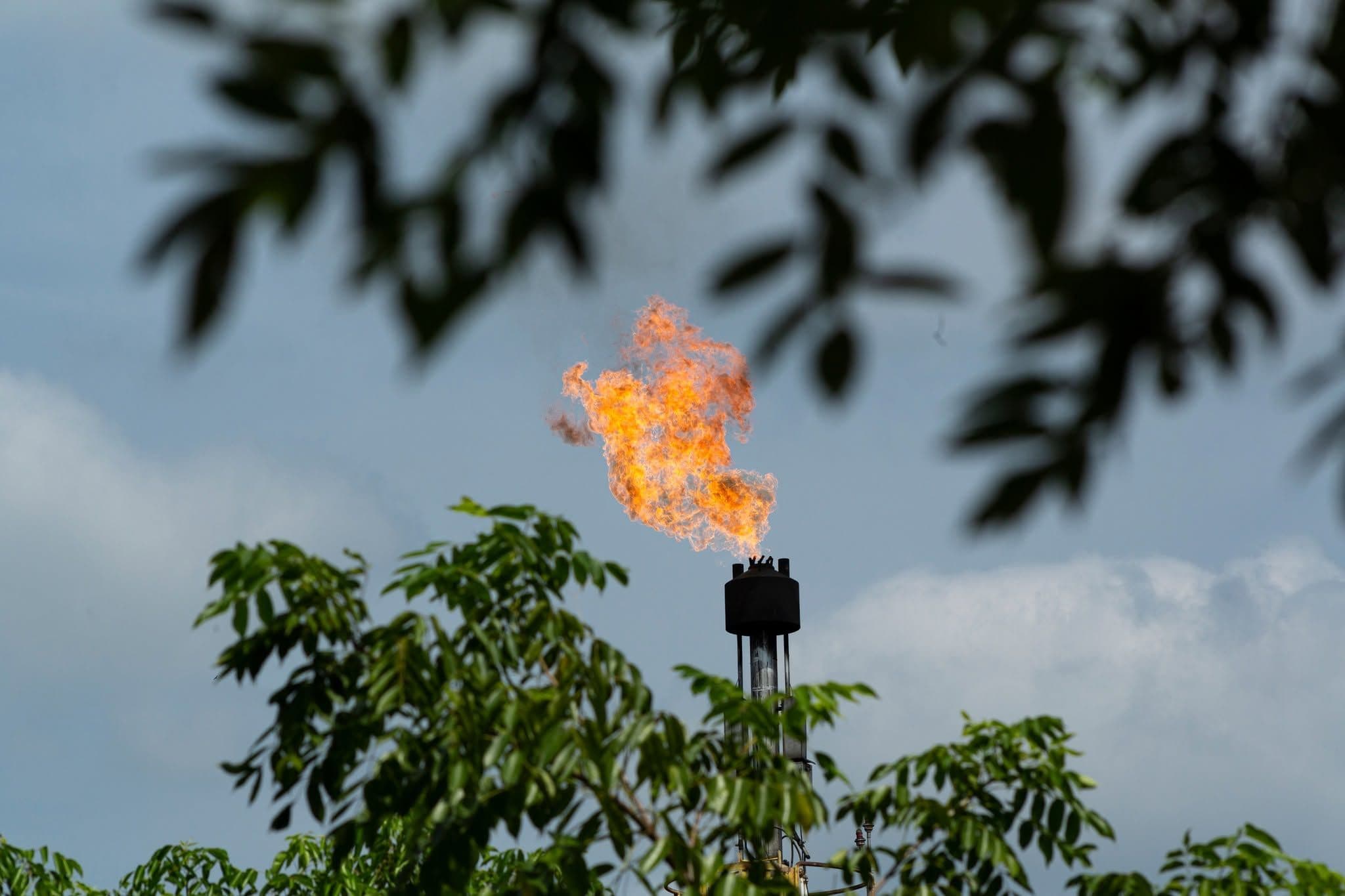
The Federal Expenditure Budget Project (PPEF) 2027 contemplates around 12.2 billion pesos for Mexican Petroleum (Pemex) hydrocarbon projects that could involve the use of hydraulic fracturing, known as fracking, according to the Fracking report in the 2027 public budget, prepared by Engenera, Fundar and the Mexican Alliance Against Fracking (AMCF).
The analysis identified at least five projects with potential use of this technique in unconventional reservoirs or that contemplate horizontal drilling, a characteristic of fracking. The organizations warn that the budget maintains resources for activities related to this practice, despite the recommendation of the scientific committee convened by President Claudia Sheinbaum to prohibit the extraction of natural gas from unconventional deposits in the Tampico-Misantla basin.
The report points out that the budget does not allow us to know how much money would specifically be allocated to fracking. The 12.2 billion pesos correspond to the total allocations of the identified projects, whose technical documents contemplate or document the use of this technique.
Among the projects mentioned are Gulf Tertiary Oil, with an allocation of 5,557 million pesos; Integral Veracruz, with 3,712 million; Integral Poza Rica, with 2,615 million; Coyula, with 223 million, and the CEE Miquetla contract, with 91 million pesos.
The report highlights that three of these projects — Gulf Tertiary Oil, Coyula and Miquetla — are related to the Tampico-Misantla basin, where a scientific committee recommended banning the extraction of natural gas from unconventional reservoirs.
The document details that in these projects there are histories of hydraulic fracturing or technical references that contemplate its possible application. In Gulf Tertiary Oil, for example, a 2010 evaluation by the National Hydrocarbons Commission (CNH) reported that 1,323 wells, equivalent to 76 percent of the total project, had been fractured using this technique.
A pending ban
The recommendation to restrict fracking in the Tampico-Misantla basin was presented by the Committee of Scientists and Specialists, which analyzed the feasibility of exploiting unconventional natural gas fields. In August 2026, the committee stated that, for reasons of social protection, biodiversity and population density, the prohibition of these activities in the region should be considered.
The report warns that this recommendation still requires a legal instrument to make it binding. Meanwhile, PPEF 2027 conserves resources for projects located in this basin, including Gulf Tertiary Oil, Coyula and Miquetla, where fracking has been carried out at different times during their development.
The analysis also points out that the K025 program, called Economic Hydrocarbon Infrastructure, includes 162 oil projects and has allocated 250 thousand 784 million pesos for 2027. The projects identified by their relationship with fracking are part of this investment program.
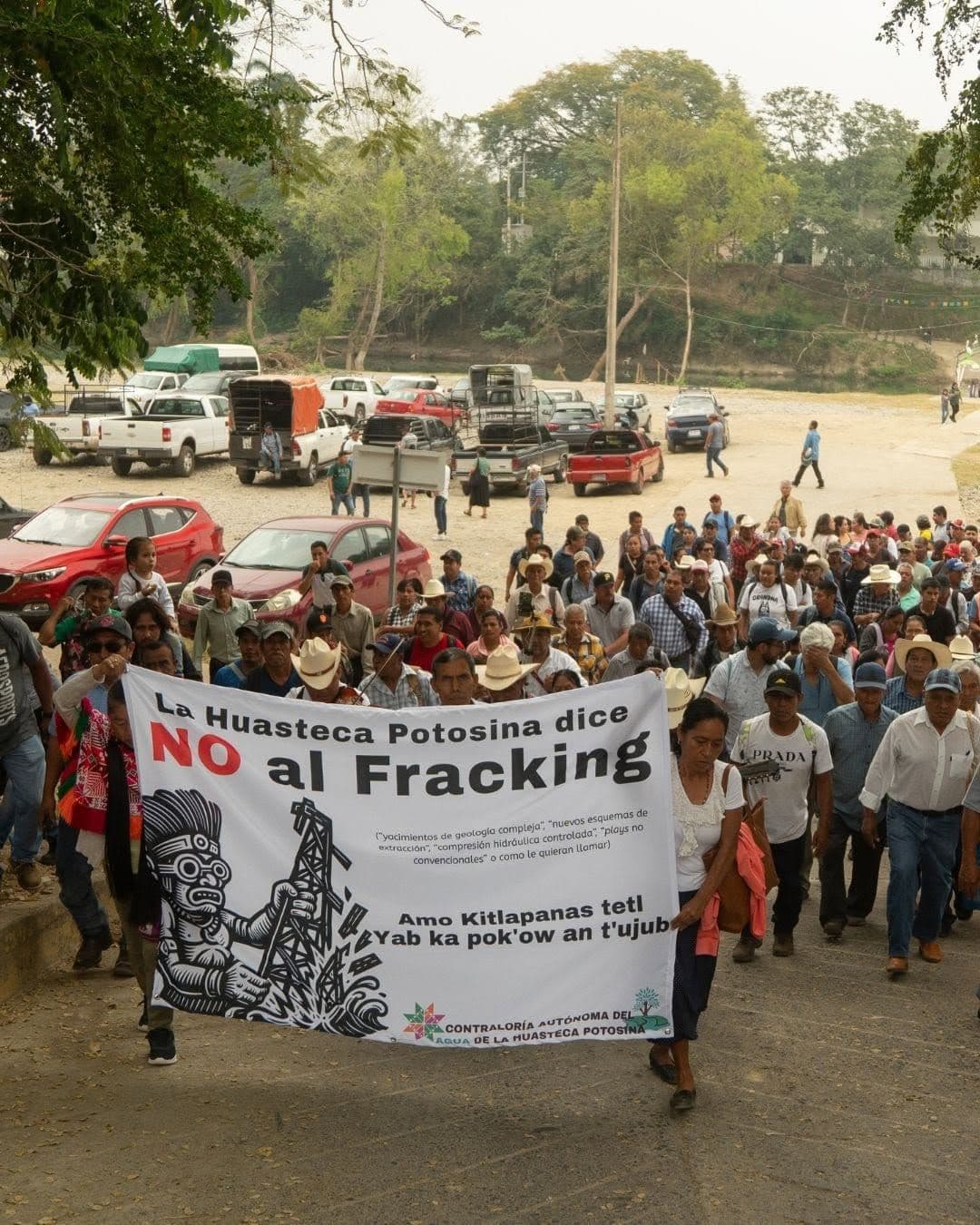
The organizations warn that the continuity of these investments may have implications for access to water, health, a healthy environment and the rights of communities that inhabit the regions where oil activities are carried out. They also point out that the lack of disaggregated information makes it difficult to know in which projects hydraulic fracturing has been used and where it is expected to be applied.
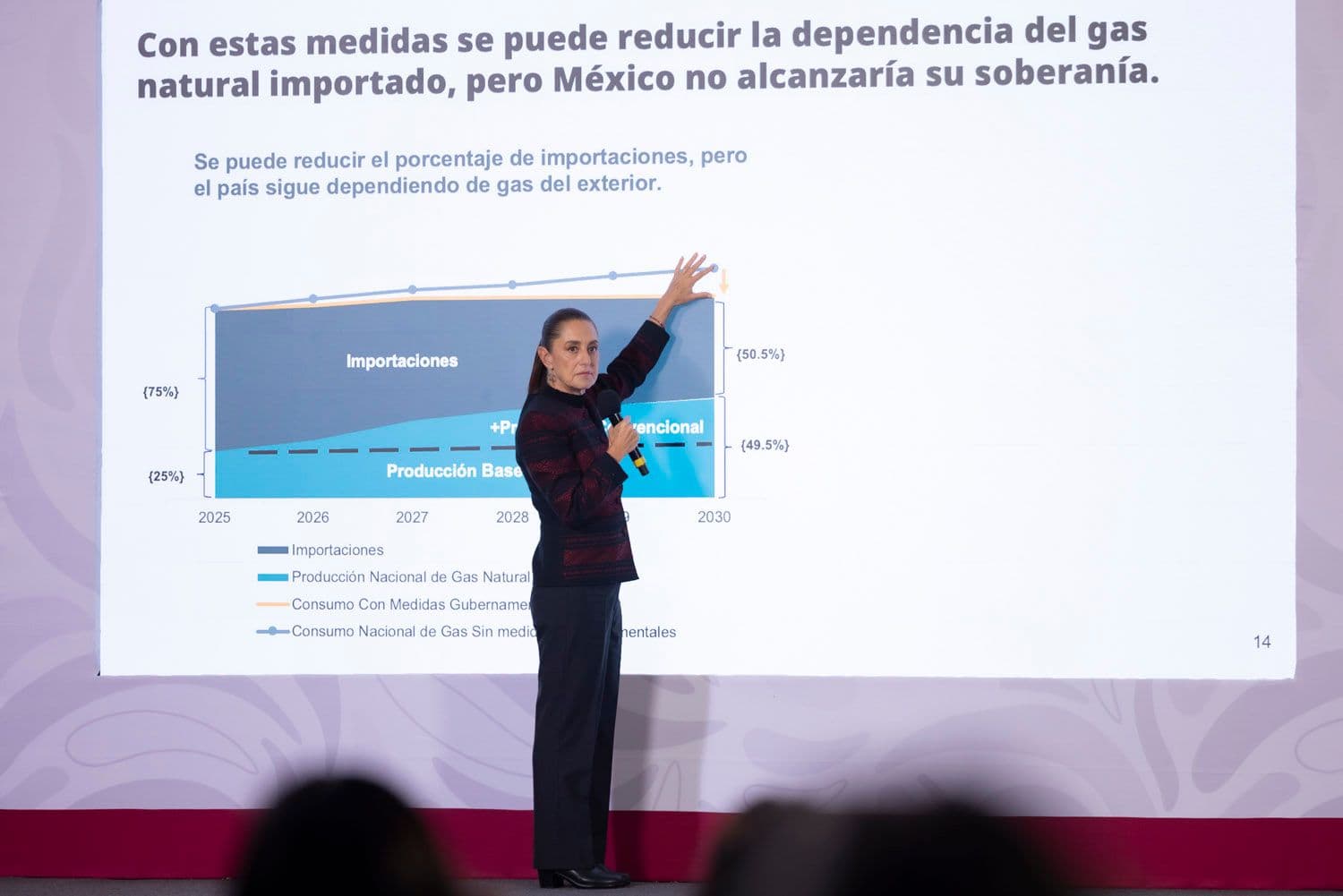
Organizations are asking to reallocate resources
Engenera, Fundar and the AMCF call on the Chamber of Deputies to review budgetary allocations and avoid authorizing resources for projects involving the use of fracking. They also request that Pemex break down information on this technique into its oil allocations, technical opinions and cost-benefit analysis.
The organizations propose to allocate the identified resources to the energy transition within Pemex, through technological reconversions, improvements in energy efficiency and works to capture and reduce methane emissions. They also plan to strengthen the budget for Protected Natural Areas (ANP).
According to the report, the ANP will receive only 16.20 pesos per hectare in 2027 for conservation. Organizations believe that increasing these resources would help protect ecosystems and strengthen communities' capacity to face the effects of climate change.
The document concludes that budgetary decisions must be in line with scientific recommendations on unconventional deposits and with commitments to energy transition and territorial protection.


Comentarios (0)