
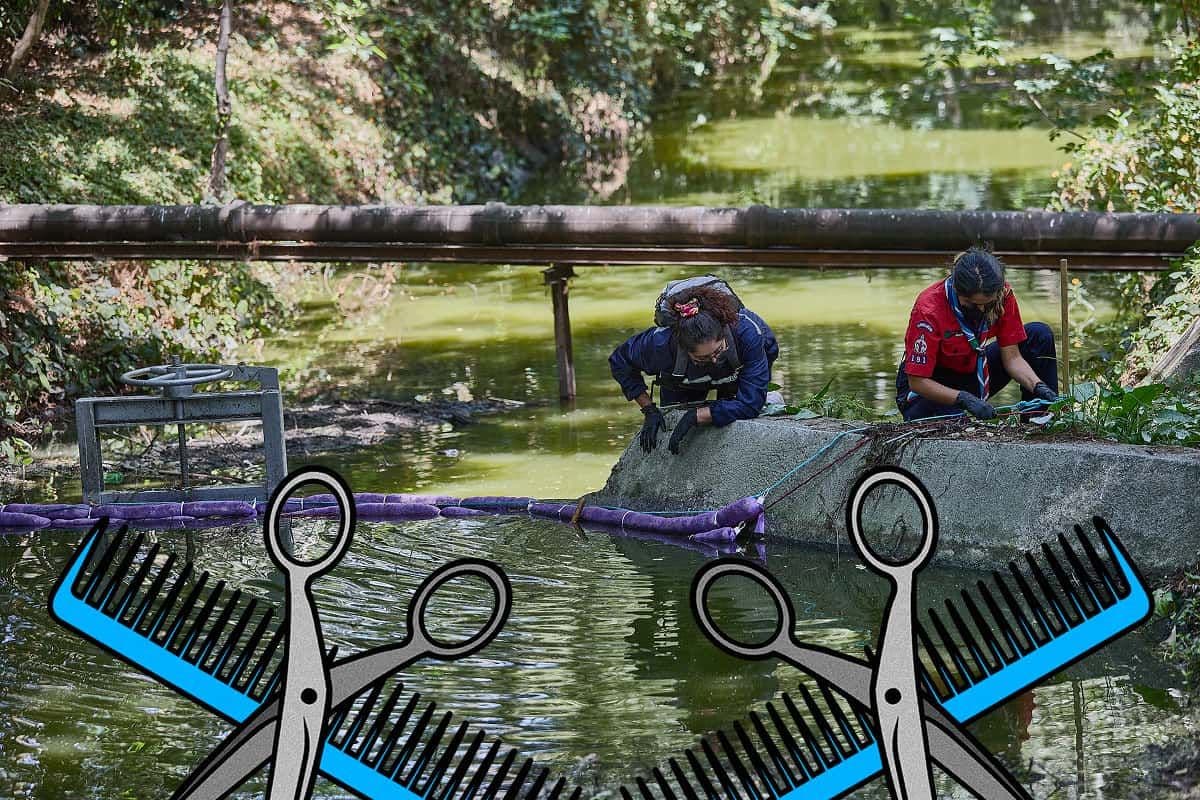
Black, copper, the strands say goodbye to the heads of their respective owners to the rhythm of the scissors. They fall in tufts on the ceramic floor of the beauty salon and there they form reticles, brushstrokes of hard keratinized cells. But it's not about those imitation wood tiles that their story ends: they have another destiny, one made of soil, water and voracious bacteria.
The fact is that in this beauty salon, the Believe Hair Salon, located in the Condesa neighborhood of Mexico City, cut locks are no longer considered waste, but rather a resource to protect water and soil. “There is no longer an excuse for not caring for the environment or using products that are tested on animals,” says Eriban Rendón, co-founder of Believe Hair Salon.
For a few months now, hairdressers have been part of the Zero Waste Salon Club, an initiative promoted by the organization Matter of Trust and focused on recycling hair to regenerate ecosystems. Rendón says that a friend told him about the project and that she immediately contacted the organization. “I thought I had to have something much more sophisticated, but they told me that only one box was needed,” he explains. So at that point I spoke to the stylists and said, 'You know what? Let's separate the hair from all the junk. '”
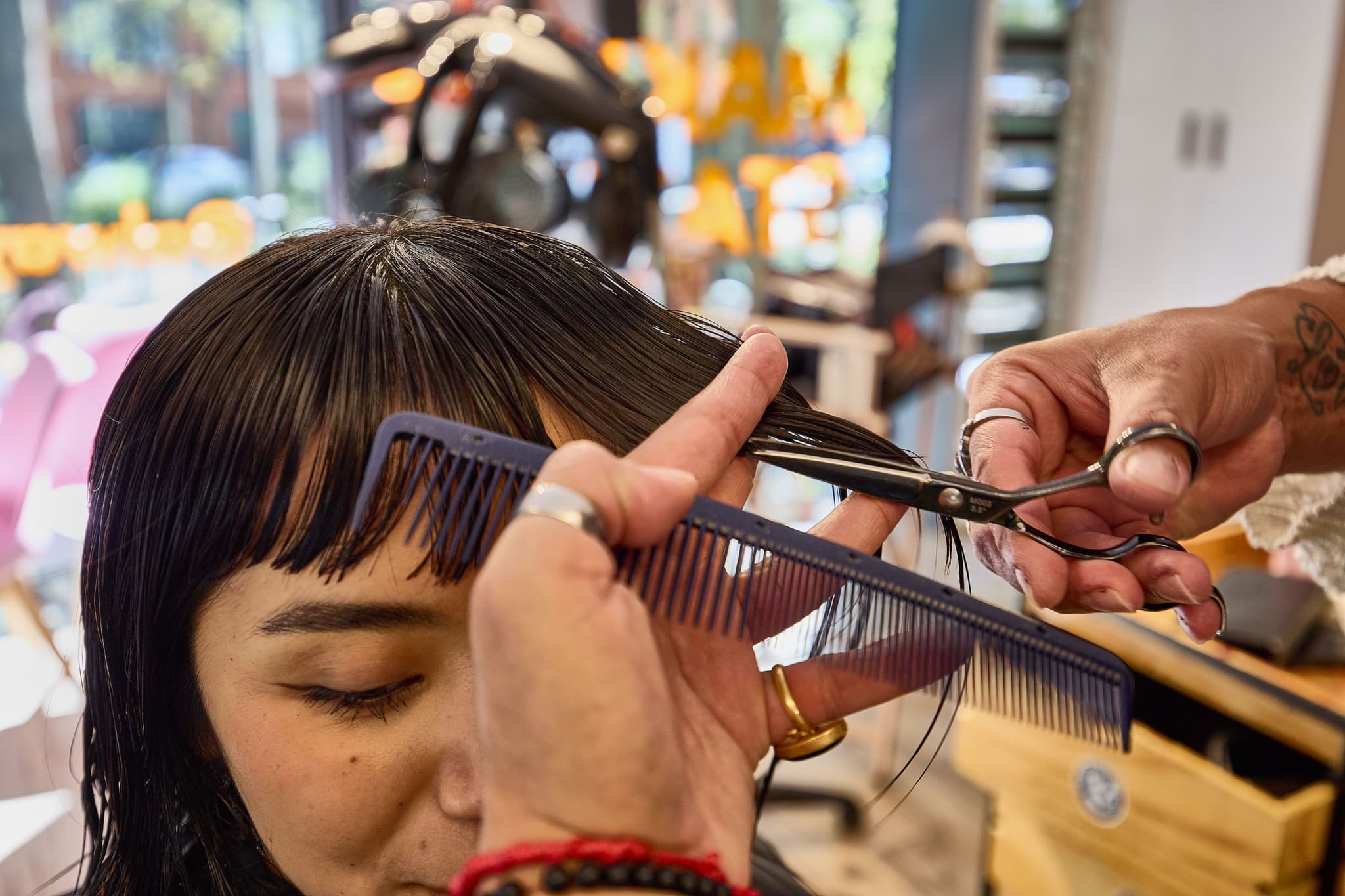
Photo: Ginnette Riquelme Quezada
Founded in the late 90s in California, Matter of Trust arrived in Mexico in 2024, where it has adapted its low-tech solutions for filtering water with human hair into two of the most important green lungs in the Mexican capital: the Xochimilco canals and the Chapultepec Forest.
In the collection of this natural fiber, as versatile as it is wasted, hairdressers play a key role. In addition to Believe Hair Salon, around 5,000 hairdressers around the world recycle hair, says Matter of Trust. This waste has been reused to make ecological tools that are now produced and used in 54 countries through 134 local centers.
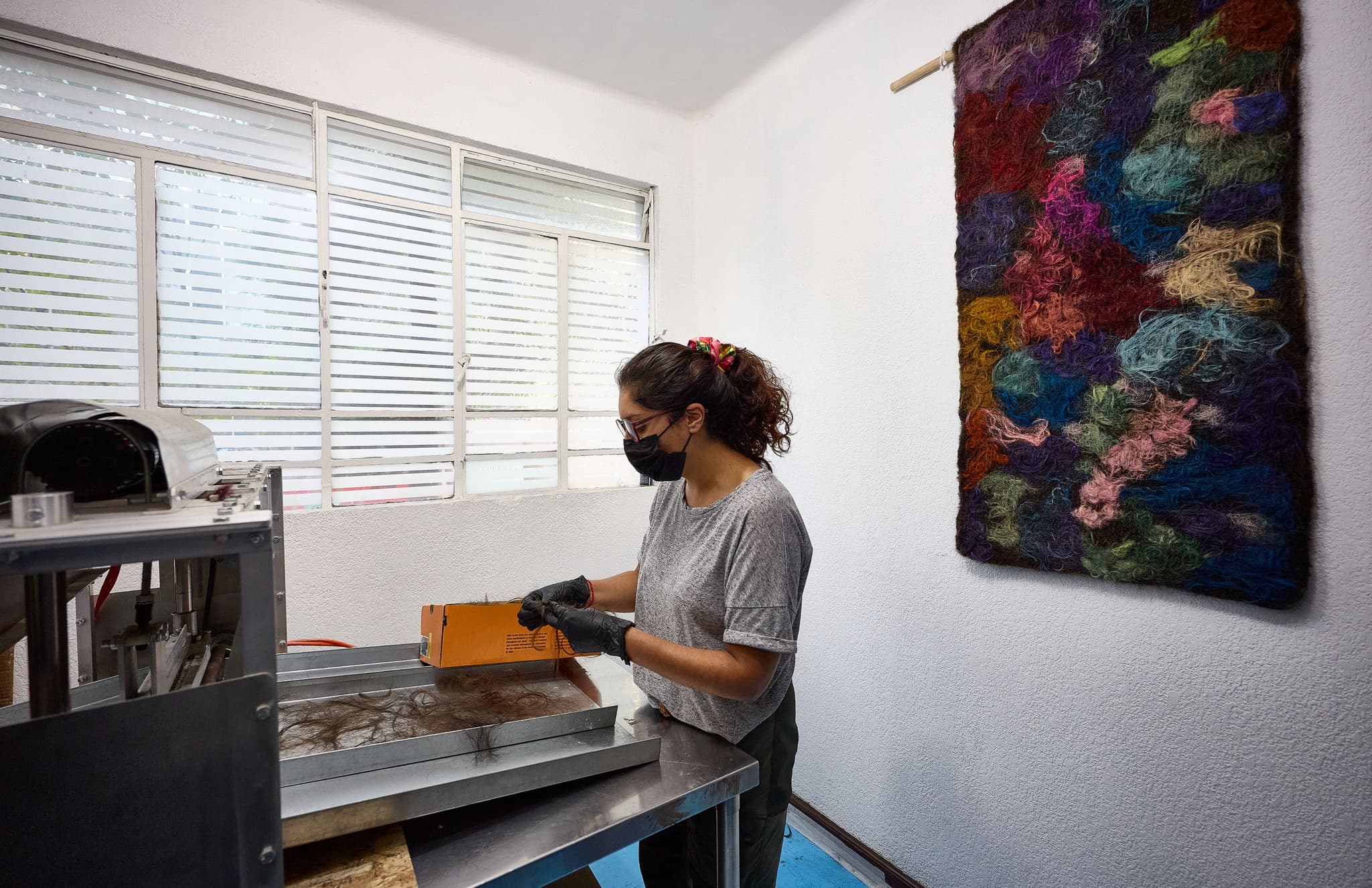
Photo: Ginnette Riquelme Quezada
In addition to the hair recycling service—which now involves around 40 salons in Mexico City and the metropolitan area—Matter of Trust also organizes ecological volunteer days with companies, universities and neighbors.
Rendón participated in one of these days at the end of March, when he met at the Chapultepec Forest Sensory Garden with several stylists and young scouts. Under the shade of the oak trees, they witnessed a little magic: the discarded tufts were reborn, converted into tools for cleaning water.
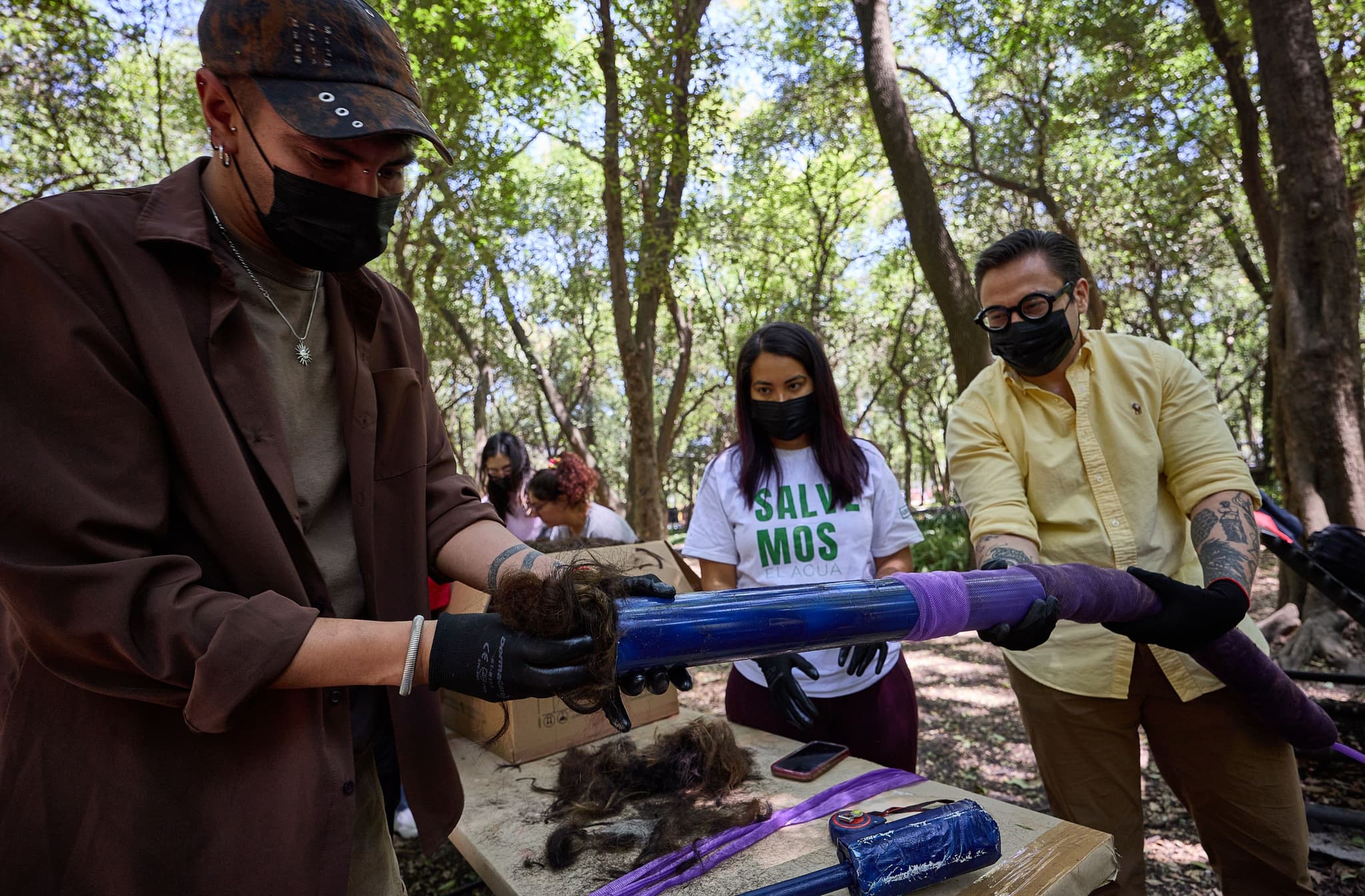
Photo: Ginnette Riquelme Quezada
Teamwork
“The hair is like ice cream cones and those cavities are the ones that directly absorb the oils. So, it's already biodesigned for the absorption of oils, not only natural, but some pollutants that are dangerous and others that are not so dangerous,” explains Soto Candia to the group gathered one afternoon in March under the oak trees of the Chapultepec Forest Sensory Garden.
Today's task: learn how to make absorbent devices, also known as booms. With their hands wrapped in vinyl gloves and their mouths covered with masks, volunteers push locks of recycled hair into violet meshes that are used to pack garlic to form a kind of furry sausage 1.20 meters long and 1 kilogram in weight.
These fat retainers — which can capture hydrocarbons, oils, fecal coliforms and other contaminants — have significant potential, since “each kilogram of hair absorbs up to five or six times its weight in pollutant,” says Soto Candia.
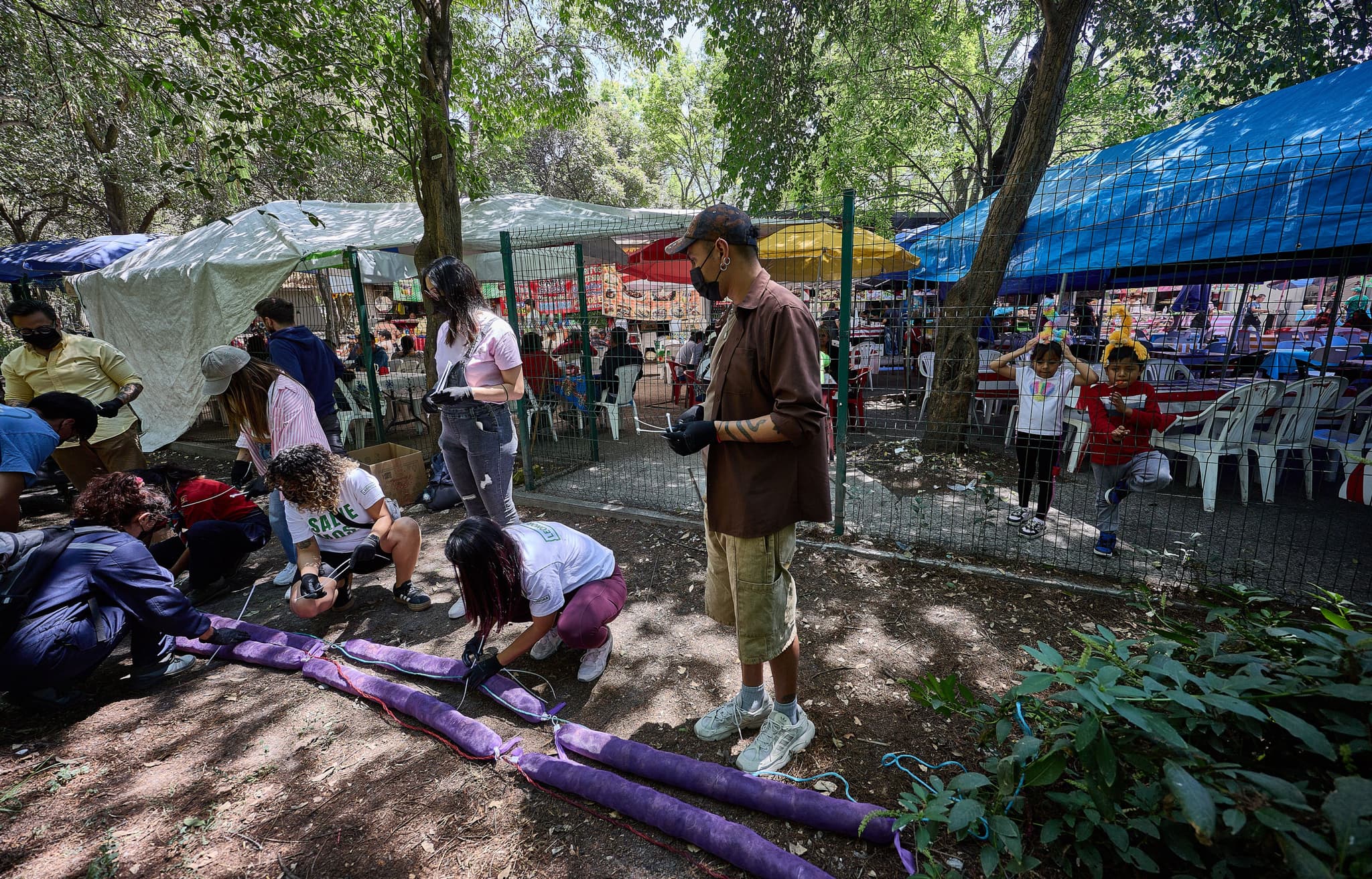
Photo: Ginnette Riquelme Quezada
At the beginning of the year, Soto Candia and Carenini began installing booms in the canal of the Botanical Garden, an area affected by water stagnation, lack of desazolve and discharges from nearby food stalls. This is greywater that contains cooking oils, animal oil, heavy metals, as well as PFAS chemicals, present in non-stick pans and fast food wrappers. After two months, the devices are transferred to drums full of bacteria where they undergo a bioremediation process. During another two-month cycle, these industrious organisms feed on the pollutants until they leave the booms clean.
Once the gray water has been decontaminated, the hair has a new purpose: to become mulch, or biological cover, and to be carefully scattered along the banks of the canal, where it “adds nutrients, organic matter and, finally, improves soil and plant growth,” says Carenini.
Thanks to its composition, rich in nitrogen and sulfur, this natural fiber can, in fact, contribute to the enzymatic activity and photosynthesis of plants, in addition to reducing direct evaporation from the soil by 71%, according to Matter of Trust.
In this way, the hair that is used to clean the water also ends up nourishing the earth, closing a cycle in which each element works as a team.
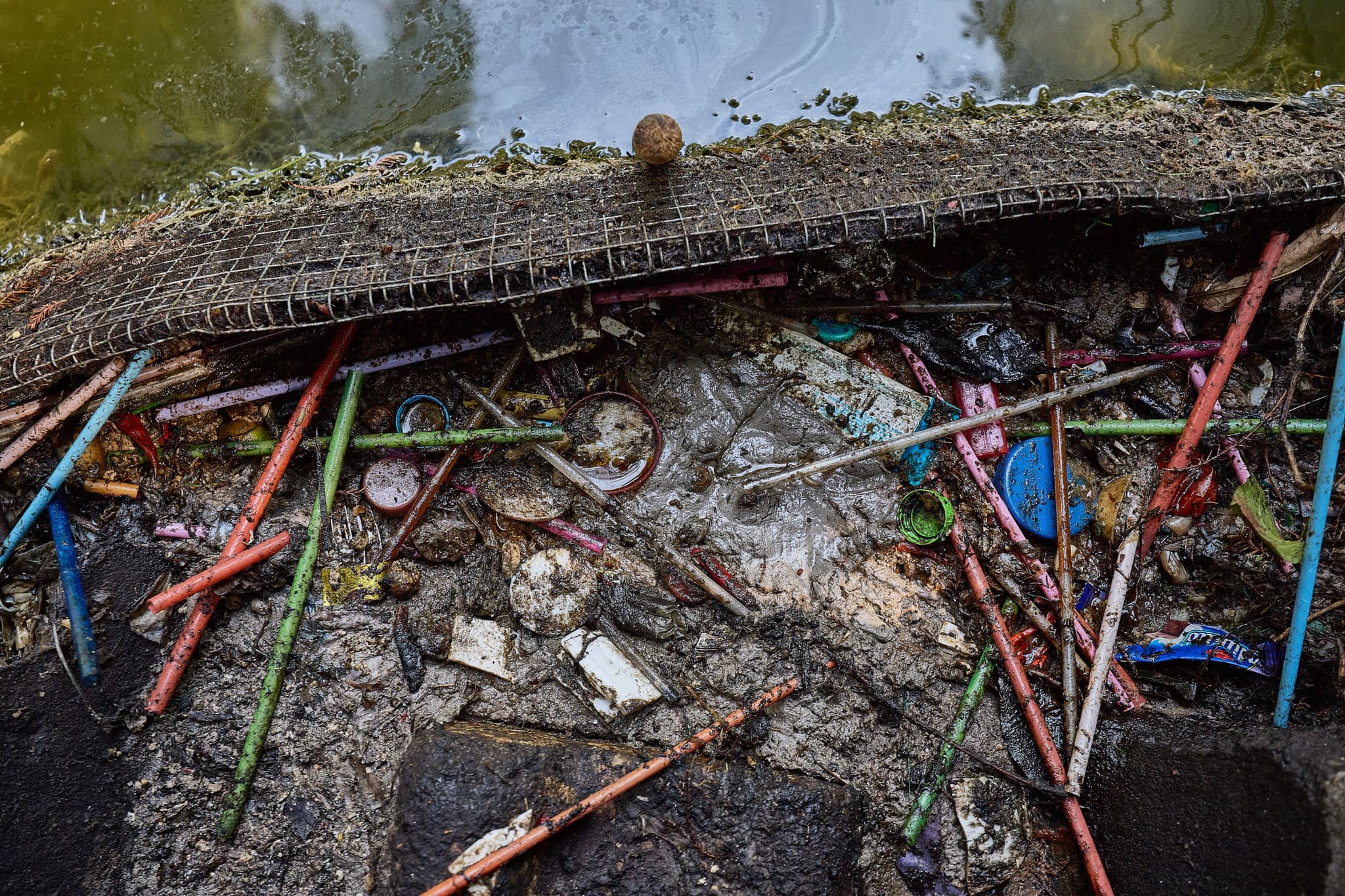
Photo: Ginnette Riquelme Quezada
Bosque de Chapultepec: connecting to protect water
Declared an Environmental Value Area in 2003, the Chapultepec Forest —which, with its 869 hectares, is the largest urban park in Latin America— not only oxygenates the air of Mexico City. Its trees and lakes are home to hundreds of species of plants, insects, animals and fungi, together with the nearly 24 million people who visit it every year.
But water is also part of the history of the Forest. Its biocultural importance dates back to pre-Hispanic times, when the Mexica took advantage of its abundant springs to bring fresh water to Tenochtitlan through aqueducts. Since then, their bodies of water have been shaped and domesticated according to the ideals of urban modernity of each era. In this process, water has been losing visibility as a living element of the ecosystem, until it seems more like an ornament designed for the city than a system with a life of its own.
However, for this type of solution to have a greater reach, the important thing is to intertwine them with other ecotechniques, explains Alejandro Federico Alva Martínez, a researcher in the Department of Hydrobiology of the Autonomous Metropolitan University (UAM). “If you put pure hair on it, they are aspirin: what works, if it works, it takes away your headache a little, but it doesn't take away the problem,” says the biologist, who participated in the construction of wetlands in Lake Menor of Chapultepec.
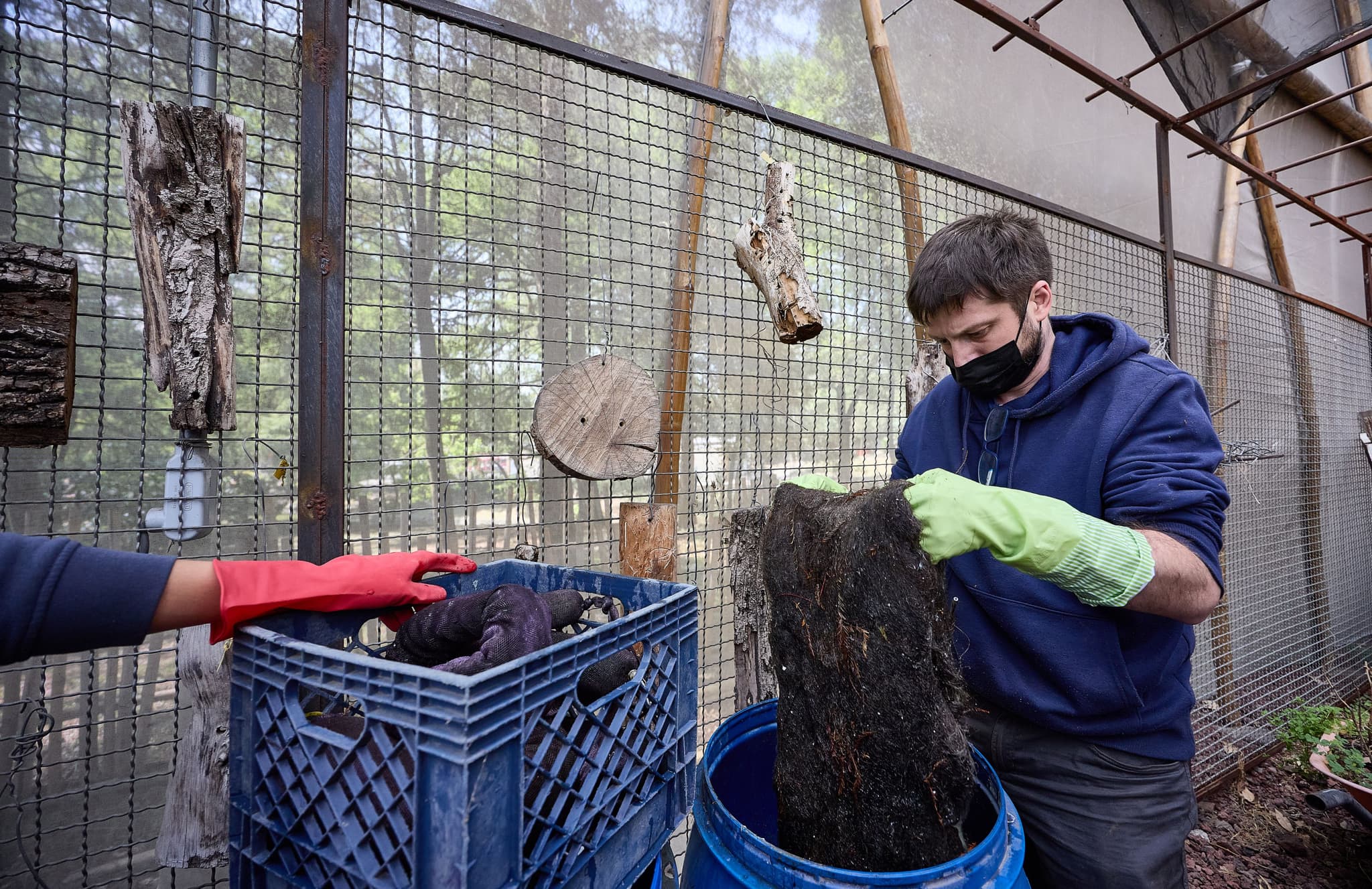
Photo: Ginnette Riquelme Quezada
A comprehensive project for forest water management, he says, needs a chain of solutions that complement each other in a linear way: biodigesters, hair filters, floating wetlands with native plants and submerged wetlands. The idea is that each stage does its part and prepare the water for the next.
This principle of interconnection is not only technical. For Juan Manuel Ledón, industrial engineer and general coordinator of the collaboration network of the National Water Quality Inventory (INCA), any solution in a territory as complex as the Chapultepec Forest must also come from those who inhabit it. “To definitely think about solutions, the key aspect is the participation and involvement of citizens,” he says.
This can be built, for example, through participatory mapping: maps built with neighbors, organizations and other local actors to identify not only where the water flows or where its critical points are, but also where problems and discomfort are concentrated. “Basically what it feels like,” explains the other member of the Water Board of the Chapultepec Dialogues, a space that brings together authorities, specialists and civil society to work on projects focused on the well-being of the urban park.
“There is a very clear correlation: where there is deeper pain, there is usually also a deeper love for what matters to us,” says Ledón.
In Chapultepec, this perspective is translated into the School of Water, a proposal that seeks to connect people and territory and, from there, build participatory processes.
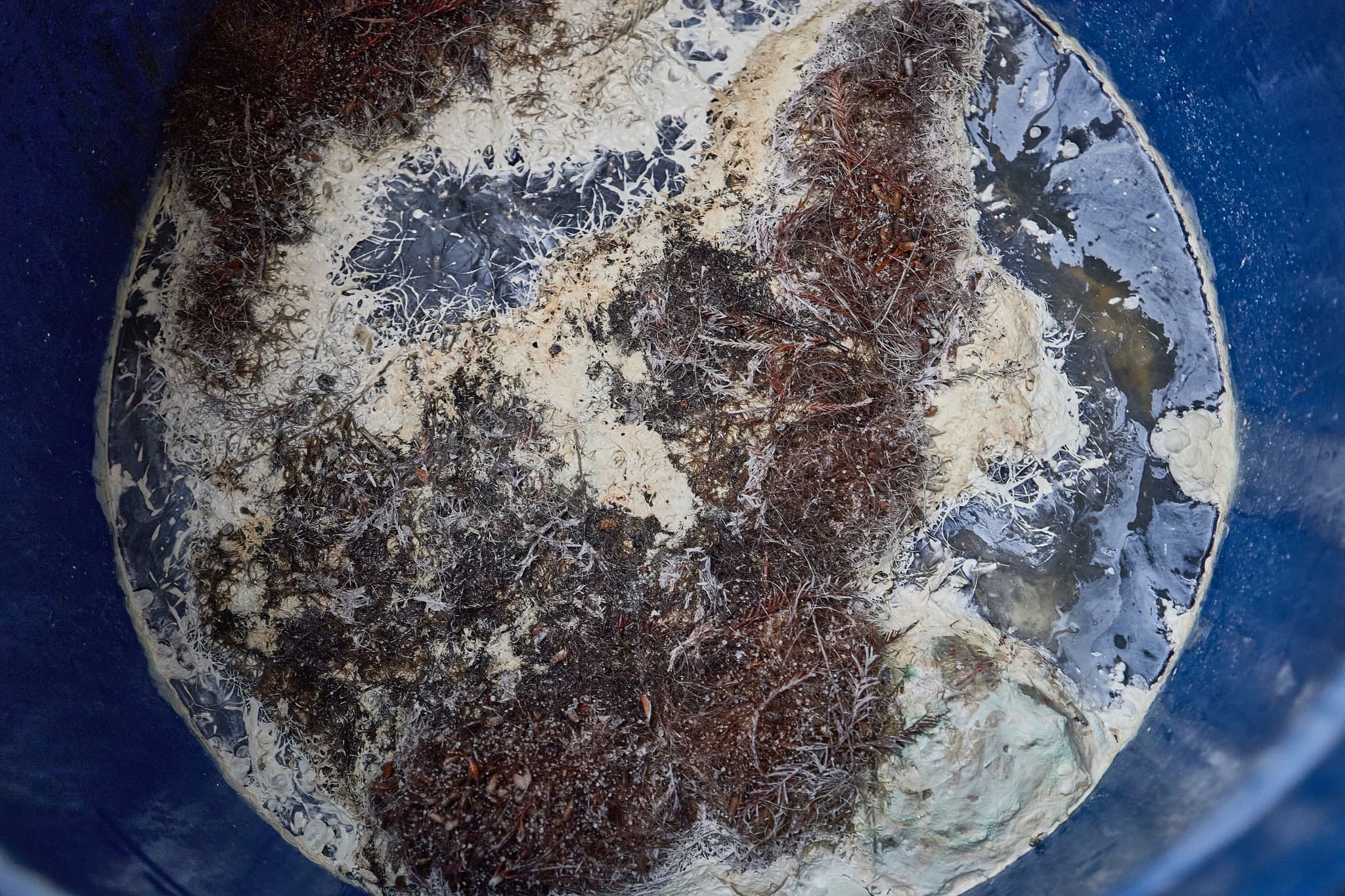
Photo: Ginnette Riquelme Quezada
The river behind the house
“Behind my house, there's a river,” Abigail González explains when asked why the Matter of Trust project has caught her attention. “Years ago, people could go to the bathroom. Now it's a sewage river.”
The young woman, 18 years old and an active member of Group 191 of the Scout Association of Mexico, says that this body of water is known by some as the Alameda River, and that her older neighbors remember the times when you could still take a dip in it.
“It is completely contaminated from start to finish, particularly because companies arrived that connected their pipes to dispose of dirty water,” he says of the stream, one of those that flow into the Tlalnepantla River, in the State of Mexico, a river course of approximately 60 kilometers that, like many others, has paid for the modernization of the country by becoming a landfill for industrial and domestic waste.
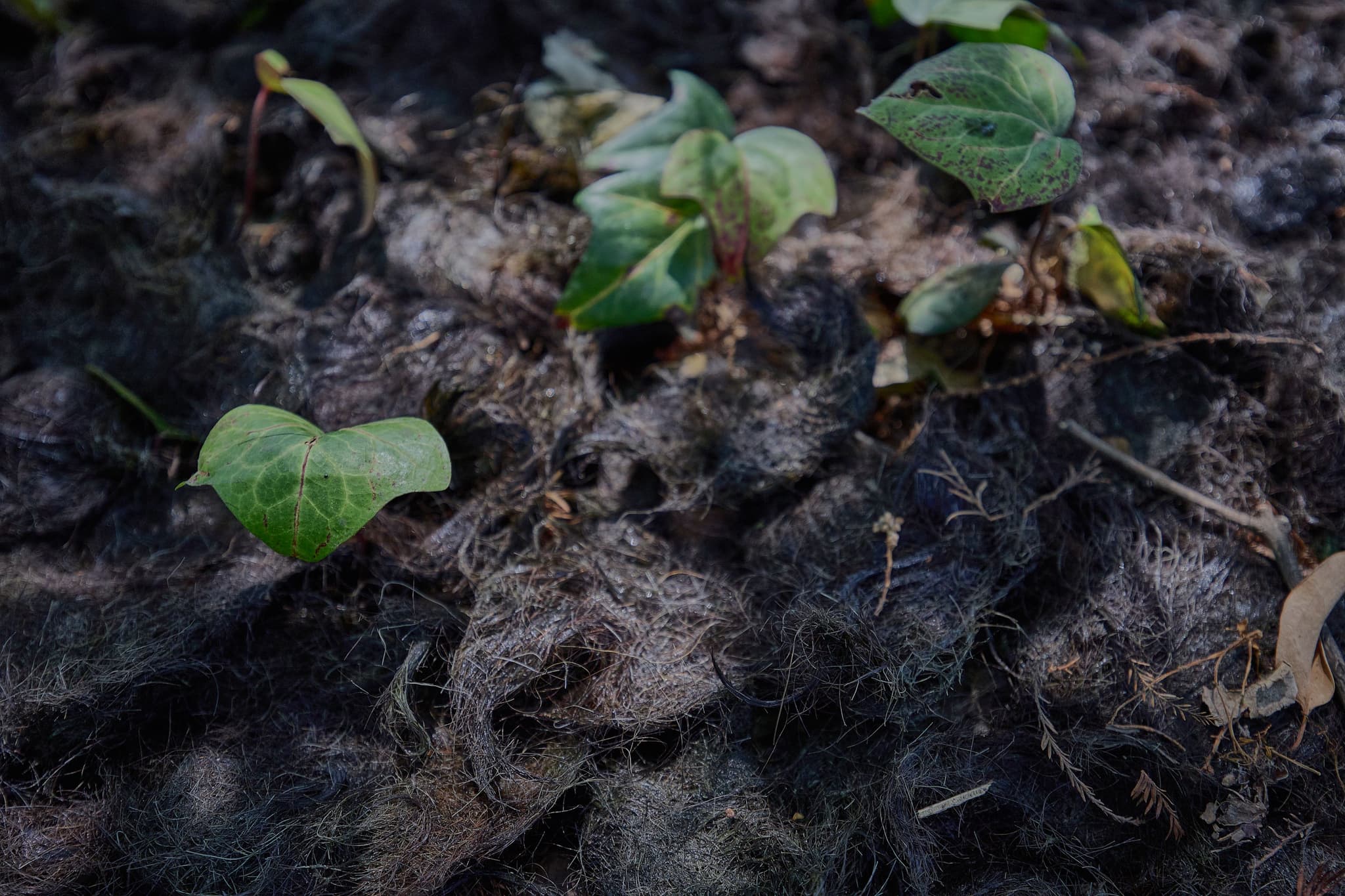
Photo: Ginnette Riquelme Quezada
Someday, Abigail would like to see it cleaned up. With that in mind, she has participated together with her fellow scouts in Matter of Trust activities. In addition to following all the stages of installing the booms on the Botanic Garden channel, he also visited his workshop. There he discovered the operation of the machine that Soto Candia and Carenini use to press hair, as well as the manual separation processes of hair fibers that are also required to create the different devices.
All of that resonated with him. In the 10 years he has been participating in scout camps, he has returned time and again to natural areas, observing first-hand their degradation and pollution process.
“It doesn't just depend on water, but on all the environments that surround the people who live with those bodies of water,” he reflects. “Although it's not easy, it's something that has to be considered on a large scale and little by little, with these initiatives, we can combat that process.”


Comentarios (0)