
The Security, Energy and Environment Agency (ASEA) must rescind the environmental authorization of the AMIGO LNG project, which involves the construction of a liquefied natural gas (LNG) terminal in Guaymas, Sonora.
The order stems from a court ruling that determined that the agency failed to comply with a suspension in granting the permit while a measure was in effect that prevented progress with the environmental assessment.
Notified on October 14, the resolution establishes a 24-hour deadline for the agency to comply with the order and provide supporting documentation. It also involves stopping the progress of the works and keeping the Environmental Impact Assessment Procedure (PEIA) suspended, according to the Mexican Center for Environmental Law (CEMDA).
Last March, CEMDA obtained a provisional suspension and, later, a definitive one to stop public consultation of the environmental assessment procedure of LNG AMIGO. The measure sought to prevent ASEA from resolving the environmental viability of the project while reviewing the conditions for access to information and citizen participation.
The agency granted the environmental impact authorization in April, but it was released until last August, when it was published by Causa Natura Media. In May, the ASEA assured a judge that it had not granted any permission, so the CEMDA promoted an incident for non-compliance with the judicial measure.
In resolving it, the court determined that ASEA should leave the environmental resolution inexistent. This means that the authorization loses legal validity and that the agency must formally prove that it complied with the court order.
María Inés Pérez Centeno, a lawyer for CEMDA, explained that suspensions in environmental matters seek to prevent irreparable damage to ecosystems and protect human rights during the processing of lawsuits.
In the case of LNG AMIGO, he said, the measure seeks that the authority does not determine the environmental viability of the project until it is established if the necessary information about its impacts was made available to the public and if there were conditions for people to participate in a free, timely and informed manner.
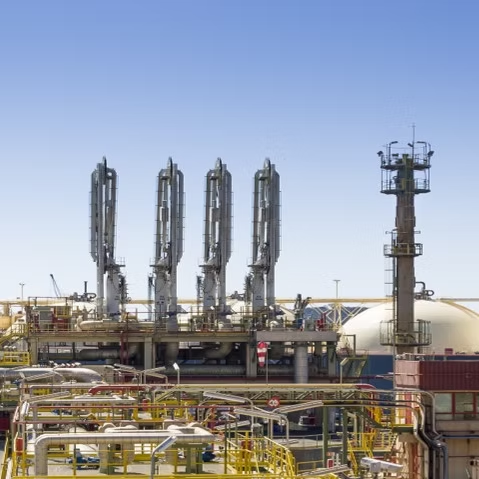
Environmental Information and Public Participation
The Environmental Impact Assessment Procedure allows authorities to analyze the consequences that a work or activity may generate on the environment. To this end, the Environmental Impact Statement (MIA) gathers technical information on the possible effects of the project and the measures envisaged to prevent, mitigate or compensate them.
This document also constitutes a tool for communities to learn about the characteristics of a work, to examine its possible impacts and to formulate observations during the public consultation.
According to CEMDA, the public version of the MIA of the AMIGO LNG Liquefaction and Storage Terminal contains overtested or reserved information. The organization also noted that there are doubts about the deadlines established for the public consultation. Under these conditions, the center promoted judicial action to defend the rights of access to information and citizen participation, recognized in the Mexican Constitution, the General Law on Ecological Balance and Environmental Protection (LGEEPA) and the Escazú Agreement.
The court decision once again places under review the procedure by which ASEA evaluated the environmental viability of the terminal. For the process to move forward, judicial determinations related to the suspension and the conditions of access to information and public participation must be addressed.
CEMDA maintained that environmental authorities have an obligation to comply with judicial decisions and ensure that the population has clear, complete and accessible information to intervene in decisions that may affect their environment.


Comentarios (0)