
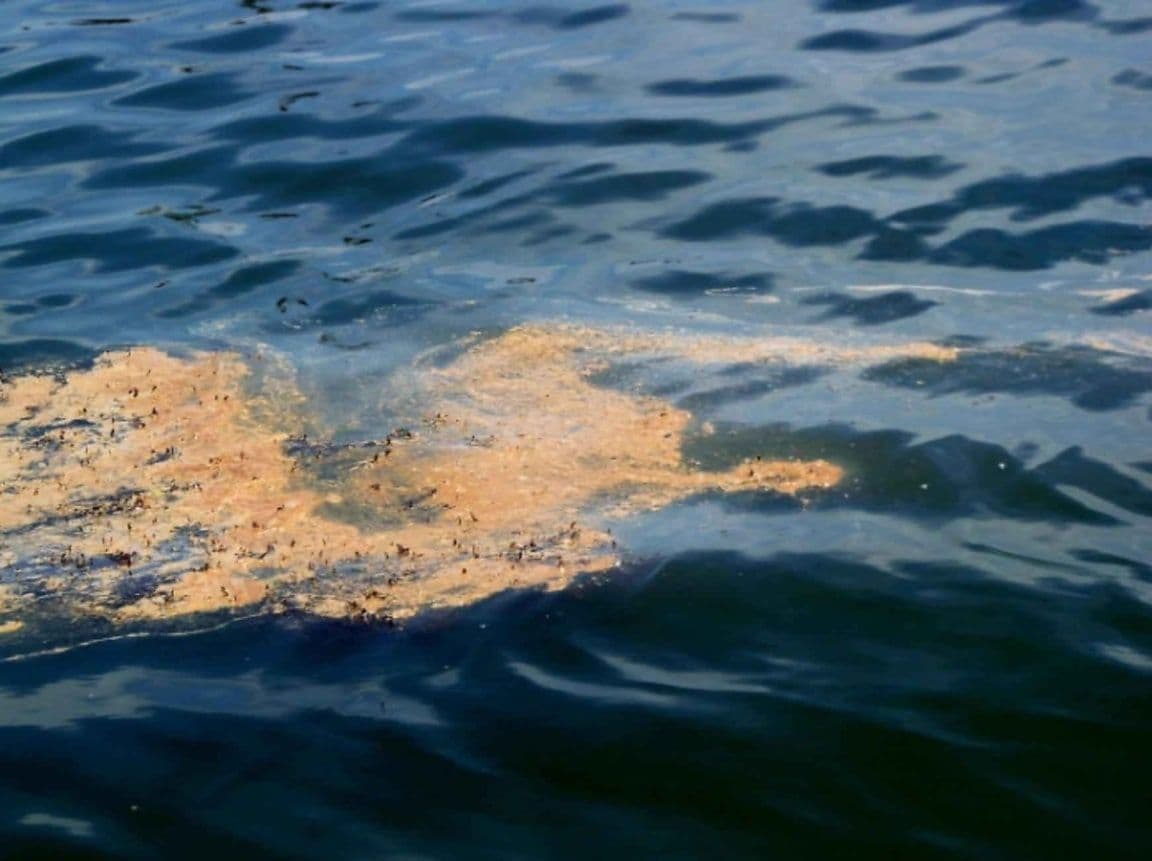
Scientists from the Permanent Observatory of the Gulf of Mexico detected an oil slick at Pemex facilities, originating 46 nautical miles off the coast of Campeche, which maintains an offshore displacement.
According to a statement signed by the coordinator of the Permanent Observatory of the Gulf of Mexico, Dr. Abigail Uribe, the leak originated in a pipeline and the oil company is working to contain it.
The satellite monitoring of the collegial body, attached to the Secretariat of Science, Humanities, Technology and Innovation, using radar and multispectral sensors, confirms that the hydrocarbon is moving west, temporarily moving away from coastal areas and sensitive areas, maintaining permanent surveillance due to the effects that the climate may generate on marine currents.
In its technical report, the observatory warned that “the exercises aimed at making predictions will continue given the possibility that, in the next 10 days, the drift will change course due to the possible entry of a cold front”.
Contingency plan activated
Faced with the presence of crude oil on the seabed, the Secretariat of the Navy activated the Local Contingency Plan and deployed 255 people, two aircraft, four vessels and the ARM Guanajuato Ocean Patrol for physical containment tasks.
In parallel, the Safety, Energy and Environment Agency (ASEA) carries out inspections and overflights to certify the magnitude of the event, the cleaning tasks and the remediation of the aquatic environment.
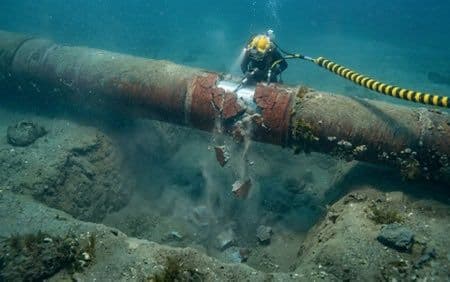
Regarding the origin of the accident, Petrleos Mexicanos reported that the loss of product resulted from a rupture in a submarine pipeline of the Cantarell complex connected to the Ek and Balam platforms.
The company explained that “specialized diving personnel located the point of loss of containment in the duct and began repair work”.
Operational tasks included closing valves, dredging the seabed, removing the concrete cover from the pipe and placing mechanical oleophilic barriers, with plans to complete the metal sealing of the pipeline over the next few days.
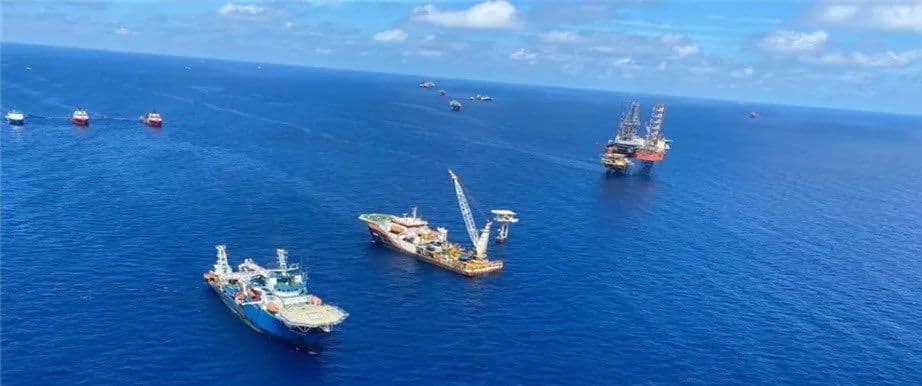
The spill off Ciudad del Carmen is in addition to the leak recorded in July 2023 at the marine facilities of the Ek Balam field.
On that date, satellite images documented the presence of an oil slick in the waters of the Campeche probe, leading to requests for public information and technical reports issued by independent specialists on the state of the hydrocarbon transport network.
The record of hydrocarbons in the Gulf of Mexico had another precedent at the beginning of 2026, with the arrival of oil lumps and oily waste to the coast of Tamaulipas, in the area of Tampico and Ciudad Madero, affecting the activity of fishing cooperatives in the area.
With the rupture reported this September in the Cantarell complex pipeline, there are three episodes of the presence of crude oil in coastal waters and coasts, accumulating inspection reports from the environmental authority and maintenance requests from the affected sectors.


Comentarios (0)