
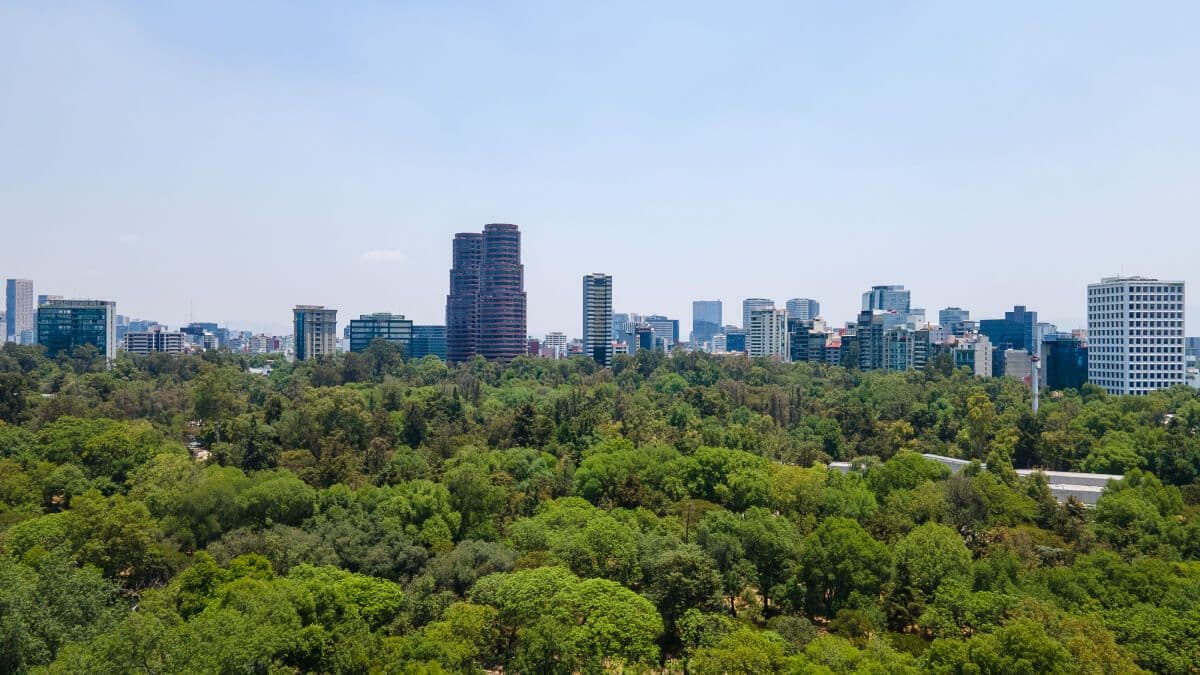
While the rejection of the project to build an Army, Air Force and National Guard Museum in the Chapultepec Forest grew, the Secretariat of National Defense (Sedena) announced that it will rethink its location so as not to affect green areas.
In a press release, the Sedena reported that “in response to some concerns expressed, regarding environmental effects on the environment of the Chapultepec Forest, it decided to rethink the location of the museum and establish it in another military camp that has buildings, without affecting green areas. The new location is yet to be determined.”
This, after even the head of government, Clara Brugada, expressed her disagreement with the project.
“We received a request from the Secretariat of National Defense and the Secretariat of the Environment (Sedema) is analyzing it, and the important thing is that it is an area of environmental value where it cannot be built,” he told the media that they were continuing their activities on Friday, September 25.
“There are other proposals that the Defense has, that is, you can't do it there because it's one of environmental value, but there are other places,” he added.
Neighborhood opposition to the project in green areas
The civil association La Voz de Polanco said in an interview with CN Media, before the Army's statement on the relocation of the museum, that it learned about the project because of information published in the newspaper Reforma and no public consultation was made about the proposal.
“Well, look, we met her just like everyone else, through the newspaper. Because we haven't been asked any questions or anything,” said Mayte de las Rivas, president of the association.
Mayte suggested, as an alternative for the museum, land that was incorporated into the Fourth Section of the Chapultepec Forest instead of the First Section, as planned by the Army. He recalled that the Sedena transferred an area located above Constituentes and that space has built facilities.
“There yes, well it could, there it is already impacted. In fact, there is a museum there and there are some wineries, there you can build what they want, but then we are not going to allow more construction in the forest, in the green area,” he said.
The organization has a tree care campaign that, according to Mayte, began approximately eight years ago. The actions focus on trees affected by mistletoe and borer worms in Polanco and other neighborhoods in Miguel Hidalgo.
“Instead of being innovative in building things, they should start to heal all the trees. Because I'm going to tell you one thing, in Mexico City there is a very strong mistletoe problem,” Mayte said.
Decades of disputes over Chapultepec
In 2017, during the administration of Miguel Ángel Mancera, La Voz de Polanco intervened in a dispute over a space in the Chapultepec Forest where, years before, the El Rollo amusement park was located.
“They wanted to give it to a private company that was going to set up a school. In exchange for that they will clean and maintain. We took out a budget and told him: 'You don't need more than 4 million pesos for this. How are we going to hand over the Chapultepec Forest to private individuals, just because you say you can't keep it?” , Mayte Rivas recalled.
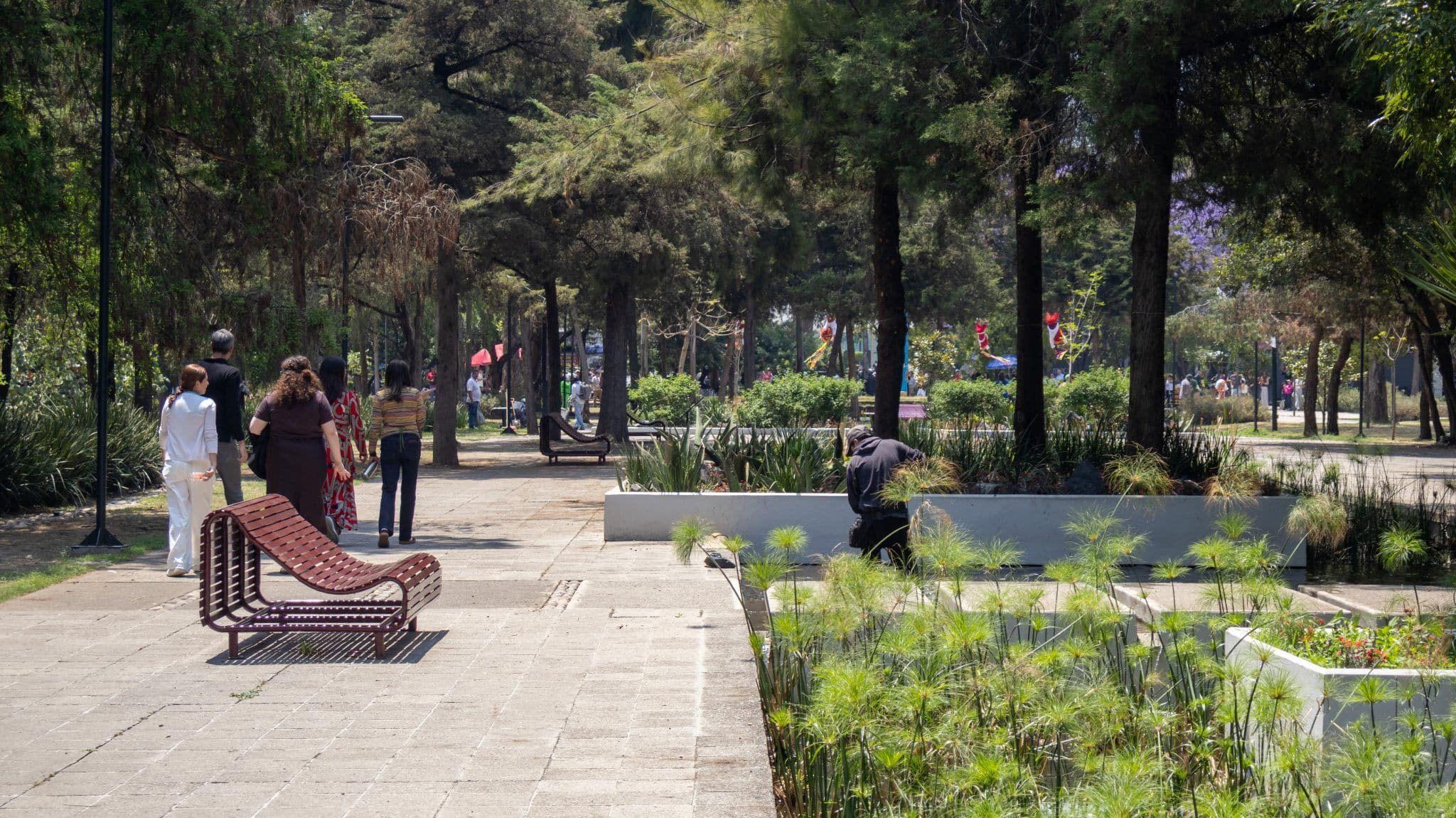
The Chapultepec Forest is recognized by Sedema as an Area of Environmental Value under the category of Urban Forest. The Management Program published in 2024 comprises the four sections and establishes measures for environmental and water restoration.
Between 2019 and 2024, the Chapultepec Management Program recorded the removal of 118,715 square meters of asphalt and concrete, the planting of 200,000 specimens of vegetation and the rehabilitation of 11,950 square meters of water bodies and springs.
Within the Chapultepec Forest itself, the document records 24 wetlands, two lagoons and 209 works aimed at managing runoff and soil erosion for the Dolores and Barrilaco ravines. It also records work on the forest's sanitary and rainwater lines.
The Sedena proposal envisaged an area of 55,624 square meters for the military cultural complex, which would include the Army, Air Force and National Guard Museum and the National Center for Military History, with exhibition spaces, auditorium, library, historical archive, workshops, staff accommodation and parking lots.


Comentarios (0)