
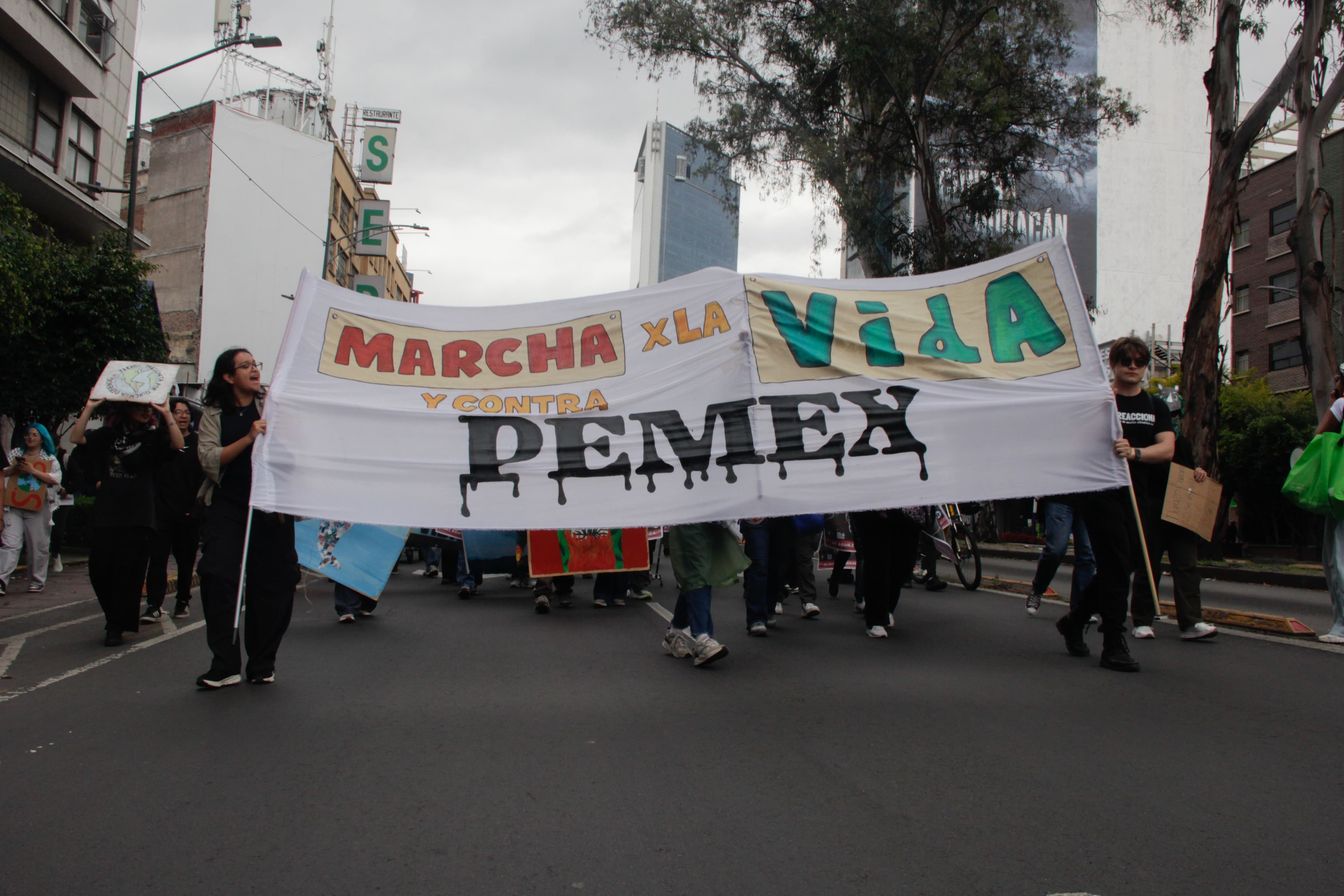
Young people, environmental organizations and collectives marched against Petrleos Mexicanos (Pemex) to demand a ban on fracking in Mexico, a popular and comprehensive audit of the oil company's debt and the repair of environmental damage in communities affected by hydrocarbon extraction.
The mobilization started at the offices of the Ministry of Energy (Sener), made a symbolic stop in the Senate of the Republic and ended at the Executive Tower of Pemex, where representatives of the convening organizations presented their demands and denounced the impacts of the energy model based on fossil fuels.
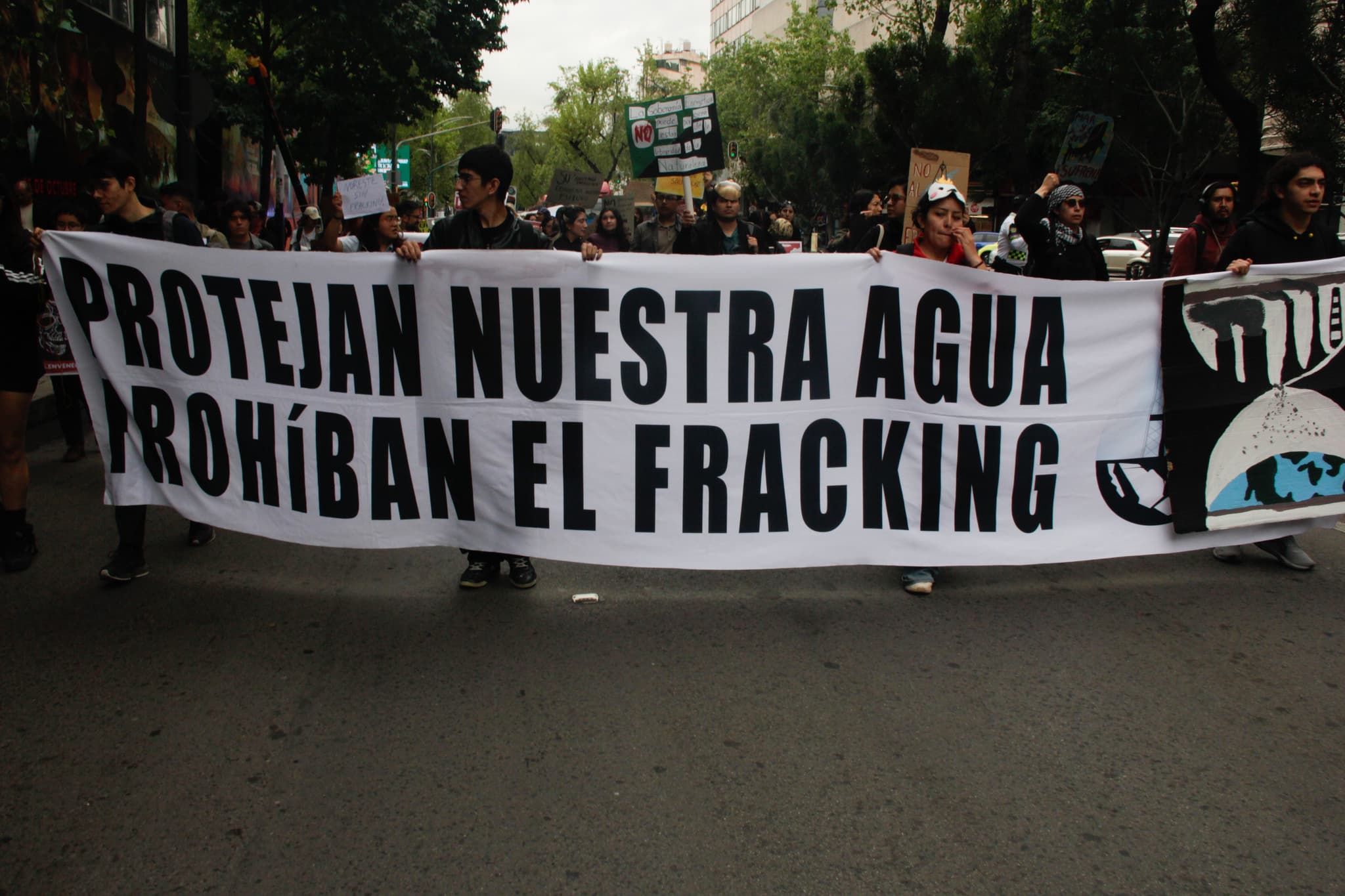
“What we have to do is leave that adultism or ageism behind and just begin to unify ourselves by a single struggle, which is the fight for Mother Earth, because it is the mother of all struggles,” said Sacnite Acosta Hernandez, co-founder and co-leader of LEGAIA and member of Debt X el Clima, groups that participated in the call.
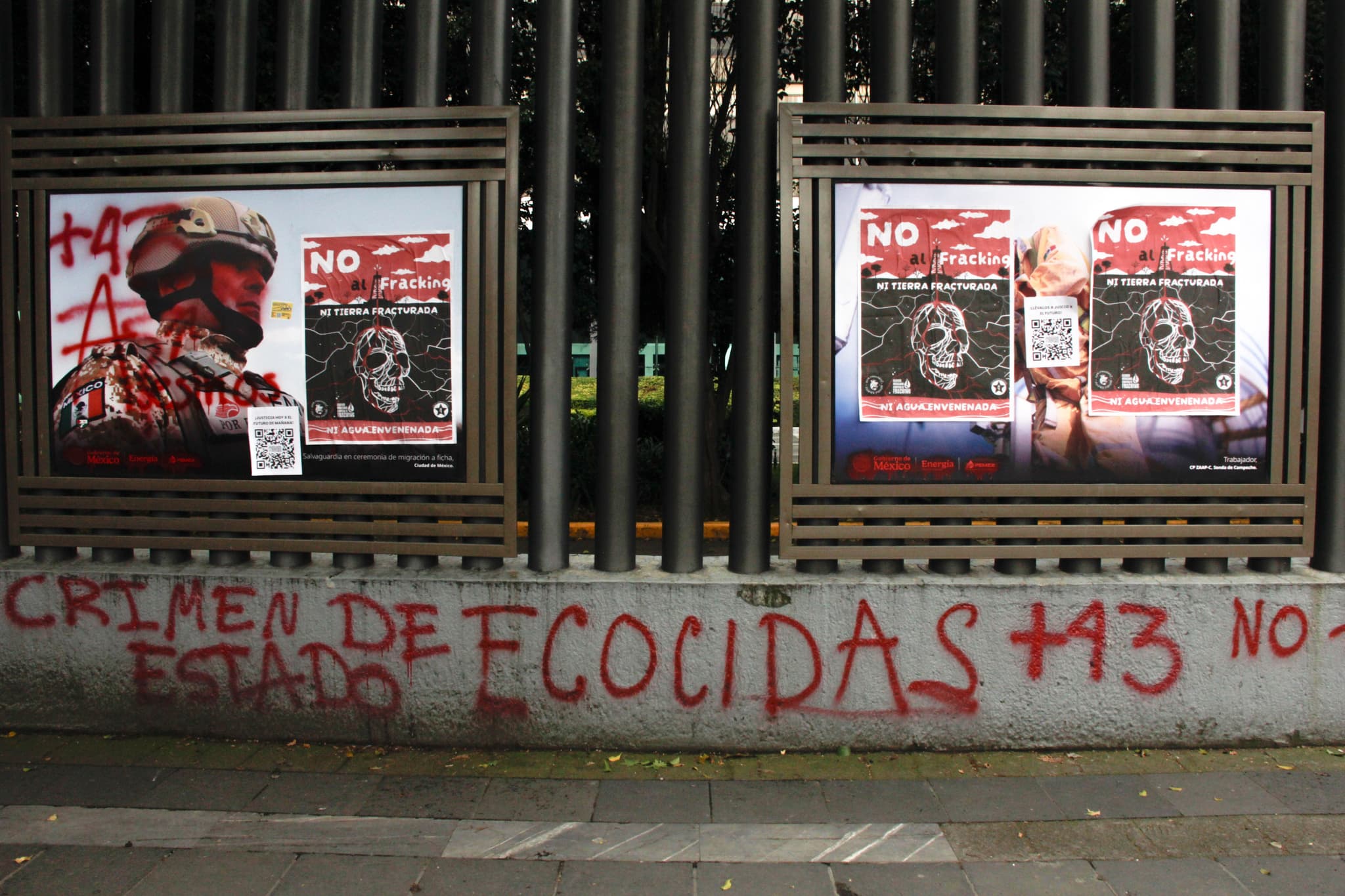
Acosta explained that the organizations are seeking a total and legal ban on hydraulic fracturing, a technique for extracting unconventional hydrocarbons that requires large volumes of water and uses chemical substances. He also raised the need to audit Pemex's debt to examine its effects on resources allocated to sectors such as health, education, environment and energy transition.
The activist pointed out that another of the demands is comprehensive reparation for damage caused by spills, fires and leaks, as well as the monitoring of commitments related to schools near the Olmeca refinery, in Dos Bocas, Tabasco.
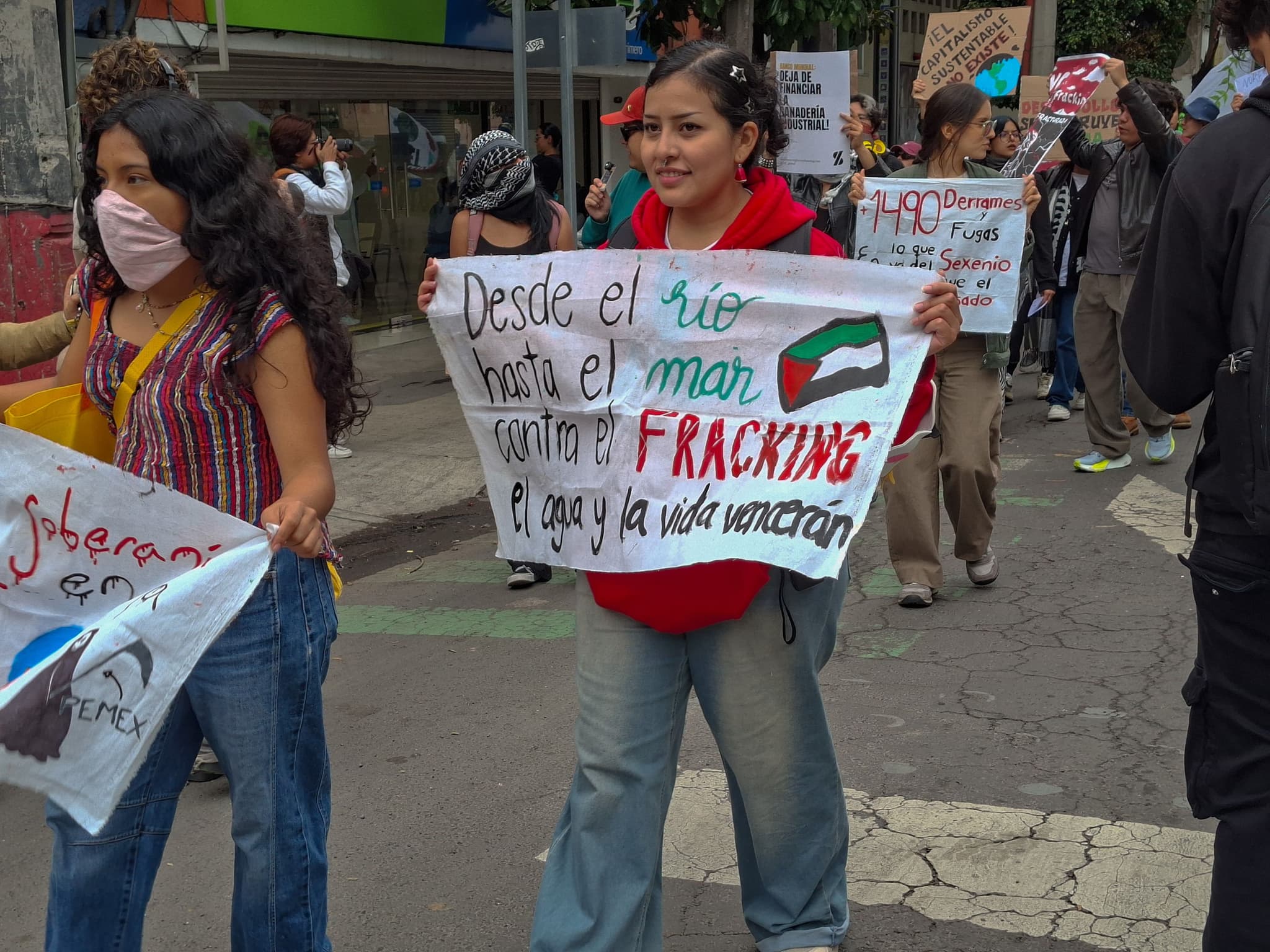
During the day, Karina, a young woman from Nuevo León who closely follows the fight of Northeastern Without Fracking, warned of the risks that hydraulic fracturing represents for water bodies and communities in the Burgos basin.
“Let's remember that in Nuevo León we had a tremendous water crisis and that basically fracking also depends not only on these wells or large areas, but it can also affect large bodies of water and all territories, all the people who depend on them,” he said.
Karina also questioned the polluting emissions from the Cadereyta refinery and asked that information on audits and environmental requirements be accessible to citizens. “As citizens, we don't have to submit a request to the national transparency platform, but rather that these are open documents,” he said.
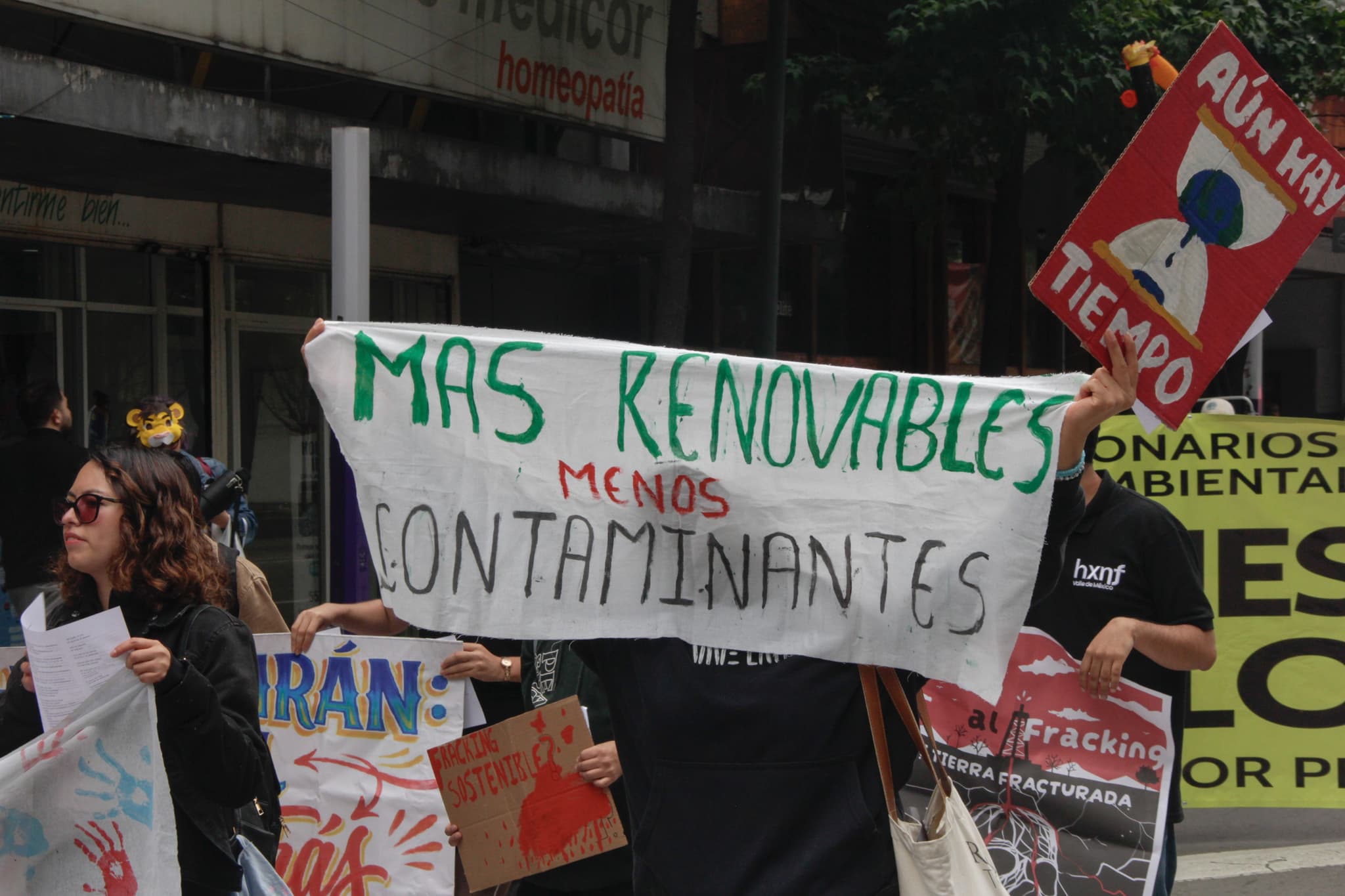
Among the participating organizations was the Laboratory of Transpolitics of Habitat A.C. (Transhábitat), a collective that integrates dissent in the defense of the territory and the accompaniment of environmental struggles.
Karina, a member of the organization, linked this work to the rights of individuals and communities: “As LGBT people, as dissidents, individuals and young people, we have this duty to protect the land and the territory.” During a brief for Causa Natura, he also questioned Pemex's lack of transparency regarding its greenhouse gas emissions.
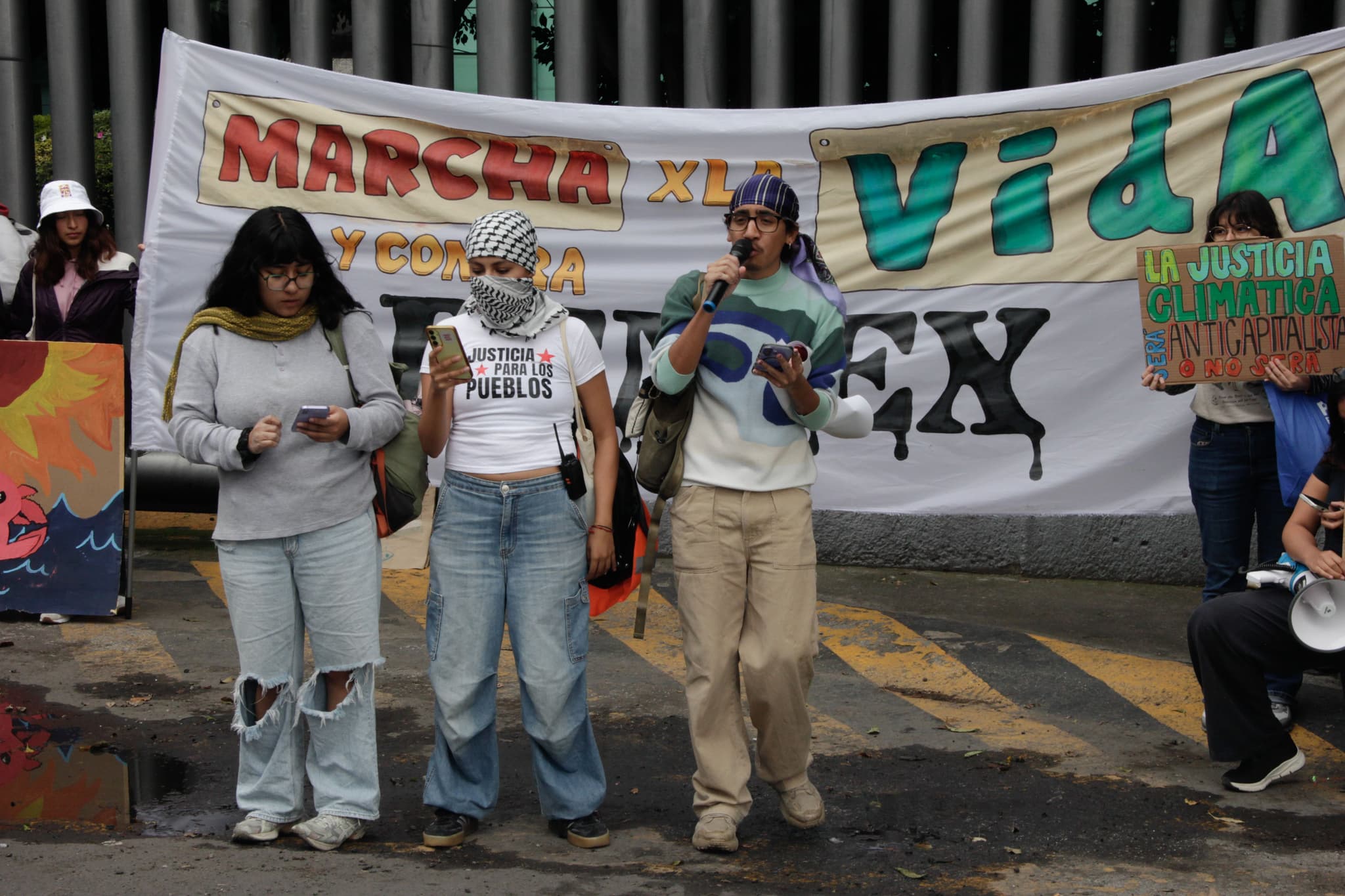
The participating groups demanded the publication of the National Energy Transition Strategy, the protection of communities affected by oil activity and an energy policy that prioritizes water, health and renewable energy.
More than 25 organizations and collectives participated in the mobilization, including the Mexican Alliance Against Fracking, Debt for the Climate and Hackers for Our Future and the Alliance Against Inequality Mexico (known in English as Fight Inequality Alliance Mexico), which joined the demands of environmental justice, transparency and a just energy transition.
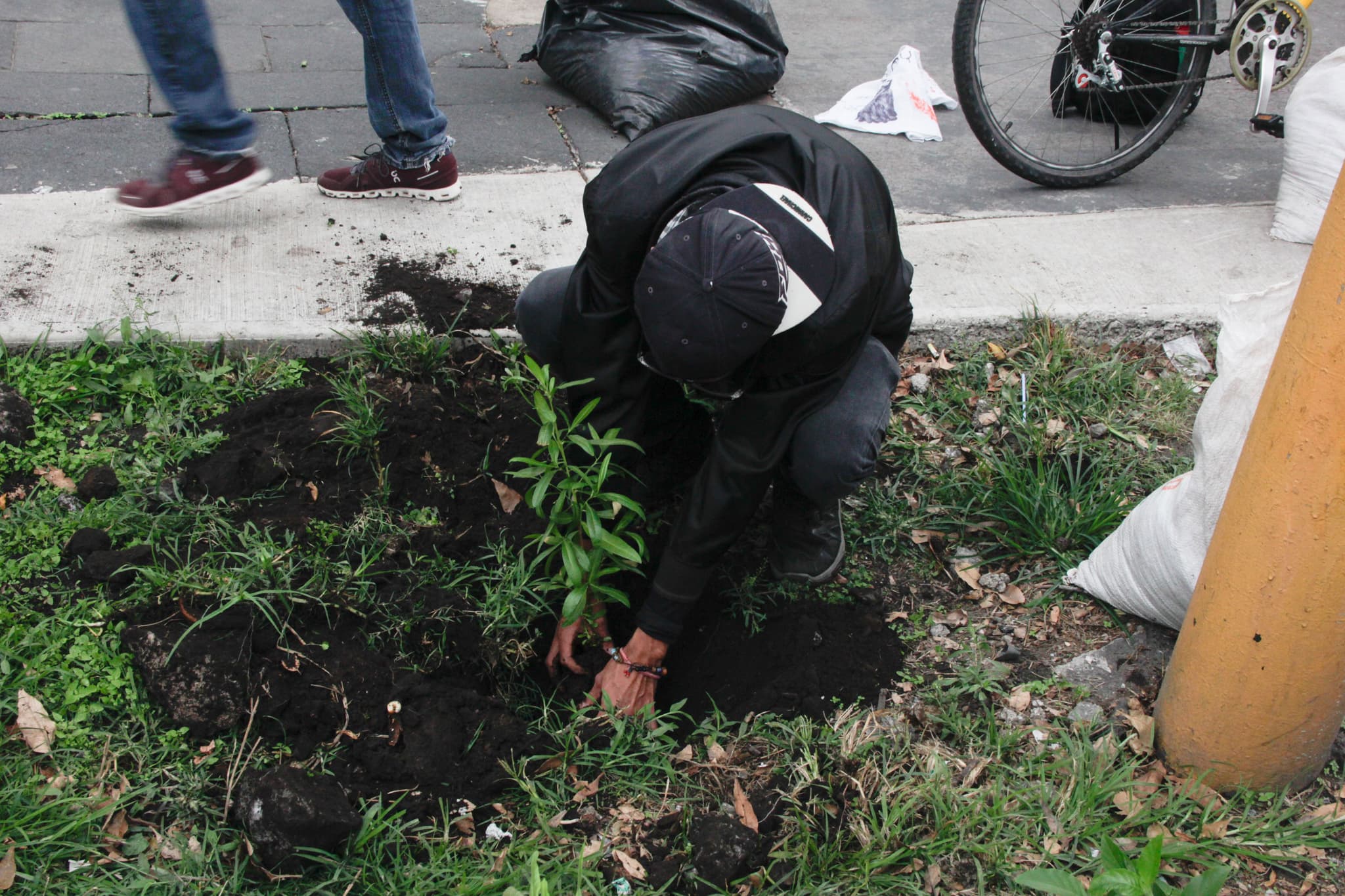
At the end of the mobilization, the groups carried out a symbolic plantation in front of the Pemex facilities as an act of protest and defense of the territory. The intervention included species native to the region, such as chapulixtle, mesquite, tepozán, plantana and muicle.


Comentarios (0)