
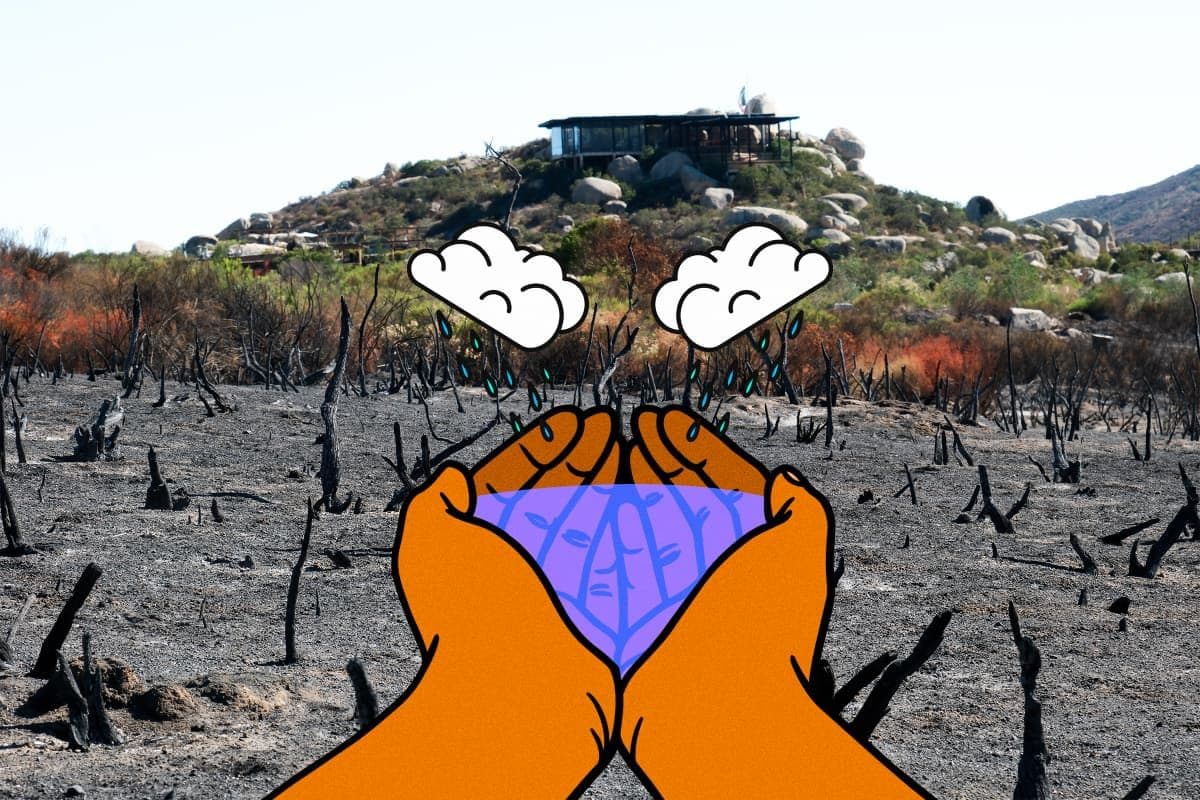
There is nothing more important at 8 tomorrow in San Antonio Necua, a Kumiai community north of the Guadalupe Valley, in Ensenada, Baja California, than preparing to receive water.
For a space of two hours, from 8 to 10, the houses in this community of around 80 families, which are connected to the town's well, will receive limited liters of water.
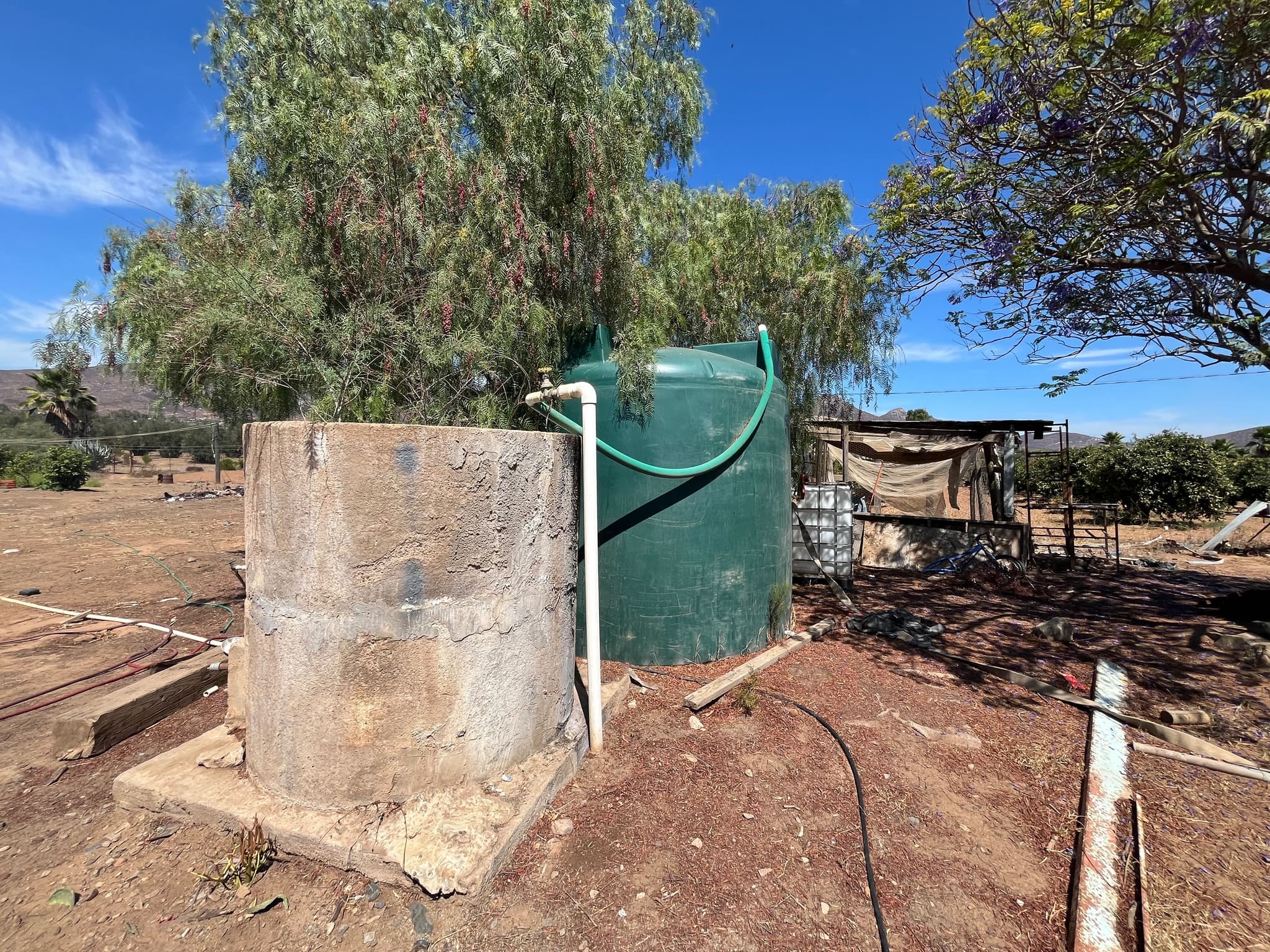
Those who have water tanks fill them to the top; those who rely on batteries, fill them up to the last drop. The water runs for that limited period until the town's storage battery is emptied. Then, the commissioner closes the faucet and everyone will have to wait the next day to get their fill of the liquid again.
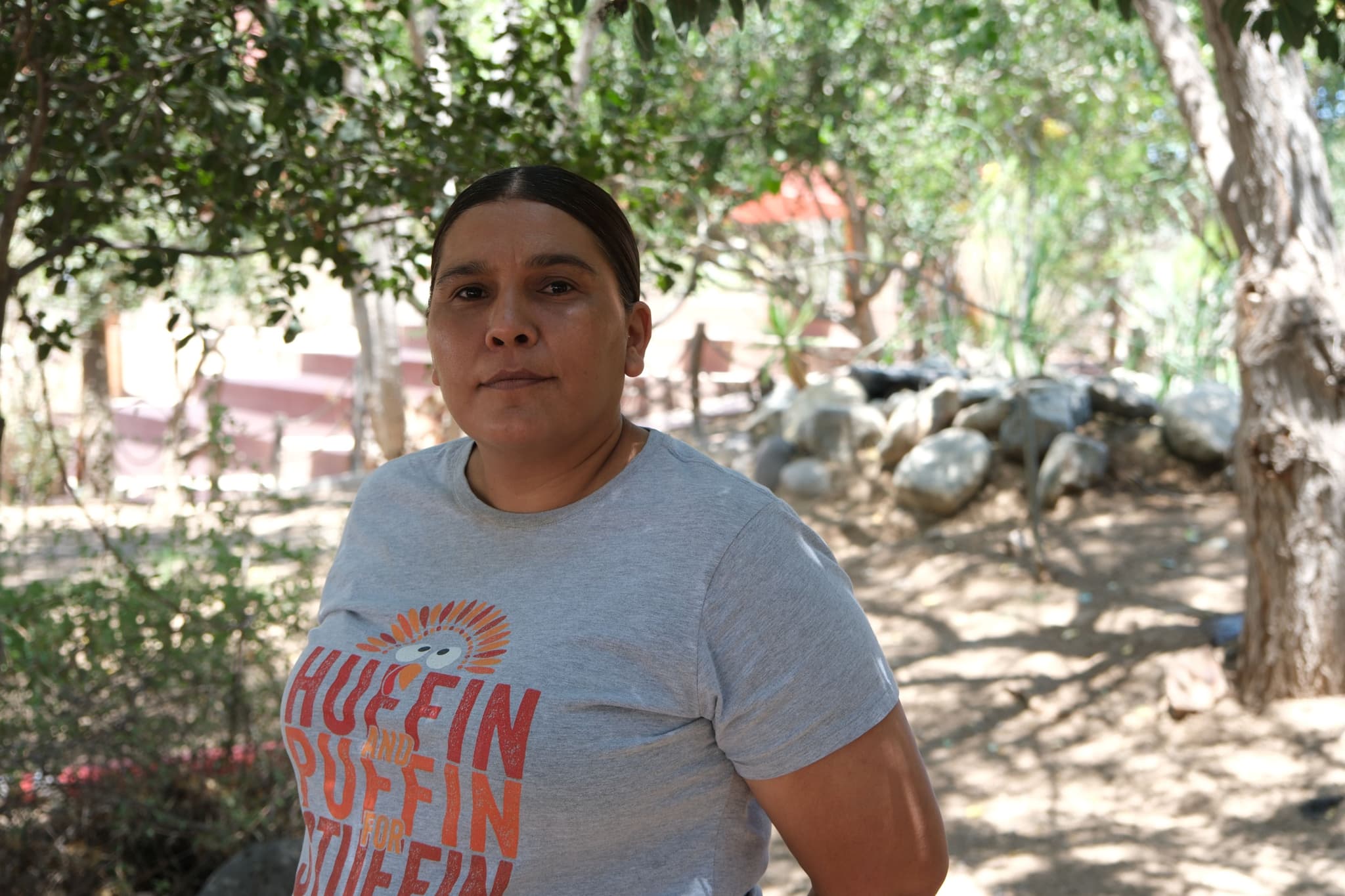
Gone are the days of abundance that Paola Cerna remembers from her childhood. She is a Kumiai woman who helps coordinate activities at the Siñaw Kuatay tourist center.
Unlike others from her land, who emigrated, Paola decided to stay in San Antonio Necua: she has lived there her entire life. His memory of the community is as clear as water. The story of San Antonio Necua is a water story that is constantly repeated in the Guadalupe Valley, Baja California.
Recognized as the most important wine valley in Mexico, beyond the hectares of grapes and olive trees are urban centers with a population where more than 4,500 people work in the agricultural sector. El Porvenir, Francisco Zarco and San Antonio de las Minas, —which number more than 8,000 inhabitants, according to INEGI—, have historically lived under a situation of structural backwardness.
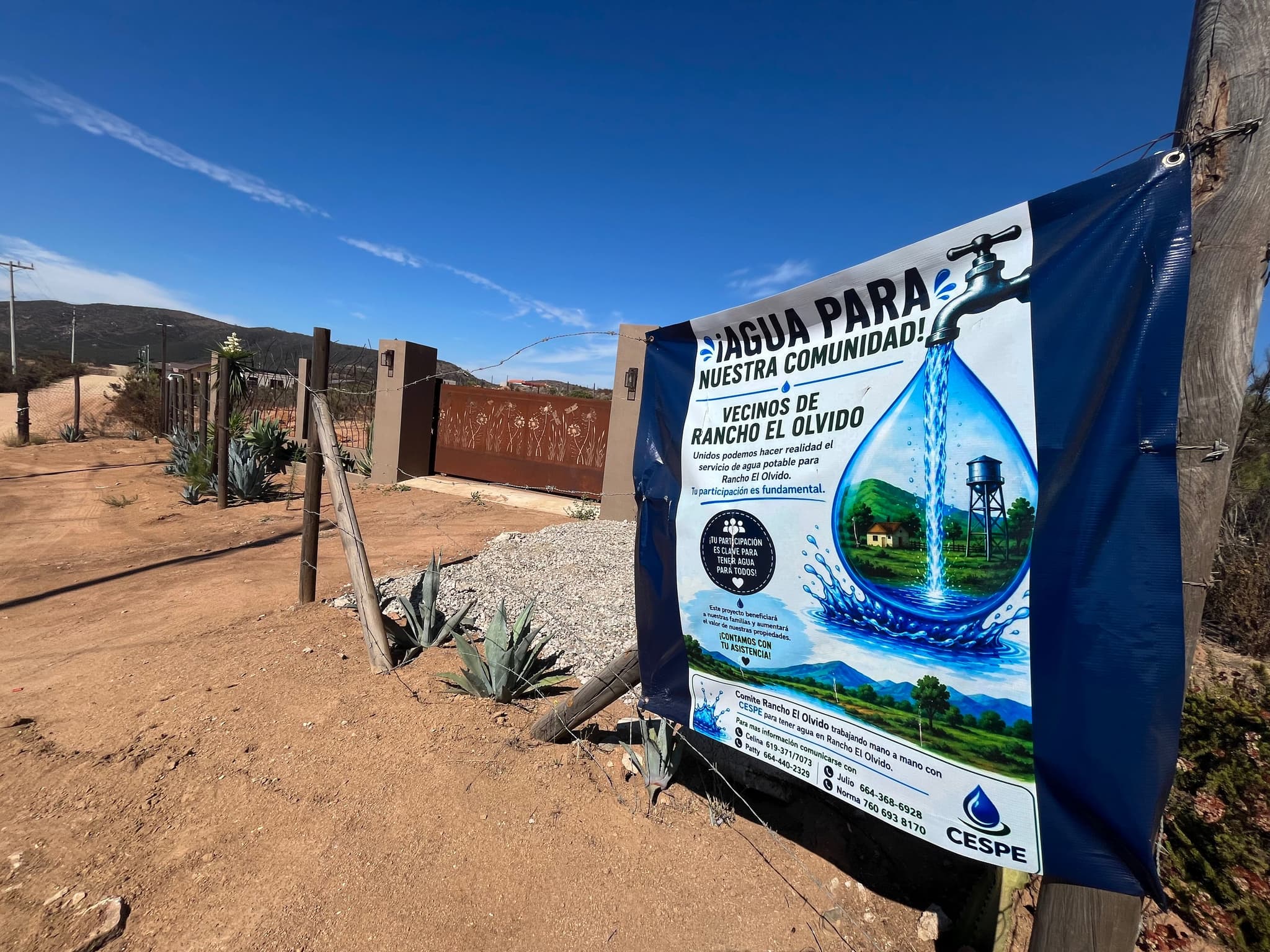
The availability of piped water from the public network, according to the Comprehensive Water Program of the Municipality of Ensenada, reaches 72% of homes in El Porvenir, 74% in Francisco Zarco and just 55% in San Antonio de las Minas. One way or another, everyone knows that water in the Guadalupe aquifer is scarce.
Under water pressure, some residents of San Antonio Necua believe that new wells would solve the supply problem, an argument that Paola questions: “There is always the thrill of the new well, yes, but it's not the solution, because first you drain here, then there and then somewhere else. It's a vicious cycle.”
Paola is certain that the only way left for them is to learn to use and care for the water they receive. Support each other, talk to the neighbors who waste it, convince them to tend to their water tanks when they spill water for lack of a float and to close the hose if they are not using it. Also, motivate more people to invest in water tanks, not to run out of water during deliveries. “Pay the fees, store and take care of the water that comes to you,” he sums up confidently.
Real estate pressure on the aquifer
The operators of the machinery obeyed the ejidatario stubborn to build on the slopes of their property. They extracted the chaparral and opened roads up the slope of the Sierra de San Antonio, south of the Guadalupe Valley.
The undeniable beauty of the landscape would be the main attraction of this tourist real estate project, one that, paradoxically, would destroy part of that same landscape composed of native flora that not only embellishes the spectator at no cost but also captures and infiltrates water into the aquifer.
“You immediately notice a new real estate project, here we live, every day that passes the landscape, on our horizon, has more marks, more wounds. When looking at a new wound, one asks the question, where is this?” , says Axel de la Torre, a member of the civil association A Valley of Truth.
In recent years, this citizen association has become the most active promoter for the preservation of the landscape and the agricultural vocation in the Guadalupe Valley. The group's actions include filing complaints about works that could violate municipal zoning regulations.
“We received complaints via WhatsApp or to the Instagram and Facebook accounts of A Valley of Truth. We quickly found out everything that happens on the map because there is an alert citizen network. Literally, with your eyes open,” explains the land defender.
With sufficient photographic documentation, the civil association For a Valley of Truth filed a complaint against the person responsible for the tourism project before the office of Urban Administration, Ecology and Environment of the Ensenada city council, which motivated, on January 23, 2026, the temporary suspension of the work when it found that he lacked the necessary environmental permits to dismantle on slopes.
The real estate project completely ignored the Zoning and Land Use Regulations of the Sectorial Program for the Urban-Tourism Development of the Wine Valleys of the Northern Zone of the Municipality of Ensenada, in which it clearly establishes areas of Piedmont as conservation areas, where buildings and road openings must have an Environmental Impact Assessment validated by the Metropolitan Institute of Research and Planning of Ensenada (IMIP).
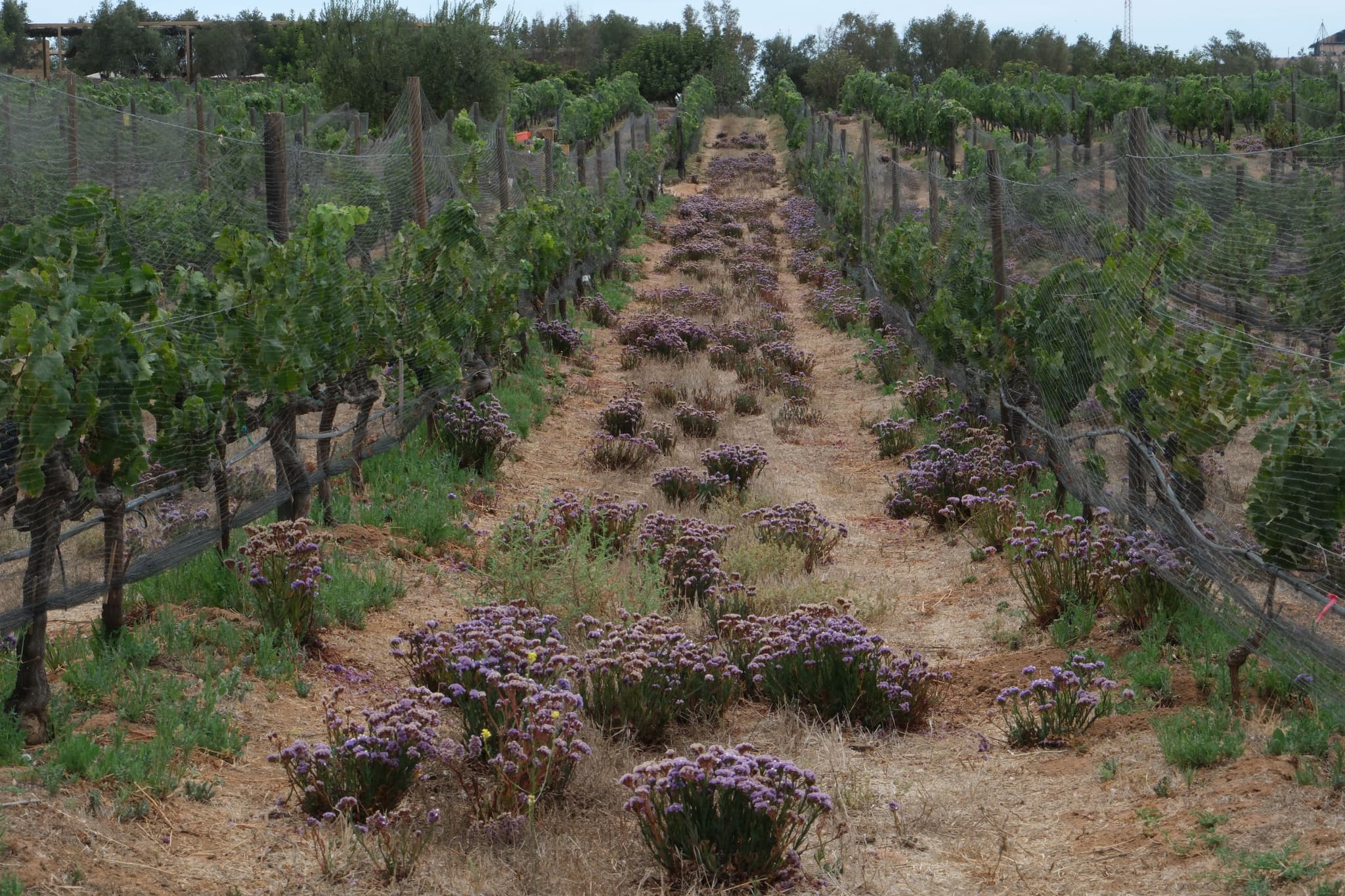
This case, as in others, is of great concern to residents of the Guadalupe Valley. Many, like the activists of For a Valley of Truth, are clamoring to defend the landscape and the agricultural vocation as the founding pillars of this popular Baja California destination. But it is precisely this international fame that works against him.
More and more people arrive from outside who want a piece of the valley, of their “Mexican Tuscany”. Those who aspire to the rural dream bon vivant have set fire to a real estate sector that is moving forward eagerly in various areas of El Porvenir and San Antonio de las Minas, where it is common to find tarps advertising the sale of land that, from costing 2 dollars per square meter in 2005, now reaches a price of up to 300 dollars per square meter in 2026.
Axel de la Torre estimates that around 10 real estate projects are progressing in the valley, recognizing that these are the identifiable ones, since surely others, smaller in size, go unnoticed until they install the front door veneer. Hectare by hectare, agricultural land loses the battle against real estate speculation.
The trend, according to the Sectorial Program for Urban-Tourism Development of the Ensenada Wine Valleys, points to a reduction of up to 80% of agricultural hectares, while the number of visitors tripling, in the next 30 years.
Faced with persistent development, the big question is to what extent will the Guadalupe aquifer, the only body of water that supplies the population and economic activities of the valley, be able to bear the burden. According to the report on the Update of the Average Annual Water Availability in the Guadalupe Aquifer, published in 2024 by the National Water Commission (CONAGUA), the aquifer has 1,355 groundwater uses, 348 wells, 983 noria and 24 springs, with an extraction volume of more than 21,700,000 cubic meters per year.
Of the total, the agricultural sector uses more than 13 million m³ (60.4%), public-urban use obtains more than 7 million m³ (34.6%) and the rest of the activities above 1 million m³ (5%). With measurements and the sum of concessions registered in the Public Water Rights Registry (REPDA), together with the volumes in the process of registration and titling, those corresponding to reserves, regulations and water programming, it was possible to obtain the volume of the Guadalupe aquifer in 2024:
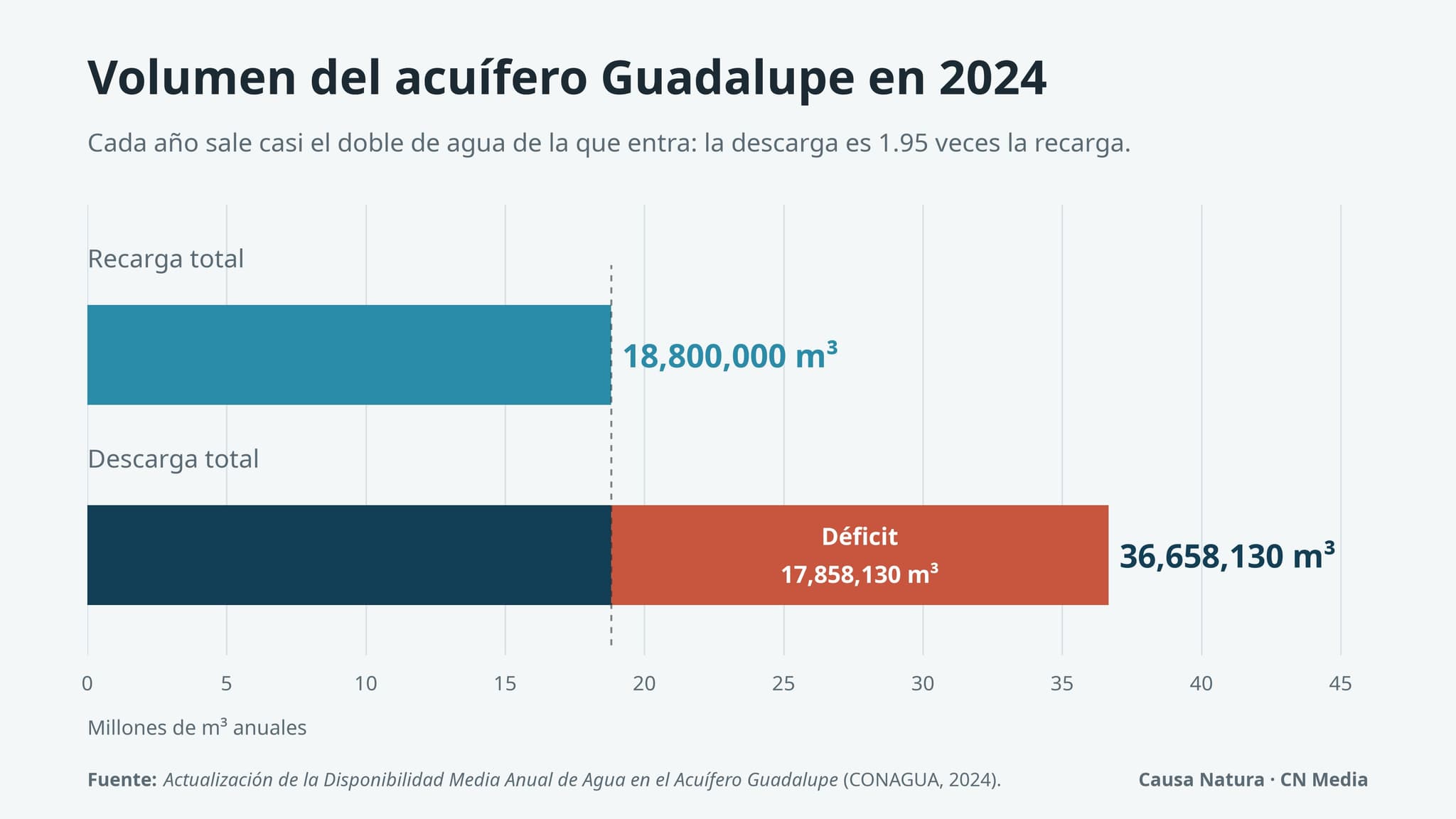
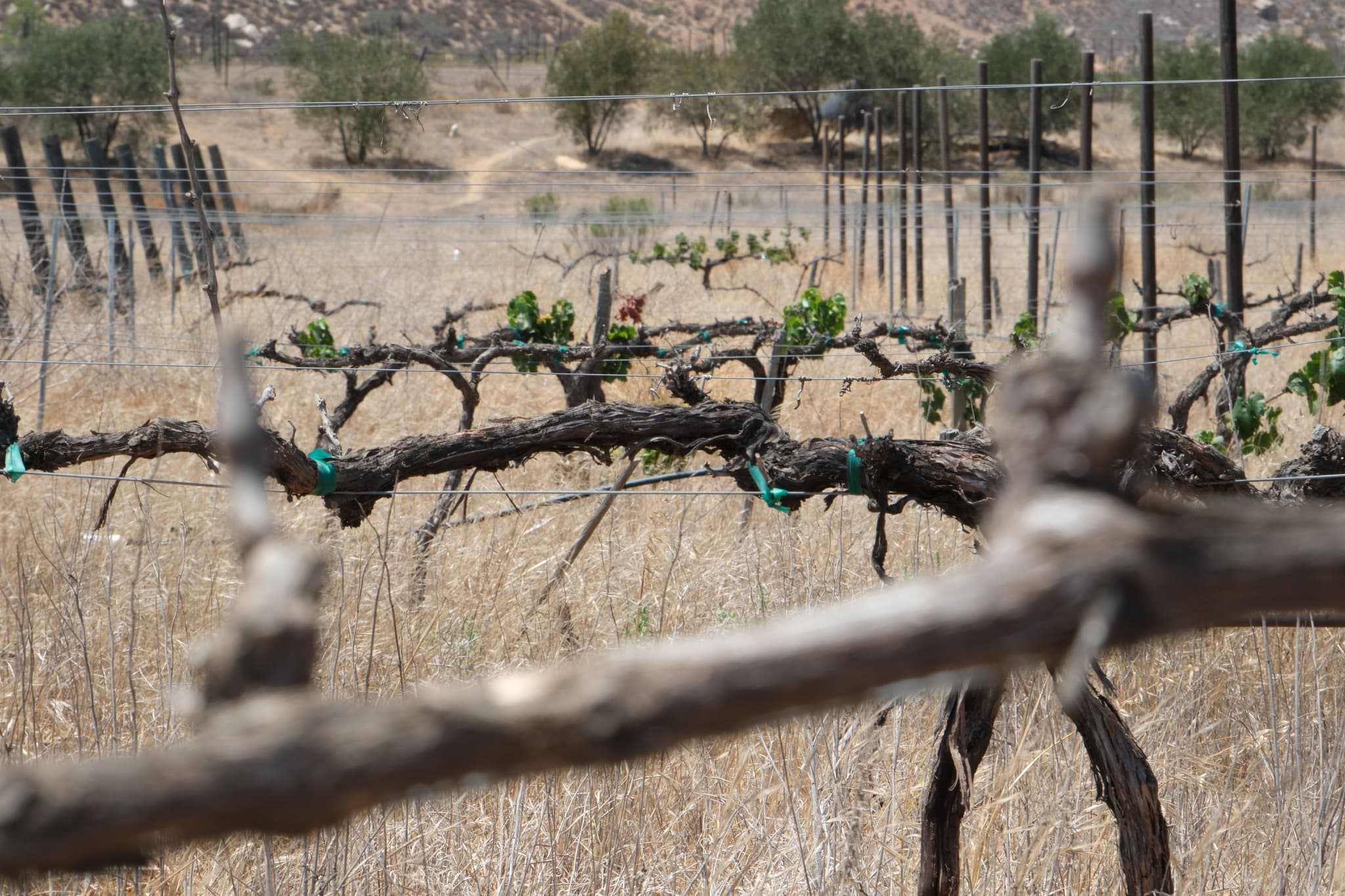
The result is far from hopeful. The deficit of 17,958,130 m³ per year affects the entire Guadalupe Valley. The CONAGUA technicians are categorical in their report: there is not enough volume for new concessions. Under these flows, according to official data, the total depletion of the Guadalupe aquifer will reach them in 2032.
Aquifer Agreements
Around the tables of the ejidal hall, more than 15 members of the community of San Antonio Necua congregate with academics who belong to the Guadalupe Observatory. Each one shares their reality, of how they live with scarcity.
In turn, they listen carefully to the information presented by the multidisciplinary group: about the extension of the Guadalupe sub-basin, the ditches that form the aquifer, the water cycle that feeds it, the runoff on slopes and the discharges that keep the region economically active. They also understand the water deficit: they confirm with scientific data what they are already living.
This Water Workshop is part of the activities of the Aquifer Agreements promoted by the Guadalupe Observatory, a group that since 2019 seeks to bring answers from scientists and researchers to the questions of the Vallecina population. More than 96 collaborators have made it possible to create work spaces with the inhabitants of the Guadalupe Valley, with relevant information that has allowed them to do citizen science and take care of their territory.
This same dynamic of San Antonio Necua was repeated in El Porvenir, Francisco Zarco and San Antonio de las Minas, in addition to specific versions for the restaurant and wine sector. In each workshop, participants show a genuine interest in shared scientific information, a space where everyone can share their way of adapting to change.
“Now that we have presented the results of the Aquifer Agreements, we know that those who live here know about the water problem, and those who visit it, never know about the shortage. The tourist arrives, takes a comfortable shower, he doesn't care if the toilet has a leak, he never understands the problem because he is not let him know; the tourist has the logic that, if I pay, I can spend water, with the deduction that my payment for luxury accommodation always includes water,” explains Dr. Ileana Espejel, in charge of the Guadalupe Observatory project.
“It's different with restaurateurs, they take care of the water because they pay for it. They watch for leaks, use filters and reuse water to irrigate their gardens. The service room is perfectly clear about the price of water,” he says.
“In the same way, wine entrepreneurs have accepted the challenge and adopted new technologies to make maximum use of the water resource. Wine entrepreneurs are perfectly aware of the situation, their investment is there, it's their assets”, he concludes.
Supported by their own data and prediction models, they have been able to present future aquifer scenarios, a little more hopeful than the CONAGUA data. According to their statistics, if the current volume of extraction is maintained, aquifer levels will decrease to critical levels in 2050; if it increases by 20%, the aquifer will be exhausted. The good news: if you start saving 30% from now on, by 2050, the aquifer will recover.
The hopeful thing, as the researcher shares, is that community agreements have emerged from all the Water Workshops, from the same residents of Francisco Zarco, El Porvenir, San Antonio de las Minas and the San Antonio Necua. Commitments of restaurant and wine entrepreneurs to achieve this goal savings.
“In all cases, understanding the reality of the aquifer ended up transforming them, motivating them to face the coming challenge. It's a laboratory of creativity,” Ileana says hopefully.
Everyone is still dreaming of a reclaimed aquifer. Experts from the Center for Scientific Research and Higher Education of Ensenada (CICESE) and the Autonomous University of Baja California (UABC) have classified the Guadalupe aquifer as a noble aquifer, capable of recovering with a year of rain; without fossil waters, always with young waters; because water continues to flow from the mountain, and rainwater continues to seep in.
If it rains this year, the aquifer will recover a little and once again it will be the happiness of residents, farmers and wine entrepreneurs. If it rains and they manage to save that 30% in their consumption, by 2050, the Guadalupe Valley could be the example of water resilience in the arid north of Mexico.


Comentarios (0)