
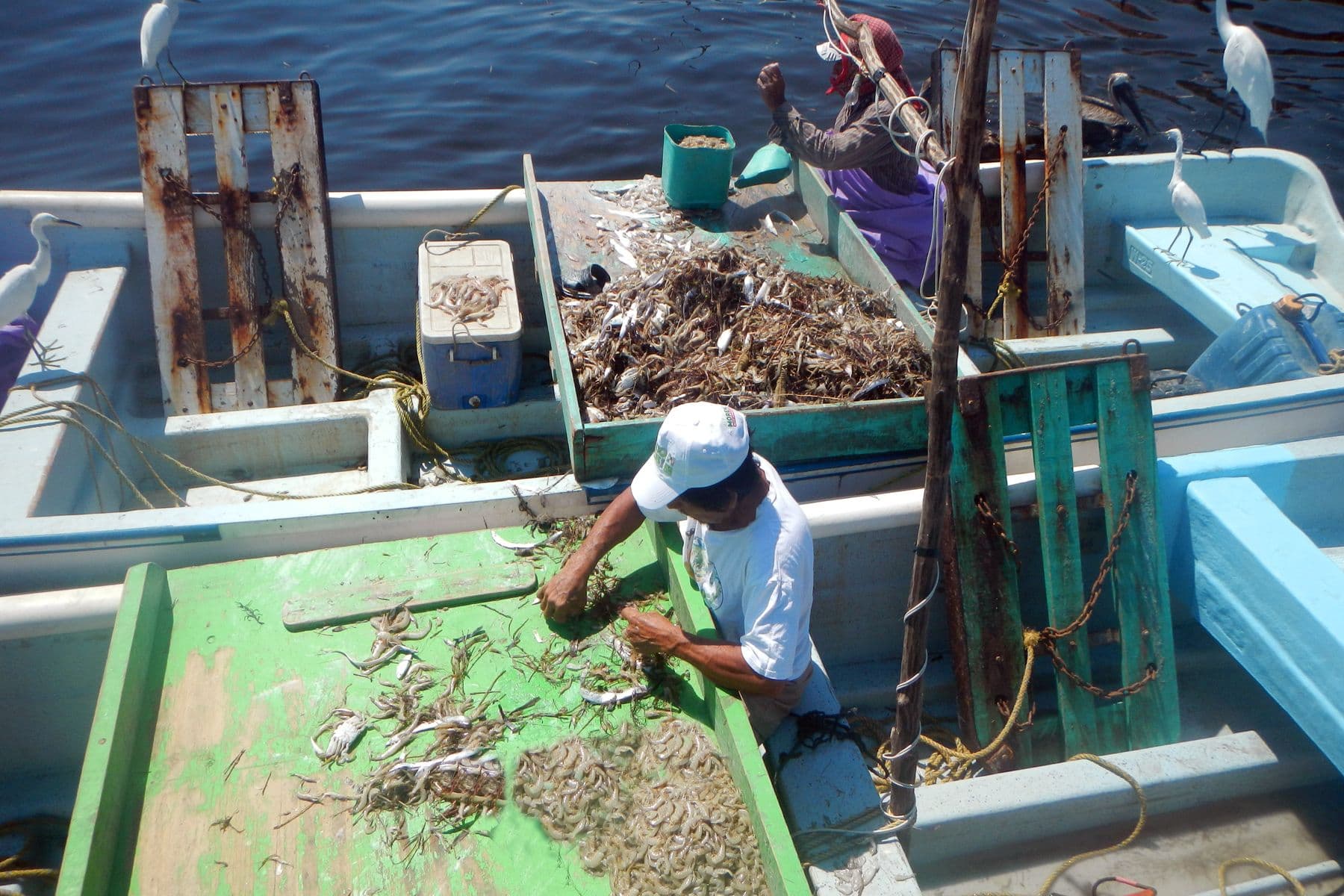
A federal court granted an amparo demanding that the Ministry of Agriculture and Rural Development (SADER) and the National Aquaculture and Fisheries Commission (CONAPESCA) adopt measures to recover deteriorated fisheries recognized by the Mexican State and protect 25 marine species.
The lawsuit, promoted by the organization Environmental Defense of the Northwest (DAN), points to species of abalone, pink shrimp, sea snails, lisa, grouper, negrillo, oyster and sea bass.
According to DAN, some of these fisheries have been officially classified as deteriorating for more than 20 years. The deterioration is recognized in the National Fisheries Charter (CNP), a document that the organization incorporates as part of the elements of its demand.
The National Fisheries Charter is the official and mandatory instrument issued by the General Law on Sustainable Fisheries and Aquaculture (LGPAS) to diagnose the health of marine resources and define their conservation guidelines.
According to the Fisheries Traffic Light report prepared by the organization Oceana, which evaluates the 83 marine fishing records of the CNP, 23% of the fisheries in Mexico, or 19, are officially classified in status: “deteriorating”.
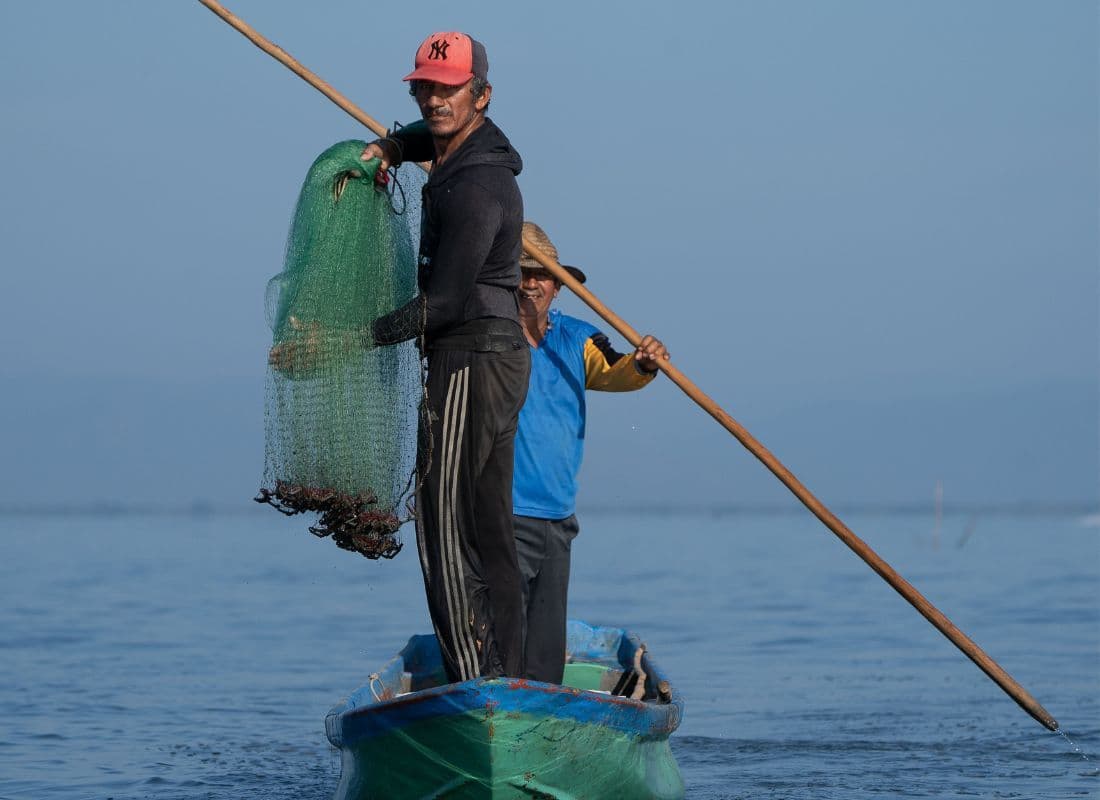
The amparo includes five species of abalone: blue (Haliotis fulgens), yellow (Haliotis corrugata), black (Haliotis cracherodii), Chinese (Haliotis sorenseni) and red (Haliotis rufescens). It also includes pink shrimp (Farfantepenaeus duorarum).
Among the snails from the Gulf of Mexico and the Caribbean Sea mentioned in the lawsuit are the tomburro (Turbinella angulata), sacabocado (Sinistrofulgur perversum), lancet (Lobatus costatus), red or chacpel (Triplofusus giganteus), campechana (Fasciolaria tulipa), cinnamon or lancet (Strombus pugilis), nolón (Melongena melongena), chivita (Melongena corona bispinosa) and pink or absinthe (Lobatus pugilis) Batus gigas).
The list also includes three species of Lisa: the striped, stubby or smooth male Lisa (Mugil cephalus), the White Lisa, Liseta or Lebrancha (Mugil setosus) and the lisa hospe (Mugil hospes).
In the group of grouper and blackbird, the red grouper or cherna americana (Epinephelus morio) and the blackbird or bonaci arara (Mycteroperca bonaci) appear.
The Eastern oyster (Crassostrea virginica), identified as oyster from the Gulf of Mexico, is part of the relationship.
Also included are white sea bass (Centropomus undecimalis), black sea bass (Centropomus poeyi) and chucumite (Centropomus parallelus), whose populations are at risk of deterioration in certain regions of the country.
According to the CNP criteria, a fishery enters the status of “deteriorating” when the ratio between its current population and the target population is less than one. Faced with this scenario, the authorities are legally obliged to implement management strategies and recovery plans to restore populations, in addition to prohibiting the increase in fishing effort or the granting of new permits.
However, the Northwest Environmental Defense organization maintains that SADER and CONAPESCA have failed to adopt and implement effective measures for the conservation, recovery and sustainable management of these species.
The amparo calls for actions to recover deteriorated fisheries, establish programs with measurable goals and results, strengthen inspection and surveillance, and recover biodiversity and the balance of marine ecosystems.
Cecilia García Muñoz, Director of Strategic Communication at DAN, said that official recognition of deterioration requires actions to recover populations and conserve their habitats. “Recording for years that a fishery is deteriorating is not the same as protecting it,” he said.
In the document, the organization states that recovery programs should be oriented towards viable populations, their habitats and natural processes related to marine ecosystems.
With the admission of the amparo, the judicial process will analyze the acts and omissions attributed to the responsible authorities in relation to the identified fisheries.
The demand seeks that the Mexican State complies with its obligations to conserve, recover and manage marine resources, DAN said.


Comentarios (0)