
On any given morning, Keyla Vázquez, a member of the Las Chelemeras collective, wakes up before the sun comes up. He puts on his rubber boots, takes his shovel and heads for the mangrove. There, between the mud and brackish water, it opens channels that allow the ecosystem to recover.
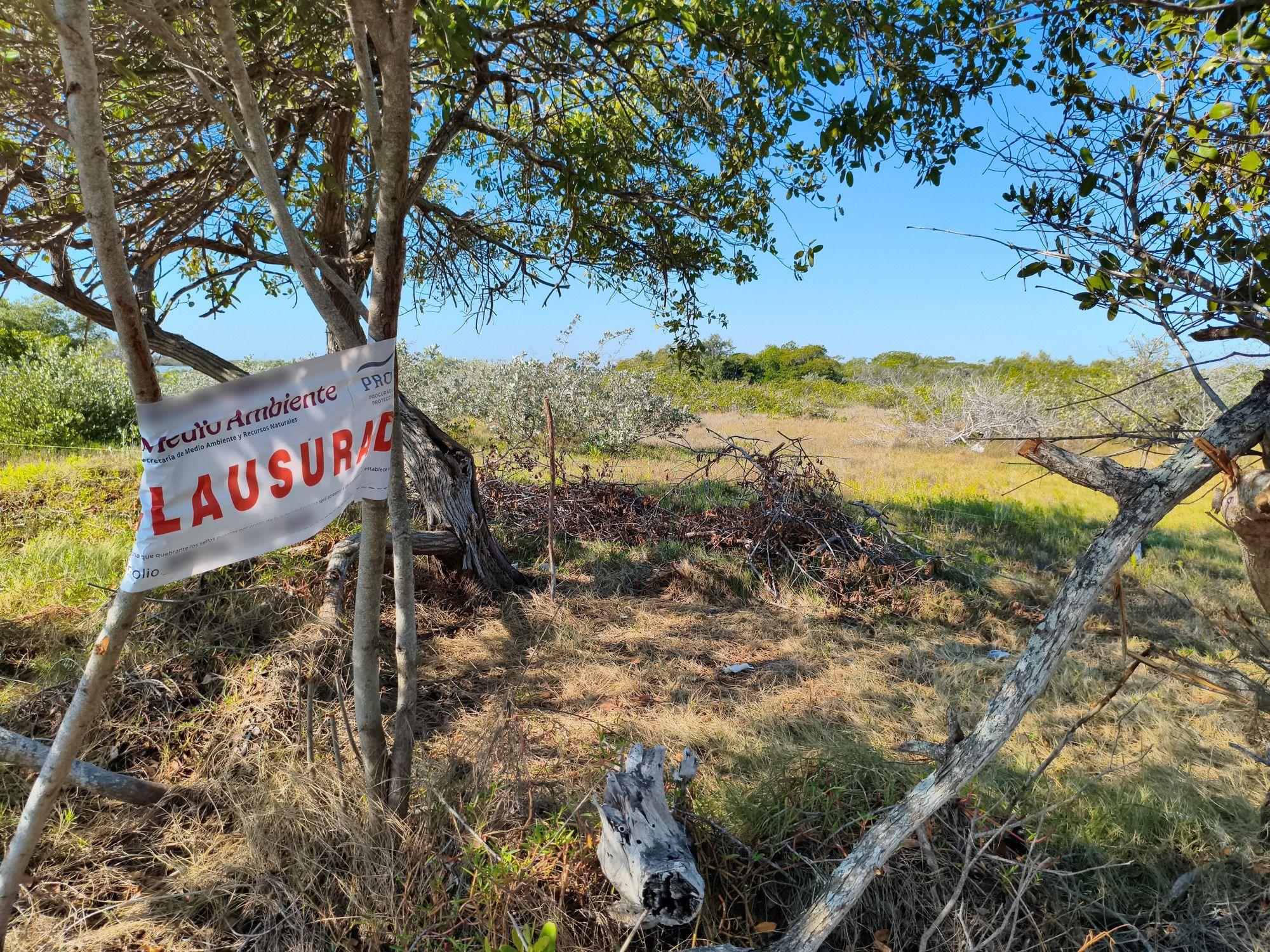
In their community, Chelem, a fishing port in Yucatán, this group of women has managed to restore more than 100 hectares of mangroves. However, that effort is threatened because since November 2025, at least five logging events have been identified in the area to date.
For 16 years, Las Chelemeras has been working to conserve mangroves after understanding their role as a natural barrier to tropical storms and hurricanes. Their work protects the community and also helps mitigate the effects of climate change.
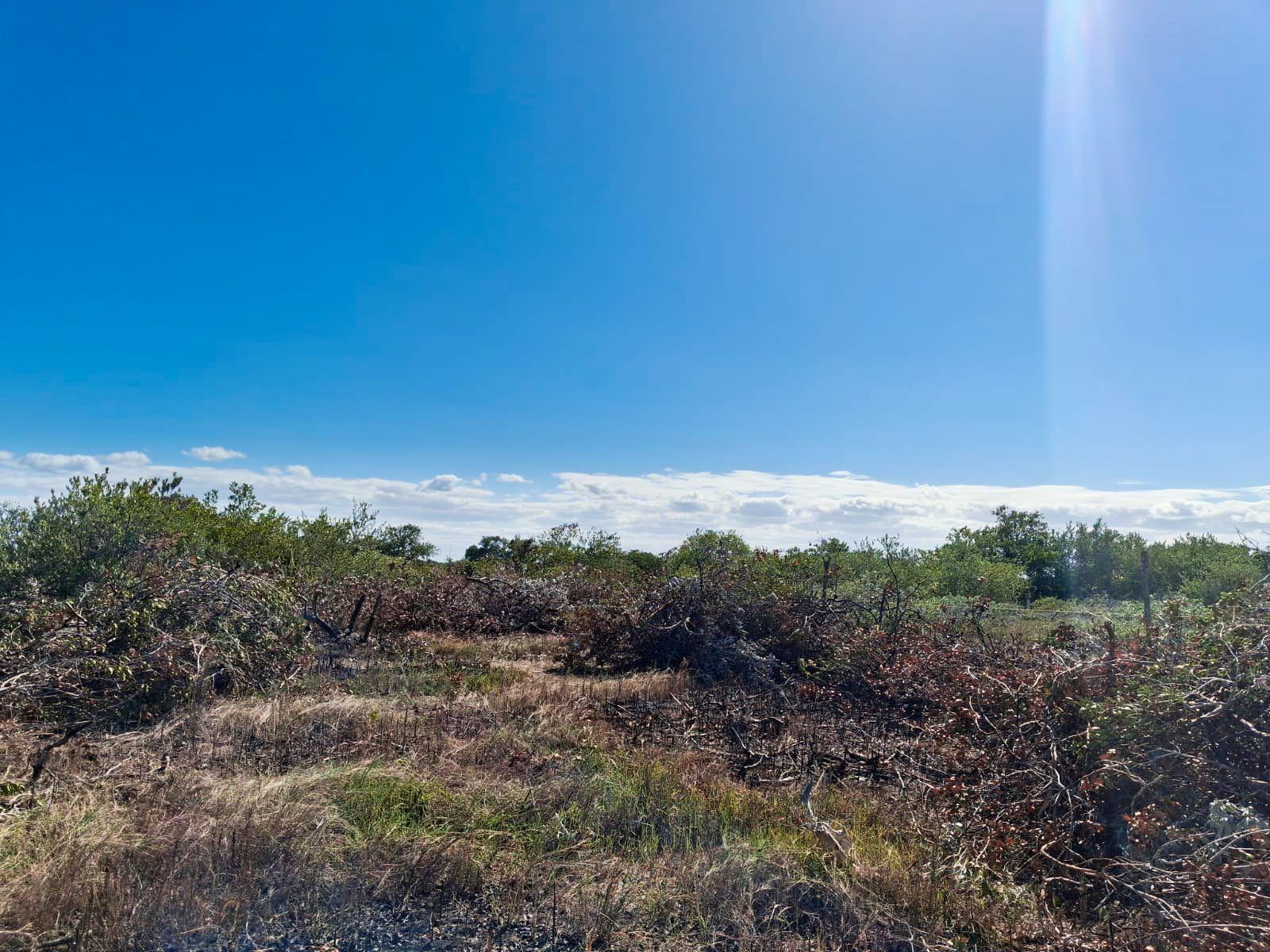 Profepa has detected several areas where the mangrove forest burned. Photo: Profepa.
According to the National Inventory of Emissions of Greenhouse Gases and Compounds, each person in Mexico generates an average of 3.5 tons of carbon dioxide (CO₂) per year. In contrast, this group of 18 women acts directly to capture carbon through the restoration of mangroves, mainly in Protected Natural Areas (ANP).
Mangrove devastations:
Laurilu Chim Cab, Chelem's commissioner, warns that mangrove destruction has become a recurring problem in the area, leading the community to file complaints with the Federal Office for Environmental Protection (Profepa).
“In November when we complained and because Profepa came and realized the problem, they shut down, but sometimes that's not enough for people. It's a shame what's happening here because we just have a group of women who are dedicated to caring for mangroves and now that their work doesn't count and people come to destroy, it's not good,” she said.
One of the most serious documented cases totals 18,596 hectares of mangroves affected.
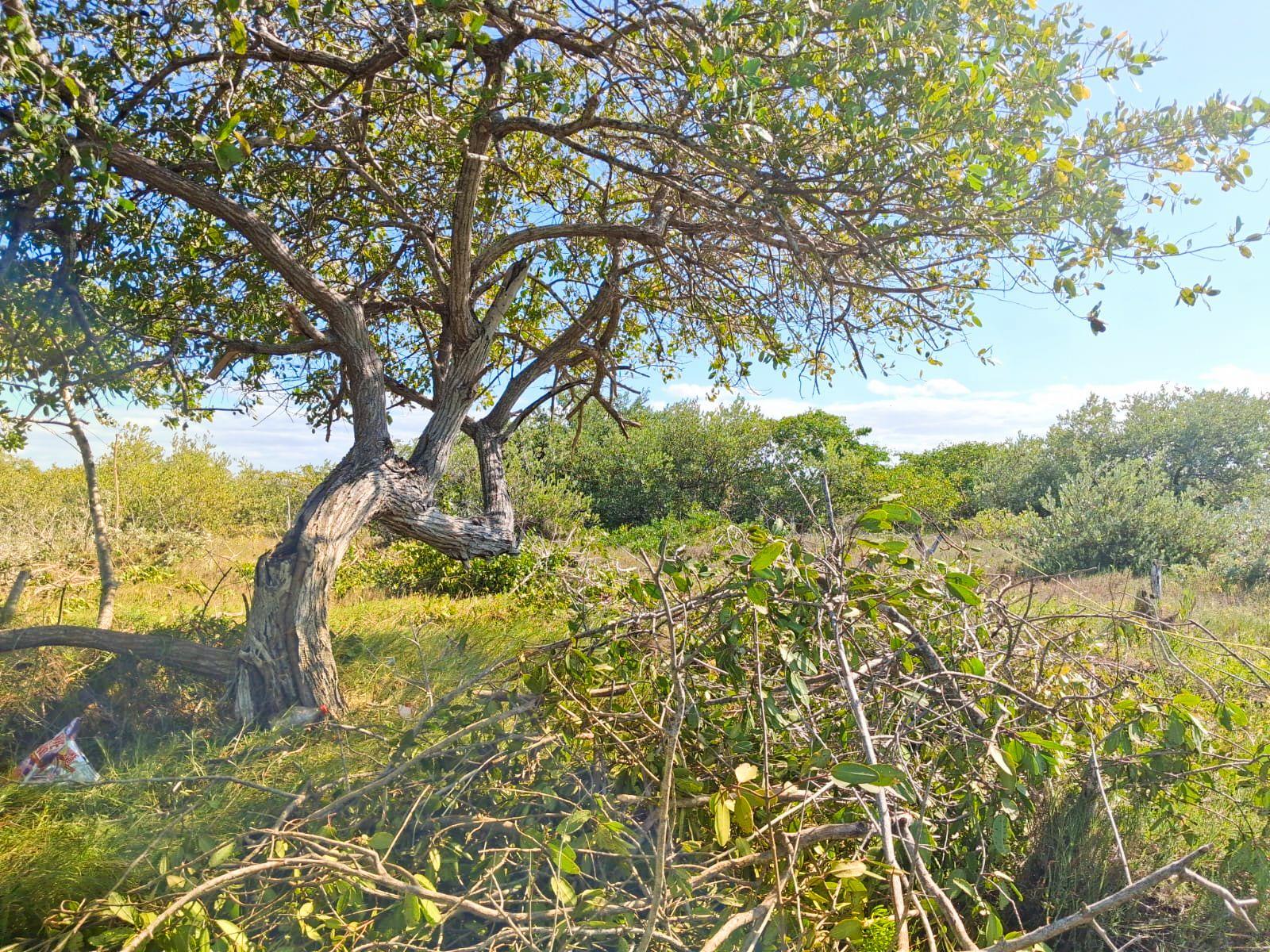 Mangroves are commonly cleared so that they are later housing areas. Photo: Profepa.
“At this point, we already know that mangroves are important and that they are also a protected ecosystem. We care that it is preserved because we know that when a hurricane or storm hits, the situation is going to get ugly,” he added.
Since November 21, 2025 to date, Profepa has held five closures. Although residents recognize these actions, they also point out that they have not been enough to stop recidivism.
“Nobody has been fined, which is what we feel is necessary for them to know that logging mangroves is not a game. We see it closing down, but sometimes time goes by and people come back to logging in the area,” he said.
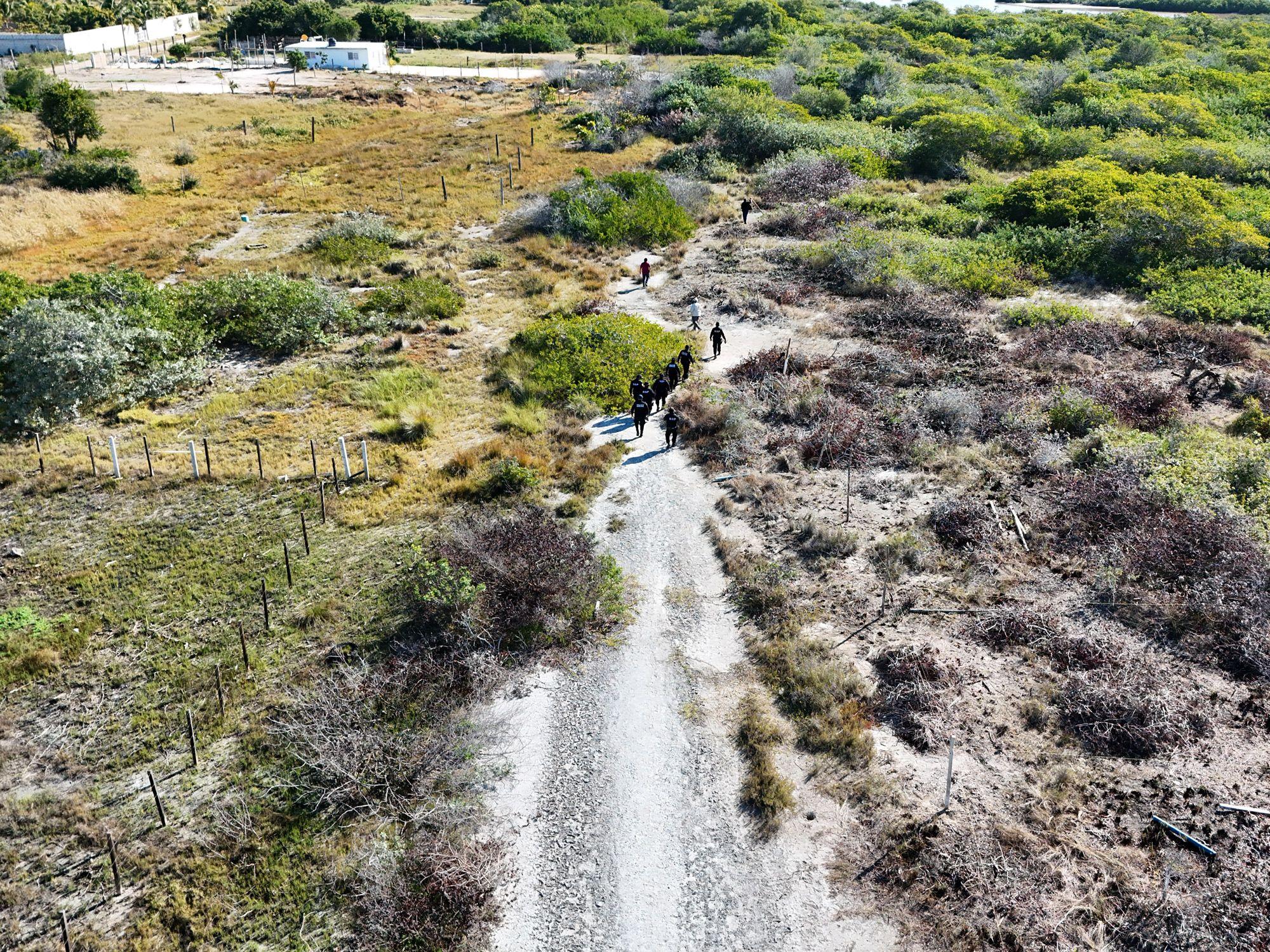 Local residents report repeated incidents of mangrove felling in the area. Photo: Profepa.
One of the main reasons behind logging is the expansion of human settlements. Between November 2025 and February 2026, Profepa documented occupations, lotifications, clearing and filling in wetlands with mangroves, as well as the replacement of sealing seals and the securing of machinery.
In parallel, within the same port of Chelem, the temporary partial closure of an urbanization project called Ciudad Maderas Peninsula Phase II was reported, due to the unauthorized removal of vegetation on 6,183 square meters outside the authorized polygon, as well as irregularities detected in a total area of 151 thousand 766 square meters, based on an environmental impact resolution issued by Semarnat in December 2021.
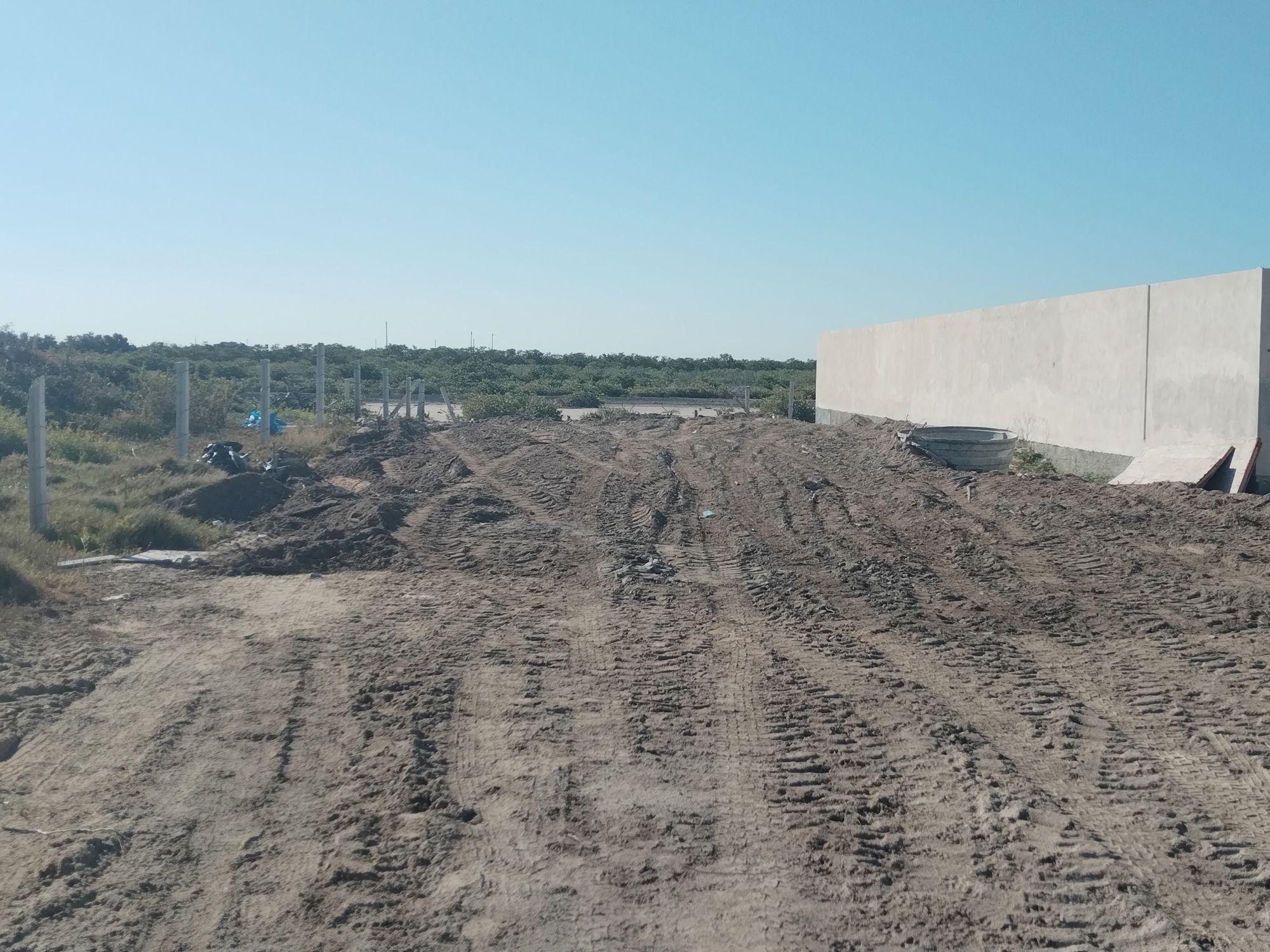 One of the projects identified as responsible was Ciudad Maderas. Photo: Profepa.
Practices such as clearing and burning mangroves, lotification, delimitation with poles, filling and modification of wetlands, as well as the installation of workshops, pens and agricultural activities within the ecosystem were also identified.
The affected area is part of the area of influence of the Ciénagas and Mangroves State Reserve of the North Coast of Yucatán, recognized as a Ramsar site since 2022 and with an area of more than 54 thousand hectares. In addition, it is classified as a “North Coast Forest Critical Zone”.
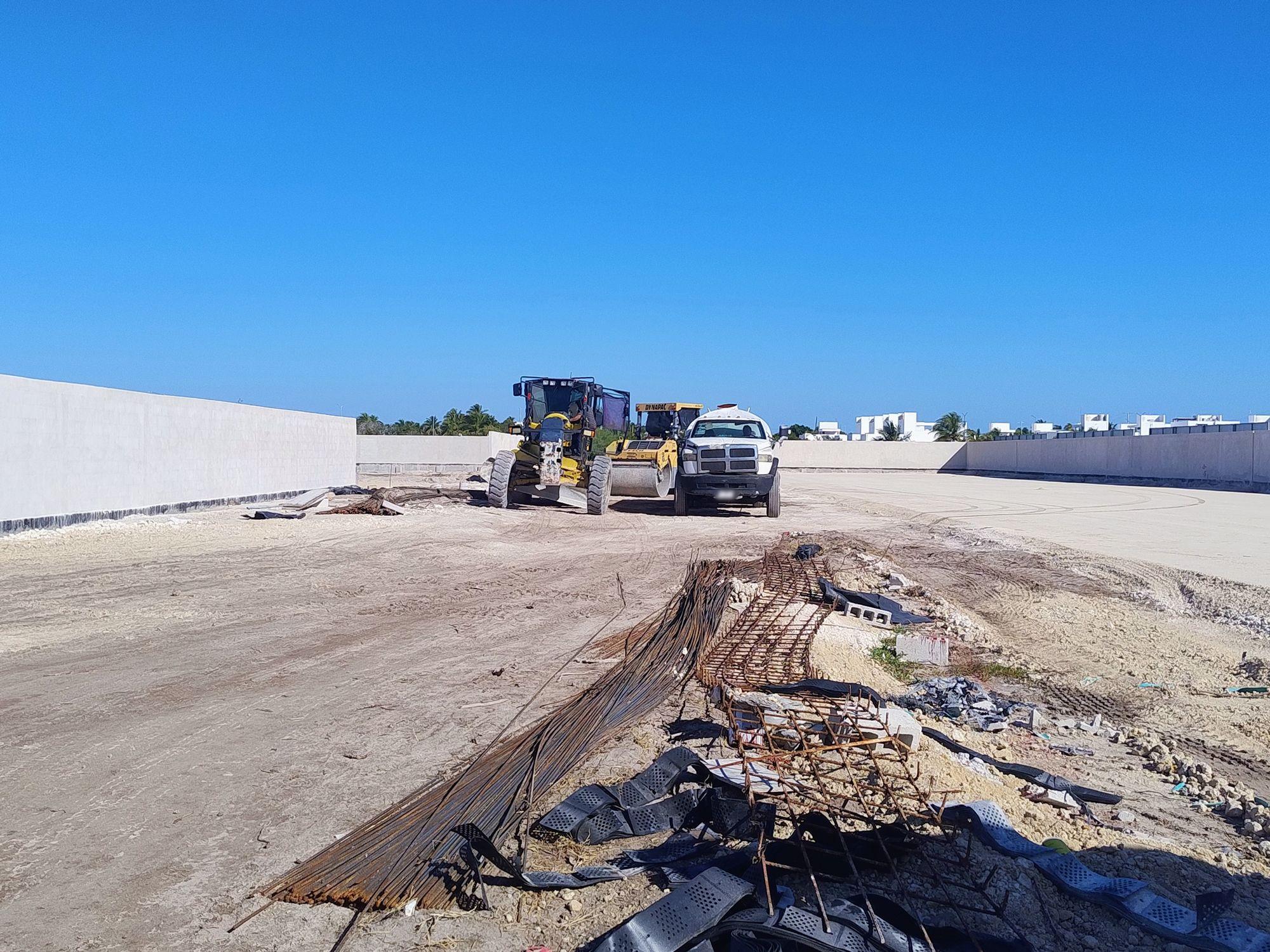 Chelem is one of the sites most affected by recent mangrove clearing. Source: Profepa.
Researcher Jorge Herrera Silveira, from Cinvestav, estimates that in Yucatán there are around 40,000 hectares of mangroves in some degree of degradation. However, it also highlights that nearly 100,000 hectares remain preserved, in part thanks to community efforts such as those of Chelem, Yucalpetén and the Los Petenes Biosphere Reserve.
Women against mangrove logging:
Many of the members of Las Chelemeras are wives of fishermen and began these activities as an additional source of income. The initial payment was just 70 pesos per hour, a somewhat insufficient amount. However, they decided to continue.
 The Chelemeras are an important group of women who fight for mangrove conservation. Photo: Las Chelemeras.
“We arrived for a salary, but now we have learned everything that the mangrove benefits us in,” said Keyla Vázquez and shared, with the recovery of the mangrove, they observe the return of fish, birds and other species to areas that were previously degraded.
Many of them previously participated in temporary government programs, but they agree that mangrove restoration is an activity that is here to stay in their lives. In a context where traditional gender roles persist, they say they have found support in their families.
 They work hard on reforestation and opening canals. Source: Las Chelemeras.
“To a certain extent they admire us because they have seen how hard it is to do this work, it's tiring and for example, when we get home they understand that we are tired and other days they come to help us,” she said.
For researcher Jorge Herrera, her work is exceptional because she is a group of women who have assimilated the issue of mangrove damage; the work is not easy, it is spending many hours in the sun, in the water, shoveling in the mud, making canals, planting. It's a demanding job.
 While they conserve the mangrove, others destroy it. Source: Profepa.
Some of the restoration projects emerged as environmental compensation measures, such as the case of the Progreso highway distributor.
“The work that these women do is an iconic project because they are women who have gone from just making ditches for water flows to now being complete restorers of mangroves,” she described.
* This article was written by Itzel Chan, who covers coastal communities thanks to the support of the Report for the World program .


Comentarios (0)