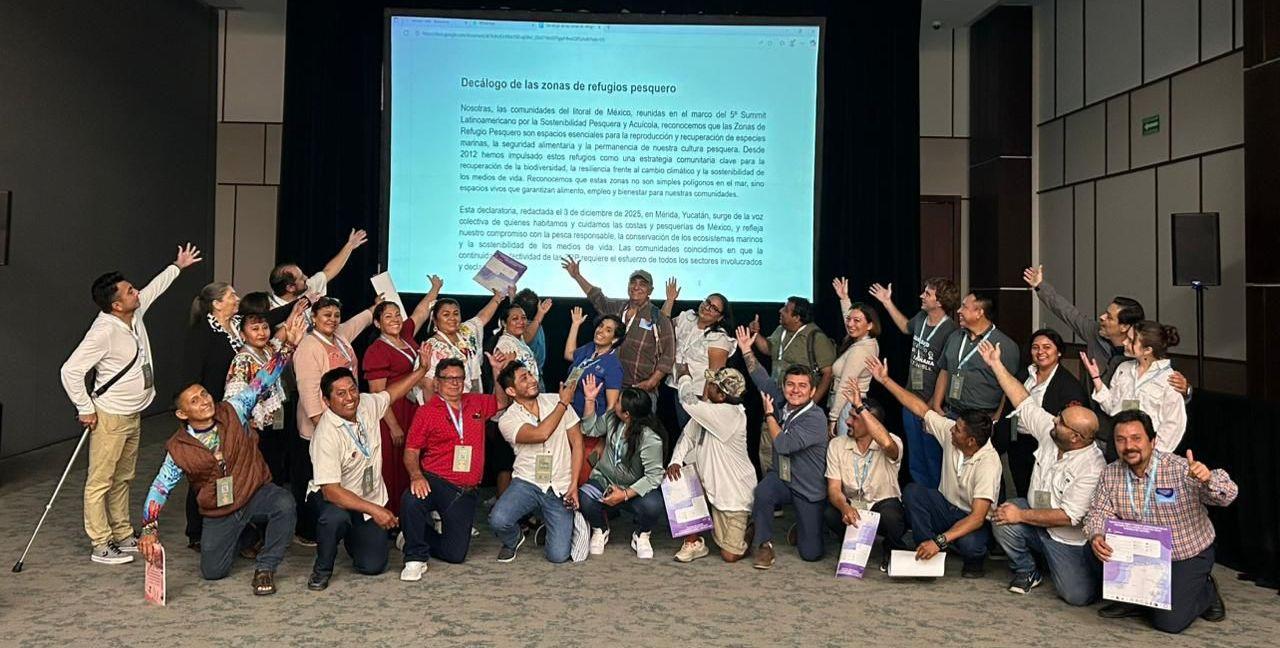
Representatives of Fishing Refuge Zones (ZRP) in Baja California, Sonora, Campeche, Yucatán, Quintana Roo and Tabasco took a historic step and formally submitted to the National Aquaculture and Fisheries Commission (Conapesca) a national declaration that brings together community needs, aspirations and proposals to guarantee the future of marine shelters in Mexico.
“We want this shelter movement to continue to grow for our communities, their livelihoods and biodiversity,” said Gloria Acevedo, a fisherman and monitor diver at Celestún during the 5th Latin American Summit for Fisheries and Aquaculture Sustainability.
With that conviction, the letter was placed directly in the hands of Noemí Itzel Zamora García, head of the representative office of Conapesca, the country's fishing authority, with the objective of having her requests heard and incorporated into public policies.
The declaration stresses that ZRP have been, since 2012, more than administrative estates and that they are living ecosystems that guarantee food, employment and well-being for communities.
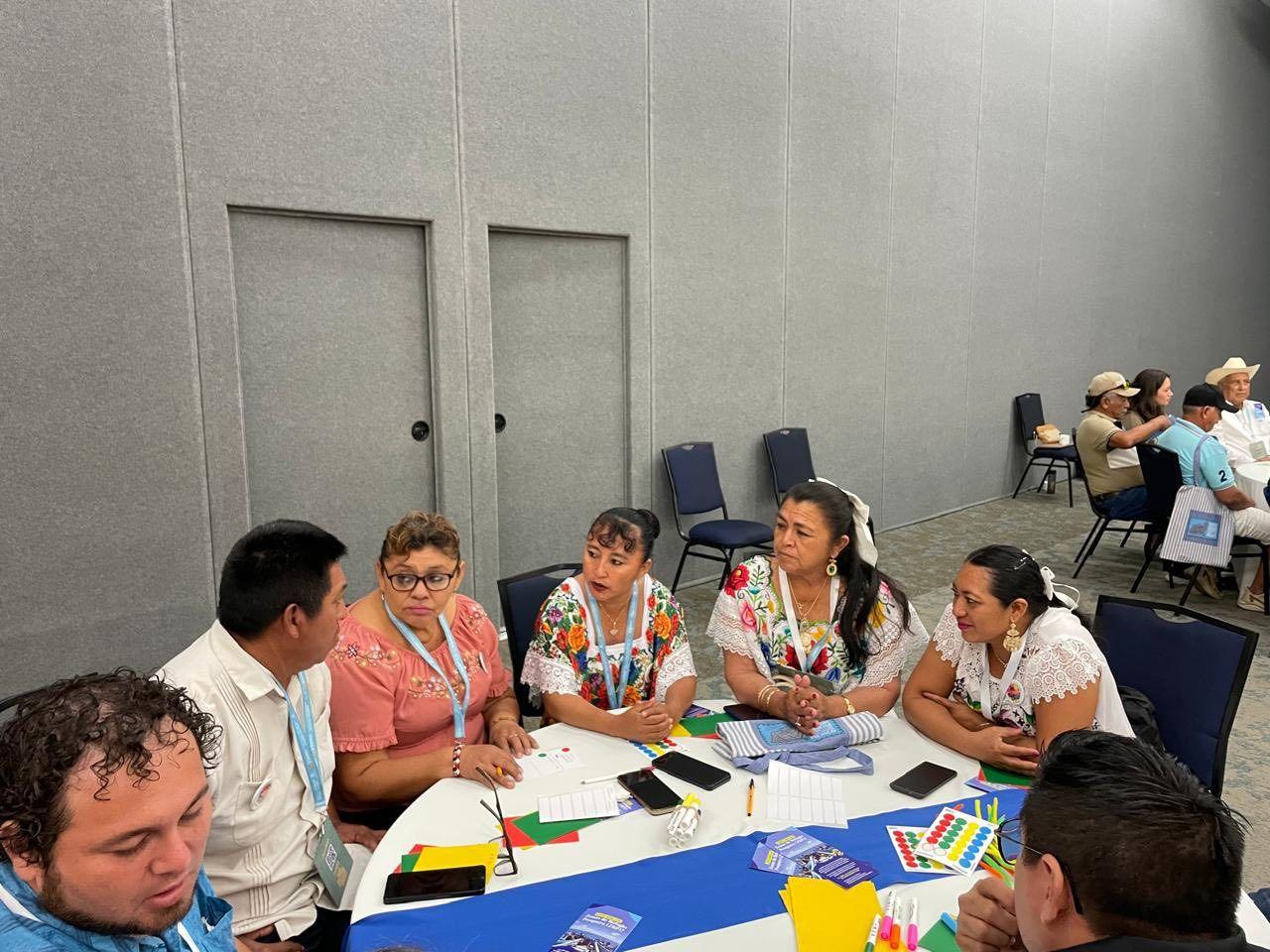 People from diverse communities created dialogue to reach agreements. Photo: ZRP.
A direct message to the Mexican State
The document, drafted on December 3, 2025 and delivered in Mérida to Conapesca, asks the institution to lead and coordinate the efforts necessary for fishing shelters to operate effectively and permanently.
“We ask that this declaration be taken into account and that our priorities be reflected in official programs,” said Laura Ortiz, a fisherman and member of the community surveillance committee in the Celestún Fishing Refuge Zone.
The requests were clear regarding funding. Laura said: “We need a specific fund so that shelters are not abandoned.”
One of the most urgent axes aimed at Conapesca is the creation of a permanent program or fund to finance the management of fishing shelters, whose costs fall almost entirely on the fishermen themselves.
“Shelters involve high costs that we have borne alone; we need a specific fund for their comprehensive management,” he added.
The proposal includes equipment, low-emission engines, boats, radios, gasoline for surveillance and the promotion of complementary economic activities such as community tourism or mariculture.
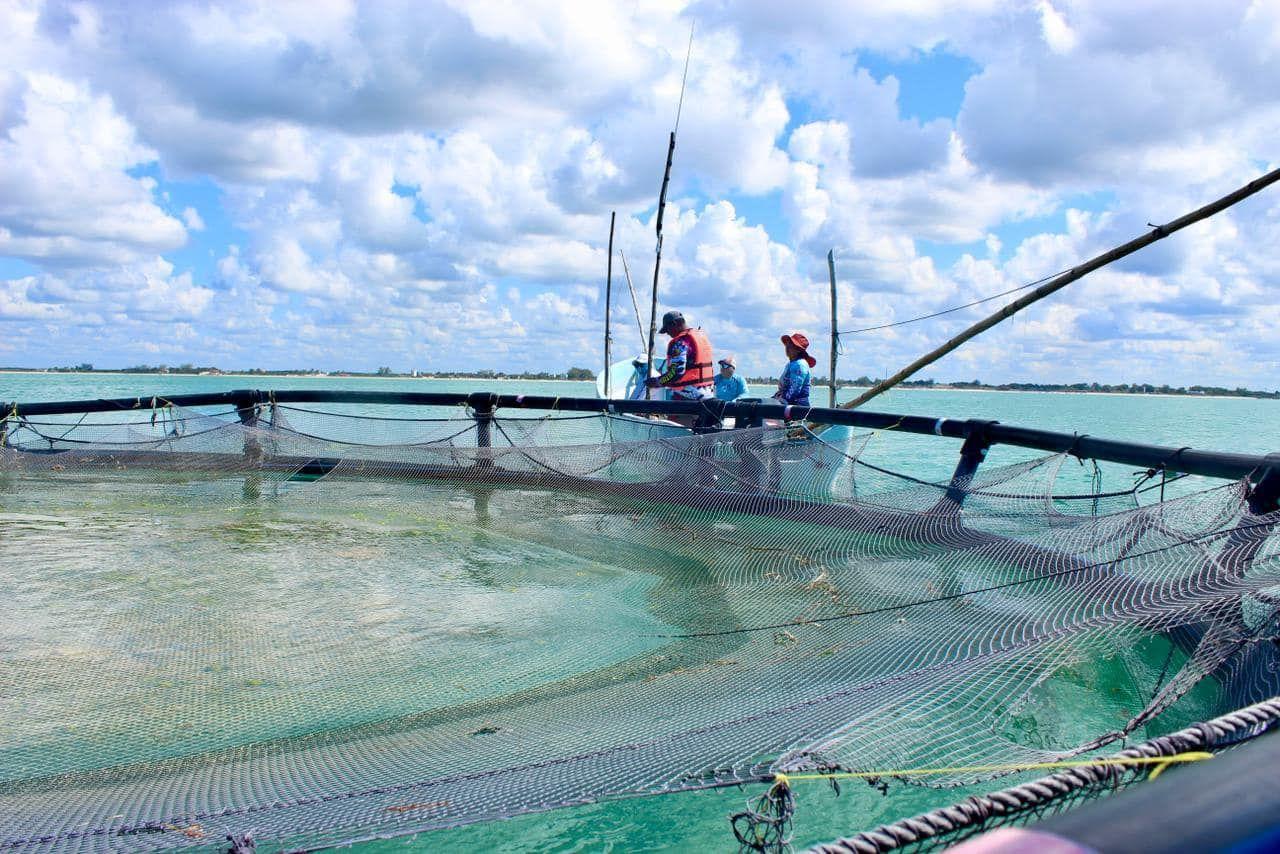 The work they do at the ZRP is 100% community. Photo: Sepasy.
Legality and security
The communities asked Conapesca to promote an inter-institutional agenda to combat illegal fishing, close regulatory loopholes and protect those who carry out community surveillance.
“We need a specialized unit within the State Attorney General's Office that understands the particularities of the fishing sector and can effectively sanction,” said Gloria Acevedo.
The declaration calls for coordination with environmental authorities, the Secretariat of the Navy and the Public Ministry, as well as a thorough review of the law to prevent the recidivism of offenders.
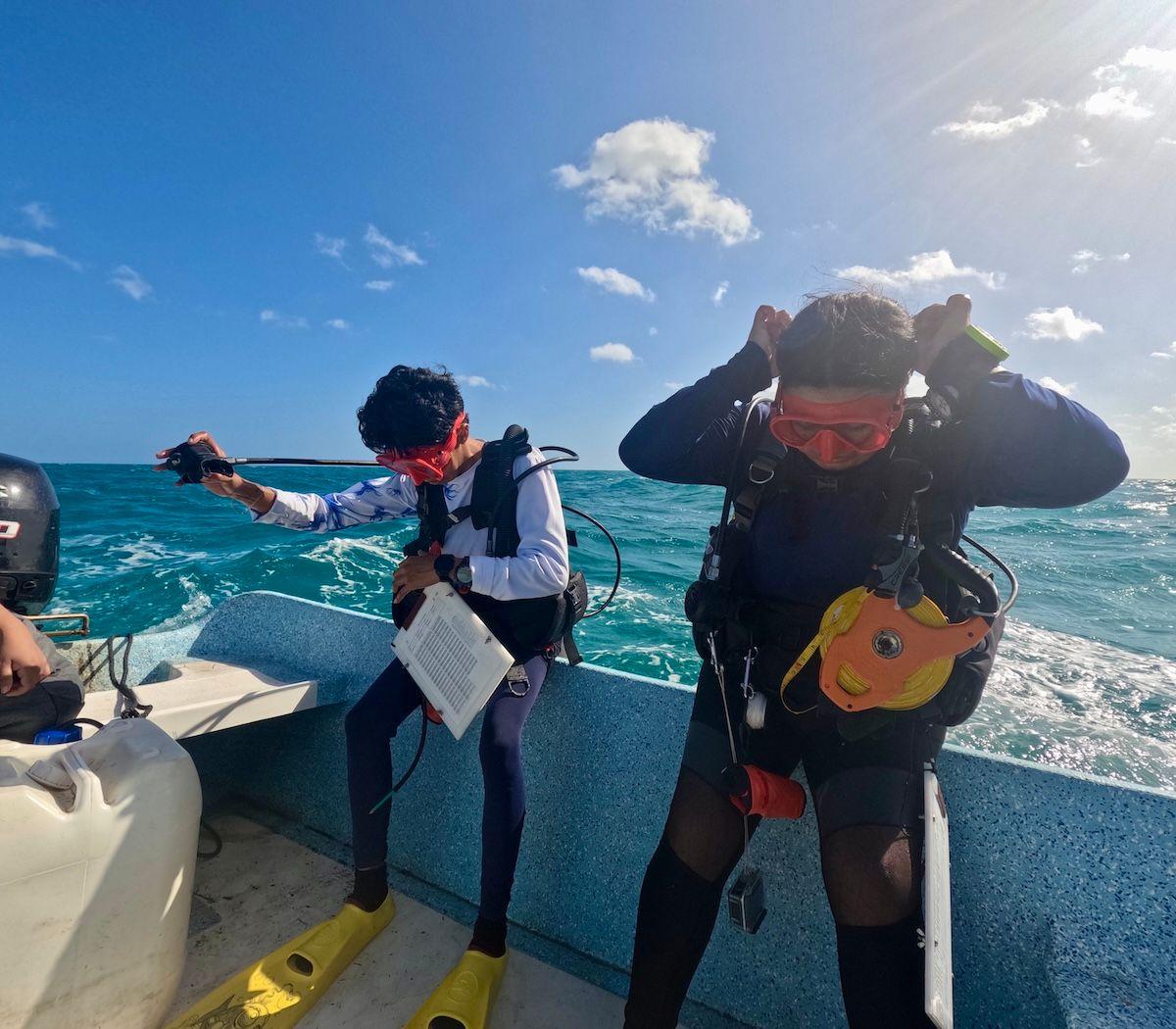 Women and men work equally to protect their marine environment. Photo: Natalia Gutierrez.
Another call addressed to the State is to incorporate environmental education into national curricula, in order to ensure the continuity of community care for ecosystems.
“Environmental education must be a formal part of the education of girls, boys, adolescents and youth,” Gloria reaffirmed.
The presence of women in surveillance, decision-making and technical activities has already transformed community organization, however, they pointed out that the gaps persist.
“We demand that any program or support has a gender perspective and guarantees the full participation of women,” reads the letter given to Conapesca.
Capabilities and equipment
The document requests the integration of a national training and equipment program to accompany planning, monitoring and surveillance in each ZRP.
Members of various Fishing Refuge Zones in Yucatán asked for safe reporting tools, diving insurance, satellite tracking and suitable boats.
One of the central approaches was the creation of a regional, state and national commission for ZRP, capable of articulating communities, academia, civil organizations and government.
“We have sailed alone for much of our history, but we need a national structure that supports this effort,” they said.
The delivery of the declaration to Conapesca seeks precisely to activate this process of institutional articulation.
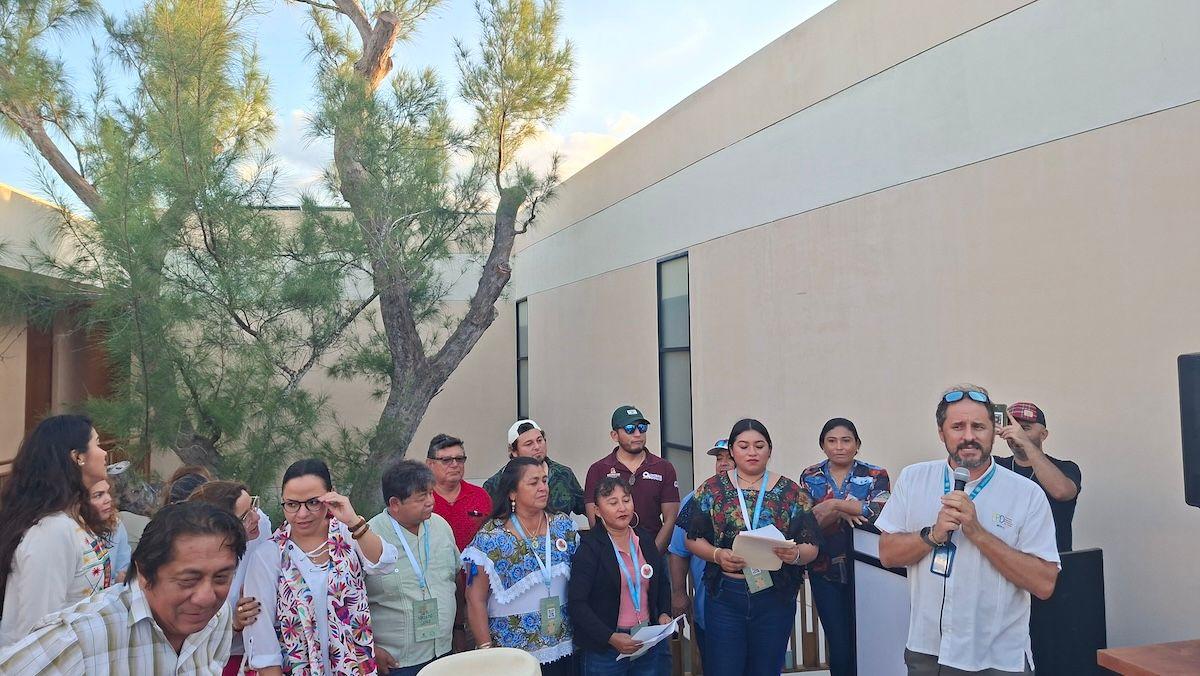 ZRP representatives read the statement publicly. Photo: Zayra López.
The letter recognizes that the strength of the shelters comes from the communities themselves, which have faced illegal fishing, low catch and lack of vigilance with internal organization.
“When we faced strong problems, we decided to unite; now we know that participation and recognition of our abilities strengthens our work,” Laura said.
They asked that Conapesca and other institutions recognize and respect these organizational processes in any public policy design.
With this formal delivery, coastal communities place on the national table a clear route to strengthening marine conservation from the community base, demanding that public policy advance at the pace of the climate crisis and the real needs of the territory.
“We request that our proposals be incorporated into the actions of Conapesca and all responsible institutions. Fishing refuge areas are a proven strategy for regenerating biodiversity and ensuring the future of fishing in Mexico. Caring for the sea is caring for life,” said Gloria, representing all the people who maintain fishing shelters.
* This article was written by Itzel Chan, who covers coastal communities thanks to the support of the Report for the World program .


Comentarios (0)