
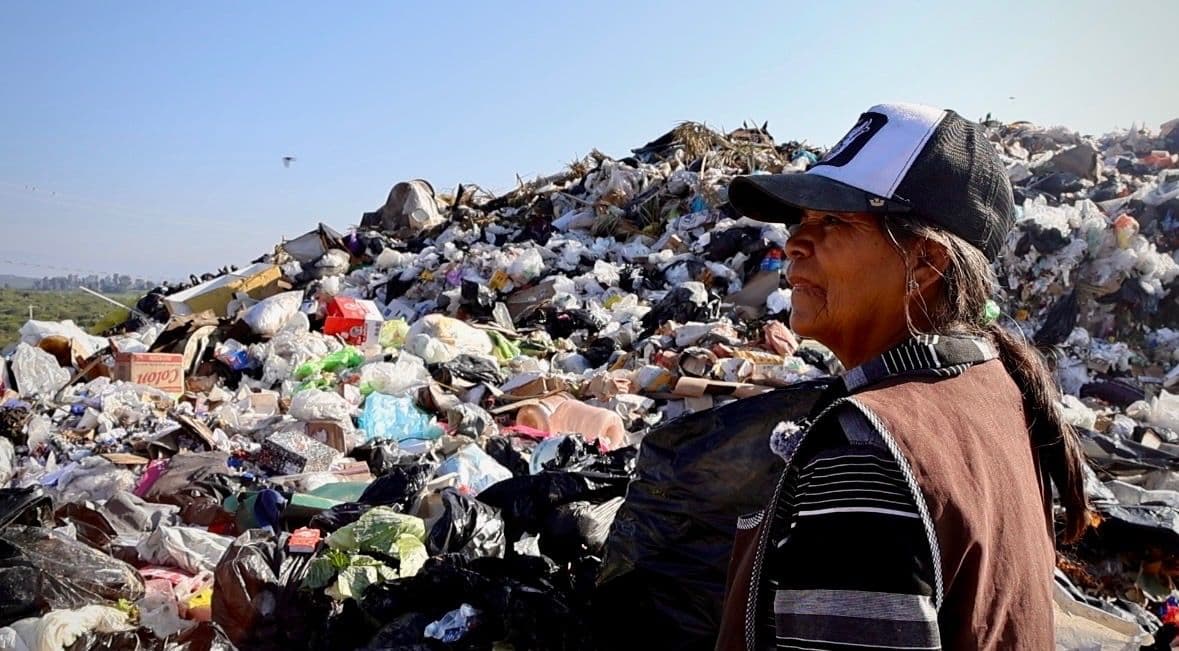
When Abel Balderas Ramírez first heard that the decomposition of organic waste generates methane gas, a powerful greenhouse gas, he immediately thought of his children
“Are they going to experience these heats, these strange phenomena?” , he asked himself. Remember that their concern was not only due to climate change but also to leachate that leaches directly into the aquifers that supply water to the population.
With all that information in mind, he decided to actively commit to “recycling everything that can be recycled” and composting.
Abel, 48, is president of the National Movement of Waste Pickers, secretary of the Latin American Network of Recyclers (Red Lacre) and a member of the Global Alliance. From his leadership, he began to make his fellow grassroots collectors aware of the value of this waste.
Initially, the idea faced resistance, because for them, collecting organic material, which has no economic value, represented a waste of time. “We said: but what do we do with this waste? Because it comes from restaurants, greengrocers, shops and houses.”
“Now that we know that we can give it a better treatment such as compost, I think they are delighted, they feel a little relieved because they know that this material will serve to continue strengthening our land,” he says.
Also read: The resilience of Cabo Pulmo: after losing a third of its corals, it is recovering little by little
The climate urgency of methane gas
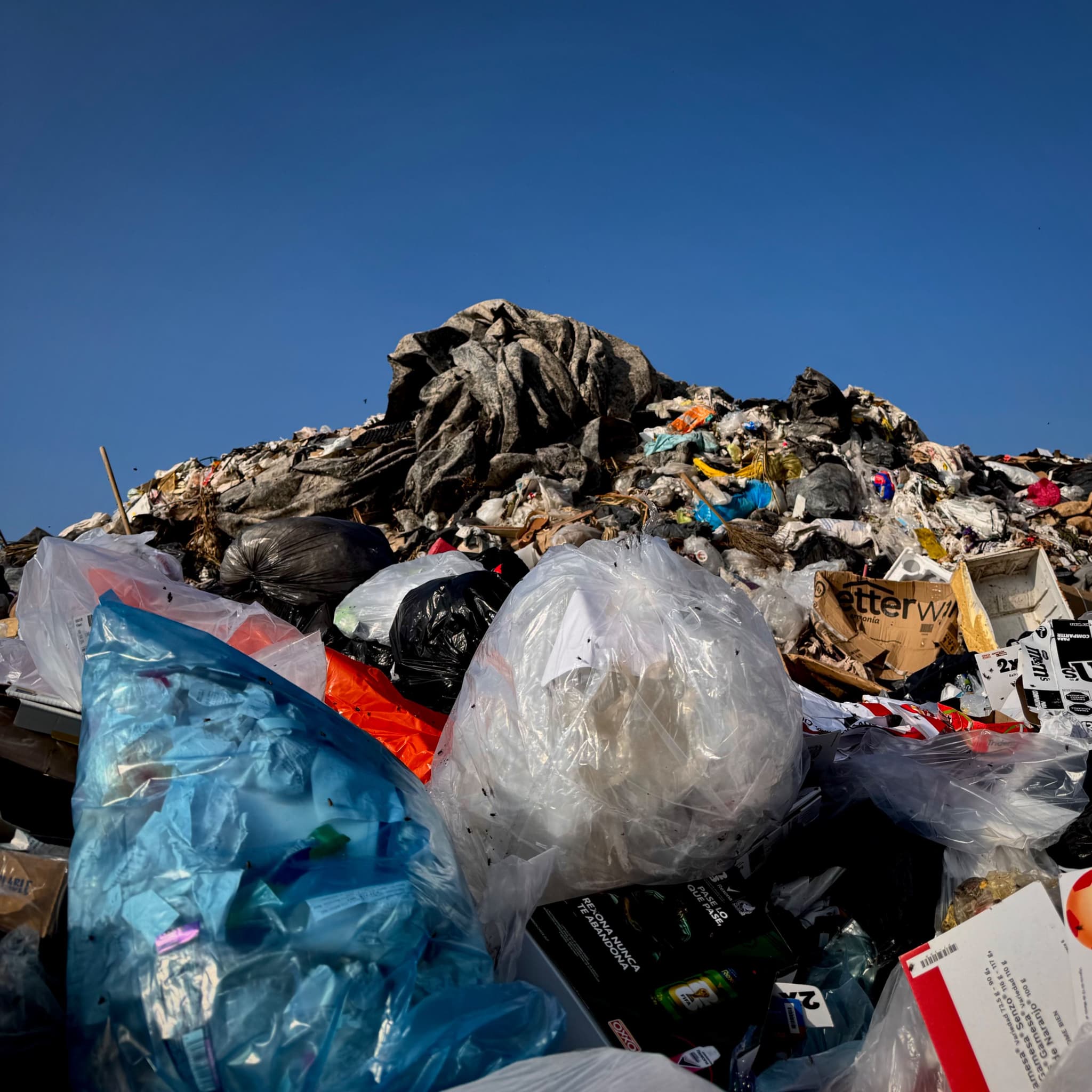
Methane is the main component of natural gas and has the capacity to trap up to 86 times more heat in the atmosphere than carbon dioxide (CO2), making it responsible for approximately one-third of the increase in the planet's average temperature.
Unlike CO2, methane stays active in the atmosphere for approximately 12 years. Thus, reducing methane emissions is a faster way to slow down the climate crisis.
Mexico ranks tenth in the world in terms of methane emissions, according to the Mexican Methane Emissions Observatory. 28% of these emissions come directly from waste.
Therefore, diverting organics before they reach landfills, where they decompose anaerobically, is one of the best mitigation strategies, Abel says.
A task that grassroots recyclers are already implementing.
Inclusive recycling
In Mexico, at least 195,000 people work as garbage collectors. Thousands of them are dedicated to opening bags with waste, in unhealthy and risky conditions, to separate plastic, cardboard or metal.
For this reason, the National Movement of Recyclers, in partnership with the Lázaro Cárdenas Union of Industrializable Solid Waste Workers in Dolores Hidalgo, Guanajuato, launched a pilot project for inclusive recycling to make compost and generate compost.
The model proposes to transform municipal waste management so that separation work no longer occurs in open-air landfills but through an organized household collection system, in which citizens separate organic matter.
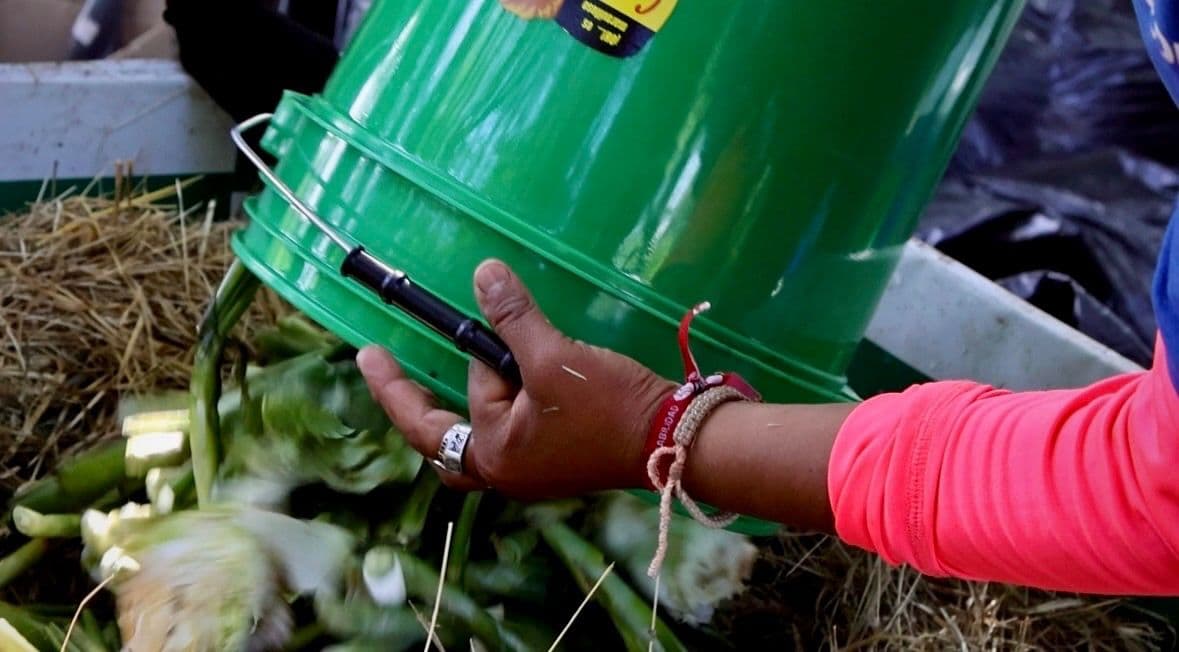
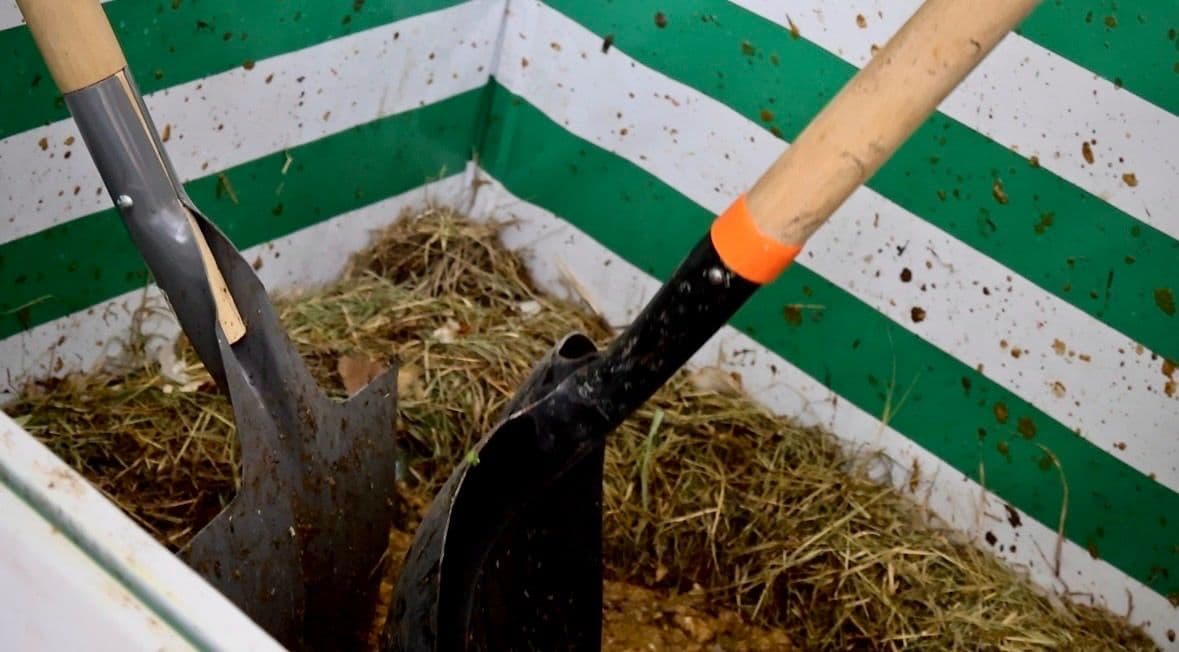
Then, recyclers divert household organic waste into buckets and process them with the Silva Digester Paca technology, an ecological technique using anaerobic fermentation, which does not generate odors or pests, since it allows for hermetic and controlled composting, reducing methane gas emissions.
For basic recyclers, it's also a way to dignify their work. “We're no longer sticking our hands in the garbage, we're no longer in the sun all day... you're going to pick up clean material,” says Abel.
In addition to preventing dehydration and sunstroke, this model dramatically reduces work accidents, such as punctures, cuts and infections. “Or that you stick a syringe working in the garbage,” he adds.
It may interest you: The sea is eating away at a town in Oaxaca; the second community displaced by coastal erosion in Mexico
The economic paradox
The work of grass-roots waste pickers is key for cities, but they lack recognition and government support. Emilio, a technician from the National Movement of Waste Pickers and a social anthropologist, warns that the manual separation they carry out already “saves a lot of money for municipalities and cities with all the work they do”.
Despite these millions of dollars in savings for the public purse, waste pickers do not receive salaries or compensation for this social and environmental service. “Only sometimes in the campaign do they come up with pantries, but they are twice, three times and then we'll see you... There is no real support or funding for the people who are working there... we lack the most basic things such as social security, a public toilet or adequate work equipment”, reveals Abel.
At the national level, inclusive recycling was incorporated into the General Law of Circular Economy. However, these inclusive recycling programs do not have a budget and survive thanks to foreign funds and funding from international organizations that support the agenda of waste pickers in Latin America.
Meanwhile, the pilot of the program to combat methane gas through compost and digester bales is currently focusing on Dolores Hidalgo. They have begun to replicate the model in municipalities in other states such as Oaxaca or Yucatán.
The fight against methane and the climate crisis are among the priorities of these recyclers, but for it to have a significant impact, it needs the State to allocate direct and mandatory funding to these programs within circular economy plans, Emilio explains.


Comentarios (0)