
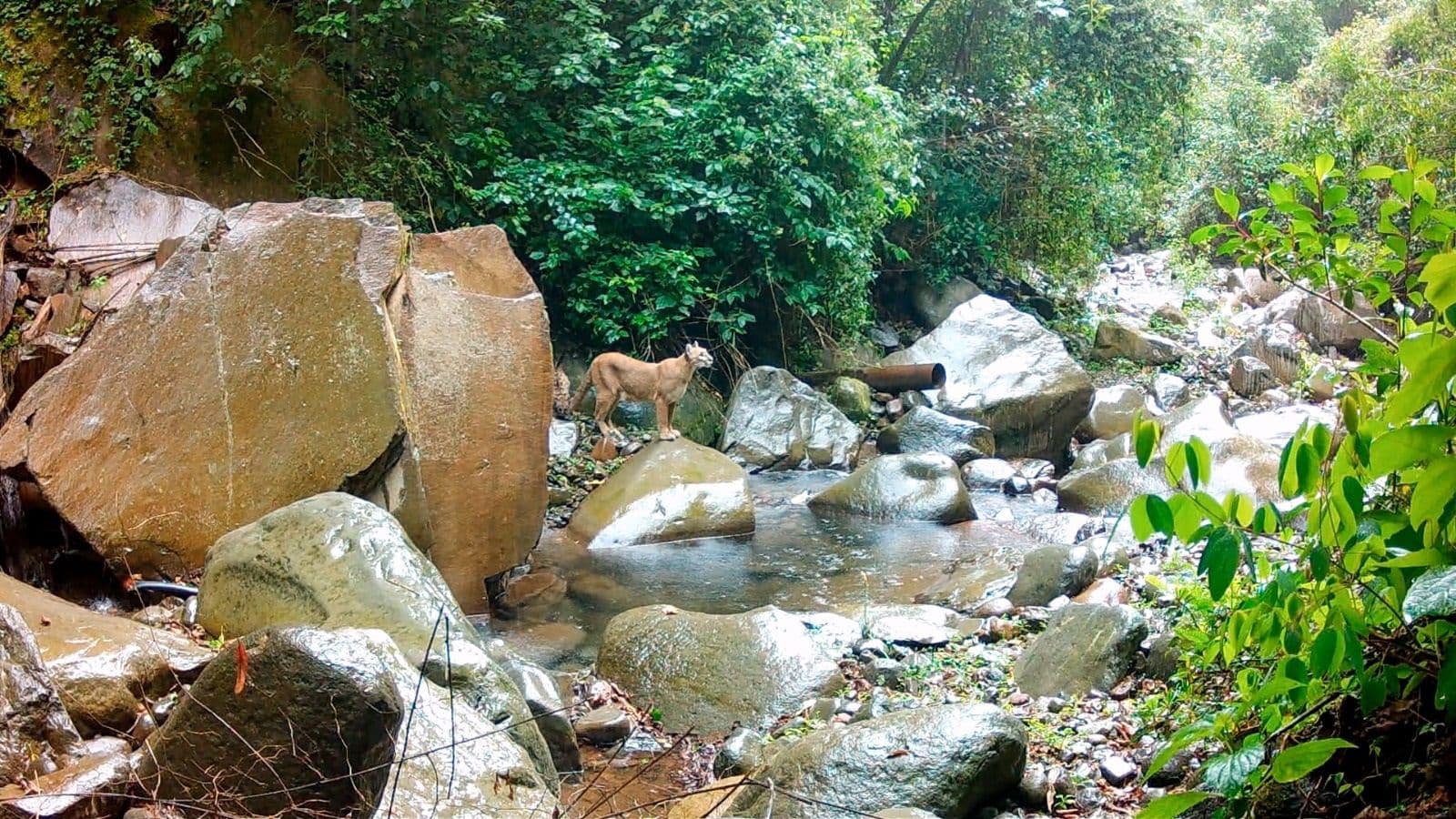
Investment in Mexico per hectare of protected natural area remains critical in the midst of growing environmental and climate challenges. Although the Federal Expenditure Budget Draft (PPEF) 2027 considers an increase in the budget of the National Commission for Protected Natural Areas (Conanp), it represents a reduction in real terms compared to the amount modified this year and is insufficient to guarantee the management of the country's 232 protected natural areas (ANP), according to an analysis by the Northwest Civil Society for Environmental Sustainability (NOSSA) coalition.
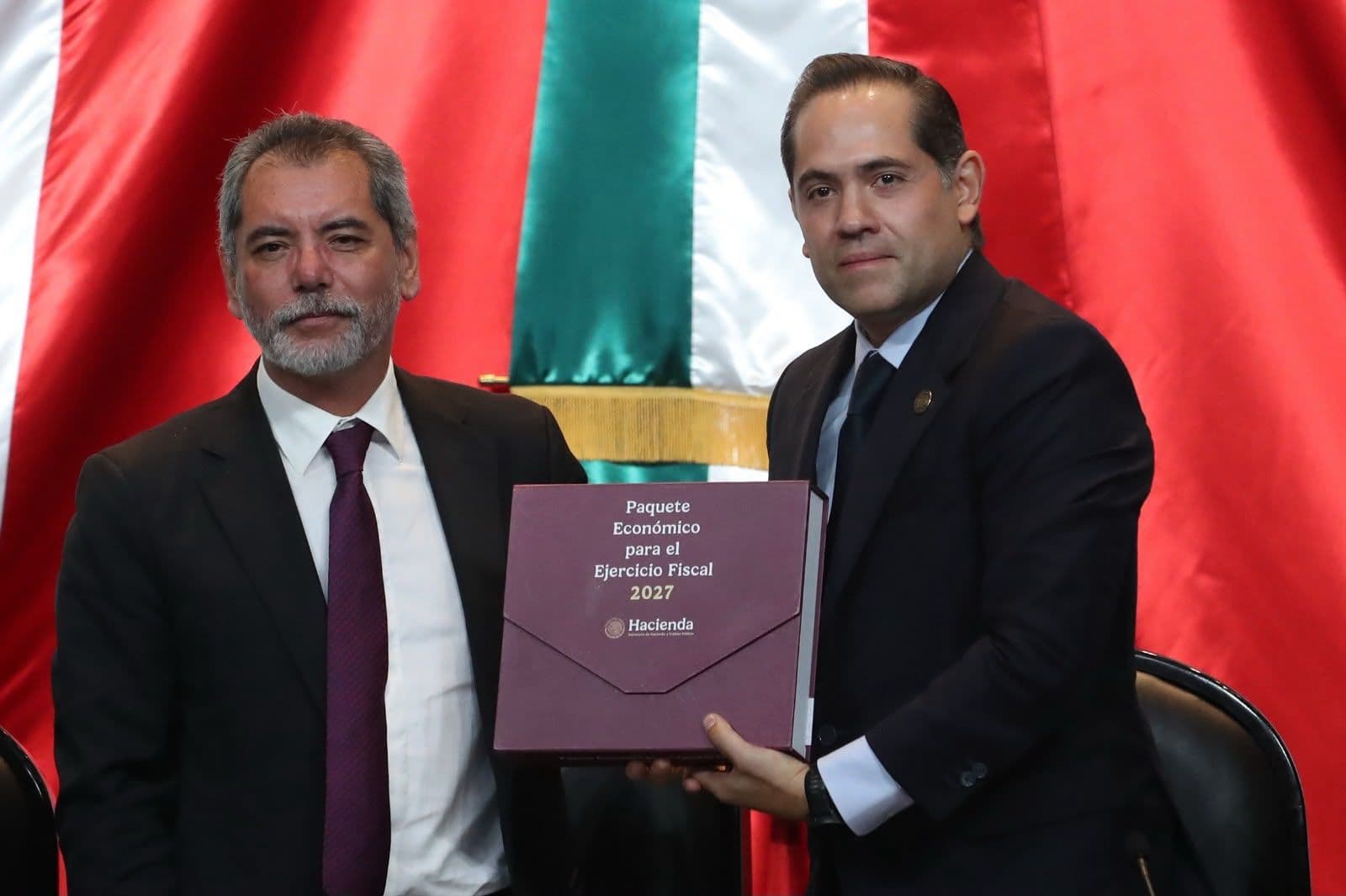
Next year's draft Economic Package, delivered last September 8 to the Legislative Branch, includes 1,591 million pesos for Conanp, which represents in real terms just a 2.6% increase compared to the amount approved in 2026. But, if that amount is compared to the modified budget with which the commission will close the year, of 1,605 million pesos, in reality in 2027 there is a real decrease of 14 million pesos, down 0.9%, NOSSA points out.
This means that the investment per hectare to protect national parks, jungles and seas will be 16.2 pesos per year in 2027. This represents an amount higher than the 10.22 pesos proposed in 2025 for this year's financial year, however, it is still 80% lower than the average exercised in the 2006-2012 six-year period. This is despite the fact that there are currently 7.3 million hectares more than, for example, in 2018.
“This shows that the Mexican State has failed to sustain a sufficient and progressive budget to guarantee the management and conservation of our natural heritage. This is progress, but there is a long way to go,” the coalition said in a statement.
Meanwhile, the Conservation and Management of Protected Natural Areas program, which is responsible for the tasks of surveillance, protection, restoration and sustainable use of ecosystems, will have a smaller budget, if PEF 2027 is not modified, with a cut of 41 million pesos less in real terms compared to the modified 2026 budget, NOSSA analyzes.
“A government's priorities are measured in the public budget. Closing the financial gap of Conanp is a priority and strategic issue for protecting biodiversity and complying with the State's obligation to guarantee the exercise of the human right to a healthy environment. However, the budget that is allocated not only does not close the gap, but it deepens it in key regions,” says Gina Ileana Chacón, director of Public Policy at Wildlands Network Mexico and member of NOSSA.
As for the Conservation Program for Sustainable Development and Prorest (Program for the Protection and Restoration of Ecosystems and Priority Species), they show increases of between 24 and 61 million pesos, respectively.
However, the Articulation of Environmental and Natural Resources Policy program, which seeks to protect 30% of the national territory by 2030, would have a decrease of 55 million pesos.
You may also like: The Supreme Court orders monitoring of water pollution by pesticides in Hopelchén
The numbers in the territory
The money allocated by the federal government translates into more or less surveillance, more or less monitoring, more or less protection. As an example, NOSSA recalls that in 2025 a single park ranger was responsible for monitoring 714,000 hectares of the El Pinacate and Gran Desierto de Altar Biosphere Reserve. One more was responsible for 2.52 million hectares of the Cirios Valley. Another one took charge, alone, of more than 5.75 million hectares of the Mexican Caribbean Biosphere Reserve.
And the situation doesn't look better for 2027, as six emblematic areas went from having funds in 2025 to having zero pesos by 2026, highlights the coalition of environmental organizations such as Causa Natura (CN), Center for Civic Collaboration (CCC), Northwest Environmental Defense (DAN), Climate Finance Group for Latin America and the Caribbean (GFLAC) and Wildlands Network Program Mexico.
These are Cumbres de Monterrey, Cuatrociénegas, Maderas del Carmen, Mapimí, Ocampo and Sierra de Álvarez.
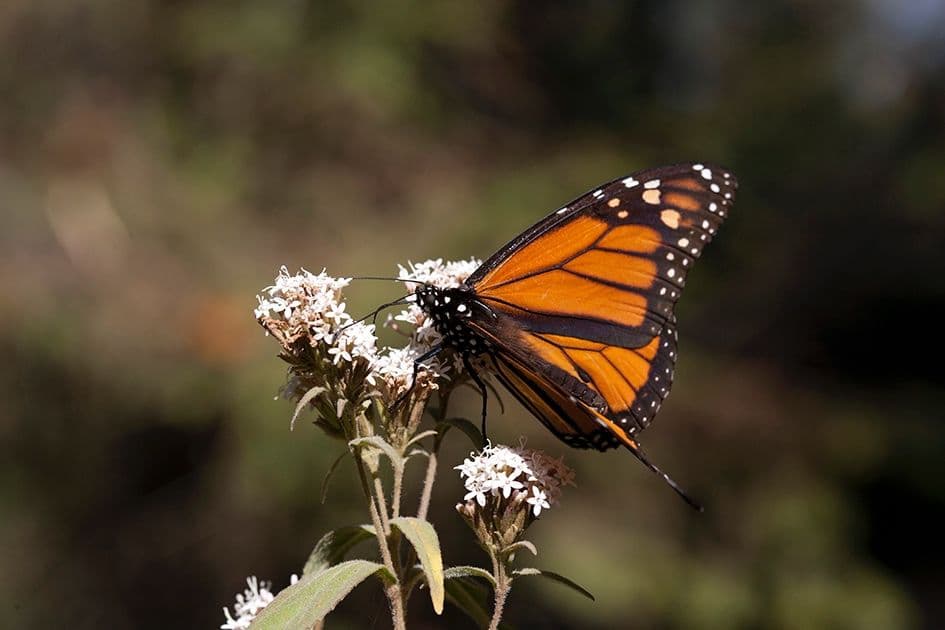
While nature reserves had drastic cuts, such as Calakmul, which will have 70% less, and the Monarch butterfly, with a reduction of 79%.
In addition, 94 ANPs lack Management Programs, the organizations point out. So far in 2026, not a single management program has been published.
Don't miss: “President: Protect Topolobampo”: Greenpeace Scale protests ammonia plant in Sinaloa
What is needed?
Mexico allocates just 0.1% of GDP to the environmental sector, while the Economic Commission for Latin America and the Caribbean (ECLAC) recommends that it be at least 3.7% to address the climate crisis. In other words, the country allocates 37 times less than the bare minimum.
Closing the financial gap requires at least an additional $200 million, according to Conanp's own data. This would translate into greater resources for basic needs such as park rangers, fuel, vehicle maintenance, regional office equipment and basic tools. In addition to monitoring systems for ANPs.


Comentarios (0)