
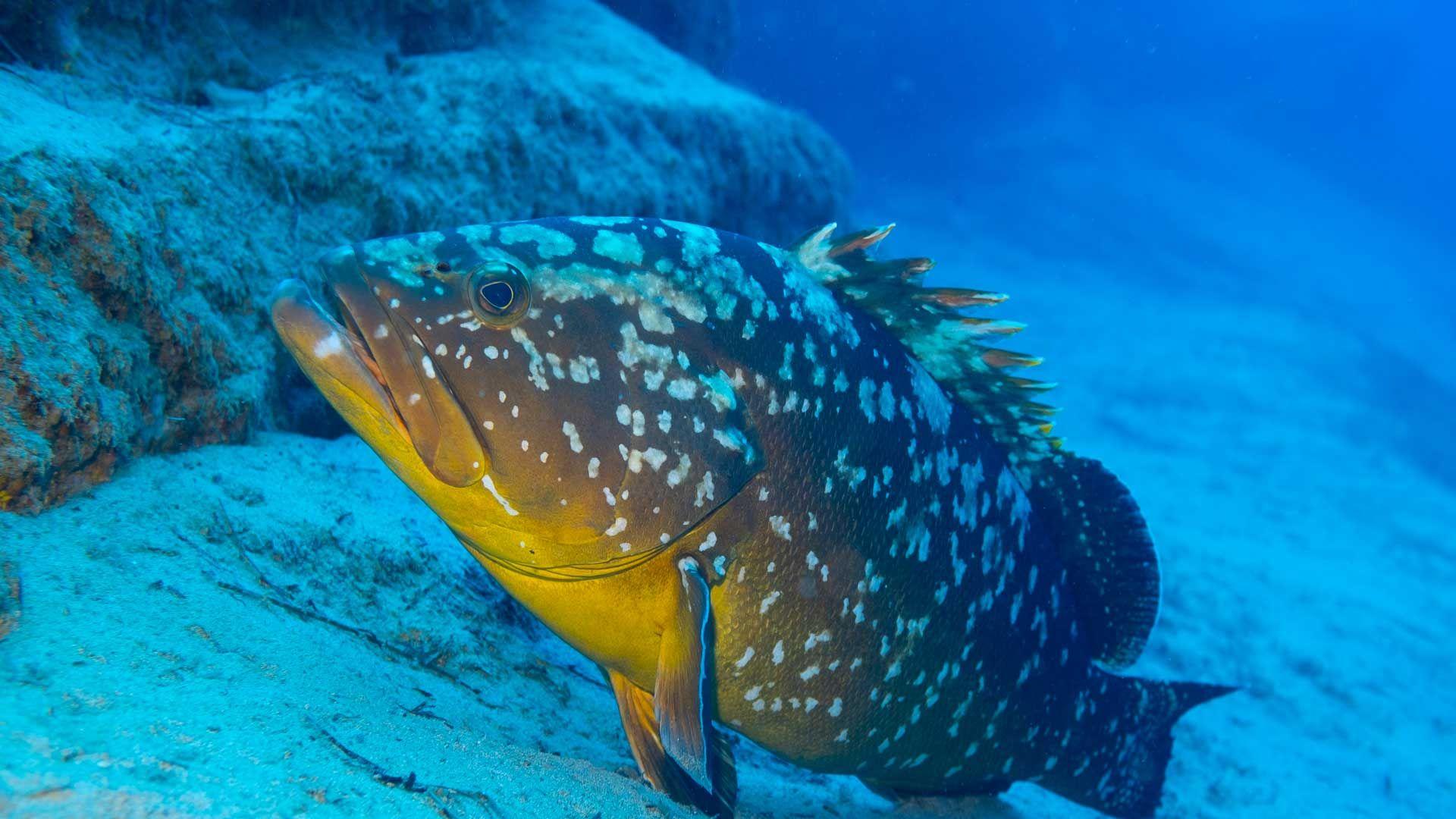
After more than a decade without modifications, the Yucatan grouper Fisheries Management Plan, originally published in 2014, is currently being updated with a comprehensive approach that incorporates a biological dimension of the resource and also social, economic and environmental factors.
The process, started in 2024 and currently in the final phase of institutional review, has involved researchers, fishing authorities, civil organizations and the productive sector itself.
From the Yucalpetén Fisheries Research Center of the Mexican Institute for Research in Sustainable Fisheries and Aquaculture (Imipas), researcher María del Carmen Monroy García stressed that this is a collective effort.
“The update is not just an Imipas job, it's everyone's job,” he said.
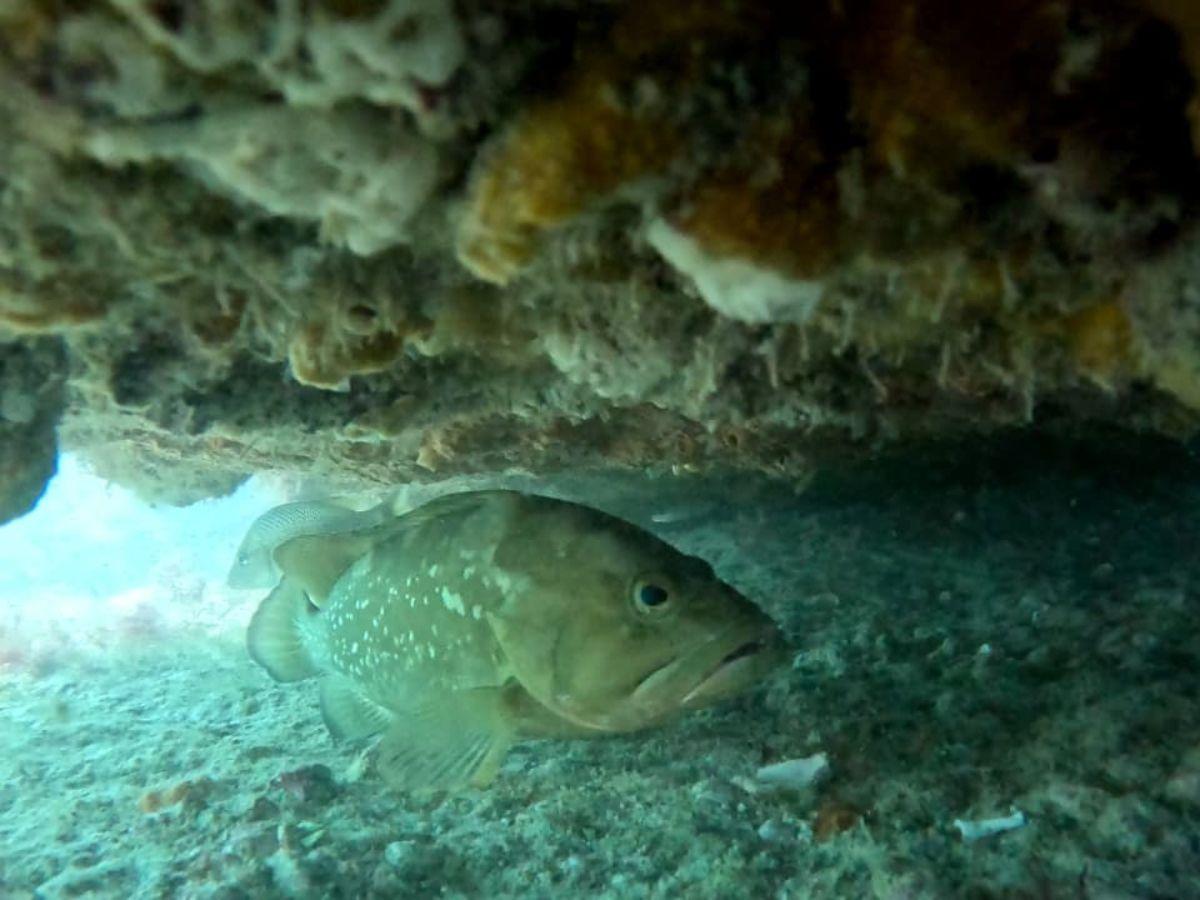 The grouper is a representative species of the region. Photo: Claudia F.
A technical and participatory process
The construction of the new plan has gone through stages that included internal reviews, working groups with specialists, socialization workshops with fishermen and academics, and the reinstatement of the Fishery Advisory Committee.
According to Claudia Febles Gutiérrez, coordinator of the Resilient Communities project at the Environmental Defense Fund (EDF), this process made it possible to strengthen the initial proposal based on dialogue between sectors.
“First we worked with experts who know the resource, then with the industry to find out what they think, and then with researchers in general. That's how it was built,” he explained.
This methodology allowed us to move towards a more robust and consensual document, adapted to changes in the state of the resource and in the fishing context.
A more comprehensive and operational plan
The new Management Plan includes four objectives, 11 strategies and 56 actions aimed at the recovery of the grouper population and the sustainability of the fishery.
Unlike previous versions, the document seeks to be more operational and realistic, reducing the number of actions and focusing on feasible measures.
Its priority axes include: resource recovery and fisheries sustainability, economic strengthening of the activity, social welfare of communities and habitat restoration.
The mere is the hope of the Yucateans who don't know him.
In addition, it incorporates actions along the entire production chain, from evaluating the resource and updating studies on its reproductive biology, to the promotion of complementary economic activities, improvements in social security and environmental education programs.
In this sense, it does not establish immediate changes in regulatory measures such as catch sizes or prohibitions, but it does propose lines of research that could lead to future adjustments.
A deteriorating fishery
The update comes against a background of growing concern. In the last decade, the grouper fishery has moved towards a critical situation in Yucatán.
The State Government recognizes a 17% drop in fish production linked to this species, with direct impacts on fishermen, steaks, cooperatives and companies.
The National Fishing Charter states that this activity has historically been a pillar for the livelihood of around 12,000 fishermen and their families.
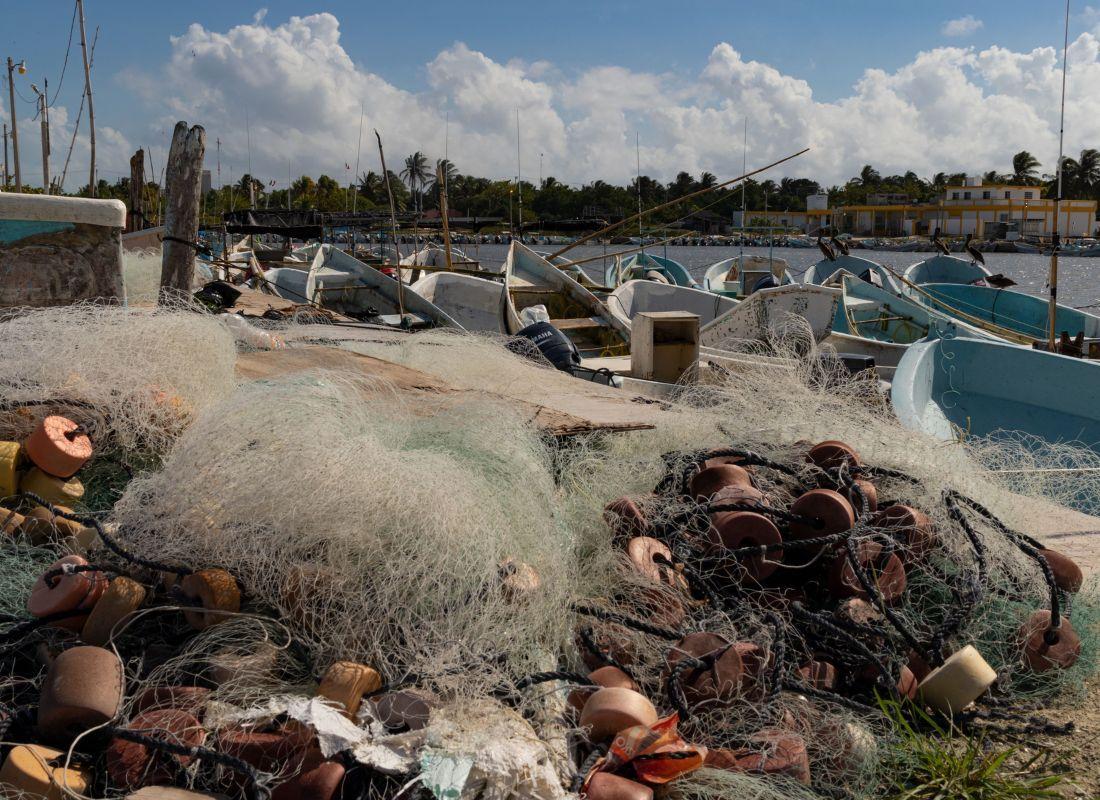
“Here in Celestún it's already very difficult to find grouper; fishing for it is just a memory,” said the fisherman Carlos Andrés Gómez, who recalls that a decade ago he could catch up to 100 kilograms in a day, while today he can barely find a specimen.
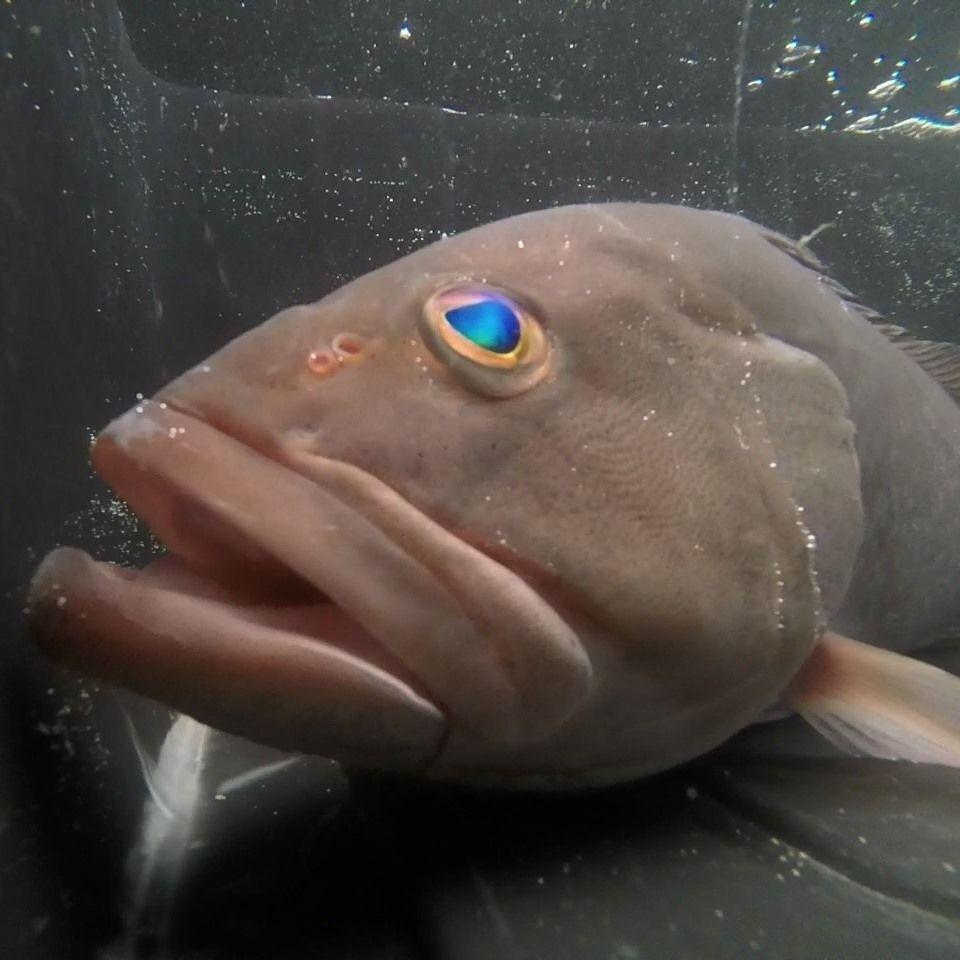
The red grouper is one of the most studied species in the region, which has made it possible to generate rules and management tools based on scientific evidence.
Among the proposals emerging within the update, the incorporation of aquaculture as a complementary strategy for the restoration of the species stands out.
“The fact that aquaculture is seen as an activity that can contribute to restoration is positive,” says academic Claudia Durruty Lagunes, from the UNAM.
This approach adds to the need to strengthen knowledge about the reproductive cycle of grouper and associated species, as well as to improve understanding of the structure of the fishery.
The challenge: moving from paper to action
Despite the technical and participatory progress that the new plan represents, specialists agree that the main challenge will be its implementation.
“The challenge is to apply it. We have the plan, but the important thing is to execute the actions,” warned Monroy García.
Febles Gutiérrez emphasized the co-responsibility of the different actors: “The idea is that it doesn't just remain on paper. That everyone involved can say: what are we helping with?”
As the document progresses towards its official publication, work has already begun with the Advisory Committee and the technical group to define implementation routes.
The update of the grouper Management Plan represents an opportunity to rethink the relationship between coastal communities, the fishing resource and the institutions responsible for their management and it is estimated that this year it will be published in the Official Gazette of the Federation.
* This article was written by Itzel Chan, who covers coastal communities thanks to the support of the Report for the World program .


Comentarios (0)