
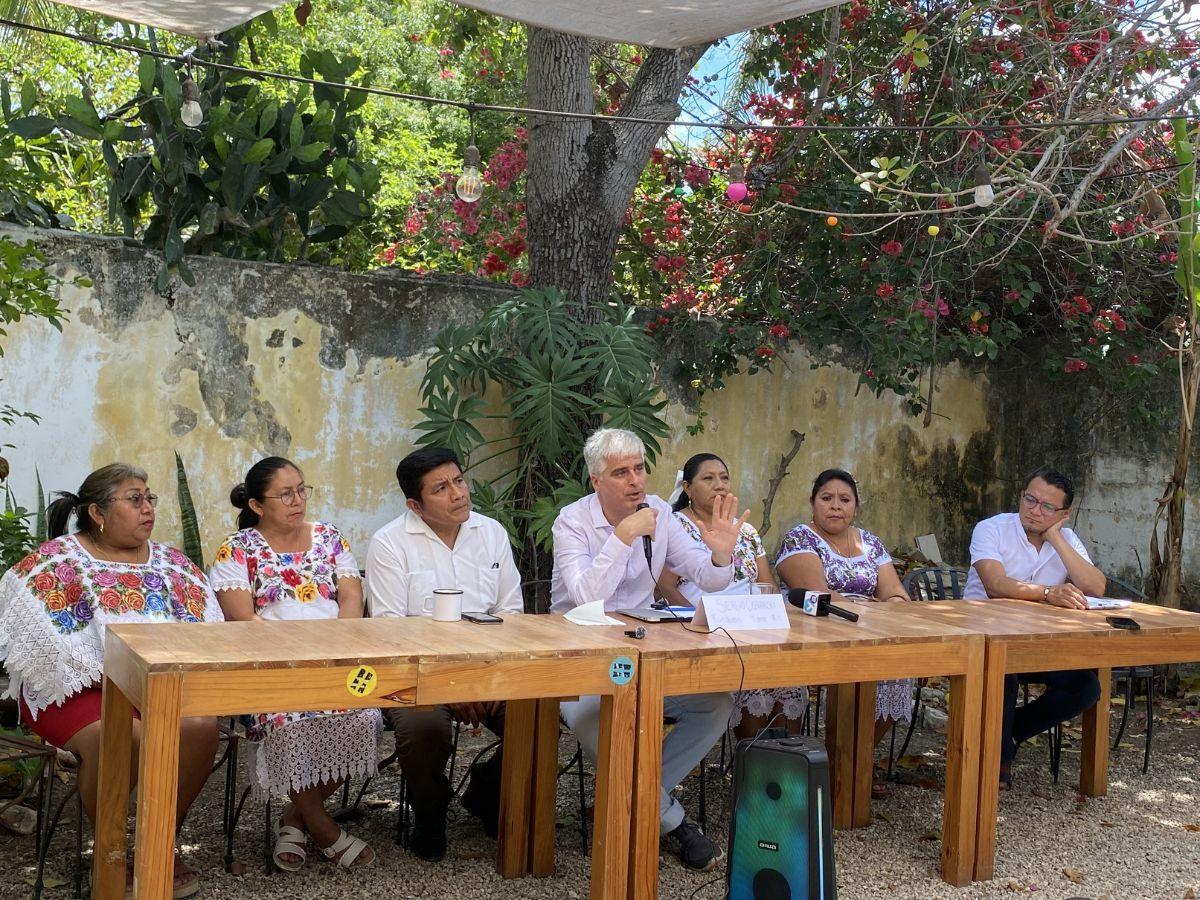
The defense of territory in the Yucatan Peninsula is increasingly a risky activity and a recent example is the case of activist Sergio Oceransky, who is facing an escalation of judicial processes that human rights organizations describe as an example of criminalization against environmental defenders.
After a complaint filed by representatives of the Ciudad Maderas real estate project, Oceransky, director of the Yansa Foundation, was arbitrarily arrested in Jalisco in early April, in a process that, according to his defense, was marked by serious irregularities ranging from notifications made in non-existent homes to the contempt of a judicial suspension that prevented his arrest.
The arrest occurred on April 6, despite the fact that the activist voluntarily appeared before the court with a current amparo. He was released that same day after national and international pressure, but the case did not end there.
Just hours after regaining his freedom, Oceransky received a new subpoena announcing that he will face a trial hearing on April 15 in Yucatán, stemming from a complaint filed by members of the Abimerhi and Millet families against him and members of the Mayan community of Ixil.
A pattern that repeats itself
For companion organizations, it forms part of a larger pattern of strategic litigation used to curb the defense of the territory, known as SLAPP (Strategic Lawsuits Against Public Participation).
“Zones of environmental sacrifice are implemented through zones of silence,” Oceransky himself denounced, noting that these processes seek to inhibit public participation and weaken community organization.
According to data presented by the Mexican Institute for Community Development (IMDEC), Mexico remains among the most dangerous countries for environmental defenders. In 2025 alone, 40 human rights defenders were killed, many of them linked to the protection of the territory.
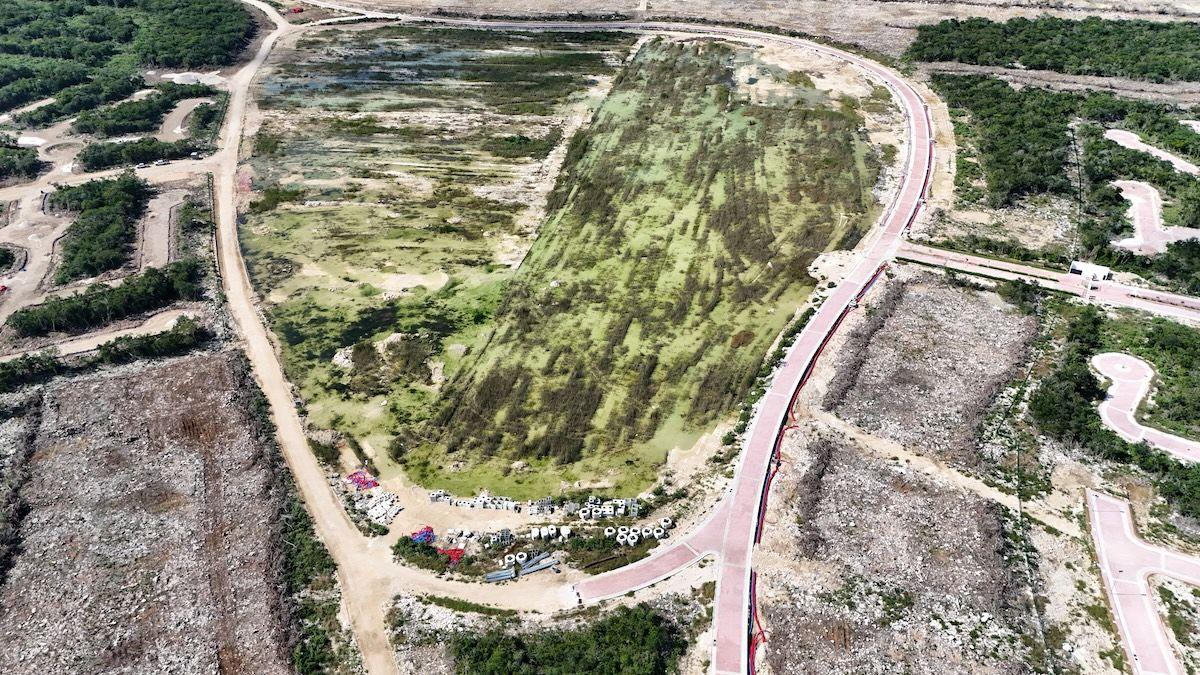 The devastation that the Ciudad Maderas project has caused is evident. Photo: Profepa.
Real estate interests in between
The conflict comes just at a time when there is great pressure from real estate projects on the Yucatecan coast. In particular, the Ciudad Maderas project is located between Chelem and Chuburná, in an area adjacent to mangroves and lagoon systems of high ecological fragility.
Specialists and communities have warned that the removal of vegetation cover in this region could have irreversible consequences.
“If the last strip of jungle is eliminated, the mangroves collapse and that seriously affects the coastal system and water reserves,” he said during the public complaint of the case.
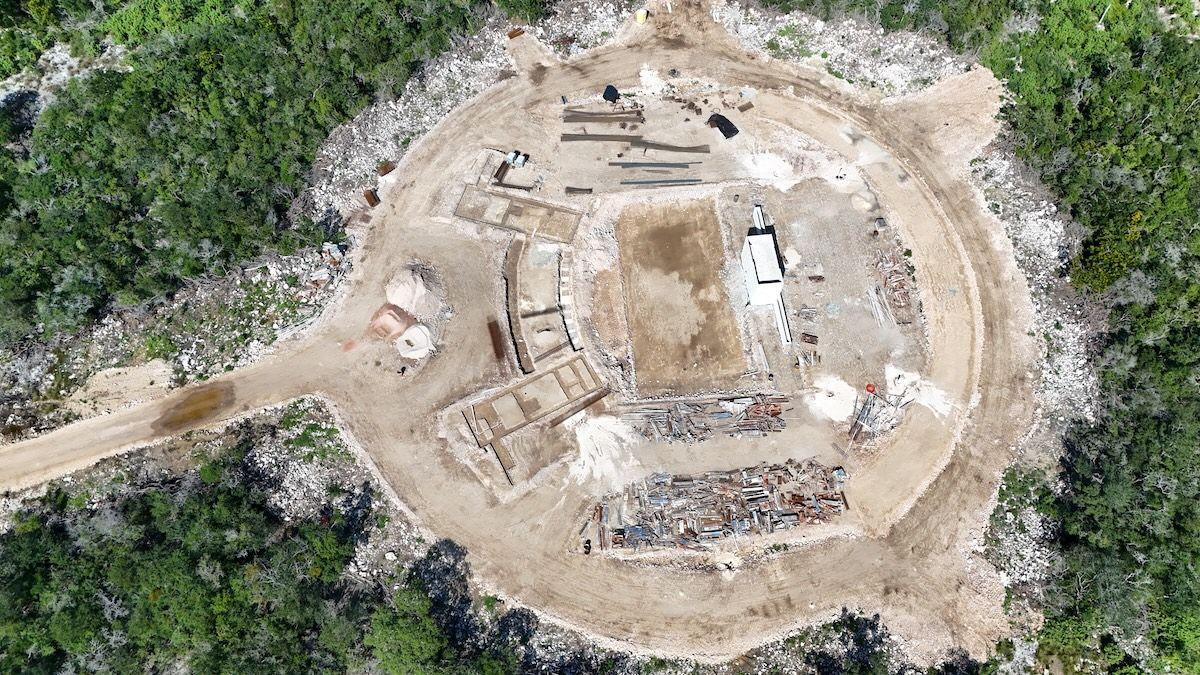 Activists are criminalized for exposing the harm of this type of project. Photo: Profepa.
Irregularities and “gag”
During the trial in Jalisco, a judge also imposed a measure that prevents Oceransky from publicly mentioning the company that reported him, which has been described as a “gag” that limits his right to defense and freedom of expression.
The activist also denounced that the investigation against him was fabricated and that there is coordination between state prosecutors, which would show political and business pressure to obtain a conviction.
Added to this is a context of risk and Oceransky himself recognized the fear he faced when going to court in Jalisco, one of the entities with the highest number of attacks against defenders.
Beyond the individual case, the process also involves members of the Mayan community of Ixil, which expands concern about the collective criminalization of those who defend their territory.
Organizations have warned that these types of actions seek to punish visible leaders and dismantle entire community processes.
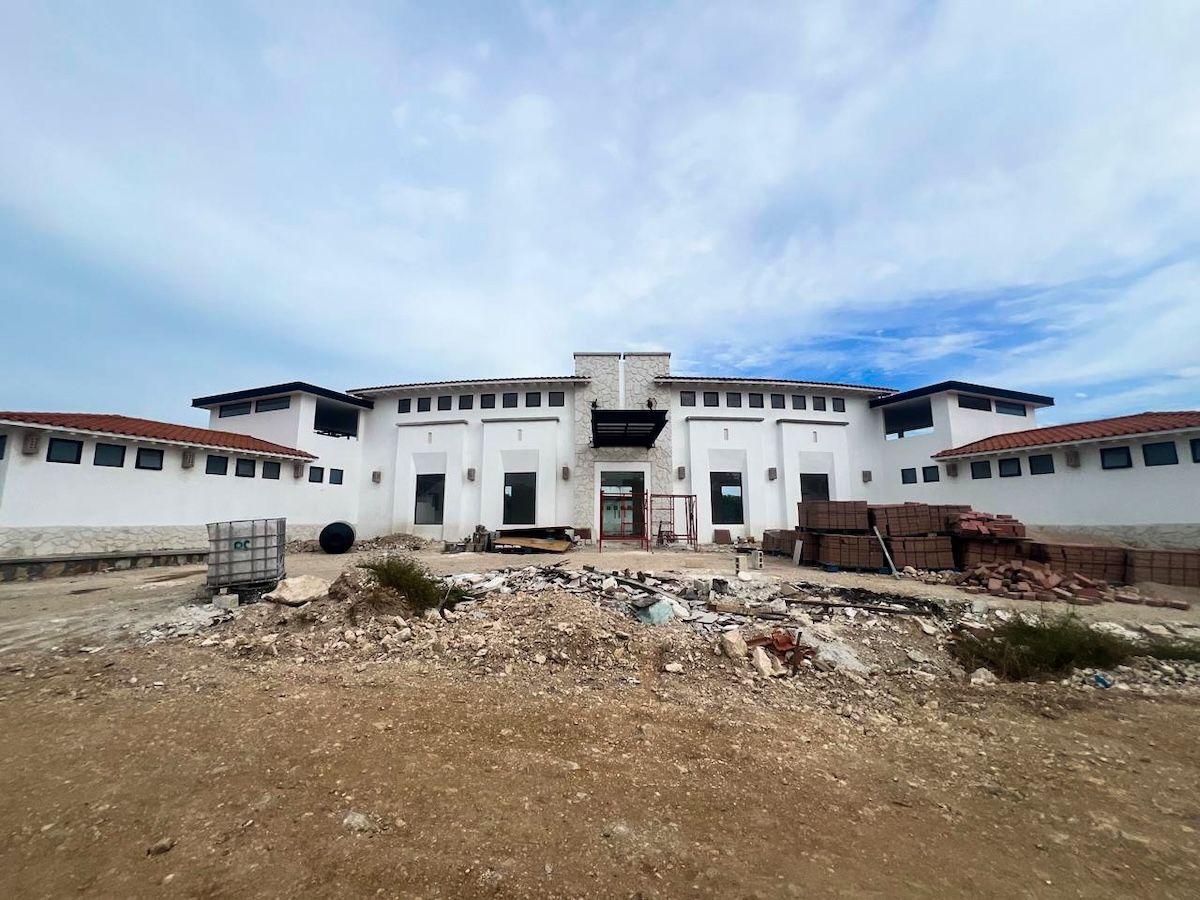 The real estate company Ciudad Maderas has sought resources to continue with the project. Photo: Profepa.
They demand protection and compliance with the Escazú Agreement
Faced with this scenario, national and international organizations have demanded that the Mexican State guarantee the protection of defenders and respect due process, as well as to comply with the Escazú Agreement, which establishes specific obligations to protect those who defend the environment.
They have also pointed out omissions by institutions such as the Federal Attorney's Office for Environmental Protection (Profepa) and the Secretariat of Environment and Natural Resources (Semarnat), whose lack of action in the face of possible environmental irregularities has contributed to conflicts escalating to criminalization.
The case of Sergio Oceransky reveals tension in the midst of the progress of real estate projects on environmentally sensitive territories in the face of communities that try to defend them.
“This cannot happen in Yucatán, we are not criminals, we are defenders of our territory and we demand protection and justice,” said Federico May, from Kinchil.
* This article was written by Itzel Chan, who covers coastal communities thanks to the support of the Report for the World program .


Comentarios (0)