
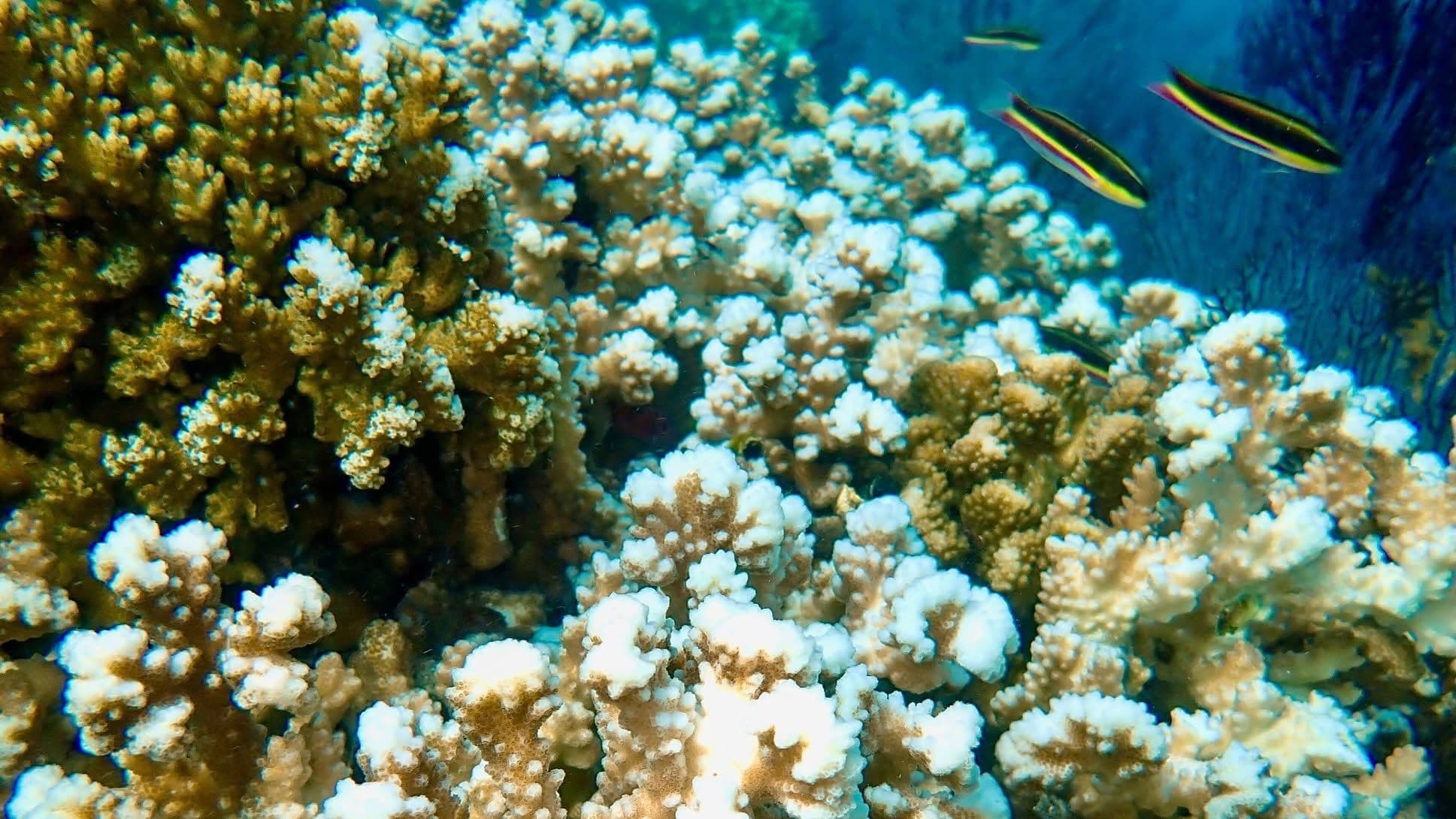
After three years, the Cabo Pulmo reef, in Baja California Sur, begins to recover.
The high temperatures of 2023 caused coral bleaching and death, but now, in a sign of resilience, they are recovering in Baja California Sur at a time when rising ocean temperatures are causing increasing damage to the world's corals.
Héctor Reyes Bonilla, research professor at the Autonomous University of Baja California Sur (UABCS), explains that three years ago approximately one third of the coverage that existed in 2022 was lost.
“In 2023, we had very strong bleaching and there was a lot of dead coral. Coverage fell by about a third,” he says.
Despite the impact, subsequent monitoring shows a gradual recovery. Reyes Bonilla estimates that, if this trend continues, in two or three years we could return to conditions similar to those existing before 2023.
“They have been recovering little by little (...) right now we are still below what we were in 2022, but we suppose about two, three years, (to) be back in normal conditions,” he says.
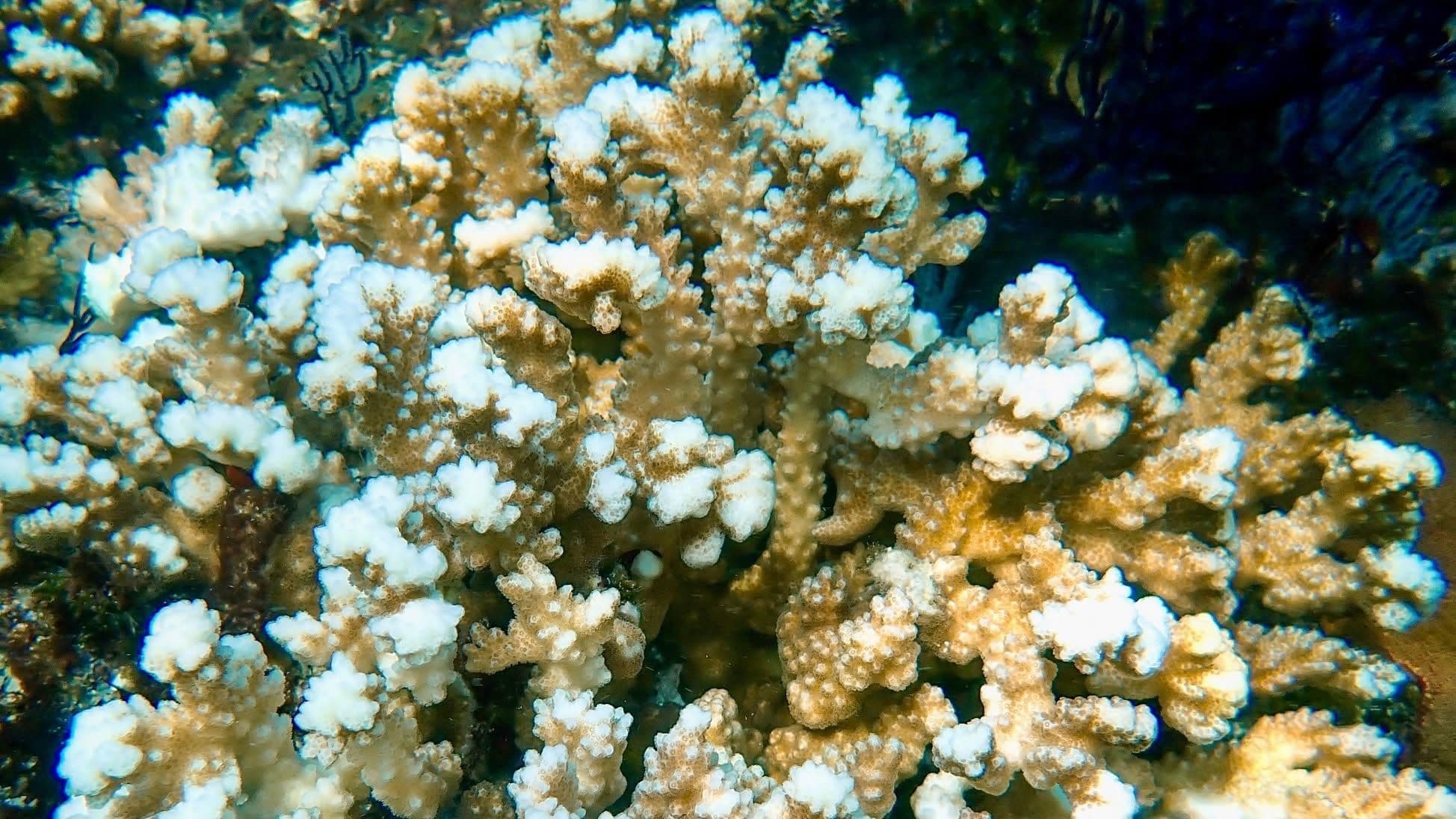
Cabo Pulmo facing a global coral crisis
The recovery comes after the largest global whitening event recorded so far.
The United States National Oceanic and Atmospheric Administration (NOAA) reported that between January 2023 and September 2025, around 84.4% of the world's coral reef area was exposed to levels of thermal stress capable of causing bleaching.
In Mexico, severe damage was also registered. A study published in 2024 in the scientific journal Oceans documented that in reefs in Huatulco, Oaxaca, the average mortality during the 2023 episode was around 70%, while in La Entrega, in the same state, it reached 92.82%.
According to researchers, the characteristics of Huatulco and Cabo Pulmo are different, so the percentages cannot be compared directly. However, the data show the magnitude of the warming episode faced by Mexican coral ecosystems.
In Cabo Pulmo, monitoring recorded 65% of bleached corals and 36% mortality during 2023, according to information from the UABCS Reef Systems Laboratory released by the Baja Coastal Institute.
You may also like: The sea is eating away at a town in Oaxaca
An ecosystem that supports fish, sharks and human activities
Cabo Pulmo National Park protects 7,111 hectares, mainly marine, and is home to the only coral reef system in the Gulf of California, according to the National Commission for Protected Natural Areas (Conanp).
Its waters contain 11 of the 14 species of reef-building corals recorded in the Gulf of California, in addition to an important diversity of fish. Its conservation has effects on the entire ecosystem.
“People aren't really going to see corals, they're going to see sharks, they're going to see horse mackerel (...) goats, snappers,” Reyes Bonilla explains.
“The good condition of the coral reef means that we have sharks in Cabo Pulmo, in short,” he adds.
Reefs also support activities such as tourism and fishing, and help protect shorelines. The researcher shares that their structures allow them to retain sediments and reduce sand loss.
“Having a healthy reef helps us not to lose beaches,” he says.
Don't miss: Divers abandoned on the high seas: the invisible risk of poaching in Yucatán
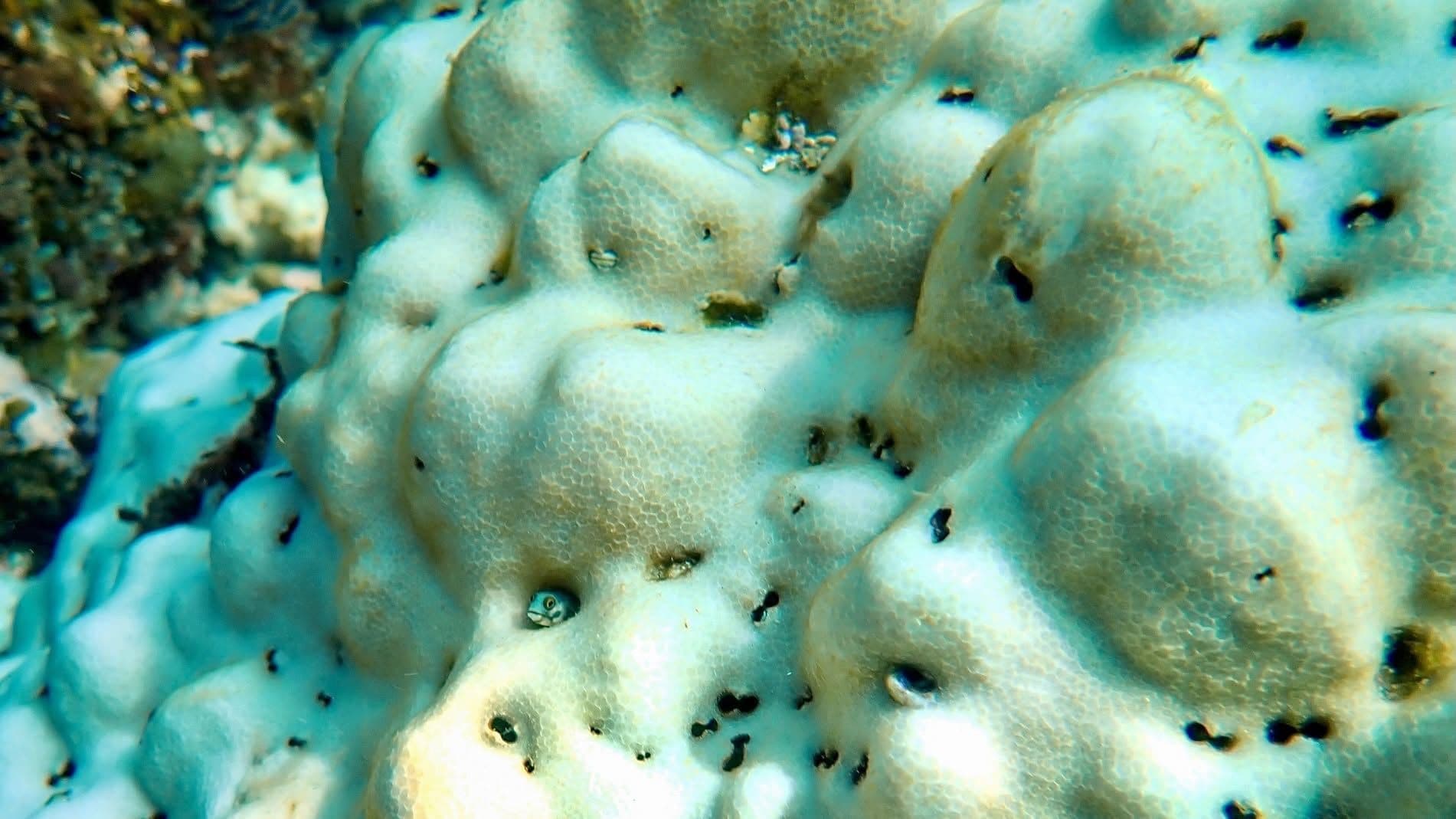
Cabo Pulmo's resilience has limits
Recovering the reef does not mean that Cabo Pulmo is immune to climate change.
Reyes Bonilla recalls that the 2023 warming affected the different coral areas of Baja California Sur, including those under protection schemes.
“They were all affected in 2023, it was a phenomenon across the Pacific,” he says.
The difference is in the ability of a healthy ecosystem to recover after the impact. That recovery takes time.
According to the researcher, a coral can grow about four centimeters a year under favorable conditions and recovery or restoration processes can last for years.
“It could take a decade,” he warns.
The future of Cabo Pulmo will depend on having enough time to recover before facing new extreme episodes.


Comentarios (0)