
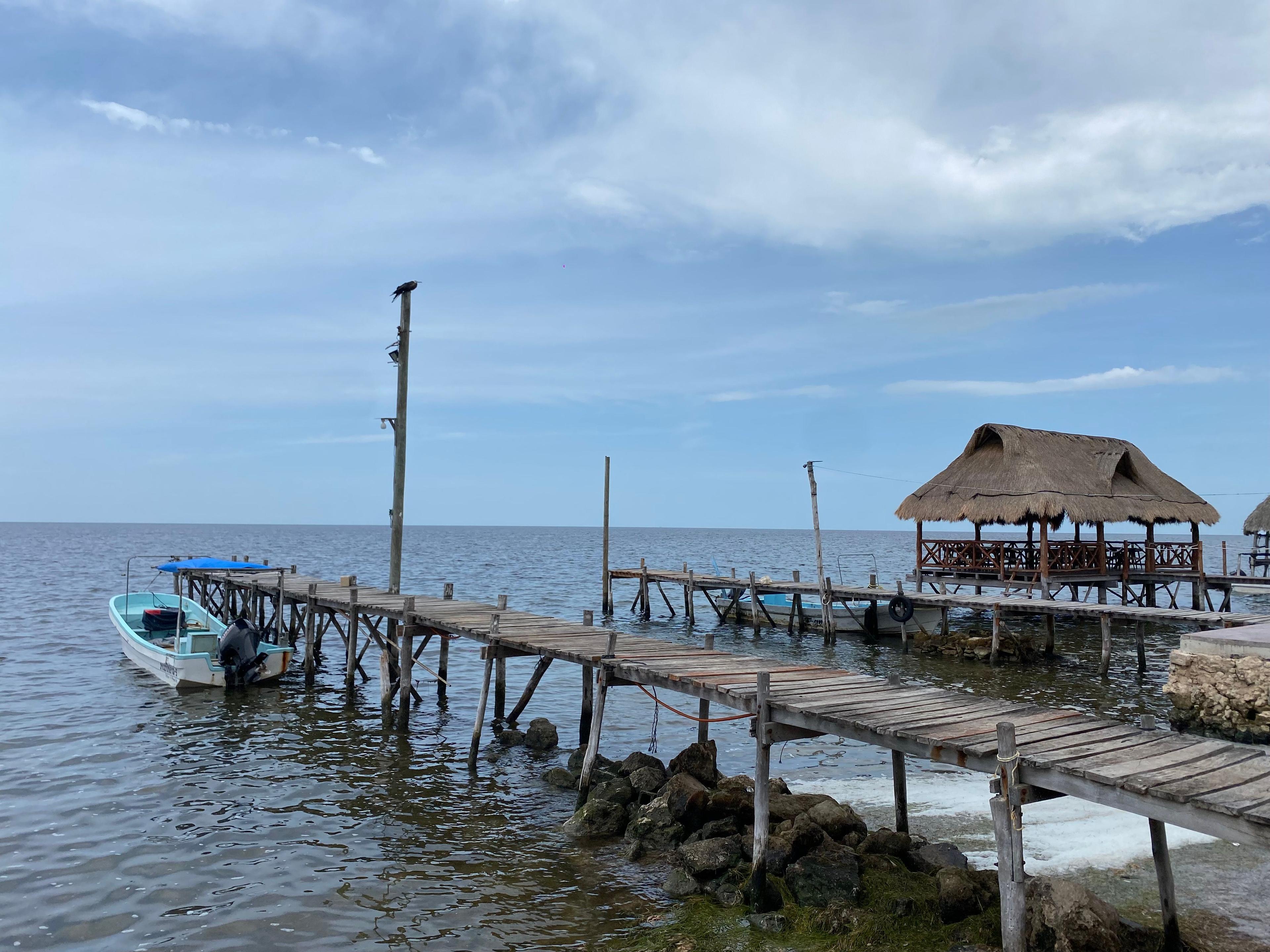
Every year, with the arrival of the most intense heat, the same scene is repeated in Yucatán and there are streets in the dark, fans stopped and entire families trying to cope with temperatures that do not give up. Between April and August, reports of power cuts skyrocket and in coastal municipalities the scene worsens because fishermen are dealing with the conservation of their fish products.
“Here in the port during holiday seasons, the electricity goes out much more because tourists come and all the light is taken away by the hotels,” said Marina Ruiz, a resident of Cuyo.
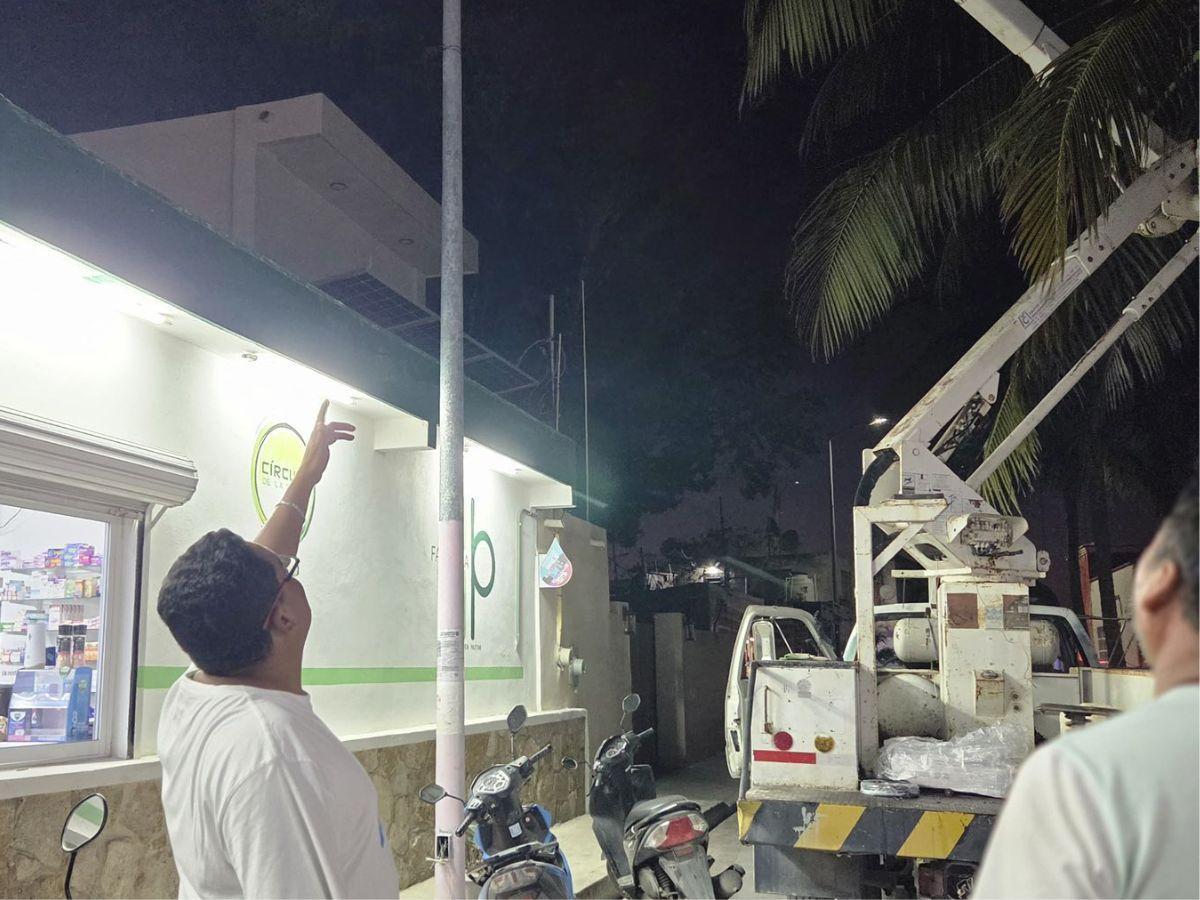 Electricity problems worsen during vacation seasons. Photo: Celestún City Hall.
In recent years, El Cuyo has begun to transform. Along with fishing activity, new restaurants, small bars and recreational spaces have emerged that seek to respond to the growing influx of tourists. For many residents, this diversification represents an opportunity, but it also raises questions about the direction of development in the community.
Elías Hernández Medrano, a fisherman, observes these changes and recognizes that modernization can be positive, as long as it does not compromise the balance of the place.
“It's good that it grows, but that it's sustainable,” he says, aware that development without planning can bring more problems than benefits.
The Holy Week and summer seasons are the most critical point. Although the festive atmosphere energizes the local economy, it also reveals the town's limitations.
Guillermo says that during those days, basic services collapse. “The party lasts 15 days, because at that time El Cuyo also becomes a party room for politicians. It has happened to us that when a lot of people arrive, there are not enough services, especially electricity, and there is not enough food,” he says.
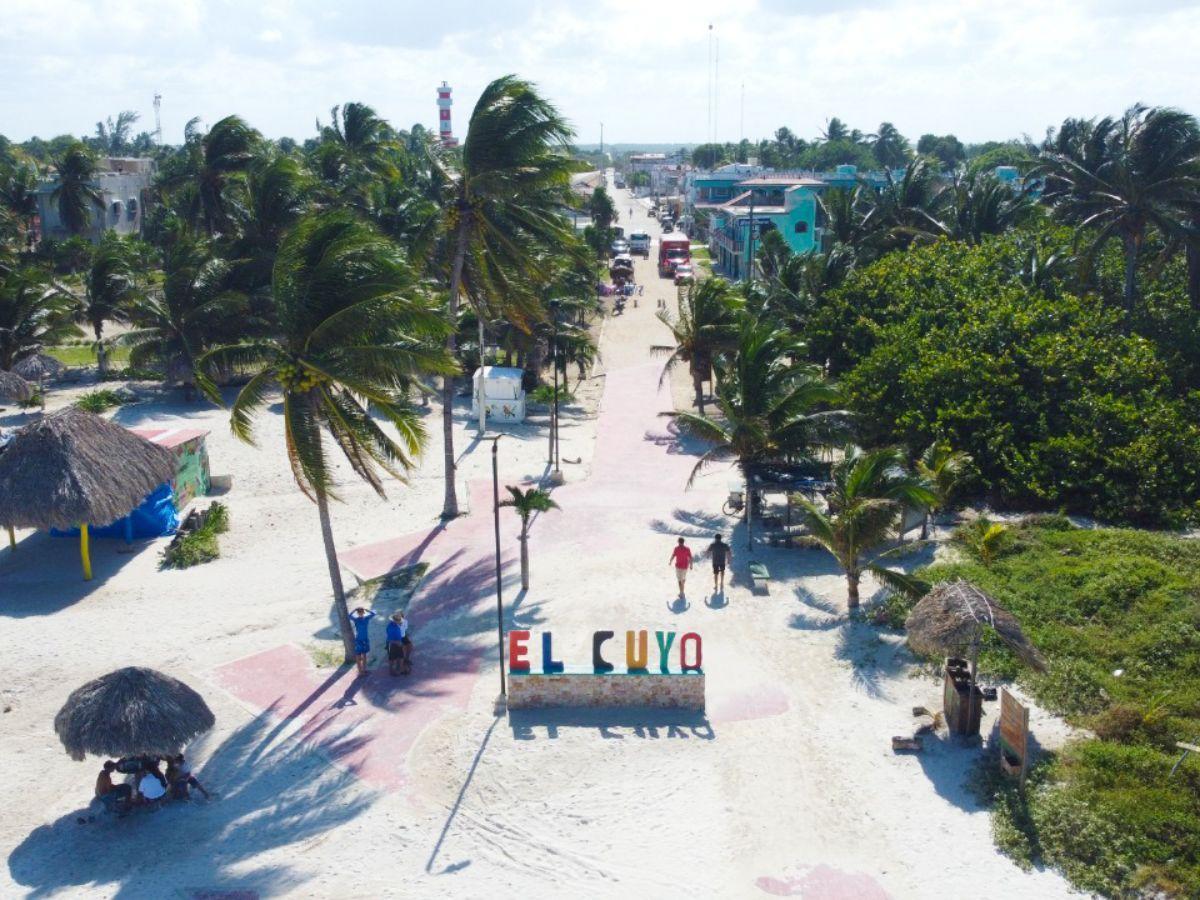 Basic services in El Cuyo collapse during the holiday season. Photo: Greece Cetina.
Behind the tourist boom, what remains is a community where electricity, water and even access to food are scarce in the middle of the high season.
The massive use of air conditioners in the face of extreme temperatures increases electricity demand to levels that the grid cannot sustain. The Federal Electricity Commission (CFE) usually attributes these faults to “grid overload”, and then transformers collapse and there are intermittent outages that can last for hours.
“In Celestún when the power goes out, the bad thing is that it takes time to arrive and above all, the network goes out, so we are left incommunicado. And yes, it's a can because we have to get ice for our freezers where we keep the fish product,” said Wendy Uc, a fisherwoman.
In coastal areas and in areas of real estate expansion, accelerated growth has intensified pressure on infrastructure that was not necessarily designed to support that level of consumption.
During vacation seasons and weekends, the occupancy of beach houses, hotels and temporary rentals significantly increases electricity consumption.
In places like Progreso, Celestún or Telchac, residents have pointed out that blackouts become more frequent just during periods of peak tourist influx. While the tourism sector maintains its operation, many families face power outages that affect everything from preserving food to resting in the middle of sweltering nights.
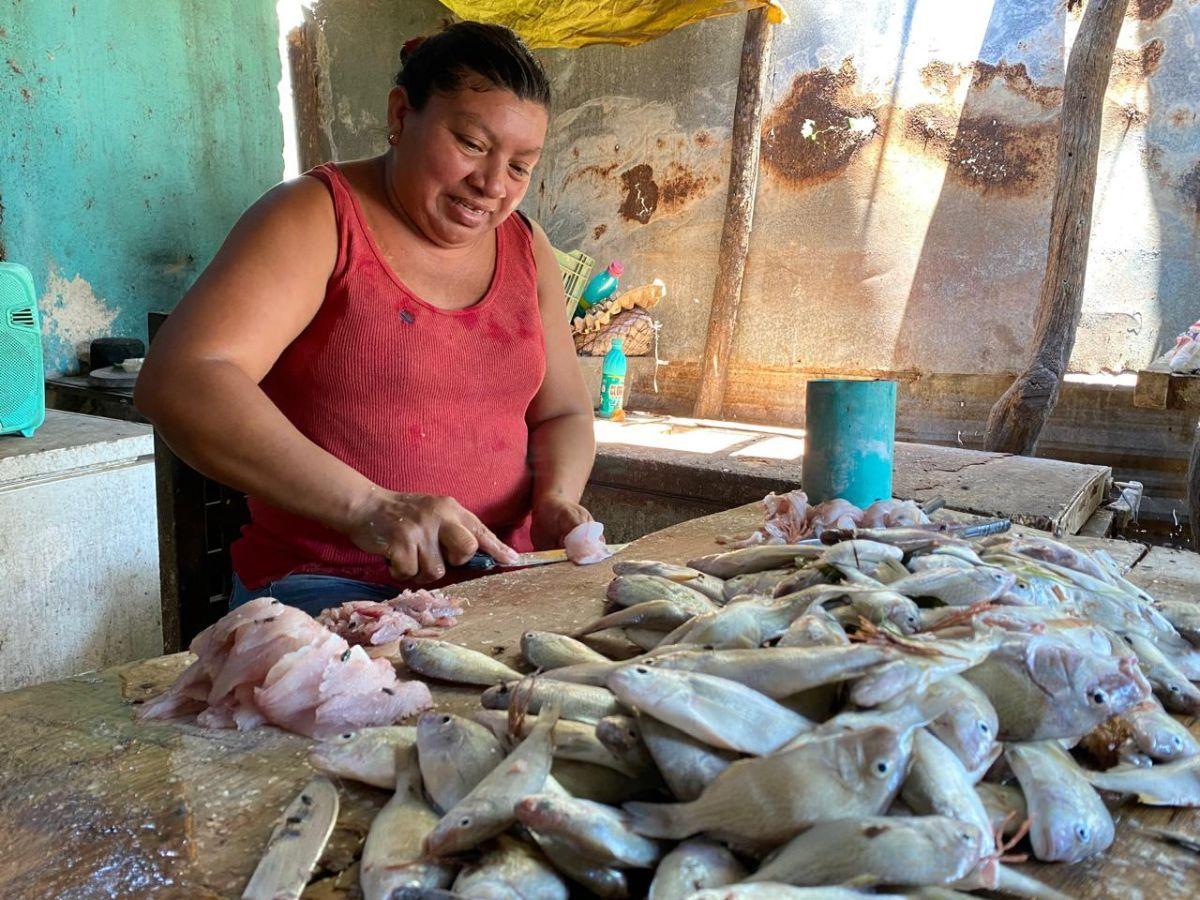 Steak makers also suffer from the consequences of electrical failures. Photo: Itzel Chan.
Alfredo Gómez, a fisherman in Progreso, mentioned that without electricity, ice plants stop operating and what little is left in storage begins to melt in a matter of hours.
For those who rely on daily fishing, this means seeing their product lose quality before reaching the market, forcing them to sell at a lower price or, in the worst case, assume total losses.
Faced with these scenarios, fishermen improvise and search for ice in other ports, accelerate sales or share resources between cooperatives, but each solution involves more expenses and a lower profit margin.
Pressure intensifies during seasons of heat and high tourist influx. In ports such as Progreso, Celestún or Telchac, the increase in electricity consumption by summer houses, hotels and temporary rentals directly competes with the needs of local communities.
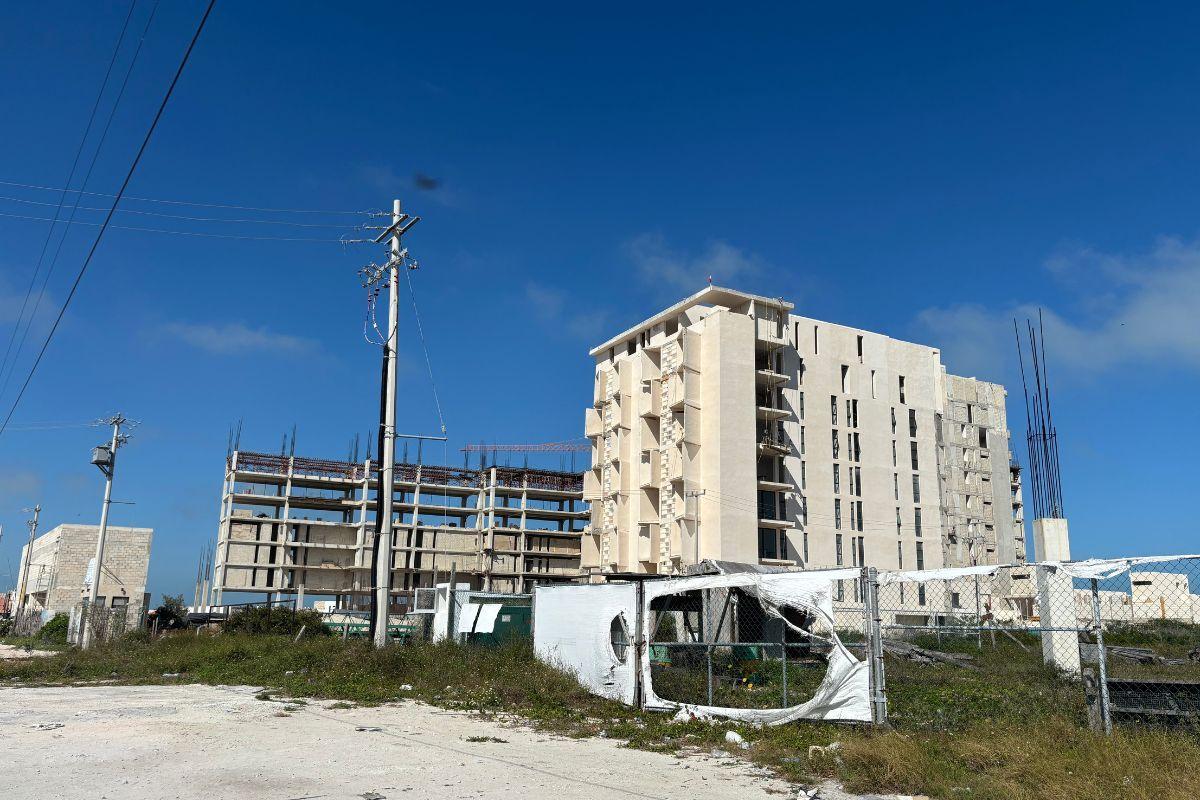
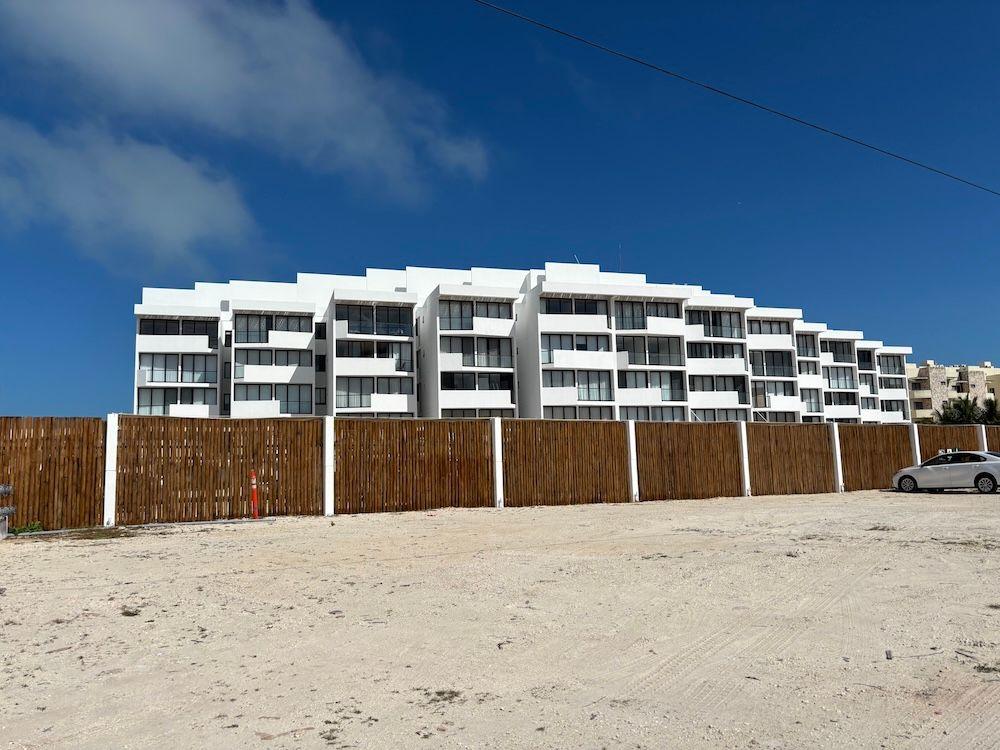 New hotel complexes use a lot of electricity. Photo: Itzel Chan.
Sisal has become one of the clearest examples of how tourism can exceed the capacity of basic services. During peak seasons, residents have reported that the increase in the influx of visitors causes frequent power cuts and failures in the supply of drinking water. While hotels, restaurants and rental homes are operating, many families face hours and even days without electricity or water.
Last year alone, for Rio Lagartos, there was a report of six blackouts “for periods of hours” between July and October.
A review of reports from the Federal Electricity Commission (CFE) found that at least 40 communities and ports on the east coast are suffering repeated interruptions. In Progreso, complaints were identified for episodes of 10 hours without electricity and those who live on fishing report loss.
* This article was written by Itzel Chan, who covers coastal communities thanks to the support of the Report for the World program .


Comentarios (0)