
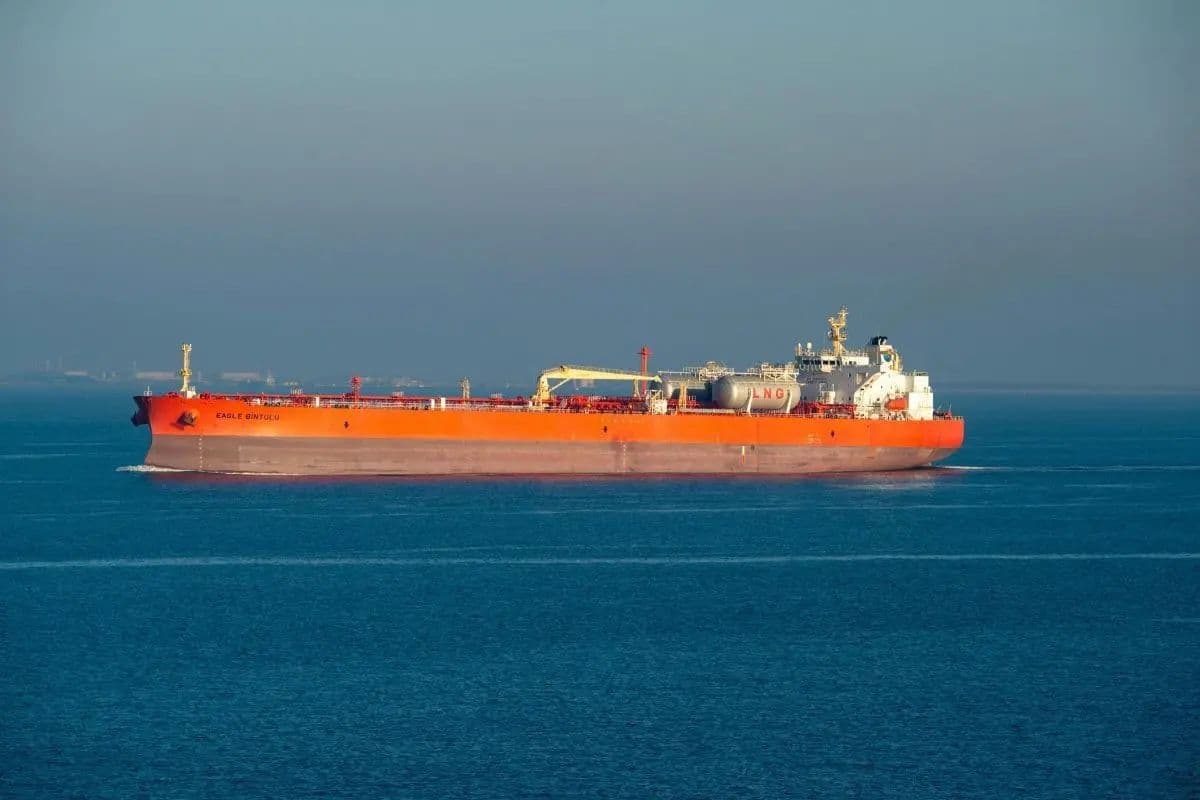
The vaquita marina is the reason why the Gulf of California has been on the List of World Heritage in Danger since 2019, however, this Tuesday UNESCO added an additional concern: the possible arrival of liquefied natural gas terminals in the region, projects that are being stopped by legal action.
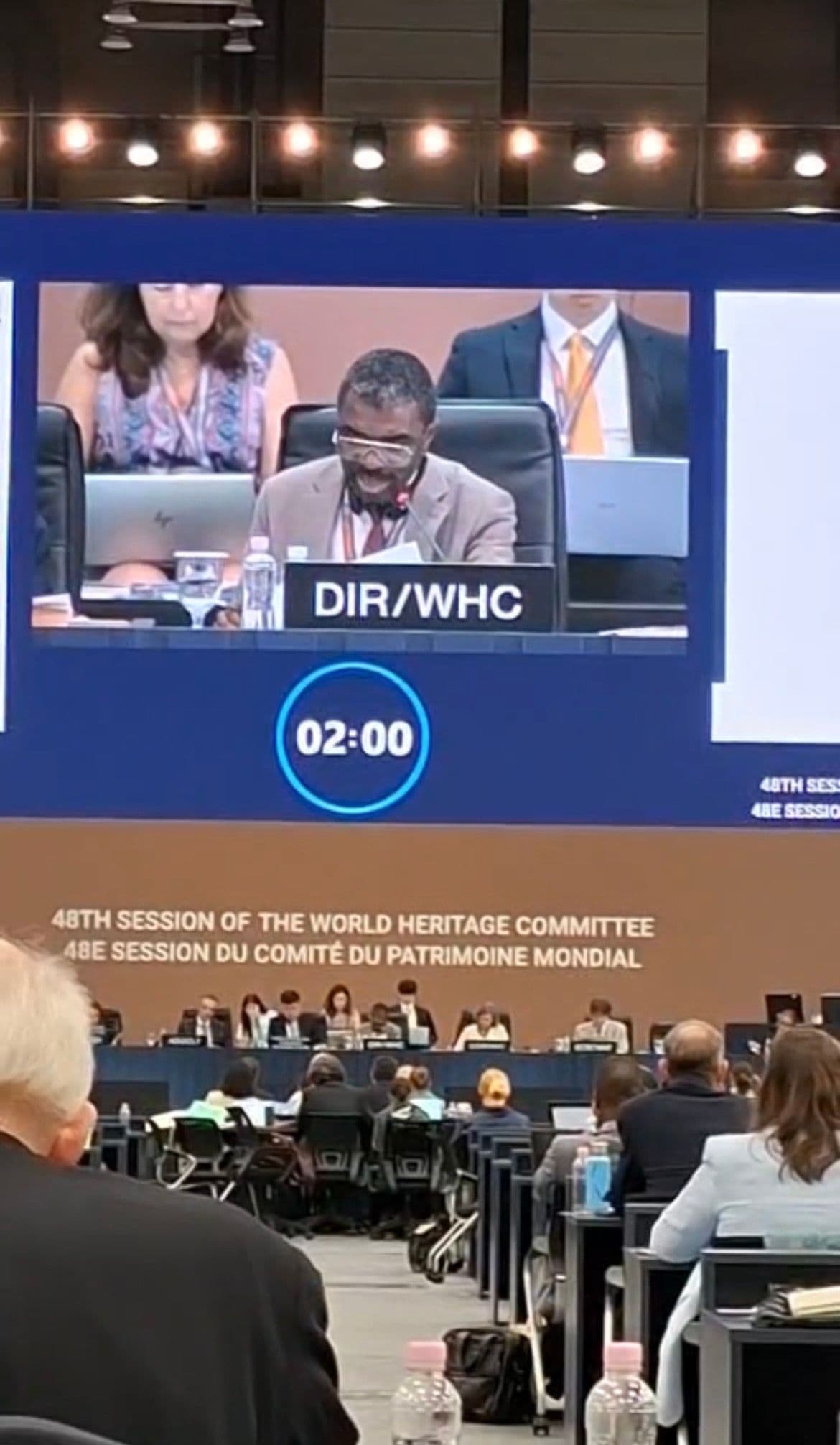
This July 22 in Busan, South Korea, during the 48th session of the World Heritage Committee, the UNESCO body announced that it will keep the Islands and Protected Areas of the Gulf of California on the list of “endangered” because of the threats faced by the vaquita marina.
In addition, the Committee took note of the reports sent to it by special rapporteurs from the UN and civil organizations such as the Mexican Center for the Defense of the Environment (DAN), on four projects that could devastate the area: the Sonora-Saguaro Energy LNG Terminal, the American Mexican Integrated Gas Operations terminal (Project AMIGO), the already canceled Vista Pacifico LNG with its associated gas pipeline, and the Cosalá LNG liquefaction plant.
Gas enters the file
Mexico informed the World Heritage Committee that these projects are still suspended due to legal disputes and that, if they move forward in the future, they would have to undergo environmental impact assessments before any authorization is granted. The problem, according to the technical analysis carried out by the World Heritage Center and the International Union for Conservation of Nature (IUCN), is that the answer does not contain the specific data that the Committee itself had requested since 2025: exact locations, scope and impact studies on marine biodiversity.
“It notes that infrastructure projects for the development and transportation of natural gas in the northwest of the country remain suspended due to legal challenges, that such projects would be subject to national impact assessment processes, and that the State party will inform the World Heritage Center about the details, including possible impacts on Exceptional Universal Value,” reads the Committee's decision.
“It also notes with concern, however, the concerns expressed by third parties regarding an alleged planned expansion of several Liquefied Natural Gas (LNG) projects in the vicinity of the site,” he adds.
For this reason, in decision number 48 COM 7A.44, the Committee asks the Mexican State to provide detailed information on any project that may affect the Exceptional Universal Value of the site, to ensure that any impact assessment is carried out with international standards, and not to approve activities that harm that value, so in 2005 it was registered on the World Heritage List.
Although it's just a wake-up call, this puts more pressure on gas projects and places them under the scrutiny of a UN body.
What happened to the vaquita marina?
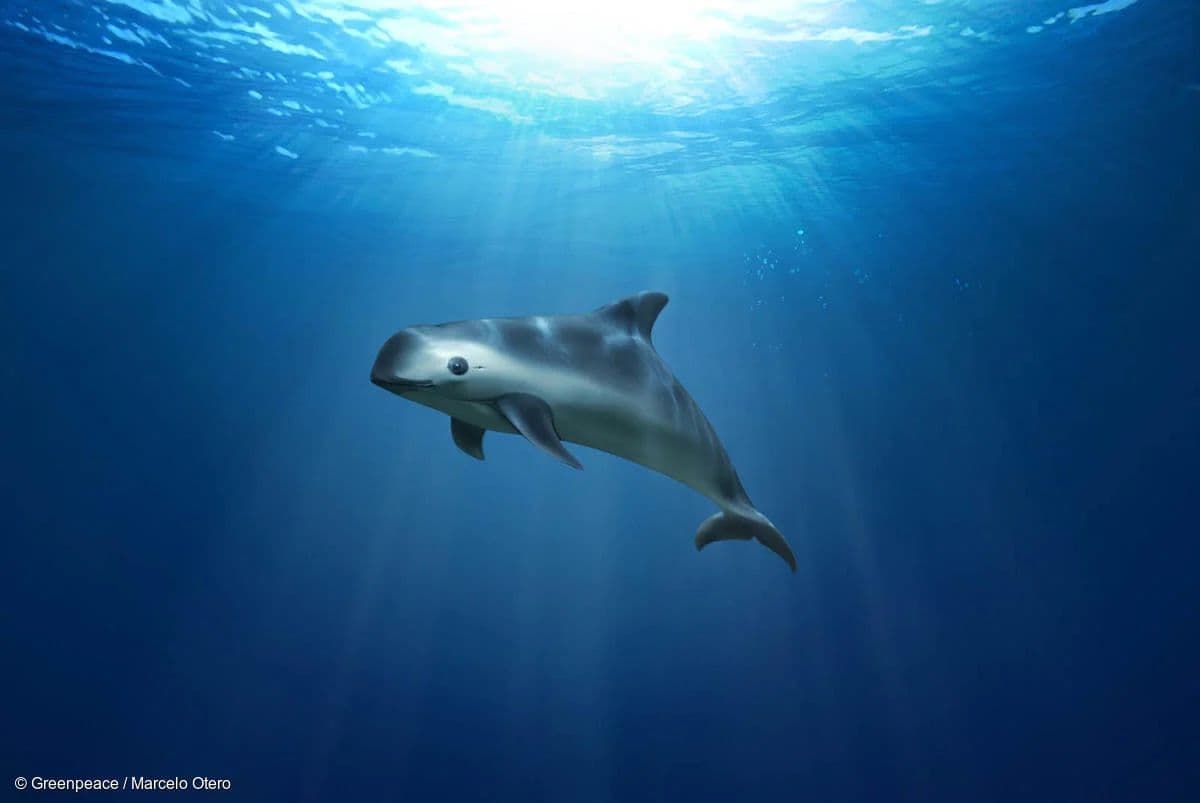
The report that the Committee reviewed reports between seven and 10 specimens of marine vaquita observed during 2025, including two young and one female with signs of gestation. This is, in fact, the first time in years that monitoring has not detected a new drop in the population.
Mexico presented figures that seek to show progress: 1,373 marine inspections during 2025, more than 22,000 meters of ghost nets removed from the Upper Gulf, a 98% reduction in the presence of vessels within the Zero Tolerance Area, and the implementation of a satellite monitoring system for small vessels. Two technical bodies were also reactivated, one of experts in fishing technologies and the other a scientist dedicated exclusively to the vaquita, and cooperation with the United States and China was reinforced to curb the traffic of Totoaba vessels.
The Committee recognized these advances, but did not consider them sufficient. The document notes that vaquitas have been detected outside the strict protection area, exposing an already extremely small population. That is why he asks Mexico to evaluate, “as a matter of priority”, expanding that zone of zero tolerance.
What's next for Mexico?
Mexico has until February 1, 2027 to submit an updated report on the state of conservation of the site and on how well it complied with what the Committee requested of it. That report will be reviewed at the 49th session, that is, in a little more than a year.
By then, it will be known if the advances in the protection of the vaquita are enough to start talking about an exit from the endangered list.


Comentarios (0)