
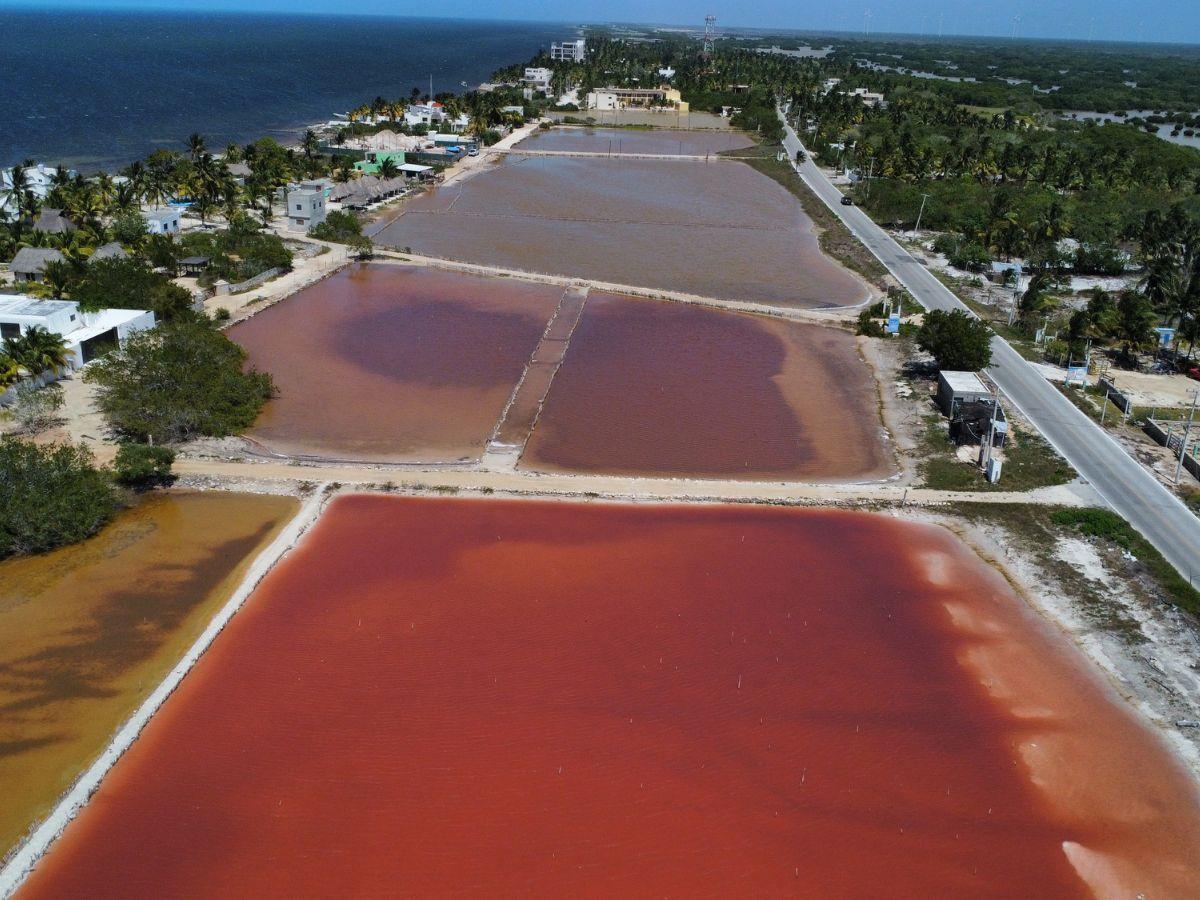
The Yucatan coast is facing several crises at the same time. In its approximately 378 kilometers of coastline, distributed in 13 coastal municipalities, problems are linked and reinforce each other, experts warn.
Coastal erosion is progressing in different areas; mangroves lose functionality; pollution silently infiltrates the karst subsoil; fishing faces increasing pressures; and tourism, together with real estate expansion, transforms territory at a speed that exceeds institutional response capacity.
The deterioration, experts agree, cannot be explained solely by natural factors or solely by economic development. It is the result of a complex interaction between the two.
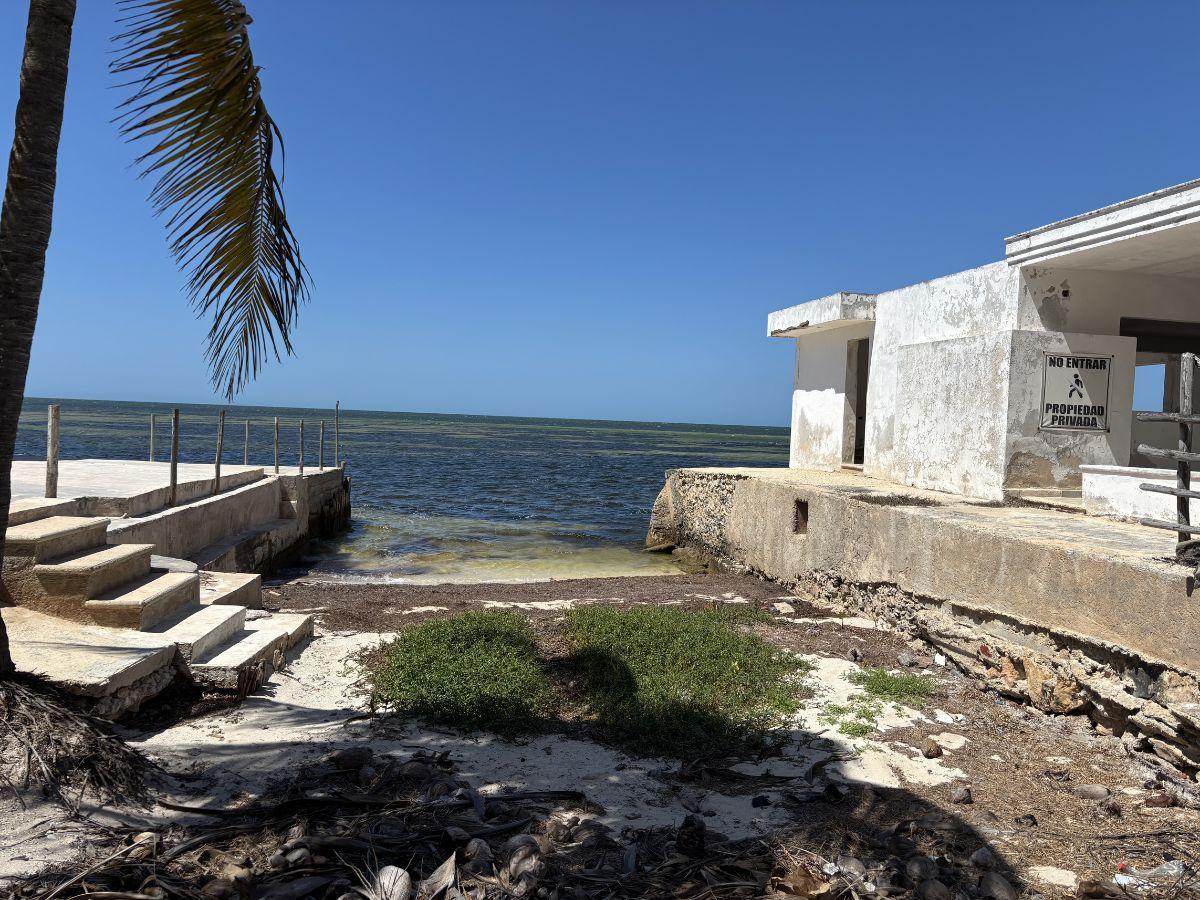 It is increasingly common to find places without beaches on the Yucatecan coast. Photo: Itzel Chan.
According to the cartography of the National Commission for the Knowledge and Use of Biodiversity (Conabio), in 2020 Yucatán had 96,873 hectares of mangroves, of which at least 940 already had some degree of disturbance.
Despite their ecological importance, these ecosystems continue to be under pressure and between 2025 and 2026 there were closures due to filling, clearing and lotification in mangrove areas in towns such as Chicxulub Puerto and Chelem.
In contrast, organizations such as Pronatura Yucatán Peninsula report advances in conservation: their bird program has helped to protect more than 10,000 hectares of mangroves, wetlands and jungles, and since 2017, in collaboration with the Center for Research and Advanced Studies of the National Polytechnic Institute (Cinvestav), they have promoted the restoration of more than 800 hectares of important habitat.
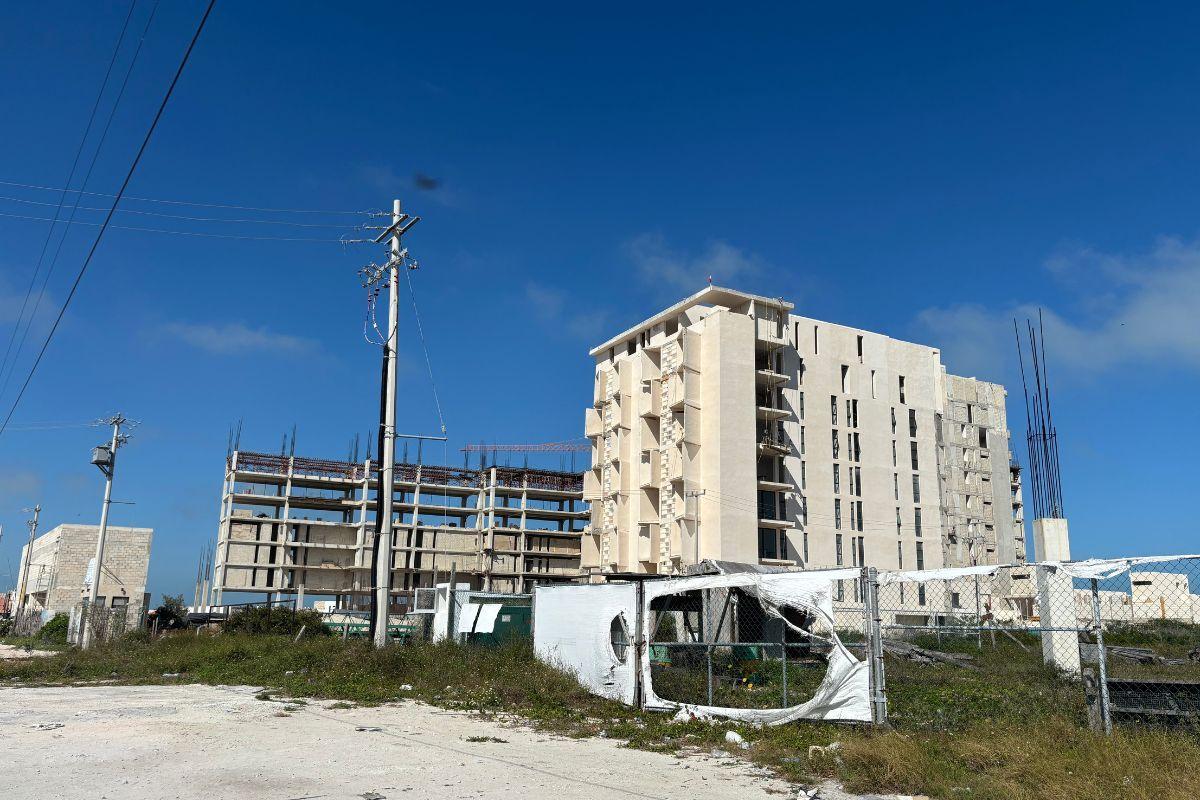
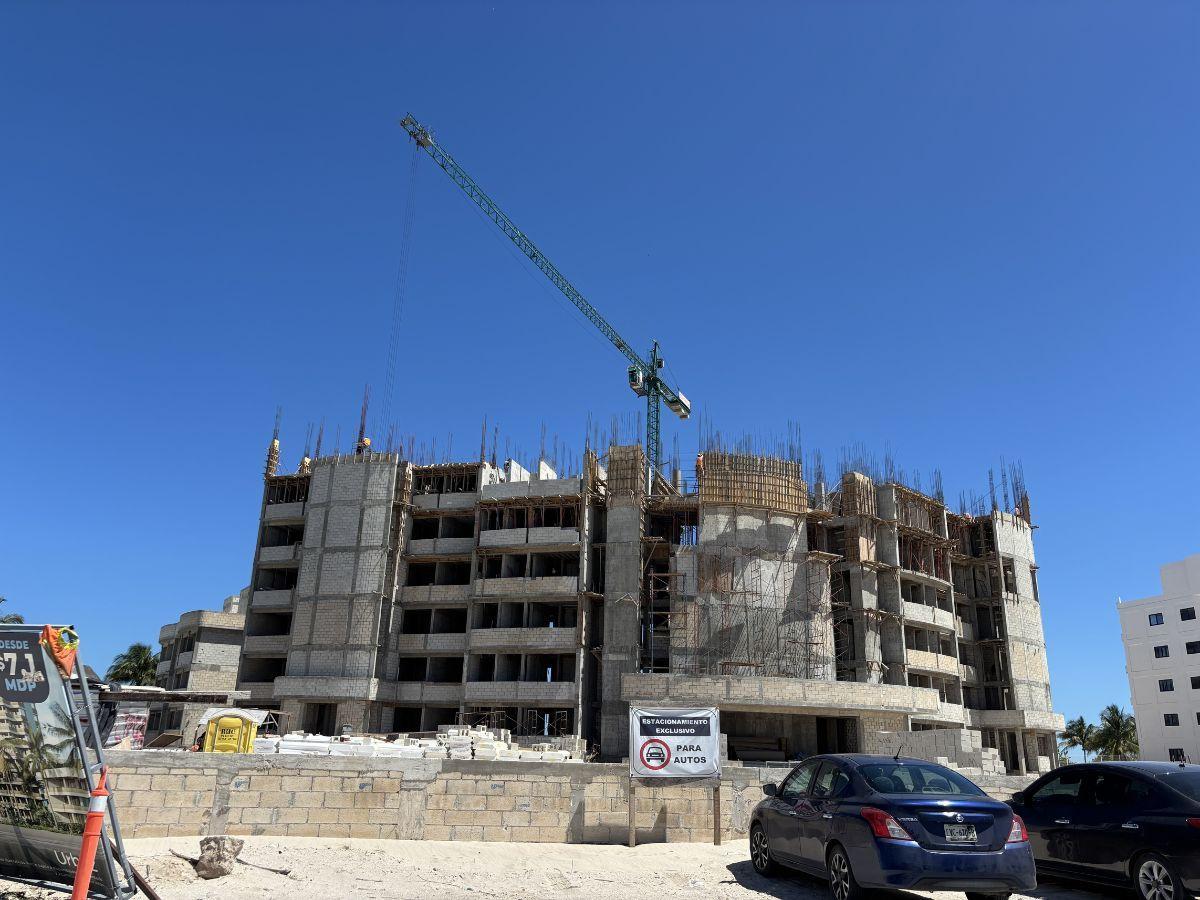 The real estate expansion on the coast is impressive. Photo: Miguel Cocom.
Tourism and territory: an expansion without clear limits
Academic research documents a “real estate explosion” in Sisal linked to second-home tourism and the designation as a Magic Town.
This growth, while energizing the local economy, also involves accelerated changes in land use, fragmentation of ecosystems and social tensions.
For Helena Barba Meinecke, from the Subdirectorate of Underwater Archaeology at INAH, the problem must be understood from a socio-ecological perspective because the territory cannot be separated from the communities that inhabit it.
“The relationship between coastal communities, ecosystems, cultural practices and ways of life is fundamental. When habitats deteriorate, the aquifer is contaminated or governance is disrupted, quality of life also erodes,” he warned.
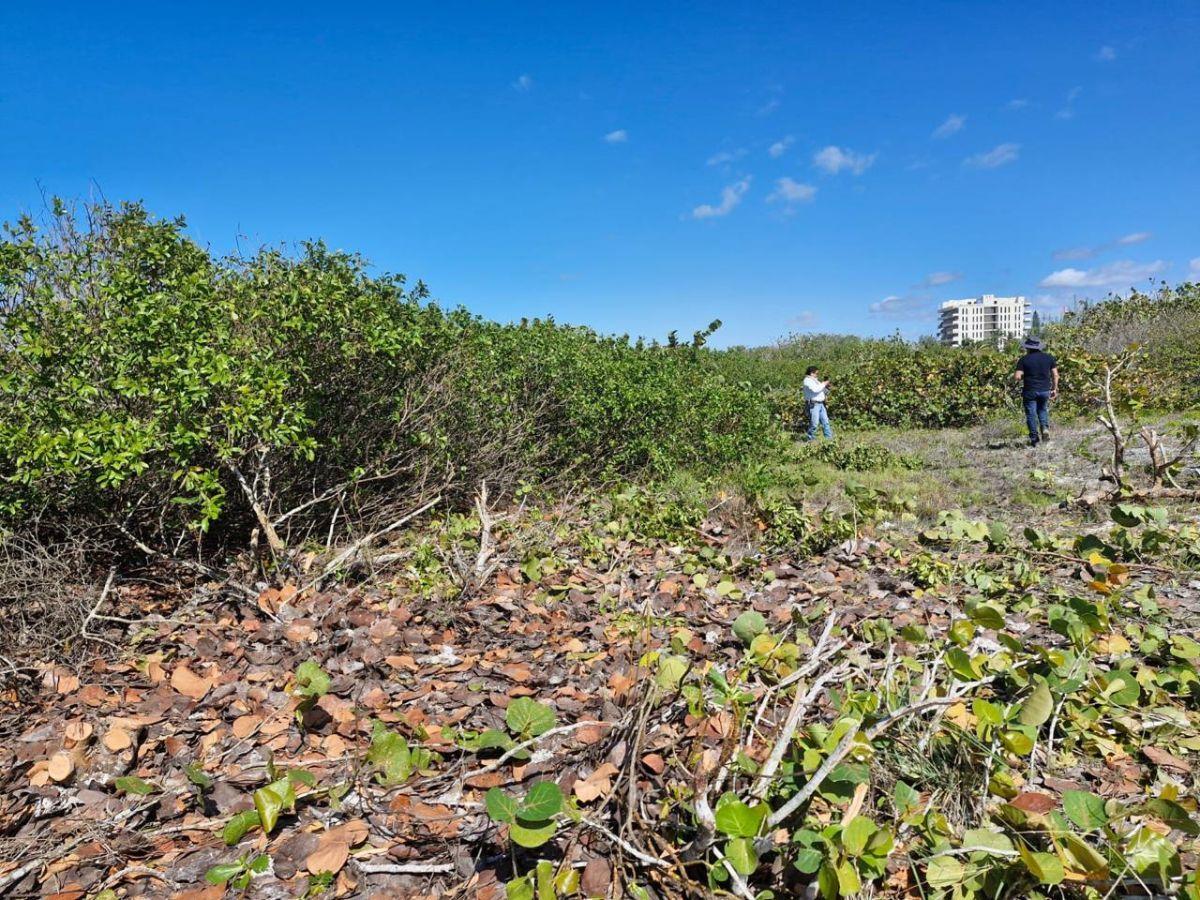 Mangrove and dune felling is common in the coastal area of Yucatán: Photo: Profepa.
This involves strengthening community participation, guaranteeing access to information, such as Environmental Impact Manifestations, and preventing tourism development from breaking the social fabric.
Claudia Teutli Hernández, from the National School of Higher Education Unidad Mérida, stressed that the state of ecosystems varies along the coast. While areas such as Celestún preserve extensive mangroves in good condition, in places like Dzilam de Bravo, land use change is progressing rapidly.
“The deterioration occurs at great speed and is combined with weather events that aggravate the situation,” he said.
In view of this, he insisted on the need to strengthen environmental monitoring, improve the quality and frequency of data, such as those related to water, mangroves and seagrasses and, above all, to involve communities in these processes.
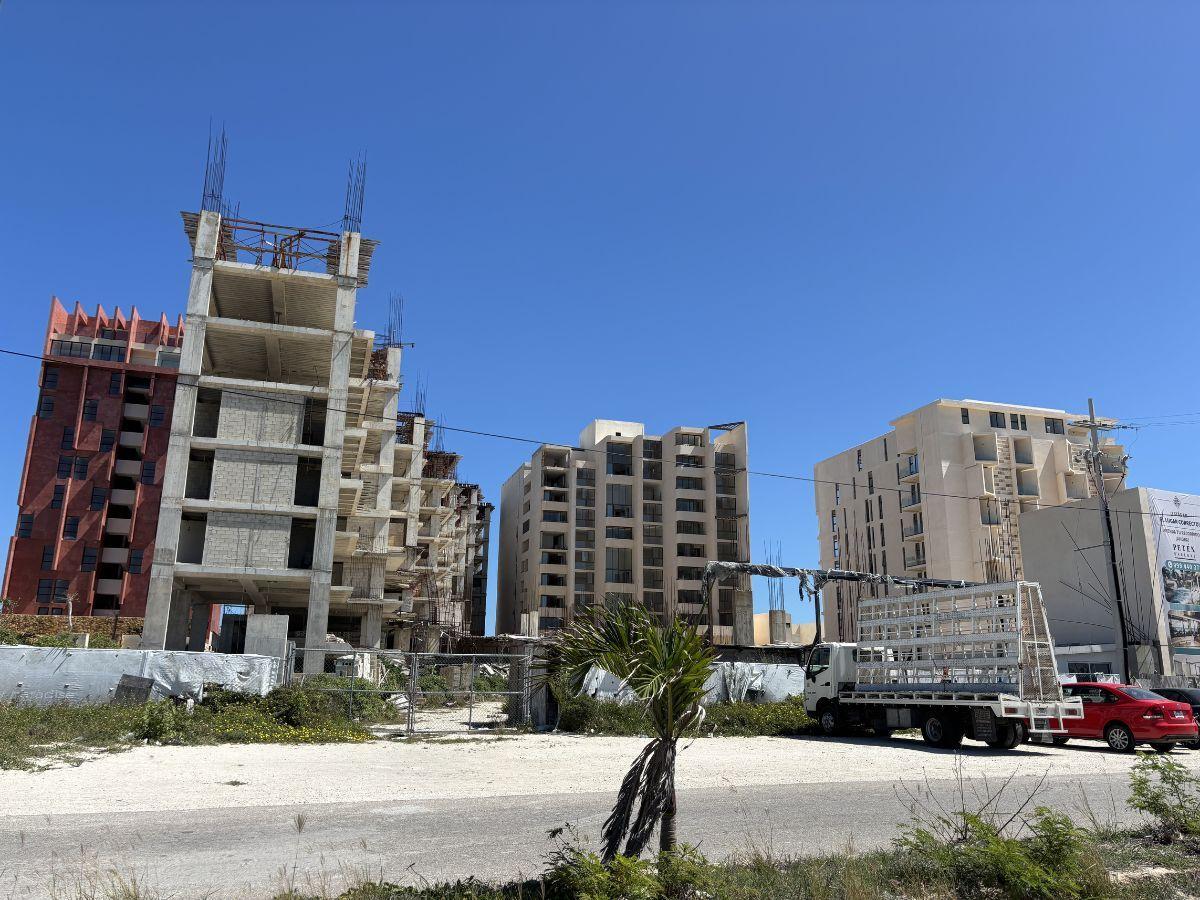 Every year there are thousands of rooms in the area. Photo: Itzel Chan.
“They are the people who live there. Training must reach communities, not just in the academic environment,” he said.
For Mariana Reyna Fabián, from Oceana Mexico, the complexity of the territory requires informed decisions that integrate multiple environmental, social, hydrological and economic dimensions.
“It's not always easy to decide, but we need to prioritize actions based on evidence and with the participation of all actors,” he explained.
In this regard, he highlighted the importance of building bridges between science and public policy, as well as of incorporating youth into conservation processes.
“Young people have different energy, knowledge and forms of communication. They are key to driving change,” he added.
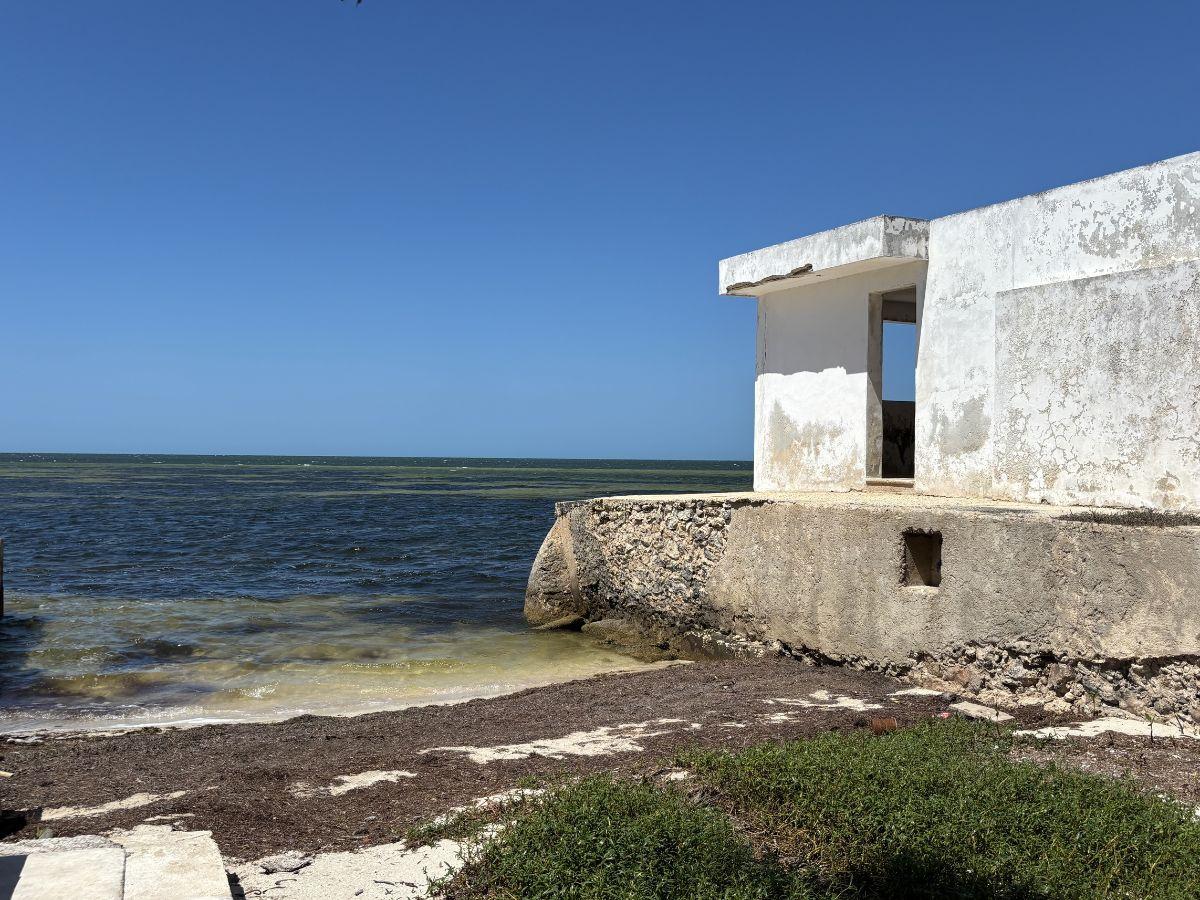 When building on dunes, erosion reaches them. Photo: Itzel Chan.
He also emphasized the need to bring the knowledge generated in communities to public policies, in a model that starts from the local to the institutional.
The specialists agree that solutions must be comprehensive and work to strengthen community surveillance, promote sustainable tourism, ensure transparency, establish limits of acceptable change and recognize the value of traditional knowledge.
Because in this territory, they warned that in addition to ecosystems, the biocultural links that have historically sustained coastal communities are also at risk.
* This article was written by Itzel Chan, who covers coastal communities thanks to the support of the Report for the World program .


Comentarios (0)