
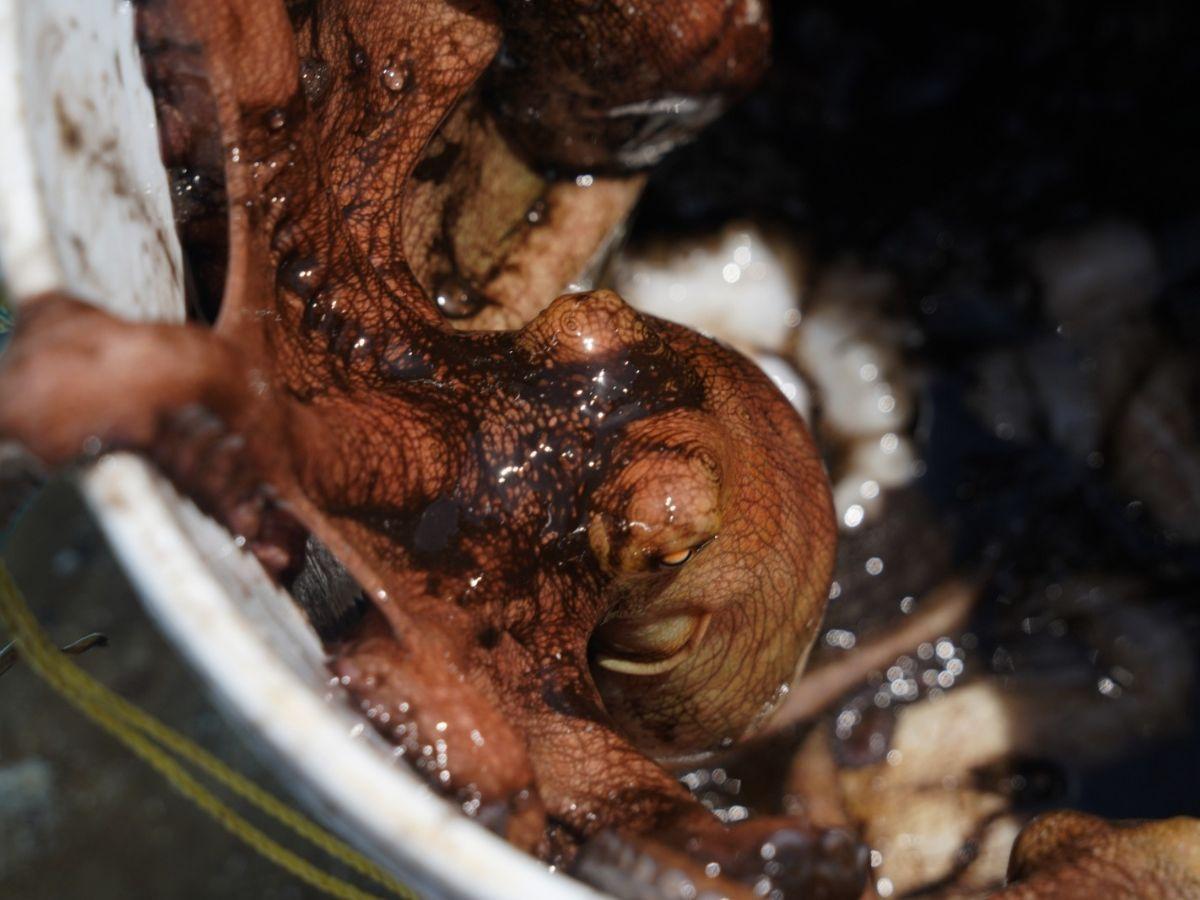
While thousands of fishermen are counting the days until the first of August and can return to the sea legally, in Celestún there are boats that leave during the early morning hours. They return with Mayan octopus when the species should still be breeding. Estimates from local authorities speak of between 100 and 150 people currently engaged in the illegal capture of this species. In addition, there are between 20 and 30 reception warehouses, where part of the product is presumably concentrated before leaving the port.
“You can't hide something like that in a small port,” said Carlos Andrés Gómez Chuc, a fisherman and director of fisheries at the Celestún City Council.
These are not rumors because the official says they know names, vessels, buyers and places where octopus caught during the ban is allegedly stored.
“The same people comment on who is doing it. We even know which businessmen buy it. All that information has already been handed over to the competent authorities,” he said.
The concern this season reached such an extent that the Celestún City Council sent letters to the Secretariat of the Navy (Semar), the National Aquaculture and Fisheries Commission (Conapesca) and the Government of Yucatán to request greater vigilance.
In the document, the municipal authorities warn that “the octopus season is the hope of many families” and call on both fishermen and wineries to stop the illegal capture and sale of Mayan octopus before the official start of the season.
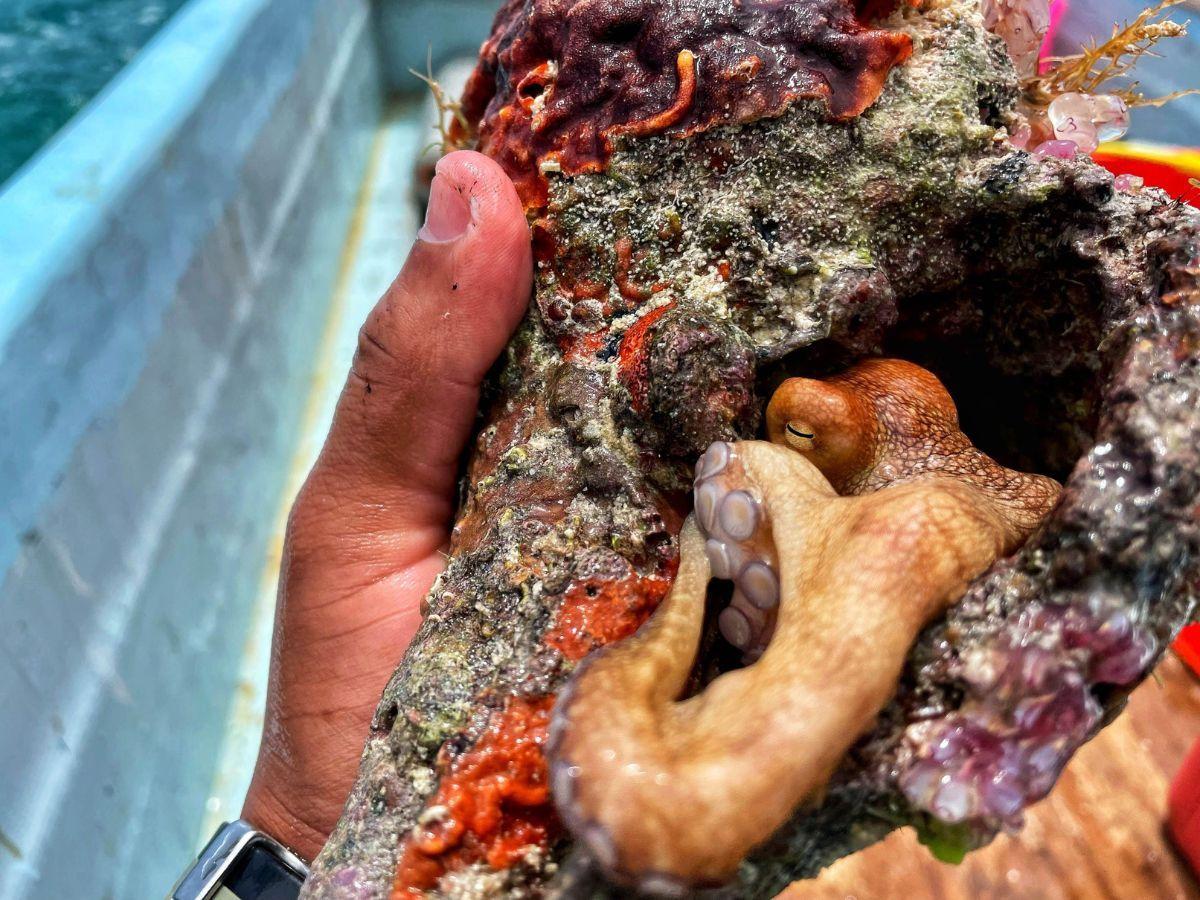 In Celestún, fishermen detected an increase in illegal fishing for Mayan octopus. Photo: Government of Mexico.
A problem they can no longer hide:
For Carlos Gómez, poaching stopped being a minor problem: “Poaching here in Celestún is like cancer,” he summarized. The estimates received by the City Council indicate between 100 and 150 people currently engaged in the illegal capture of octopus during the ban, who distribute it to between 20 and 30 wineries.
“It doesn't just create a problem for the resource. It hurts people who work legally. If when the season comes the poachers have already done their August, what are they going to leave to the fisherman who did respect the ban?” , he questioned.
Based on the complaints, joint operations began between different authorities. In recent weeks, boats with prohibited gear have been secured, equipment has been confiscated and the surveillance presence in the area has increased.
“We are not going to take our finger off the line. We will continue to cooperate with official agencies to end this illegal fishing,” he said.
 Letter given by the City Council of Celestún.
The complaints made by fishermen are consistent with recent assurances made by federal authorities.
One of the cases occurred on May 9, when elements of the Ministry of Public Security intercepted a van on the Celestún-Mérida highway. In the back, it carried 28 bags containing Mayan octopus and none of the occupants could prove the legal origin of the product.
Weeks later, the Attorney General's Office (FGR) obtained the link to the prosecution of two people for crimes against biodiversity. Surveys confirmed that they were carrying 461 kilograms of Mayan octopus caught during the ban.
The damage doesn't end when they catch the octopus:
Illegal capture during the ban represents a threat to a species that only inhabits the Yucatan Peninsula and whose reproduction depends precisely on those months remaining free of fishing.
Fishermen and specialists have documented the use of prohibited methods to extract octopuses from the caves where they shelter.
One of them consists of perforating containers with chlorine and introducing the chemical into the cavities to force the animal out.
“Everything that lives in that cave dies with chlorine,” explained researcher Carmen Villegas, from the Technological Institute of Chetumal.
Coral polyps, starfish, crabs and other organisms that use these shelters are also affected. The corals that receive the chemical directly die practically immediately and those spaces stop functioning as shelters for new generations of octopus.
The fishermen themselves believe that surveillance should be extended to collection centers, freezers, transporters and buyers who keep the market active during the ban.
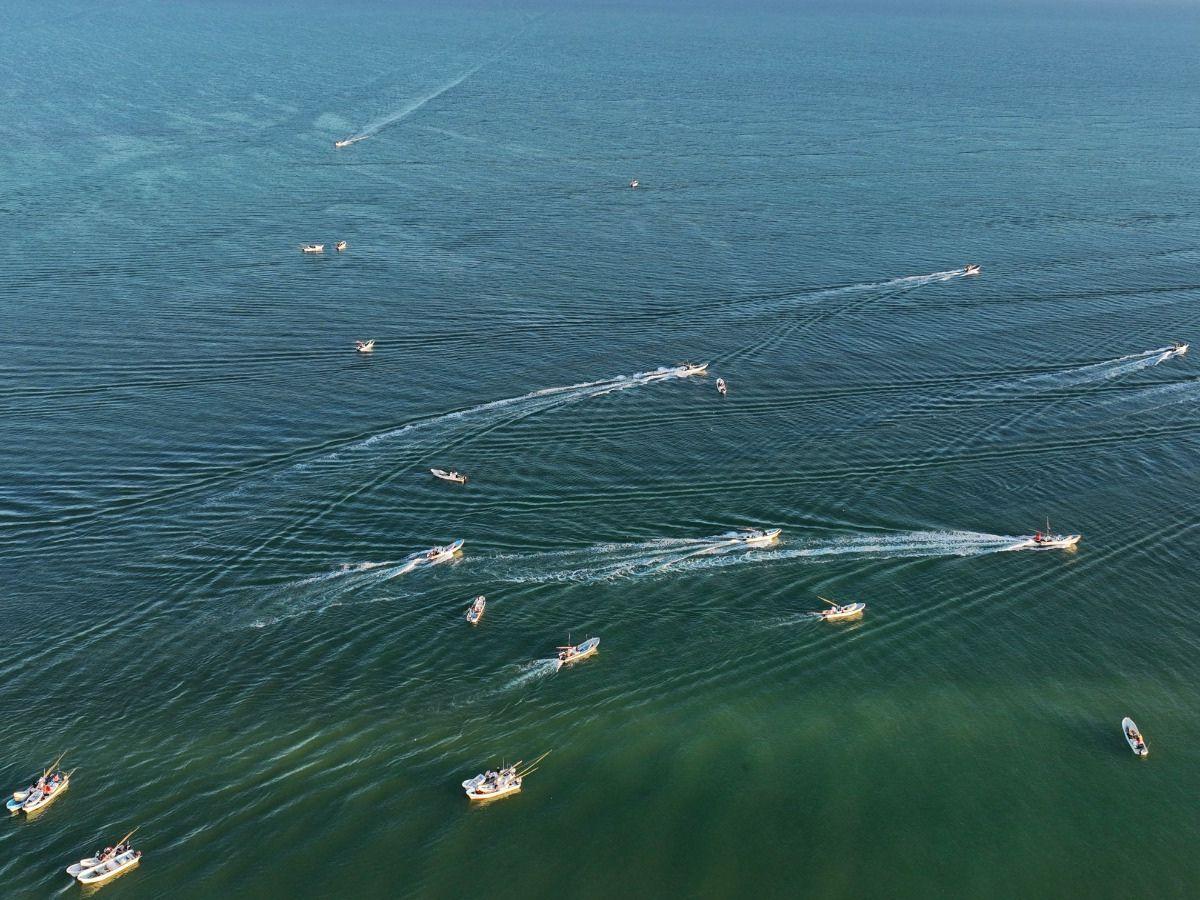 Fishermen are calling for the root problem to be addressed. Photo: Claudia Novelo.
Who are octopuses taken care of for?
For almost eight months, the inhabitants of the port survive fishing for other species, doing temporary work or seeking any income to wait for the legal start of the season.
When August finally arrives, they say they must share the resource with boats from other municipalities and even from other states, hired by large permit holders who hold dozens of fishing permits.
“We live all year round from the sea. There are six good months and six bad months. In the bad months, we starve to death trying to get ahead. When the season opens, thousands of fishermen arrive from other places. Then you end up wondering: for whom are we taking care of the octopus?” , reflected Josué Canul Reyes, a fisherman from Celestún.
Background issues:
Josué recognizes that illegal mining exists. However, he believes that reducing the problem only to those who go out to sea leaves out an important part of the story.
“A month ago, a little octopus started to appear, but the port's economy is in shambles. We come from the red tide, bad weather, weeks without being able to go fishing. People are starting to look for ways to provide for their families,” he explained.
He clarified that he does not intend to justify illegality, but there is a difference between the fisherman who comes out desperate for income and those who actually support the clandestine market.
“As long as there are those who buy octopus, poaching will always exist,” he said.
In his experience, inspections are often concentrated on vessels, while large buyers continue to operate.
“The fisherman doesn't bring it if there isn't a merchant who buys it. That's the root of the problem.”
Specialists in Yucatán believe that poaching cannot be understood solely from the illegality of the catch, but also from the economic conditions faced by fishing communities and the network of buyers that keep the market active during the ban.
“The weakest link in the chain is always the fisherman and that is pointed out, but what leads him to get involved in poaching. Also what happens and who is investigating the marketer who buys that octopus from him. No one is watching this either. So if we add these elements together, we realize that illegal or poaching fishing is a matter of social matter. It's not just a fishing issue,” said Dr. Carlos Rosas of the National Autonomous University of Mexico (UNAM).


Comentarios (0)