
On December 2, the decree was published that the National Commission for Arid Zones (Conaza) disappeared after 55 years of operation. Ana Patricia Ortiz, from the Civil Association for Multiple Services for Agribusiness Development (Semilla AC), stressed that this is a serious blow to those who work in the desert areas of the north of the country.
“Everything that falls to us from the water of the sky is what we capture. We don't have a river, we don't have a lake nearby that allows us to have access to water, you know? We in Coahuila have an annual rainfall of between 200 and 250 millimeters (mm) of water,” Ortiz argued about the need for an institution that ensures sustainable development.
In 2025, the state's cumulative rainfall in Coahuila stood at 218 mm while, for example, in Mexico City it reached 894.1 mm.
For the federal government, the institution was not economically viable and its functions were carried out by the Ministry of Agriculture and Rural Development (Sader), so they will be fully attributed to units of this secretariat.
However, Ortiz doubts that the Sader has the technical capacity to carry out works that store water.
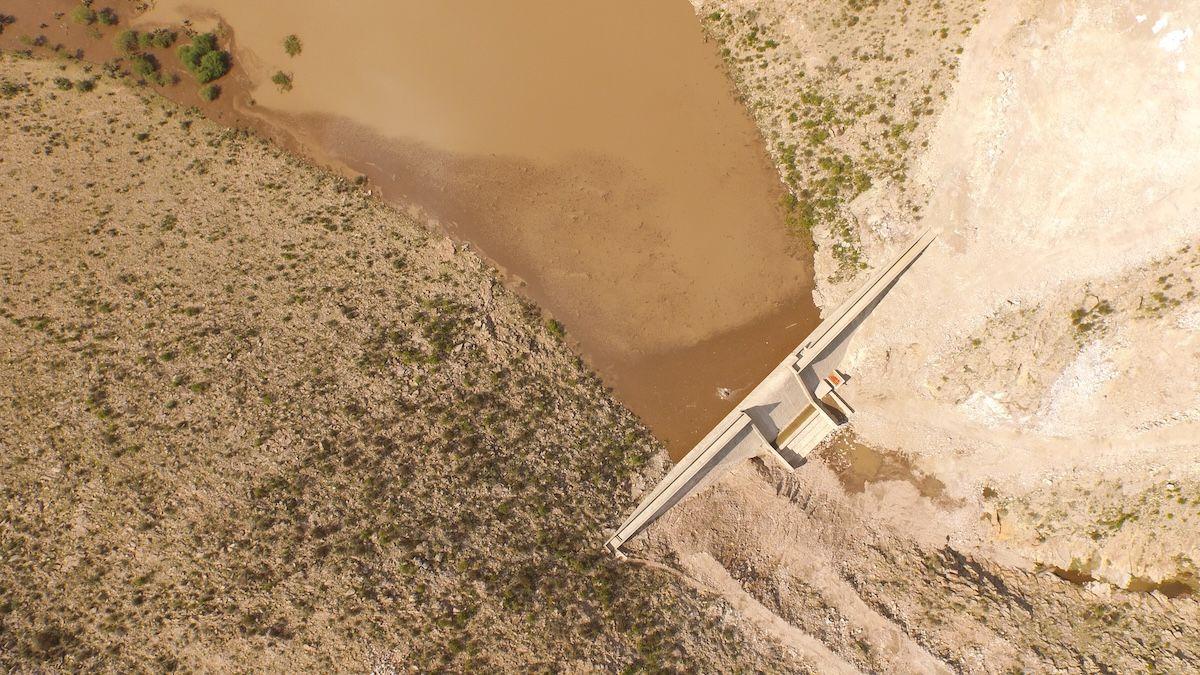
“There are many ways and they were all done by Conaza. The most important thing there are the ponds, which are half-moon edges and which trap the runoff of an entire basin and the floor is compacted in such a way that these water runoffs have a lifespan of 6 to 8 months. So, in fact, I'm almost sure that Sader won't be able to handle the package, because for that you need larger civil engineering,” said the expert.
Last year, Conaza had a budget of 63 million 197 thousand pesos. Although it has already been absorbed, this amount appears reduced in the Expenditure Budget of the 2026 Federation to 57 million pesos.
“Under the low institutional budget situation because everything has gone a long way to big projects that are welcome and we don't see it badly, but they have impressively disbanded this type of population (from the desert). I've always said, we're Mexicans too, right?” , said Ortiz.
The expert stressed that federal programs such as Sembrando Vida are not deployed in Coahuila, so the number of federal social programs that locals have access to has been reduced.
Semilla AC works in ejidos in the Ixtlera Candelillera region, which encompasses Coahuila, Nuevo León, San Luis Potosí and Zacatecas, in areas classified as highly marginalized. By managing the resources of federal institutions, OENEGÉ meets the primary needs of communities.


Comentarios (0)