
Off the coast of Yucatan, the effects of climate change are beginning to be felt in the intensity of hurricanes, in coastal erosion, in the loss of mangroves and in the uncertainty faced by hundreds of fishing families who depend on the sea for their survival.
Although many of their impacts manifest slowly, specialists warn that coastal communities are already undergoing profound transformations related to climate and human pressure on marine ecosystems.
In Yucatán, thousands of families are directly dependent on the sea. In 2025 alone, the state registered more than 17,000 fishermen, more than 4,000 active coastal boats and fishing activity distributed across 12 coastal municipalities, in ports such as Celestún, Sisal, Progreso, Dzilam de Bravo, San Felipe, Rio Lagartos and El Cuyo, according to the state's Secretariat of Sustainable Fisheries and Aquaculture (Sepasy).
But this activity depends on highly vulnerable ecosystems and mangroves, coastal lagoons, reefs, petenes and seagrasses work as natural barriers to storms, as breeding grounds for multiple species and as ecological structures that sustain fishing productivity.
Today, these ecosystems face simultaneous pressures such as rising temperatures, coastal erosion, habitat loss, urbanization and increasingly intense hydrometeorological phenomena.
Fishing communities themselves are already reporting less catch, alterations in sea currents, changes in wind and the need to move farther and farther away from their usual fishing areas.
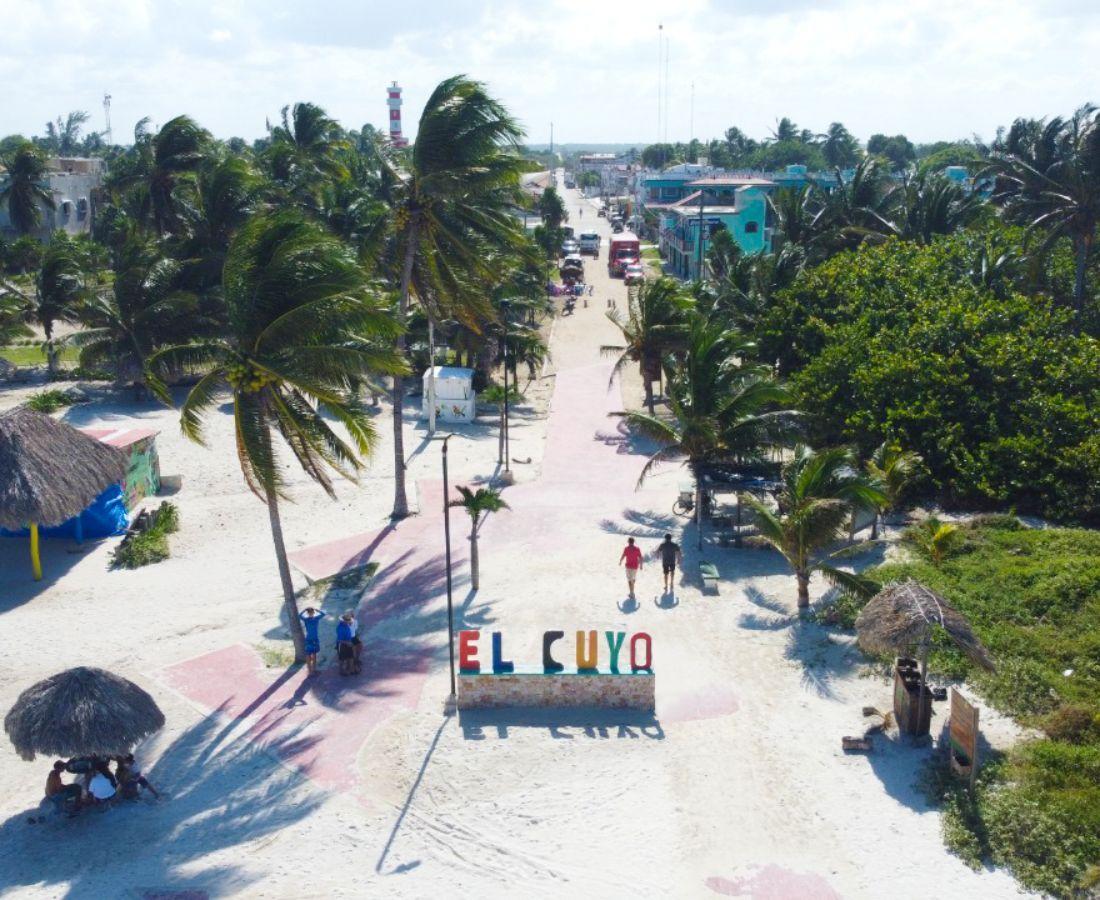 Coastal communities have adapted to the changes that are already taking place in the sea. Photo: Miguel Cocom.
The trend is also beginning to be reflected in official figures, as state fishing production went from 47,630 tons in 2021 to 38,952 tons in 2023, before registering a partial rebound in 2024.
Faced with this scenario, fishing communities in places such as Celestún, Sisal and Rio Lagartos are beginning to promote local responses based on mangrove restoration, fishing shelters, community monitoring and technological projects such as solar energy systems and sustainable cold chains.
Fisherman Rommel Alcocer Alcocer Díaz, a member of the Manuel Cepeda Peraza cooperative, said that the effects of climate change are already visible on the Yucatan coast and directly affect fishing activity.
He explained that in recent years they have observed the massive arrival of algae to the Caribbean, a phenomenon that has resulted in red tide events and fish deaths.
“All of this affects because fish die and we have to go further to be able to fish,” he said. This situation, he added, increases operating costs and reduces the chances of obtaining good catches.
“Changes in weather conditions have made it more difficult to work at sea due to the presence of stronger winds and frequent storms,” he said.
The fisherman expressed concern about the deterioration of reefs, where they have observed coral bleaching and the accumulation of mud in areas that previously had high biodiversity.
“The corals are turning white because of the heat of the water and that affects many species that live there,” he said.
In his view, these changes represent a threat to fishing and the health of the marine ecosystems on which many coastal communities depend.
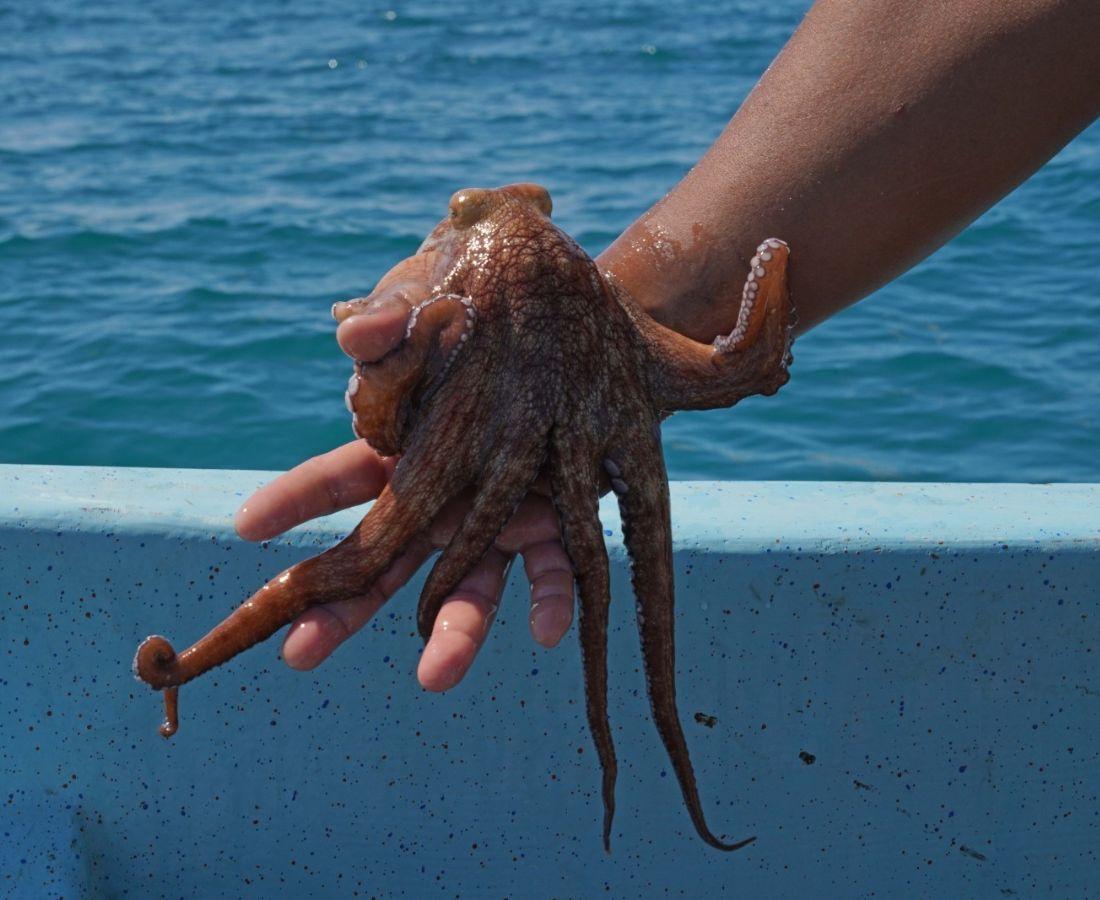 Species such as octopus are already suffering from climate change. Photo: Claudia Novelo.
An articulated mitigation measure is needed
Experts warn that many of these actions to face these changes are still progressing in a fragmented manner and depend more on community efforts than on a fully articulated climate strategy.
“The fisherman in Yucatán is very well informed. They are very aware of all the changes and effects that climate change is having on their daily lives,” explained Erika Gómez Adán, a public policy specialist at the Environmental Defense Fund (EDF) in Mexico.
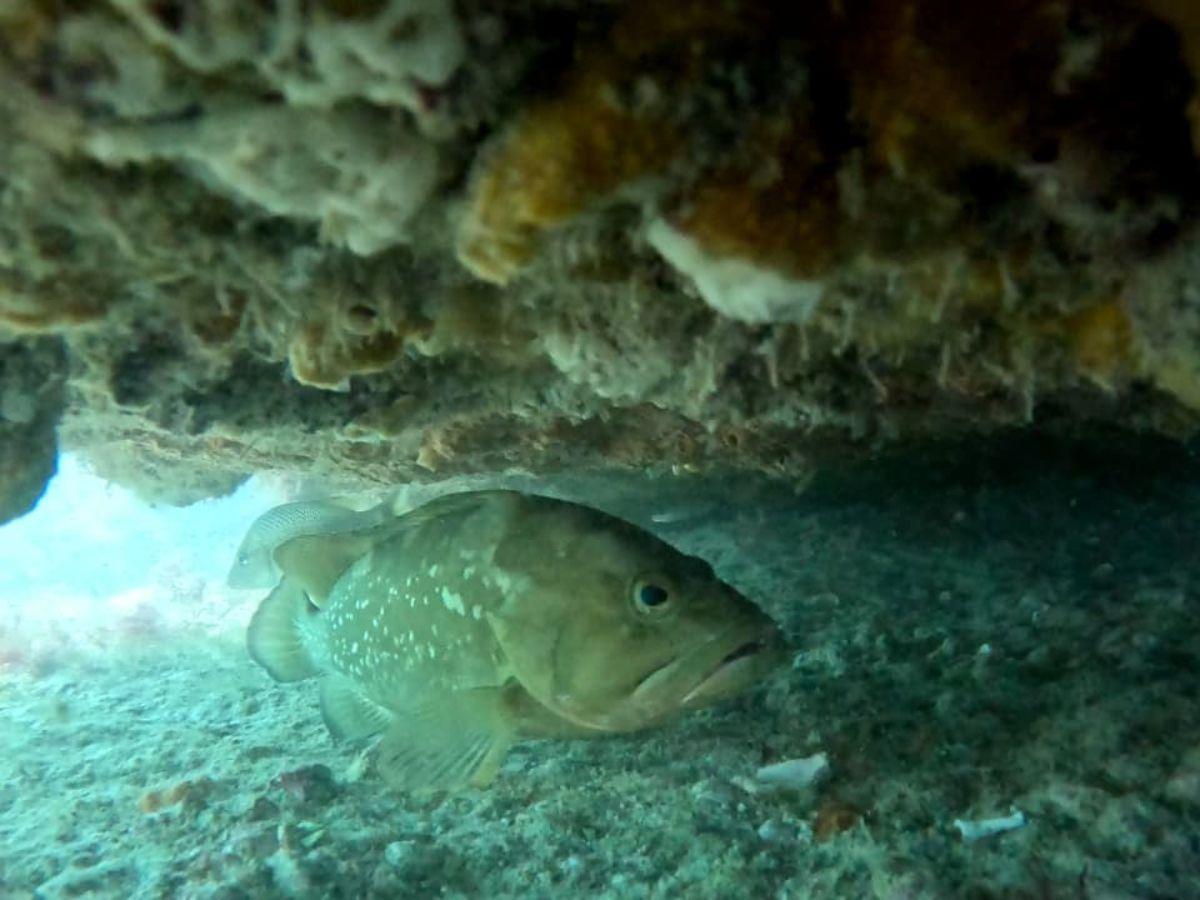
Among the most affected species is the Mayan octopus, whose reproduction and fertility are beginning to be affected by rising sea temperatures. Species such as groupers and snappers also show alterations related to changes in the distribution of fishing resources.
Coastal communities then face constant economic losses and damage to fishing infrastructure such as nets, aquaculture cages and boats.
“Almost every year something is going to happen that unfortunately will cost them their investment,” warned Gómez Adán.
In addition to climate change, Yucatecan coasts face problems linked to pollution and red tides. According to the specialist, nutrient discharges from agro-industrial activities, including pig farms, favor the proliferation of harmful algae that affect capture seasons and affect the fishing economy.
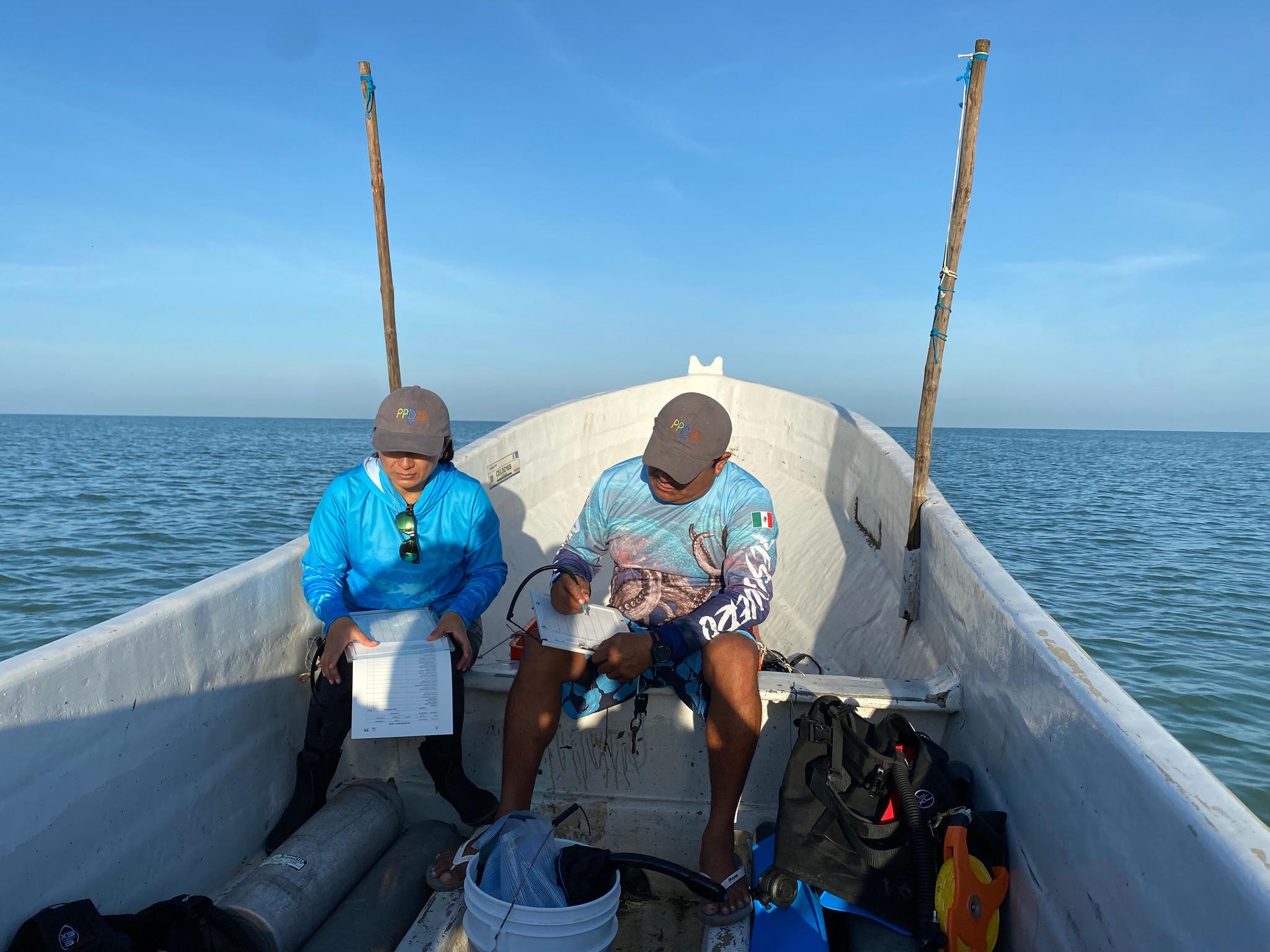 The fishermen themselves are the ones who monitor species in their communities. Photo: Itzel Chan.
“Every time fishing communities are facing different challenges in general,” he said.
Faced with this scenario, the construction of a Special Climate Action Program for Fisheries and Aquaculture began in Yucatán, developed through a collaborative process between fishing cooperatives, academia, civil organizations, the private sector and the state government.
The document includes 65 lines of action focused on climate adaptation, mangrove restoration, strengthening fishing shelters, red tide monitoring, early warning systems and economic diversification for fishermen during closed seasons.
It also incorporates social issues that have historically been invisible in fishing, such as the participation of women, youth and indigenous peoples in decision-making about the future of the Yucatecan coast.
Among the proposed strategies, nature-based solutions that seek to reduce the vulnerability of communities to storms and coastal erosion stand out.
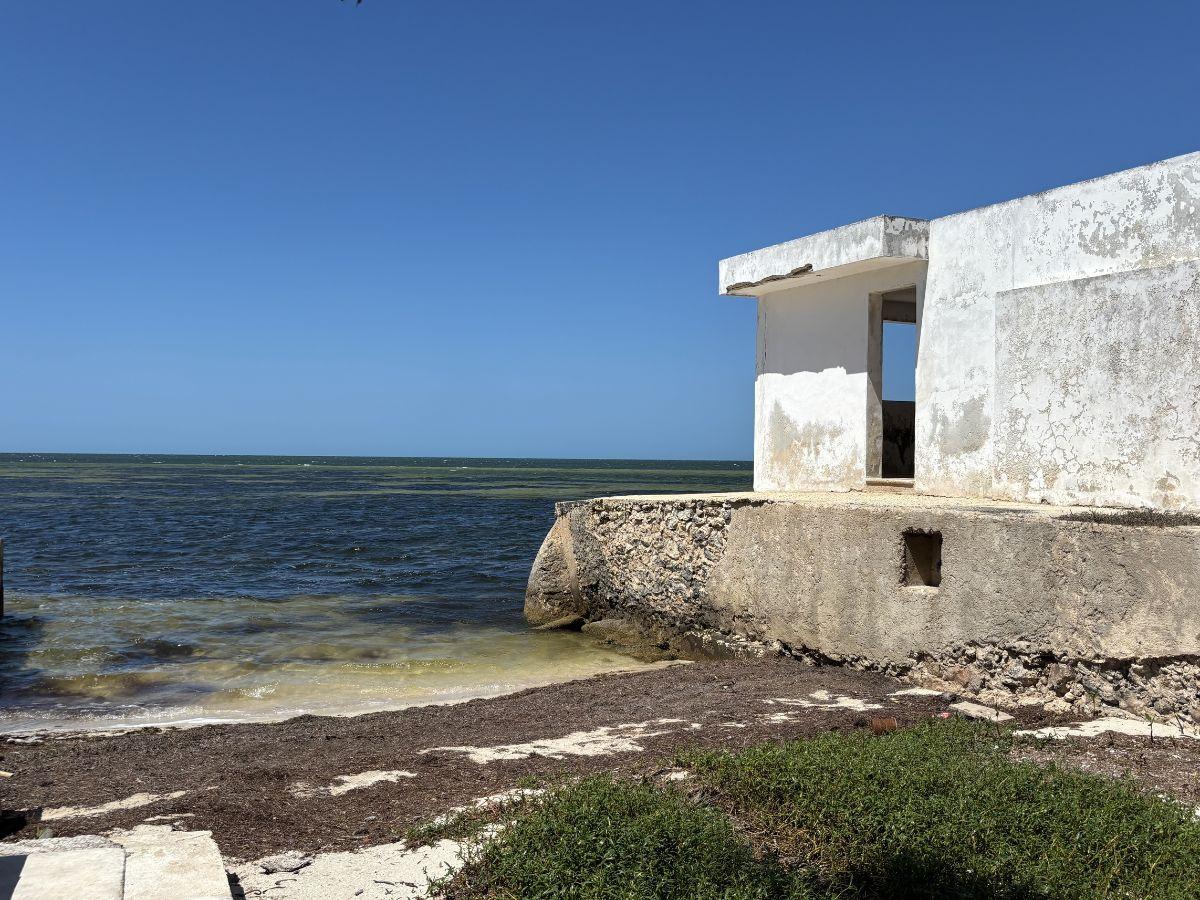 There are areas where the rise in sea level is already being noticed in Yucatán. Photo: Itzel Chan.
However, specialists warn that there is still a need to strengthen coordination between institutions and address structural problems such as water sanitation, land management and the regulation of urban growth in coastal areas.
“Climate change is already here,” Gómez Adán summarized.
And while the sea changes slowly before your eyes, Yucatan's fishing communities are trying to adapt to survive in a territory where climate, economy and coastal life are being transformed at the same time.
The problem out of the water:
Fishing communities are also facing more aggressive hurricane seasons, ongoing infrastructure losses, and recurring economic damage. Nets, aquaculture cages and vessels are increasingly being destroyed by extreme hydrometeorological phenomena.
For Nadia Citlali Olivares Bañuelos, director of Resilient Oceans at EDF Mexico, climate change must be understood as a cumulative process whose effects are beginning to be reflected mainly in vulnerable ecosystems and species with more limited habitats.
“We see it in corals, we see it in species that depend on reef areas, mangroves or seagrass,” he explained.
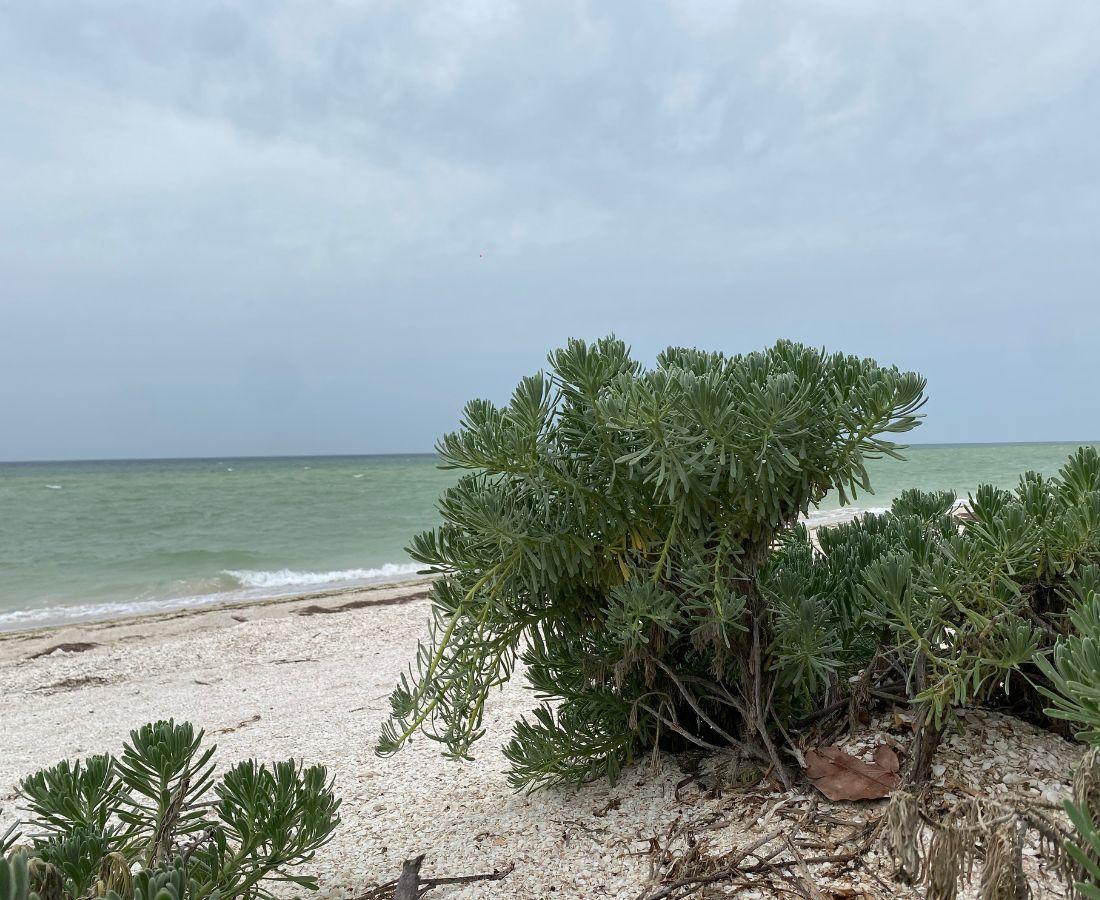 Efforts are beginning on the Yucatecan coast to mitigate the effects of climate change. Photo: Itzel Chan.
In the Yucatan Peninsula, he added, the reduction of these coastal ecosystems represents a direct risk to species of fishing and commercial importance.
One of the most obvious examples is the Mayan octopus, a species endemic to the region.
“Rather than being directly affected by temperature right now, we may be affecting it by reducing the habitat it uses to complete its life cycle,” he said.
The specialist warned that, in addition to environmental deterioration, there is another urgent challenge: to continuously adapt fisheries management strategies to ecological changes.
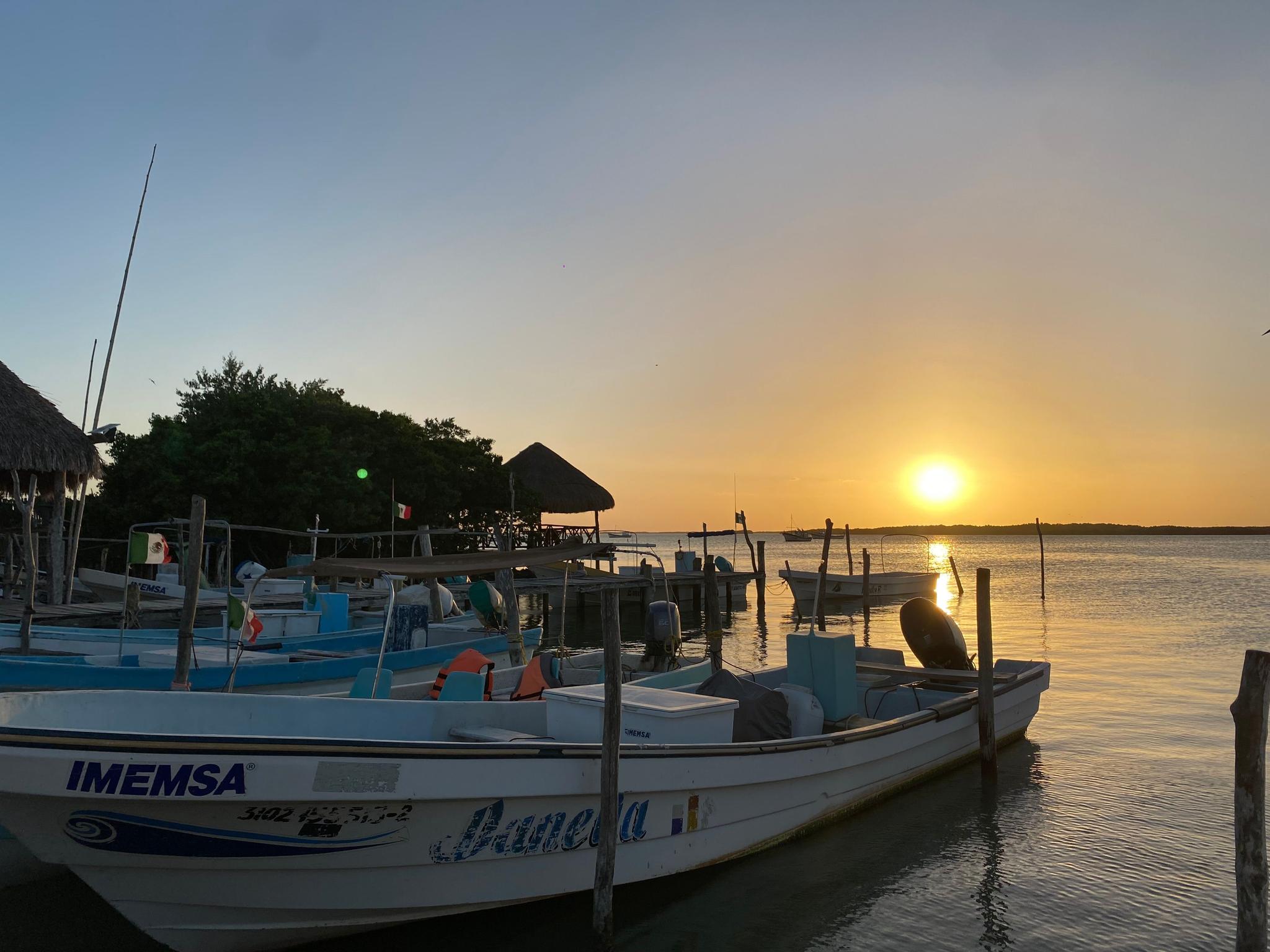 Fishing cooperatives promote climate adaptation actions. Photo: Itzel Chan.
“Not updating fisheries management also affects species because we are not giving them the opportunity to manage them according to the needs they are having and the pressure they are receiving,” he said.
For this reason, academics, fishing cooperatives, civil organizations and state authorities began to promote new climate adaptation strategies focused on fishing and aquaculture.
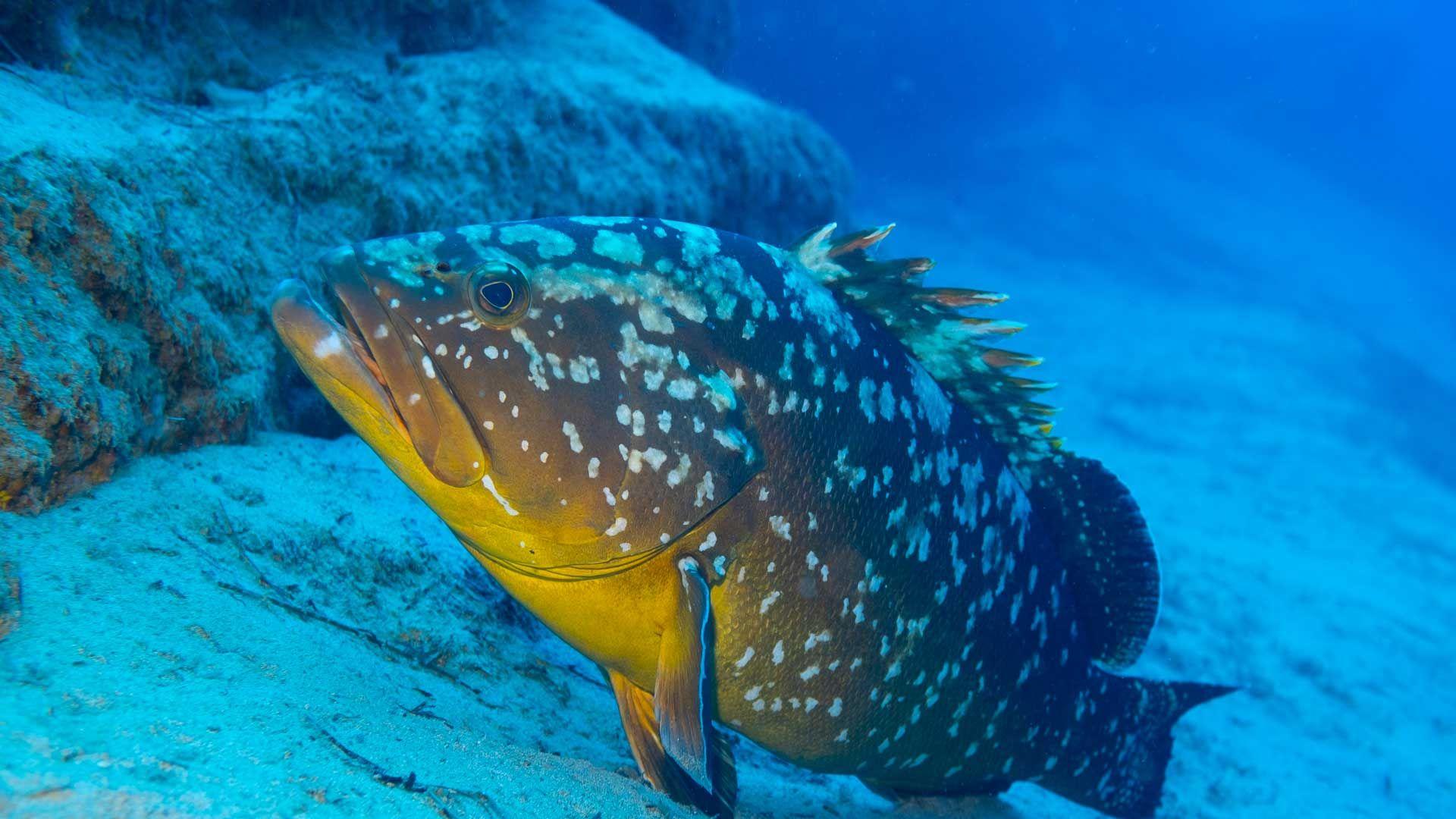
Olivares Bañuelos explained that one of the strategies promoted is to promote the use of more selective hooks to avoid the capture of juvenile grouper specimens and allow them to reach their reproductive size.
“Small actions such as changing a hook are very effective for some species,” he said.
In addition to technical measures, specialists agree that climate adaptation requires strengthening community capacities, integrating youth, women and indigenous peoples, and building strategies involving the government, the academy, the fishing sector and civil society.
“It wouldn't be fair to keep thinking that only biologists have to address these issues. It has to be something much more comprehensive,” said Nadia Olivares.


Comentarios (0)