
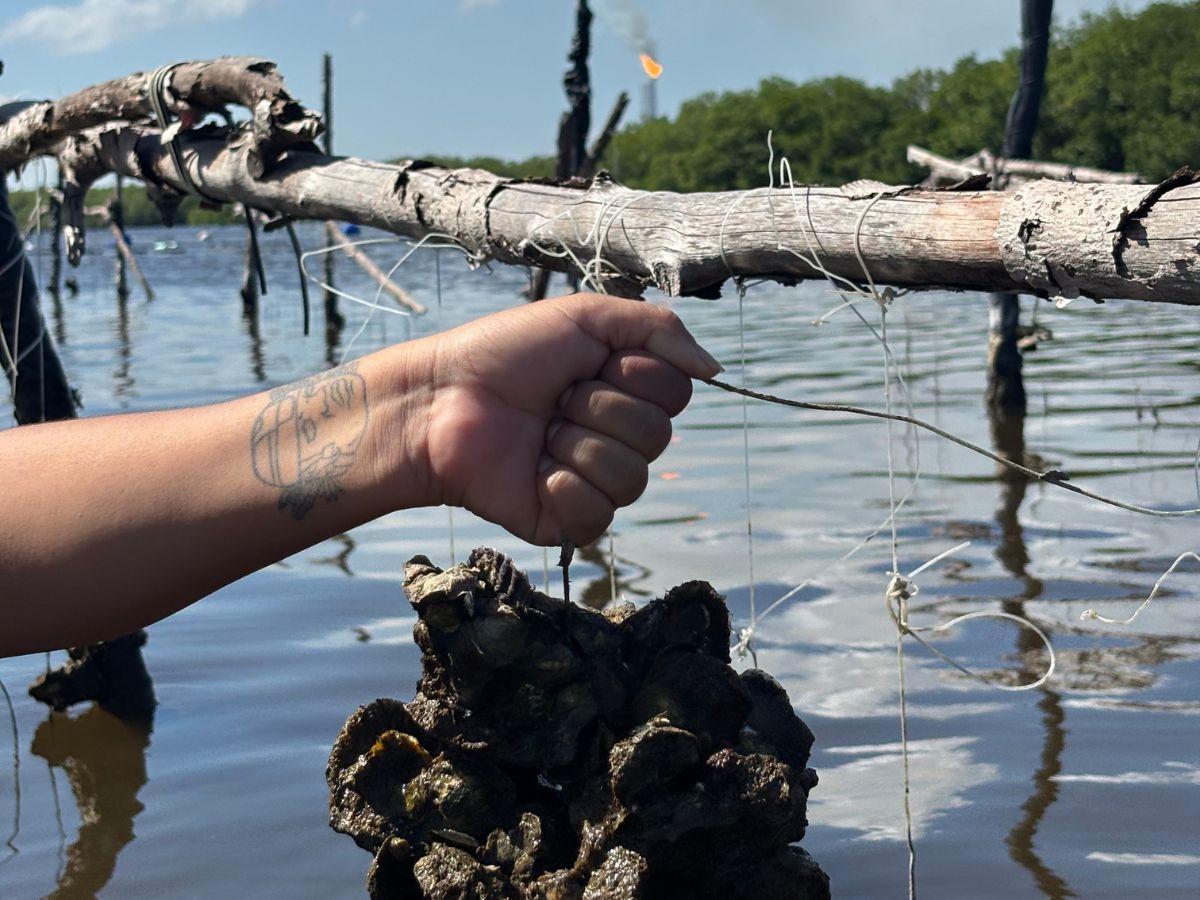
The water looks darker than usual. Women dive completely into the lagoon in the hope of saving the oyster crops that sustain their community life. The smell is suffocating; they breathe it in with force. Soon they understand that the effort is futile. The oysters have died because of an oil spill. This is how, once again, uncertainty begins. The spills in the Mecoacán lagoon entail economic and food precariousness that will last between three and six months.
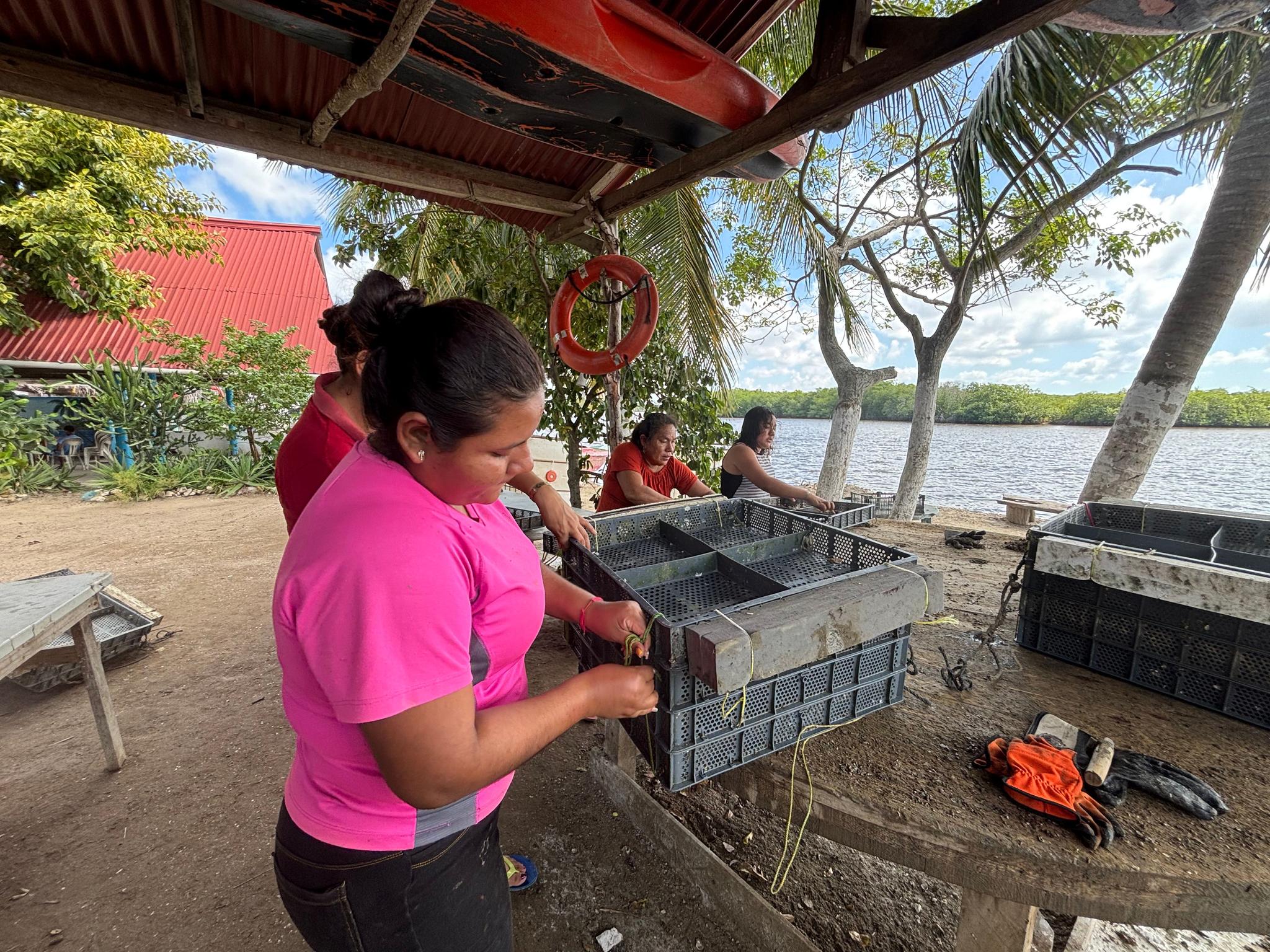 Most of them are women who are engaged in oyster farming. Photo: Itzel Chan.
The lagoon is a Protected Natural Area (ANP) where oysters cling to mangrove roots and multiply almost naturally. Tabasco is water and fertile land, but also oil territory. On average, there are up to three oil spills per year in the lagoon, according to the people who live in the community.
“Mangroves haven't grown for five years. They have yellowish spots, like oil. Nobody investigates thoroughly, no one reports,” said Sindy Pandy de la Cruz, founder and president of the group “Transforming Mecoacán”. Made up mostly of women, it was conceived after an oil spill that occurred in 2020.
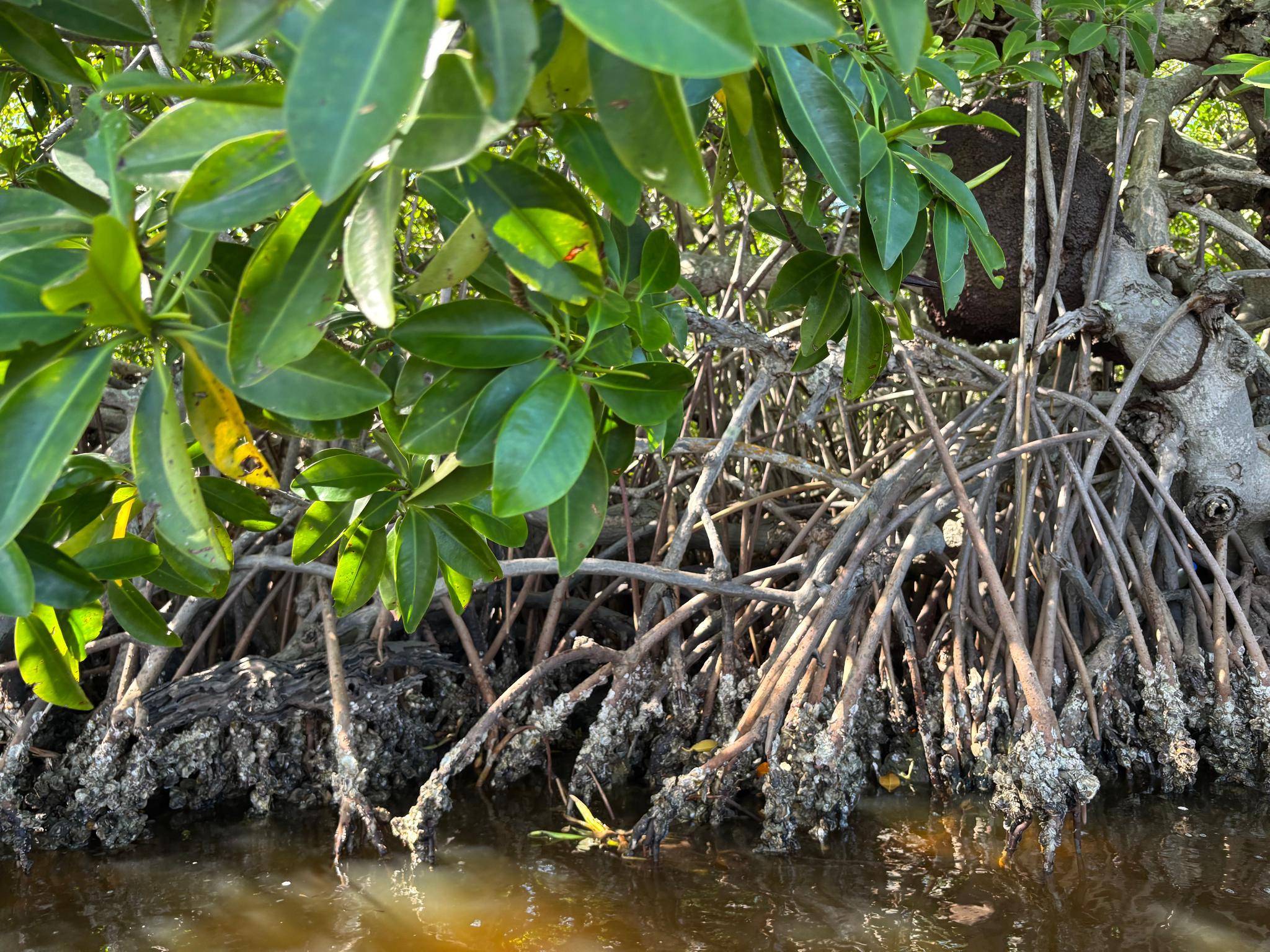 In Tabasco, oyster production is one of the main activities. Photo: Itzel Chan.
“We exist out of necessity. When the spill occurred in the Mecoacán lagoon, we asked for support, but they told us that we had to organize ourselves for that,” recalled de la Cruz.
The legal path took four years and today the cooperative manages around five thousand oyster baskets and produces up to two crops a year, provided that there are no setbacks caused by oil spills, mostly associated with old pipelines and operations run by Pemex, offshore.
The most recent spill, which occurred in May 2025, directly hit the Mecoacán lagoon, impregnating shores and mangroves with crude oil. It was one of the largest in the last decade, because nearly 300 barrels spread over about seven kilometers of the Tabasco coast before Pemex managed to contain them.
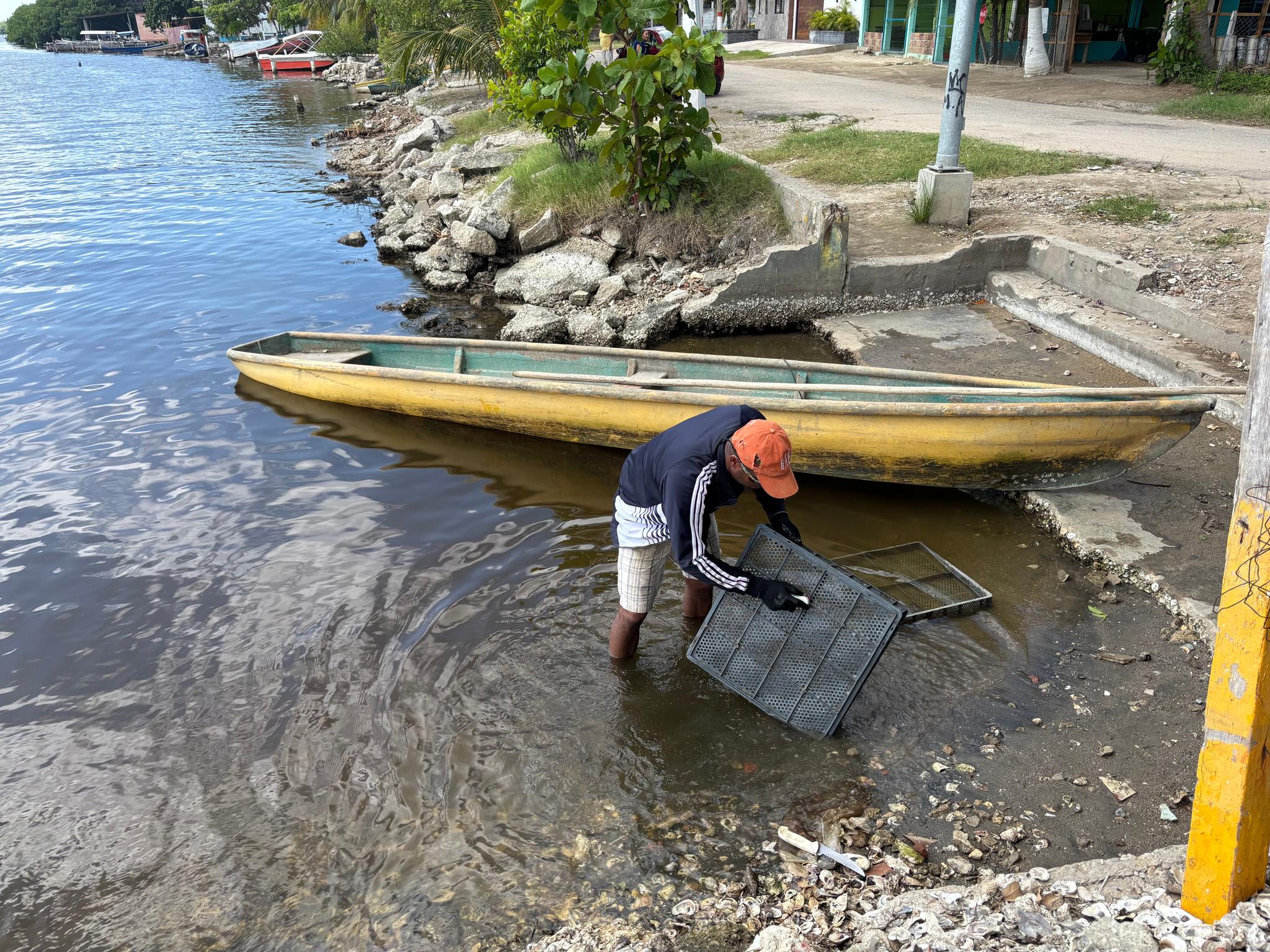 Oysters do not receive support because of the contingencies that arise. Photo: Itzel Chan.
On May 5, the women boarded their cayucos (small boats) and went, as usual, to the oyster-growing area. On the way they noticed that the water had black spots. They submerged their hands and when they were removed, the splash (the thick black substance derived from petroleum) became impregnated to their skin. They thus confirmed that they would face a new oil spill.
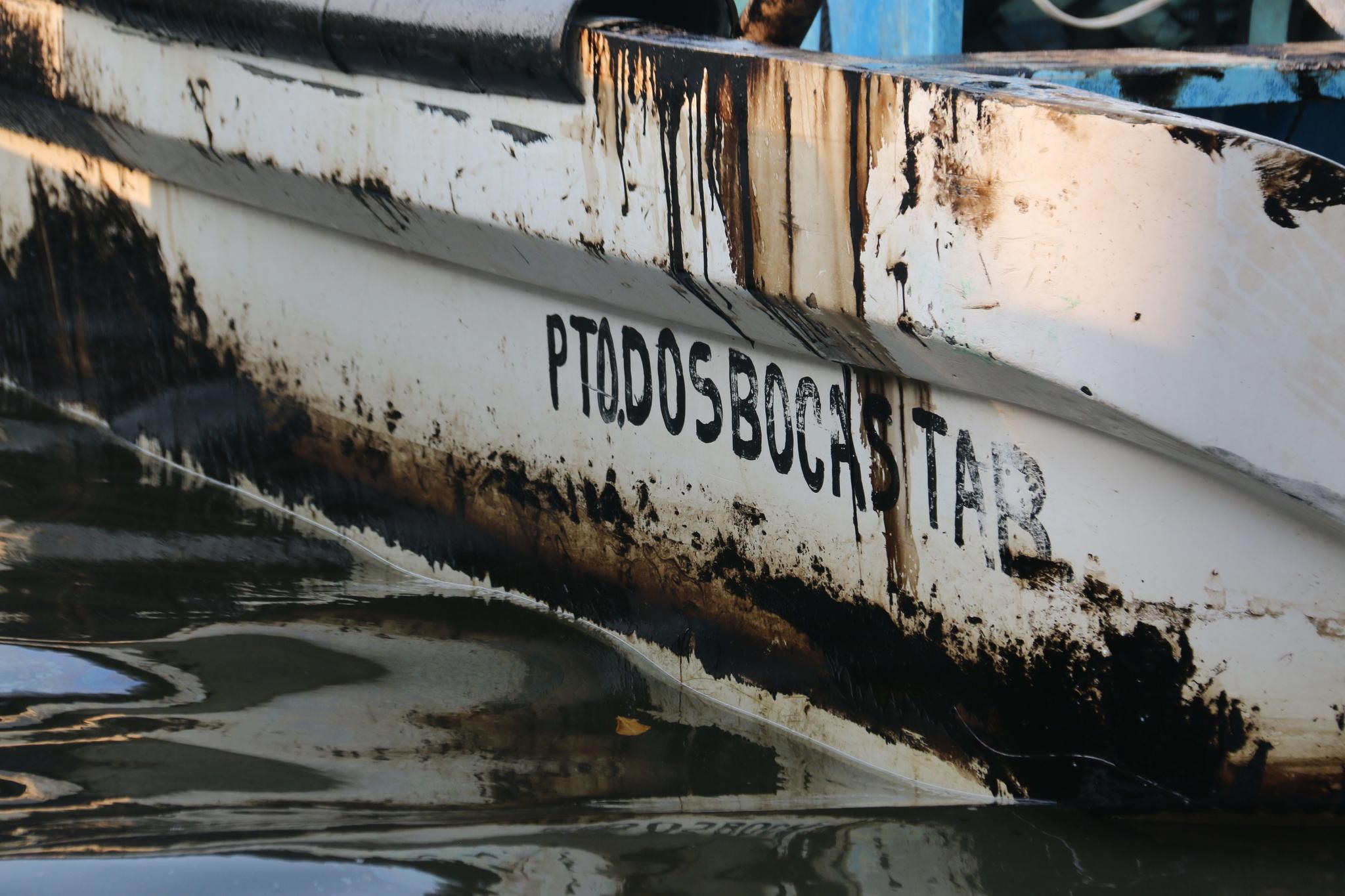 Vessels are sometimes lost due to graft damage. Photo: Luma López.
They were immediately organized. They returned to the mainland in containers and returned in the hope of rescuing part of the harvest. But it was too late. The oysters were contaminated; oil had penetrated inside them. They understood then that this cycle was lost and there would be no oyster, no sales, no tourism, or work alternatives.
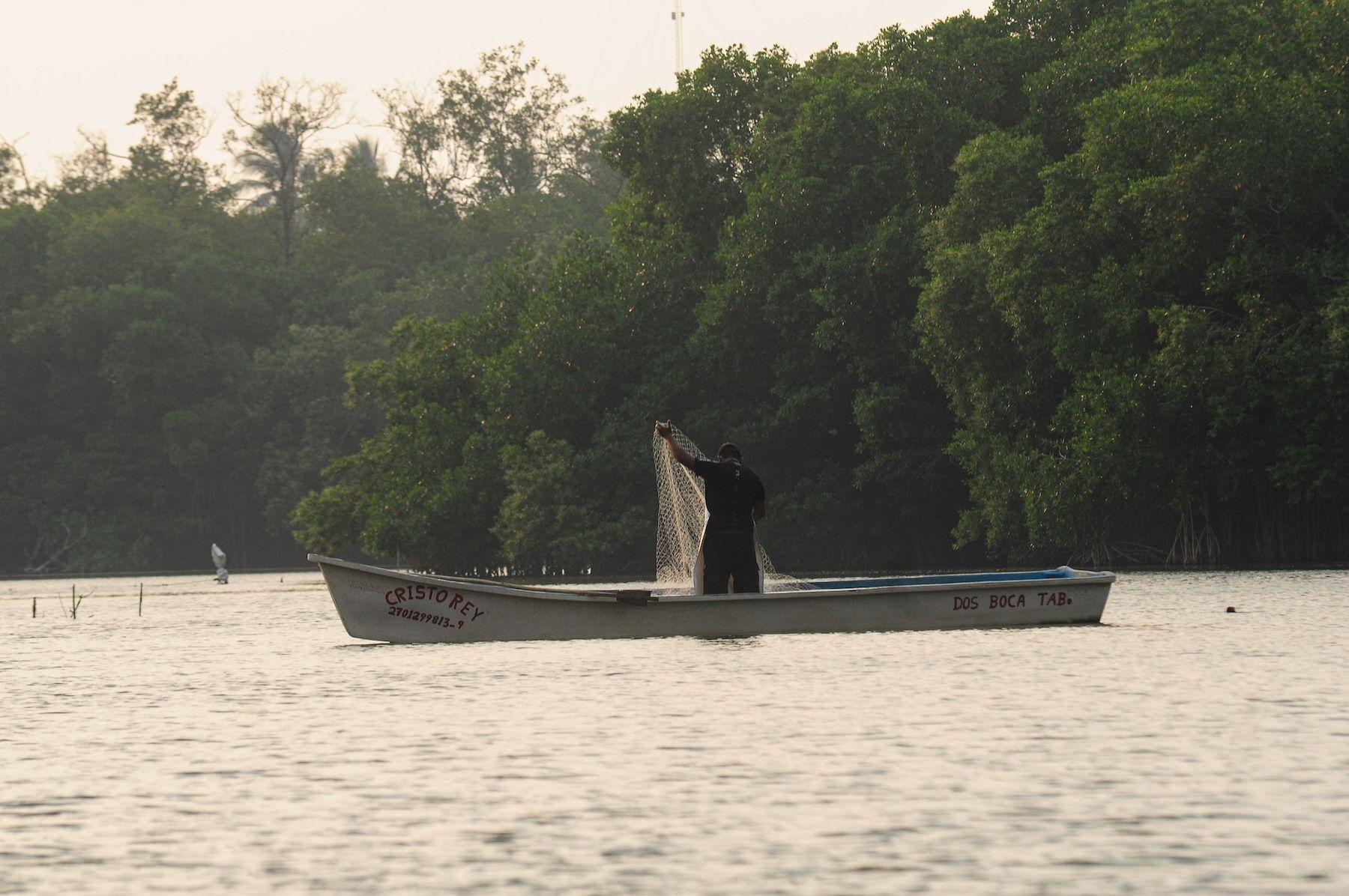
 Fishermen and women are equally affected. Photo: Itzel Chan.
For those who live on water, it was not an isolated event, but one more in a chain of spills that is repeated year after year, without comprehensive repair or continuous monitoring.
Unlike fish, oysters cannot flee. They remain fixed and work as water filters that absorb everything that enters it.
“When crude oil enters the lagoon, almost everything dies. If we can see the spill in time, we pull out the lines, clean shells and start from scratch. But if they don't let us know, we lose everything, harvest and money,” explained Time Pandy, founding partner.
 Fishermen have sought techniques to care for their product. Photo: Itzel Chan.
Those who work on this crop say that no one notifies them when spills occur, but that they find out when they see the “splash” floating in the water.
“Nobody comes to say 'there is a spill', or how long it will last, or when we can go back to work. We found out because we live in the water. When the splash comes here, it's late,” said Alma Rosa Gómez, the oyster woman from the cooperative.
Uncertainty spans the days and conditions basic decisions about when to sow, harvest or stop. Each spill involves two or three months without income.
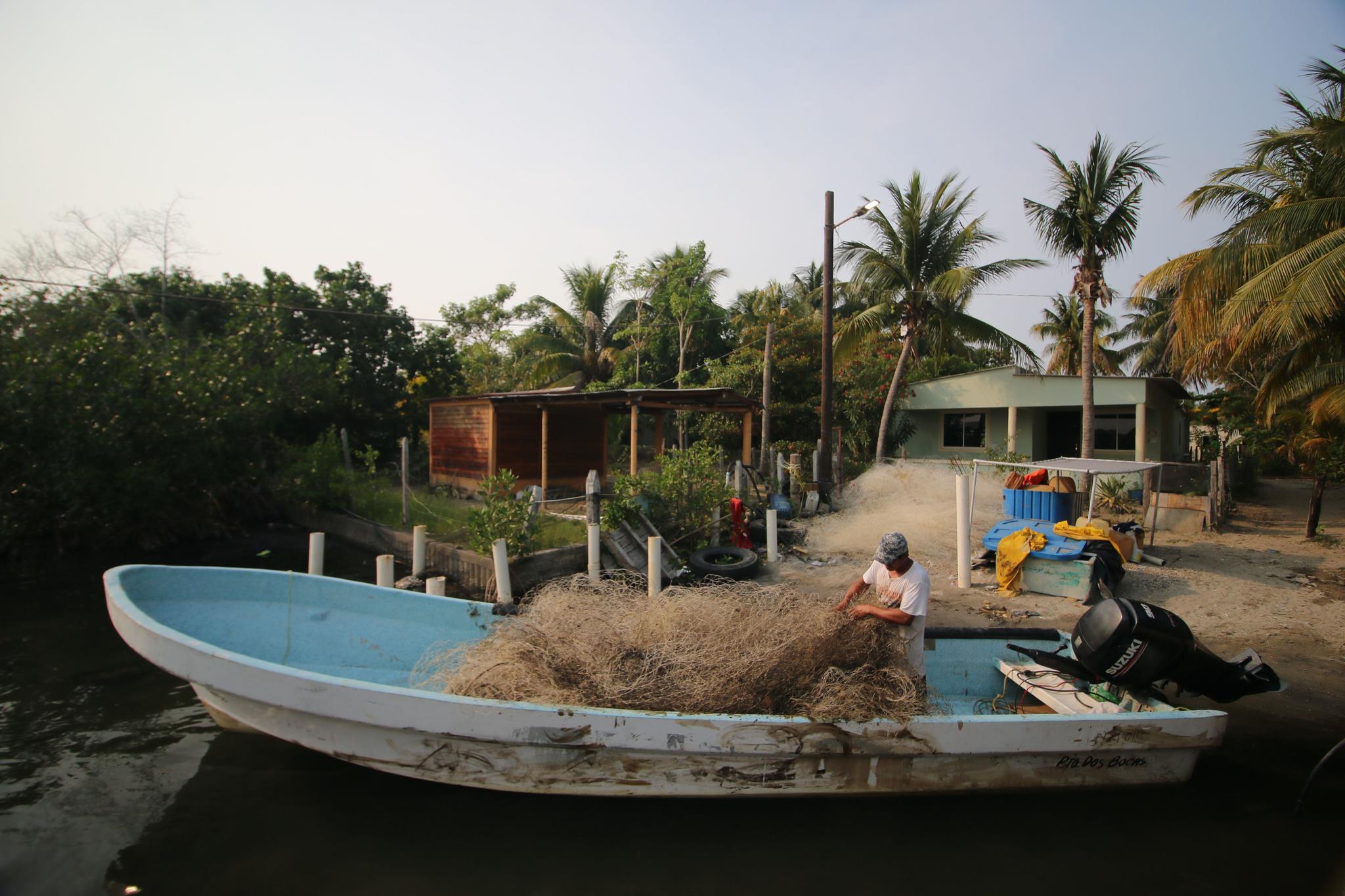 When there are oil spills, vessels are damaged. Photo: Luma López.
“If you don't have family to support you, there's nothing to eat. There are no pantries, there are no temporary jobs, there is no plan,” said Nancy Hernández, a member of the cooperative.
Mecoacán is one of the areas with the highest oyster production in Tabasco. Several cooperatives have opted for sustainable practices, certifications and traceability, however, the future remains uncertain if water quality does not guarantee even one consecutive year.
 This is an oyster farm in Tabasco, in the background, a tuft. Photo: Itzel Chan.
According to the Statistical Yearbook for Aquaculture and Fisheries 2024, Tabasco ranks second in the country in oyster production below Veracruz. However, production has fallen significantly, since in 2015 it exceeded 23 thousand tons and by 2024 there were 11 thousand 525, a drop close to 50%.
Daniel Pech, a researcher at El Colegio de la Frontera Sur (Ecosur), warned that the constant presence of hydrocarbons risks the food security of communities, whose diet is based on fish and seafood.
“It's been more than 20 years with this problem, since the installation of the oil industry, and the urgency lies in making sanitation plans, which will never come because the experience for that in Mexico is almost non-existent,” he said.
The researcher considered a National Spill Monitoring Program indispensable, but acknowledged that so far efforts have been futile.
“There was an attempt with the Gulf of Mexico Research Consortium, the Gulf of Mexico Environmental Baseline Atlas, but money is running out and efforts are running out. There were explorations and drills that allowed us to estimate effects, damages and repair costs if a spill occurred,” he explained.
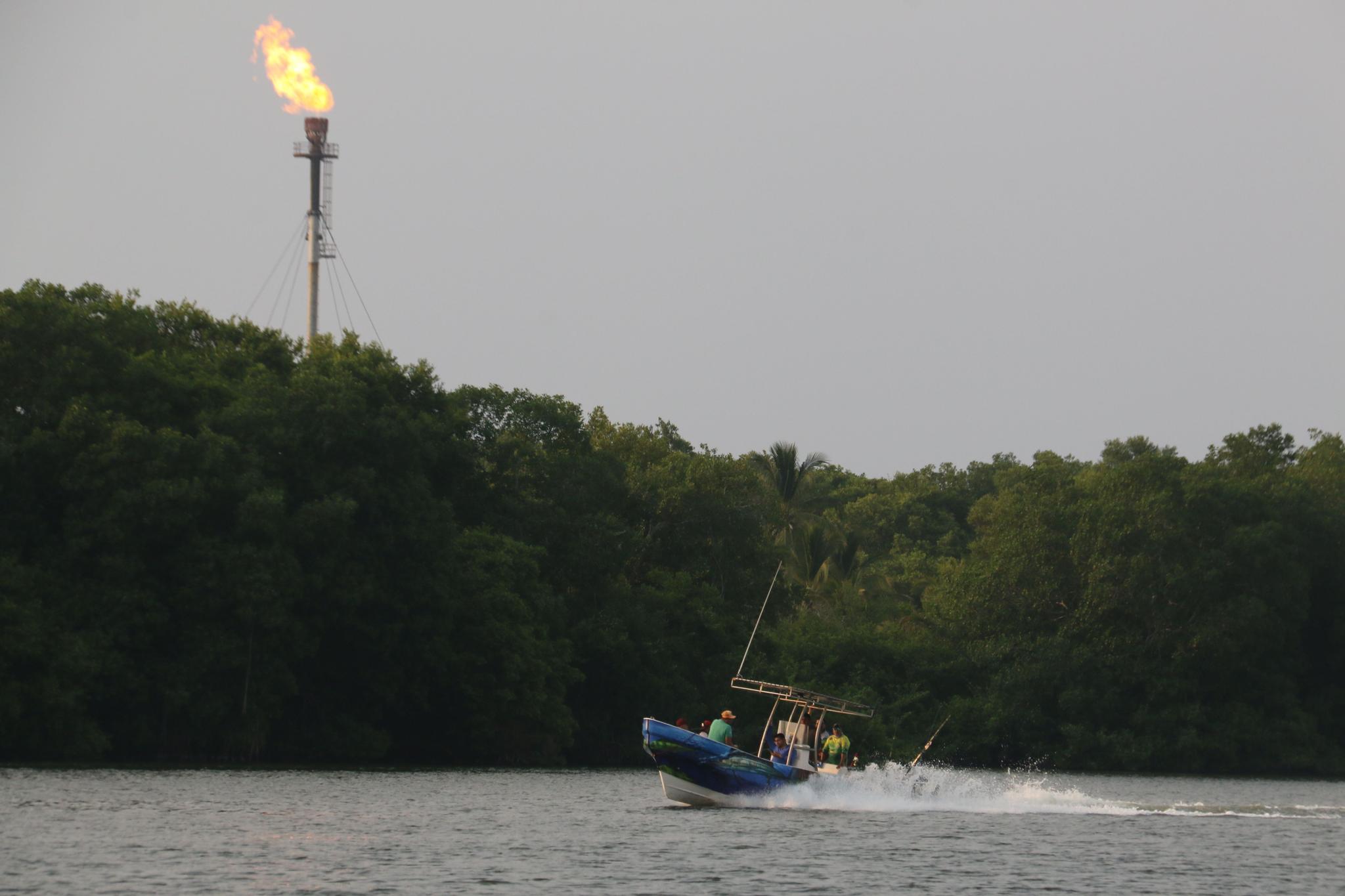 Oil activity puts pressure on the community. Photo: Luma López.
Meanwhile, the women of the cooperative are seeking certification from the Federal Commission for Protection against Health Risks (Cofepris) to join the Mexican Bivalve Mollusc Health Program, which would guarantee that their products are free of contaminants and would allow them to export. However, they know that their main obstacle is constant spills.
“The problem with Tabasco is that you can't release a product if it's not certified, but with spills we can't guarantee that it's of high quality. It is known here that the waters across the state are not good. You cannot certify a product if it is contaminated every year. Without an emergency plan, we always lose everything, our food and our income,” Sindy said.
When the lagoon becomes contaminated, the effects are multiplied because coastal fishing stops, oysters cannot be marketed, restaurants sell less and those who offer products on the road (so-called free) are left without income.
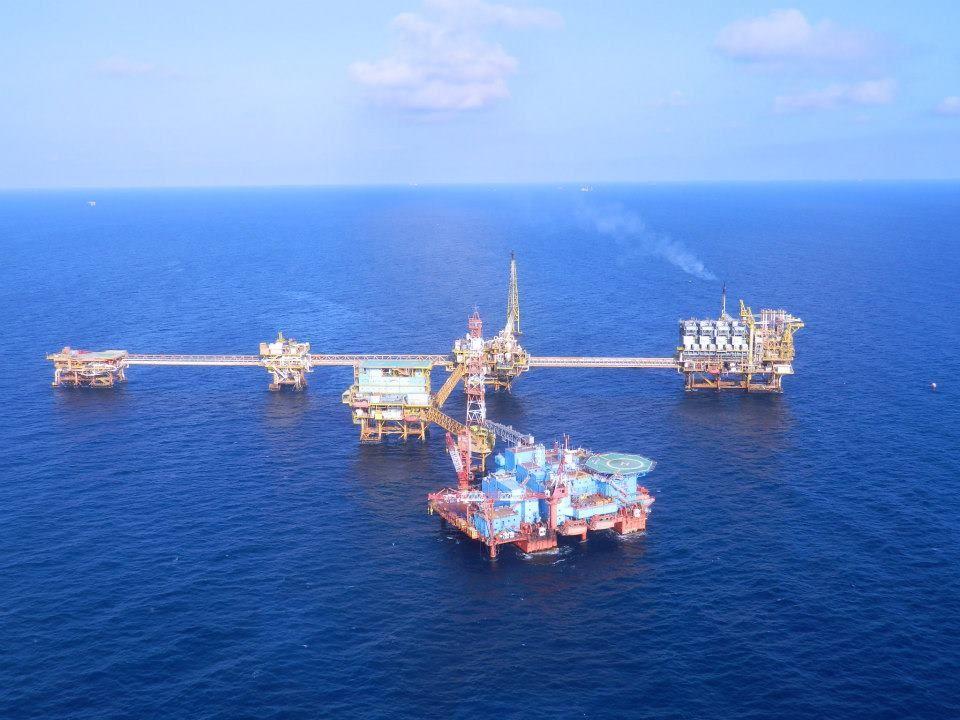
 People in the community say that there are more oil rigs off their shores. Photo: Itzel Chan.
People in the community accuse that there are no job alternatives, no emerging support, or official communication.
Added to this is the damage to their fishing gear such as nets, trusses, engines and boats that are impregnated with oil. Cleaning or replacing equipment involves significant expenses that fall entirely on anglers.
The oyster beds were damaged in baskets where they placed the oysters under water, because in some of them the glue became so impregnated that it was not possible to clean them one hundred percent. Although they were able to rescue their cayucos, it took them weeks to completely clean them.
Although Pemex does not break down all the spills that occurred in 2024 by state, its own Sustainability Report recognizes that it dealt with a spill in the Tabasco Litoral Separation and Compression Battery, an area where fishing fleets operate in Paraíso and Dos Bocas, and that it completed remediation work in contaminated areas of the Cactus-Nuevo Cárdenas oil pipeline.
Fishermen say that they are far from writing a story. Photo: Itzel Chan.
Part of the 149 hectares damaged by hydrocarbons that Pemex acknowledges having served in the Southern Region correspond to assets located in Tabasco territory, although the report avoids specifying how many.
In the last five years, Pemex alone has experienced 201 oil leaks or spills. These are at least 1,650,000 liters discharged “into the environment”, both in marine and terrestrial extraction fields, although most of these data provided by the oil company (60%) do not record the amount spilled.
“We don't want to fight with Pemex. We want to work. We only ask for warning, prevention, responsibility,” Time said.


Comentarios (0)