
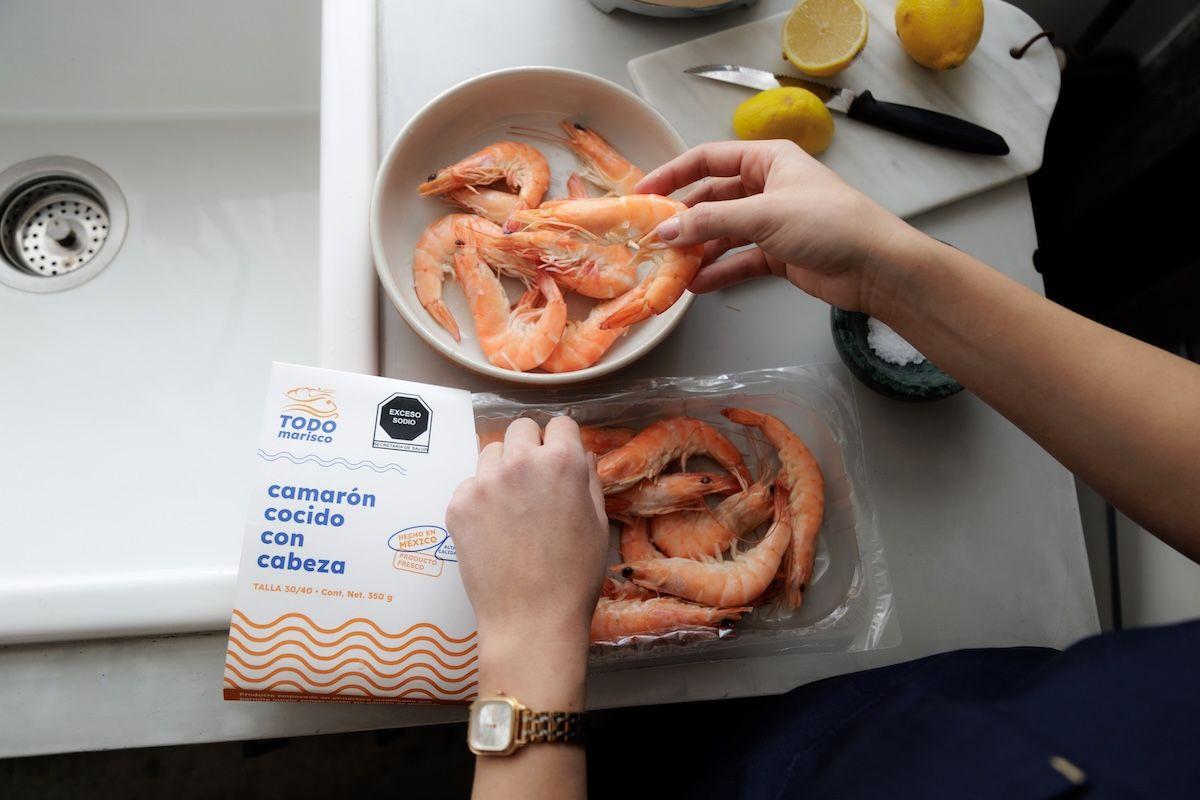
All seafood has crowned its first five years of existence with a consolidated position of its products in supermarkets in Mexico. The retailer located in Querétaro has been able to find the right cooking point to break through. Last year alone, 125 tons of tray shrimp were placed on retail shelves and in 2026 they intend to triple those results.
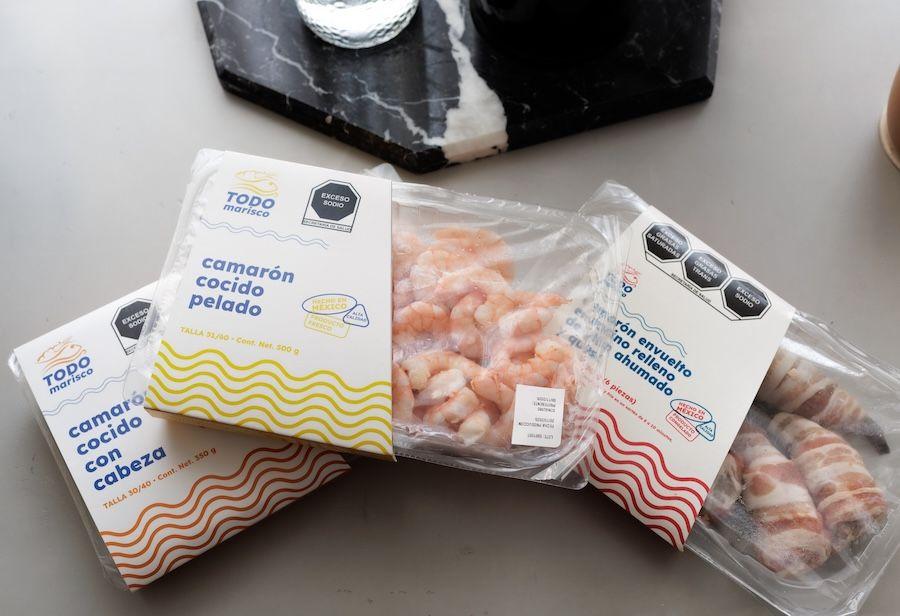
They can be found at H-E-B, La Comer, Selecto Chedraui, City Market La Comer, Fresko, Justo El Super 100% digital and CMR, according to the company's website. These customers with high standards are in line with the technology that comes with this shrimp, whose shelf life reaches 12 days.
In an interview with Causa Natura Media, the commercial director of Todo Marisco, Andrea Rodríguez, shares her perspective on the challenges of responsible seafood consumption in Mexico and the projects that anticipate market growth for this company.
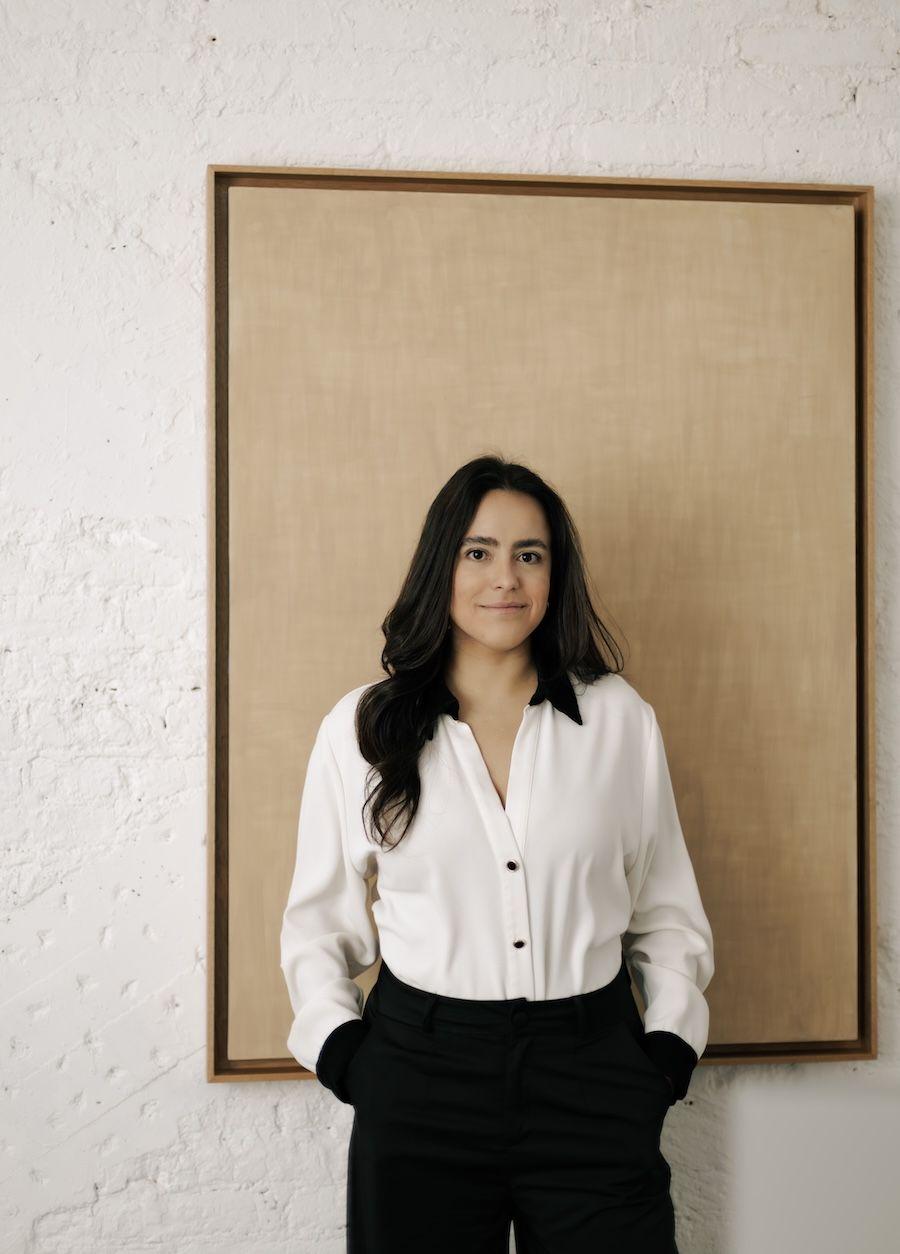
Commercial director of Todo Marisco, Andrea Rodríguez. Photo credit: Ángela Rodríguez.
— The Mexican market is, so to speak, quite full of seafood from other countries, but you entered the Mexican retail market in full swing.
— The business model was born around retail. In other words, we ventured to start selling Mexican shrimp in retail and we started to hit the ground running. We started operations in 2021, especially since we have a whole topic of technology and installation of machinery. That took us a while and we invited other partners. In 2022, we started at the first supermarket, which was H-E-B. It was the first to open the doors to our products. They gave us that vote of confidence to be our first large customer. We started first with a development of our brand for a few months, but immediately after that we moved. In other words, they liked our product so much that we moved to make 100% of H-E-B's own brand today.
— And how did they scale to the national level?
— After having a little bit of H-E-B in the curriculum and testing the retail market, understanding how it works and venturing into this, because we hit base with other chains and today we are in several. At Grupo La Comer, in the City Market, Chedraui Selecto stores, in 81 stores nationwide.
Commercial director of Todo Marisco, Andrea Rodríguez. Photo credit: Ángela Rodríguez.
— The standards in these retailers are high. What could you tell me about the challenges they had to overcome to enter those markets?
— Yes, well look, going into retail is definitely playing in the major leagues. This is a very good thing because it also leaves me very calm that the products I buy in the supermarket pass a lot of filters and I think that is a good thing and increases the quality of food products. Clearly, I only know how the seafood area works, but I wouldn't be surprised if the others are the same.
And, definitely, each supermarket has its own processes, certifications that have quality standards, but retail is a challenge in general. And with regard to us, the reality is that this mentality of seeking this type of quality excellence certifications, because we had it since we started the project, because we knew what this would entail, because that is what our partners had also experienced in Europe with the supermarkets of the countries.
— What has been the biggest challenge?
— I think the biggest challenge has been the issue of traceability, not so much because we didn't have it, but how to demonstrate it and how to let the customer who buys a tray know about traceability, how to assure them in detail. Not only does it involve precisely knowing where the shrimp comes from, but also how you communicate that traceability.
— How did the idea of traceability come about?
— Part of this idea of continuing with traceability was that sometime 2 years ago we integrated Acuícola Santa Inés, a company that has shrimp farms in the north of the country, into the group of partners. So, that allows us to be very close to hand with the raw material.
Beyond all the certifications you may have and all the processes that, obviously, we are under constant audits and that we have a quality team specifically for that, there is also the part of being able to count not just on an ally, but on a member of our family who is one of our main suppliers of shrimp. This allows us to have that certainty of the quality where the shrimp comes from.
— I understand that they use atmosphere technology in cooking, could you tell me what this consists of?
— I would say that it is one of our strongest pillars of what our project has been. We have two technologies that are the pillar of the essence and why Todo Marisco was born. One is a cooking machine that allows us to process 300 kilograms per hour. So, it is a unique machine in Mexico that allows us to have the cooking capacity in terms of quantity to meet the requirements of a supermarket. But in addition, the cooking process is developed specifically for shrimp and reaches its exact cooking point with a thermal shock that means that it is not overcooked or undercooked, but rather that it cooks perfectly and that means that it also has a very good quality and that lasts longer on the shelf.
The second pillar is that we are the first in Mexico to use a modified atmosphere for seafood, a little has already been seen in meat, chicken or other proteins, even in other products. What makes the modified atmosphere is a combination of gases that allows your product to be refrigerated, not frozen. We don't freeze our shrimp, but keep it fresh like fresh fish for up to 11 days of shelf life.
You still have that opportunity to consume without any risk or problem or loss of your conditions or organoleptic characteristics and it will be just as good. So what does that do? , so that you can find a product in the supermarket as if you were on the beach and had just been caught. That is, that you would eat it on the coast.
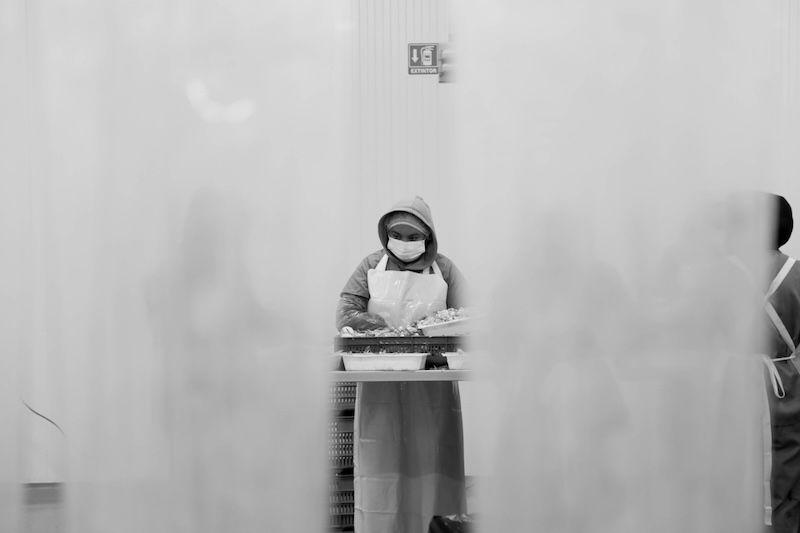
Photo by Ángela Rodríguez.
— From your point of view, what do you think could be one of the incentives or triggers that could raise awareness among Mexican consumers? There are very aware people, but certainly at the global level we still need it.
— There are several challenges at various levels. In other words, as suppliers, I think there is a big challenge in being very honest and transparent with the product we sell.
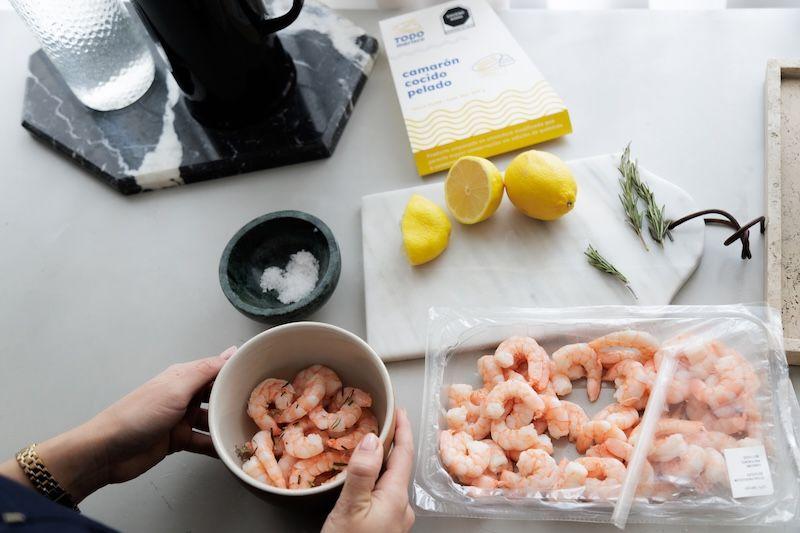
I don't know if you've ever seen our products, but it's a transparent tray. We want everything to be transparent and not to sell you a dark bag where you don't even see that you're buying. That is our mentality and way of working.
That we as suppliers should not be tempted to look for alternatives, let's say, cheaper, easier, but to achieve that balance between what can be profitable, but also what can therefore be transparent, clean and sustainable.
Then there is a very big challenge, I could say that it is not one of the main ones, but the main one. The topic of supermarkets. Maybe it's easy for me to say it because I'm on this side, not that side, but supermarket chains play a very important role in consumption, clearly, because it's the channel where any consumer will buy.
So that we have supermarket chains that maintain those quality standards in the products they accept, that remain selective, but that also, I don't mean that they sacrifice profitability, but that they give the opportunity to this type of (sustainable) products much more.
I fully understand the role of the supermarket, but the more a supermarket gives the opportunity on its shelf to sustainable products, the easier the consumer's decision-making process is.
— And how do you see the consumer's role?
And the other stage, because I think it would be the consumer as such. That part of the consumer is much less tangible and it is difficult to reach it at best from our trench. But I think that's where we're going in these next few years and we've seen it in our sales. In other words, if there is an increasing consumption of clean proteins, of seafood, there is a tendency towards a much healthier diet and that implies, therefore, the selection of products such as ours.
So, I think that's going to go by itself, that there's little we can do from our side there, other than to continue striving to provide a clean, good, sustainable and natural product.


Comentarios (0)