
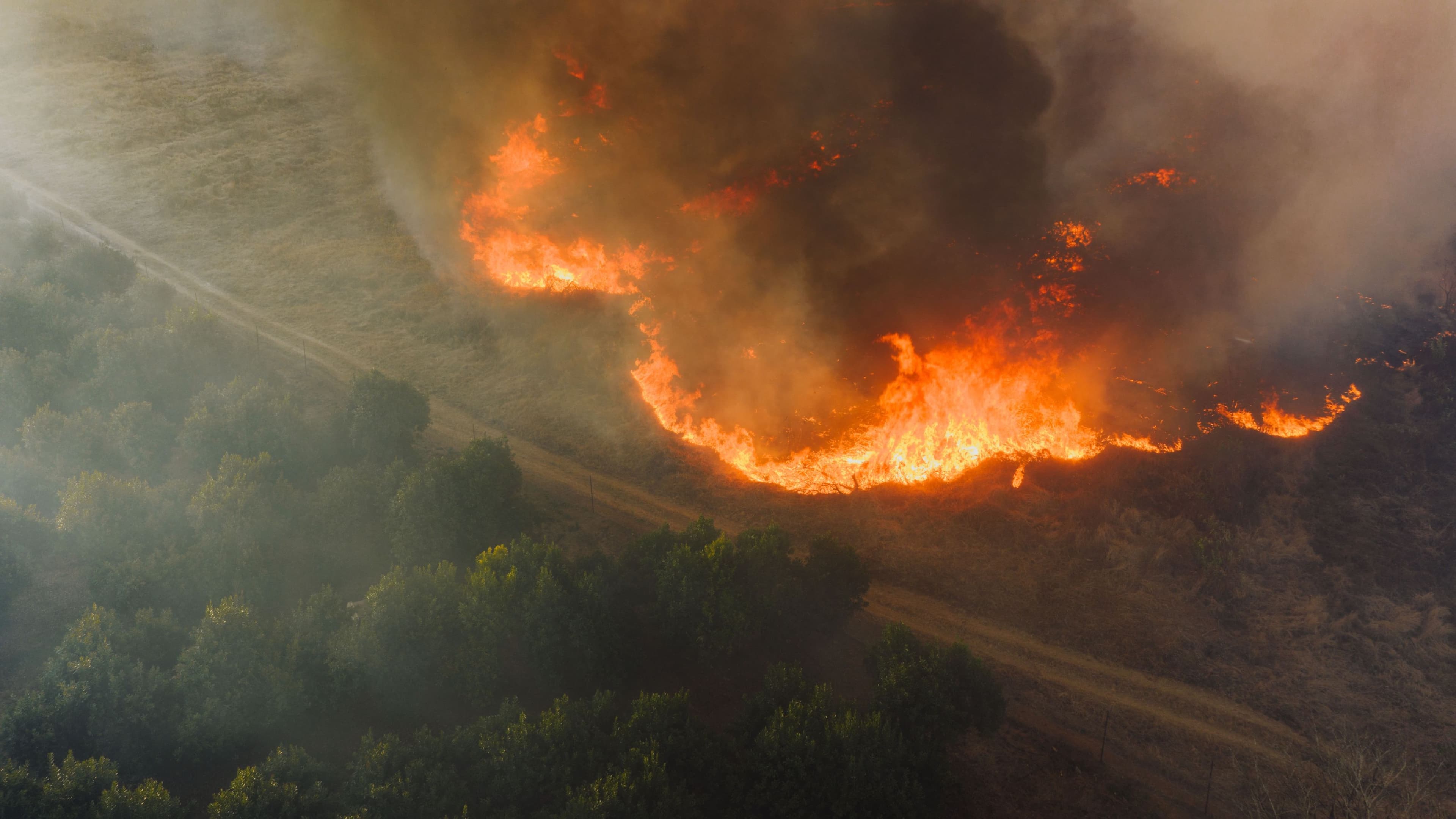
Between 2006 and 2015, high temperatures caused an average of 400,000 deaths annually worldwide. In the period from 2016 to 2023, that average amounted to 540,800 deaths per year, an increase of close to 36%. The situation worsened in 2023, when heat-related deaths reached approximately 710,000, of which 506,600 were attributable to climate change caused by human activities.
The data are part of the 2026 report of The Lancet Countdown on Health and Climate Change, prepared by 146 researchers from more than 100 institutions in more than 30 countries, under the leadership of University College London and in collaboration with the World Health Organization (WHO). The evaluation analyzes 54 indicators on the effects of global warming on health and the health outcomes of climate measures.
The study compares the indicators for the decade after the entry into force of the Paris Agreement, between 2016 and 2025, with those for the period 2006-2015. Their results show that several health risks associated with climate change grew more rapidly during the last decade analyzed. In the case of heat-related mortality, the proportion attributable to climate change increased from 55% to 68% between the two reference periods.
Long-term exposure to high temperatures increases the risk of heat-related illness and death, especially among people over 65, infants and those living with pre-existing illnesses. It also limits physical activity, reduces the ability to do outdoor work and increases health care needs. The report incorporates these effects into an assessment that links environmental conditions to health, livelihoods and economic costs.
Researcher Marina Romanello, executive director of The Lancet Countdown at University College London, said at the presentation of the report that the health damages of climate change are progressing faster than the responses adopted to contain them. The research team requests that the climate crisis be formally recognized as a global public health emergency and that health protection be at the center of decisions on emissions, adaptation and financing.
The latest: The richest pollute the most, but communities face the consequences of the climate crisis: Oxfam
Latin America: climate risks also affect health
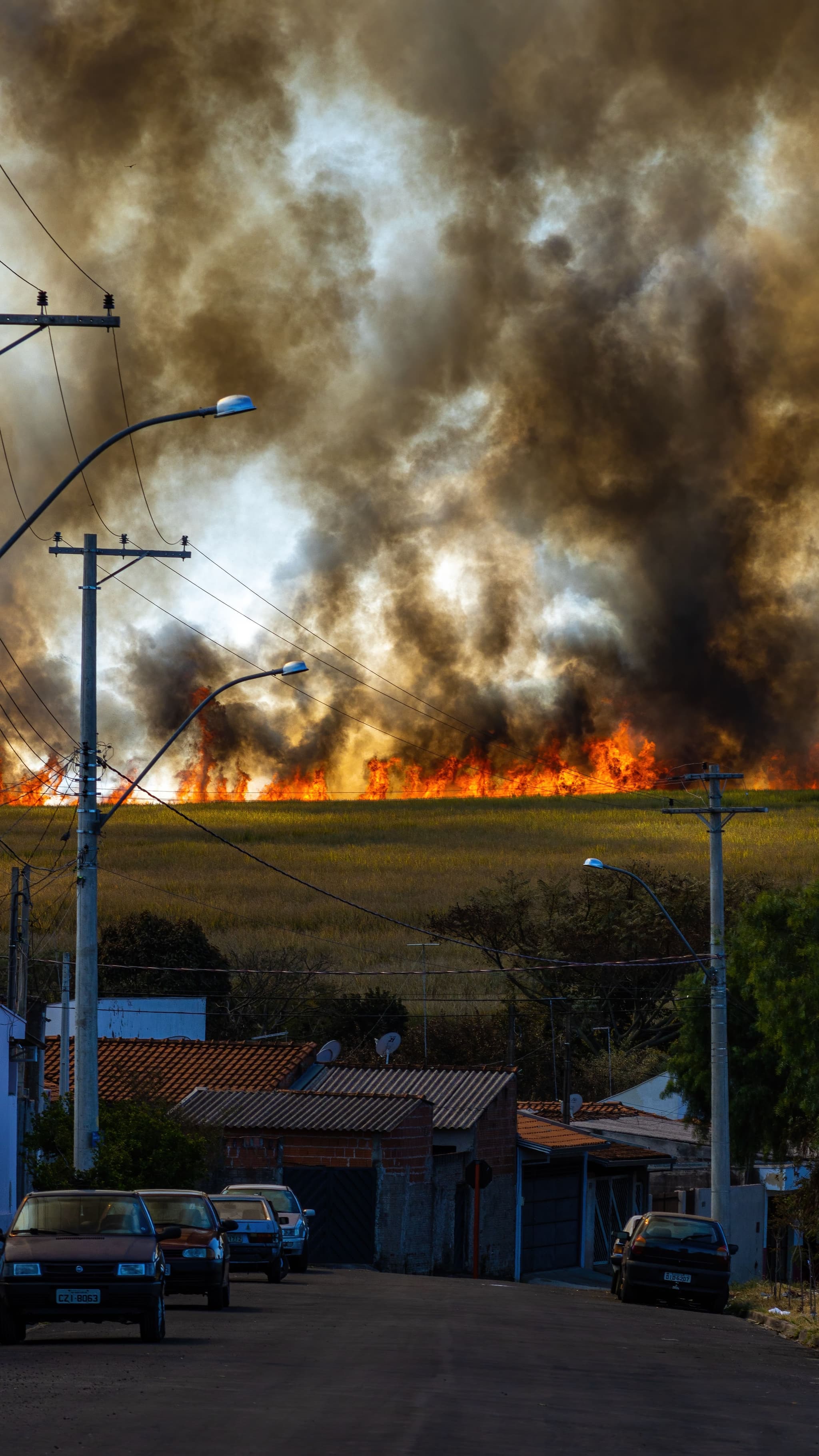
In Latin America, the health effects of climate change include exposure to heat, air pollution, water availability, and risks associated with extreme weather events. The global report of The Lancet Countdown records a 33% increase in the mortality rate associated with fine PM2.5 particles from forest fires in the region between 2006-2015 and 2016-2025. Globally, that rate decreased by 7% during the same periods.
The pollution generated by forest fires constitutes an additional way in which environmental conditions affect the population. Fine particles can penetrate the respiratory system and aggravate cardiovascular and respiratory diseases. In territories simultaneously exposed to high temperatures, droughts and fire seasons, these factors are incorporated into the risks faced by health systems.
Water availability constitutes another dimension of this relationship. The report identifies important changes in terrestrial water storage and notes that changes in humidity patterns have an impact on agricultural production, food security and sanitation. These conditions are especially relevant in Latin America, including the Amazon basin, where the document identifies territories particularly affected by extreme variations in precipitation.
The latest: The richest pollute the most, but communities face the consequences of the climate crisis: Oxfam

Mexico: more hot days and economic losses
In Mexico, the population experienced an average of 9.4 heatwave days per year between 2016 and 2025, an increase of 110% compared to the period 2006-2015. Among infants and people over 65 years of age, exposure reached approximately nine days a year, about six additional days compared to the previous decade, representing an increase of close to 200%.
The figures correspond to the report's heat wave exposure indicator and describe the frequency of these episodes during the periods evaluated. Long-term exposure to high temperatures increases the risk of heat-related illness and mortality, especially among groups with greater physiological vulnerability.
The impact is also reflected in the economy. Between 2021 and 2025, the annual monetized value of heat-related mortality among people over 65 in Mexico was estimated at approximately 5.6 billion dollars. The figure is equivalent to about 319 thousand average annual revenues and represents an increase of 390% compared to the period 2000-2004.
Exposure to heat also reduced work capacity. Between 2016 and 2025, Mexico lost an annual average of 2.9 billion potential working hours because of this cause, 71% more than the annual average of the 1990s. Agriculture accounted for 44% of those lost hours. In 2025, the reduction in work capacity associated with heat resulted in potential income losses estimated at 9.2 billion dollars, of which 32% were from agriculture.
The report states that the increase in total working hours lost is mainly due to the growth of the exposed working population. Potential hours lost per worker went from 52.6 per year in the 1990s to 52.8 during 2016-2025, an increase of 0.5%. This distinction allows us to measure the overall effect of thermal exposure and the number of people working under those conditions.
Drought, fire and coastal health risks
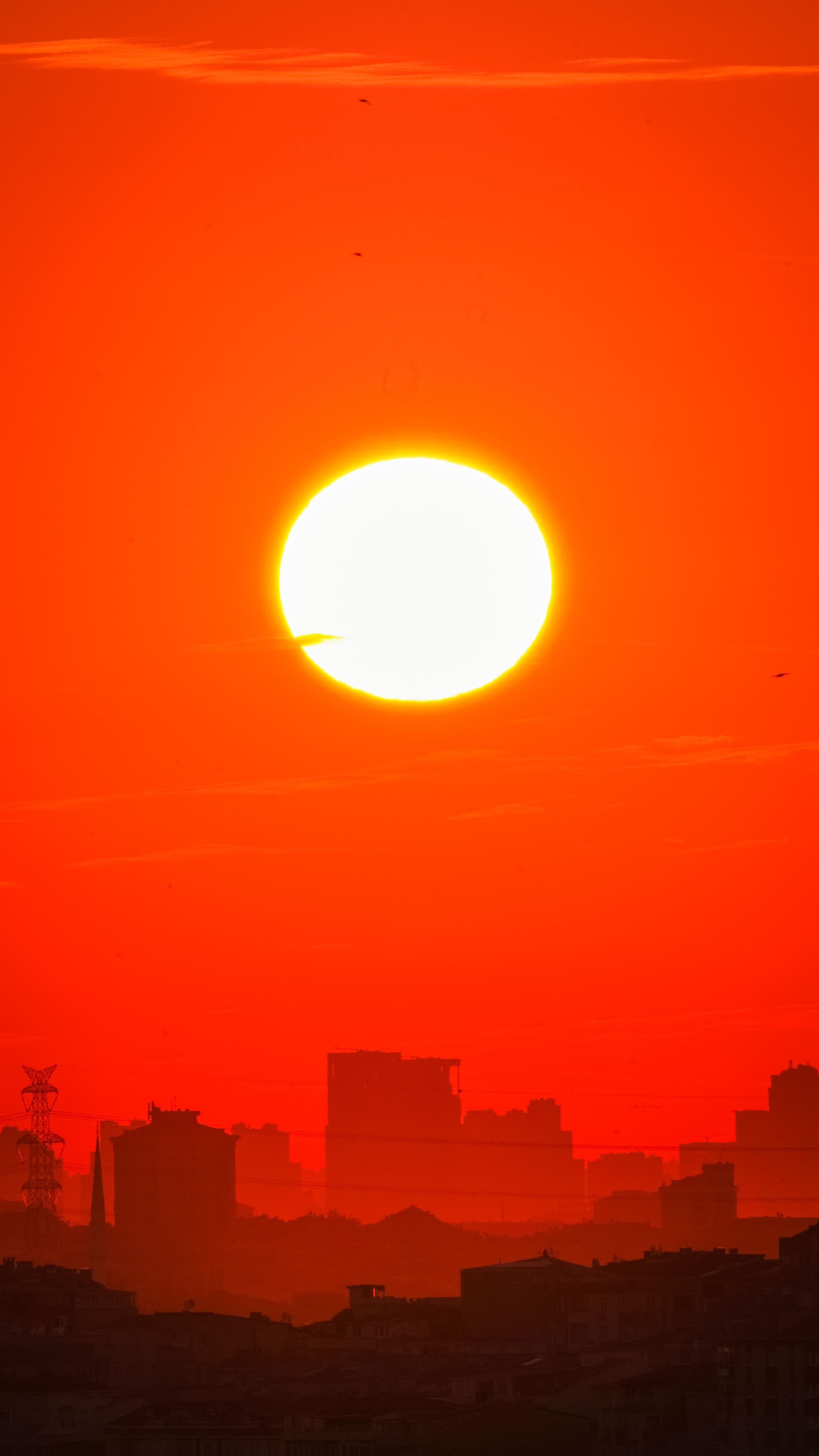
Exposure to heat occurs in a context of expanding extreme drought. Between 2021 and 2025, an average of 65% of Mexican territory experienced at least one month of extreme drought each year. During the period 1981-1990, the proportion was 12%. The comparison shows a substantial change in the affected land area, with potential consequences for water availability, agricultural production and livelihoods.
The national fact sheet also documents the increase in mortality associated with forest fire smoke. Between 2021 and 2025, this factor was related to an estimated average of 11,100 annual deaths in Mexico, 48% more than between 2003 and 2012. During the most recent period, the population also experienced an average of 84 days a year with very high or extremely high risk of forest fires.
In coastal areas, warming modifies the environmental conditions for the transmission of bacteria of the genus Vibrio, capable of causing gastrointestinal and wound infections. In 2025, around 775 kilometers of the Mexican coastline presented adequate environmental conditions for transmission, an increase of 711% compared to 1982-1991.
The report estimates that annual cases of vibriosis (bacterial infection caused by microorganisms of the genus Vibrio that naturally inhabit coastal, salty or brackish waters) averaged approximately 4,200 between 2016 and 2025, an increase of 1.168% compared to the reference period 1982-1991.
These indicators describe ways in which climate change can affect health in Mexico: thermal stress, air pollution, water scarcity and the expansion of favorable conditions for certain infections. Its monitoring makes it possible to relate environmental changes to health risks and quantifiable economic losses.
The climate response as a public health policy
The report estimates that the reduction in deaths attributable to air pollution caused by fine particles (PM2.5) from fossil fuels prevented around 323 thousand deaths per year in 75 countries during the period analyzed. The reduction in these deaths is evidence of the health effect of reducing air pollution. In 2025, global investment in clean energy reached 2.1 trillion dollars, an amount 82% higher than that allocated to fossil fuels.
The assessment points out that fossil fuels still provide more than 80% of the world's energy. At the same time, emissions from the energy system reached an all-time high in 2023, according to the report's indicators. These data invite us to relate the reduction of emissions and the protection of health within the same public policy agenda.
For Mexico, the results invite us to think about specific areas of opportunity for intervention: reducing the exposure of vulnerable groups to heat waves, protecting people who work outdoors, strengthening surveillance for diseases associated with environmental conditions and addressing risks associated with drought and forest fires.
The tenth edition of The Lancet Countdown states that climate change must be recognized and addressed as a global public health emergency. Its evaluation allows us to visualize indicators to incorporate health effects into decisions about energy, infrastructure, climate adaptation and resource allocation.
It may interest you: Deportivo Hermanos Galeana: Utopia inaugurated despite opposition from neighbors


Comentarios (0)