
Animal populations monitored by the World Wildlife Fund (WWF) decreased 73% between 1970 and 2022, according to the Living Planet Report 2026.
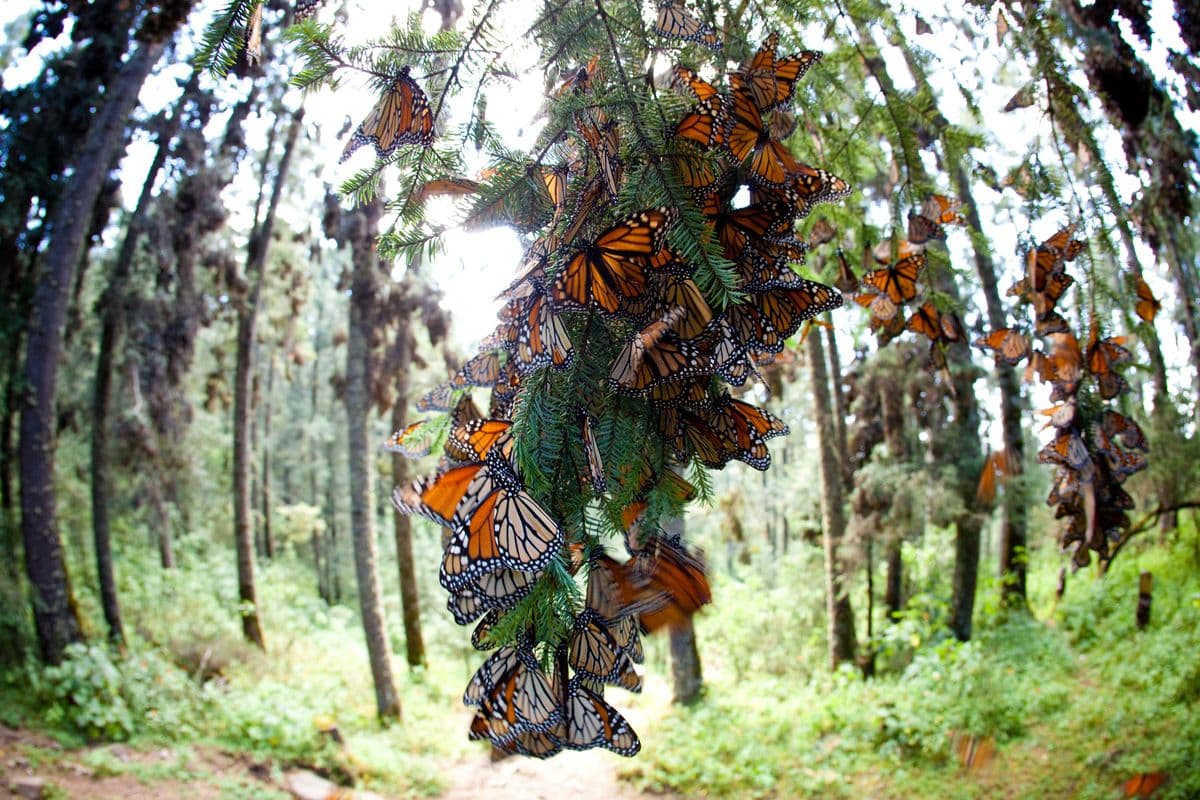
Tigers, green turtles, Pacific bluefin tuna, savanna elephants, jaguars, maroon sheep, Mexican crocodiles and monarch butterflies are among the species used by WWF to show changes in wildlife populations.
The report gathers data from 35,803 population trends for 5,790 vertebrate species and represents the cumulative average proportional change in the size of the monitored populations, not the number of individual animals lost or the number of missing populations.
The report, prepared by WWF in collaboration with the Zoological Society of London, was presented in Mexico City and uses the Living Planet Index to analyze how the populations monitored have changed over more than five decades.
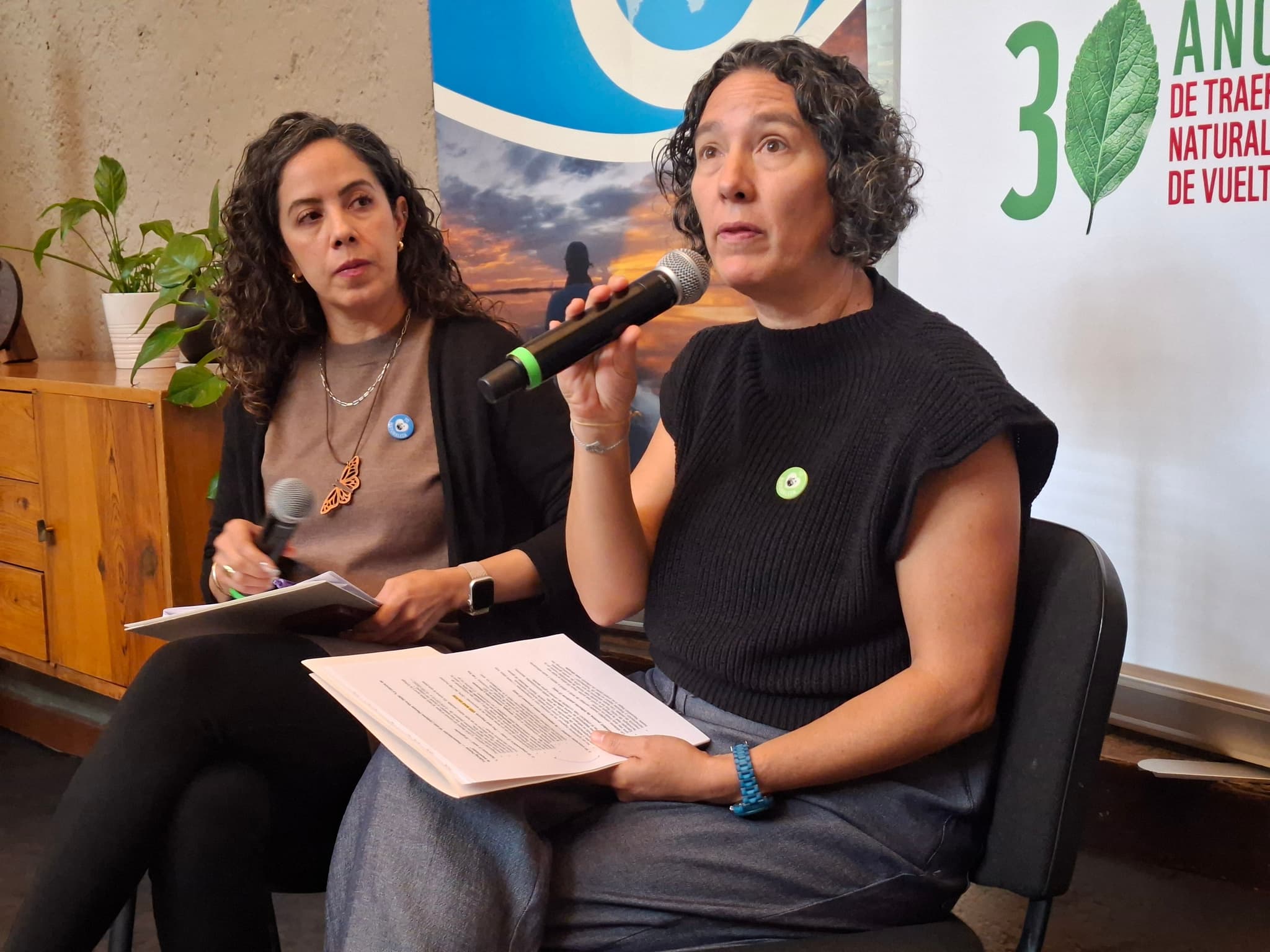
“What I say when I say 73% is that the trend of all the species populations studied in the Living Planet report in this 2026 edition say that they are going down,” said María José Villanueva, director general of WWF Mexico.
Villanueva explained that the Living Planet Index does not represent an absolute number of animals nor does it mean that 73% of species have disappeared. The index shows a trend in the size of the monitored populations and brings together populations that increase, decrease or remain stable. “If I randomly grab a population, I have a 70% chance that that population will go down,” Villanueva said.
The report indicates that around half of the populations included in the index remain stable or are increasing: 7% remain stable and 43% are growing. The global average decline corresponds to the period from 1970 to 2022. Freshwater ecosystems registered the greatest decline, with 85%, followed by terrestrial ecosystems, with 69%, and marine ecosystems, with 59%.
Latin America registers the biggest drop
“Our region, Latin America, of which Mexico is a part, is the region with the greatest loss. When we break down this index at the regional level, we see that Latin America is the most affected region,” said María José Villanueva, director general of WWF Mexico.
Between 1970 and 2022, monitored wildlife populations in Latin America and the Caribbean decreased 95%, the largest drop among the regions evaluated. In Africa, the decline was 80% and in Asia-Pacific, 49%. Villanueva attributed the differences with Europe and North America to the starting point of the index, whose monitoring began in 1970. “By 1970, Europe and North America had already run out of biodiversity.
So really, they're still in decline. However, it's not as profound as we're seeing in regions like Asia and Latin America,” he explained.
By type of ecosystem, monitored freshwater populations registered the greatest decline, with 85%, followed by terrestrial populations, with 69%, and marine populations, with 59%.
“In terms of habitats, the rate of greatest decline is the freshwater crisis,” said Villanueva, who linked this trend to pollution, freshwater loss, climate change and droughts.
You may also like: Federal Justice recognizes the powers of ASEA and Semarnat to comprehensively evaluate gas projects in the Gulf of California
Half of the populations remain stable or show growth
In Mexico, Pilar Jacobo, Director of Conservation at WWF Mexico, highlighted the recovery of the bighorn sheep, whose population went from approximately 45 specimens in the 1970s to more than 10,000. “The sustainable use of this species represents 64% of the Seri community's income,” he said.
The report also notes that the behavior of the monitored populations is not uniform. Half are stable or showing signs of growth, according to WWF.
“The monitored vertebrate populations decreased 73%. But it's important that half of these populations are stable or showing some signs of growth. So, the decline is not a fixed destination,” Villanueva said.
The organization presented these cases within the concept of “science of hope”, used in this edition to identify conservation processes that have produced results and the conditions that allowed them to be achieved.
Villanueva explained that this concept takes up the theory of hope developed during the 1990s by the psychologist C. R. Snyder and adapted by the WWF. The approach considers four elements: a clear goal, proven and adaptable strategies, capacity to act and resilience.
Among the international examples presented is the tiger, whose population went from about 3,200 specimens in 2010 to about 5,700 in 2025, an increase of close to 70%, according to data presented during the conference.
The recovery of Pacific bluefin tuna was also mentioned, whose population, according to WWF, almost doubled through public policies and sustainable fishing measures. The green turtle was presented as another case of recovery after decades of conservation actions. “It's been the product of decades of people who have sustained the effort,” Villanueva said.
Also read: Environmental study of the breakwater in Salina Cruz omitted effect on the Ikoots indigenous community, displaced by coastal erosion

Focus on transforming the food, financial and energy sectors
WWF recalled that more than 58% of global gross domestic product depends directly on nature. To curb the deterioration, the organization proposed to generate fundamental transformations in three determining human systems.
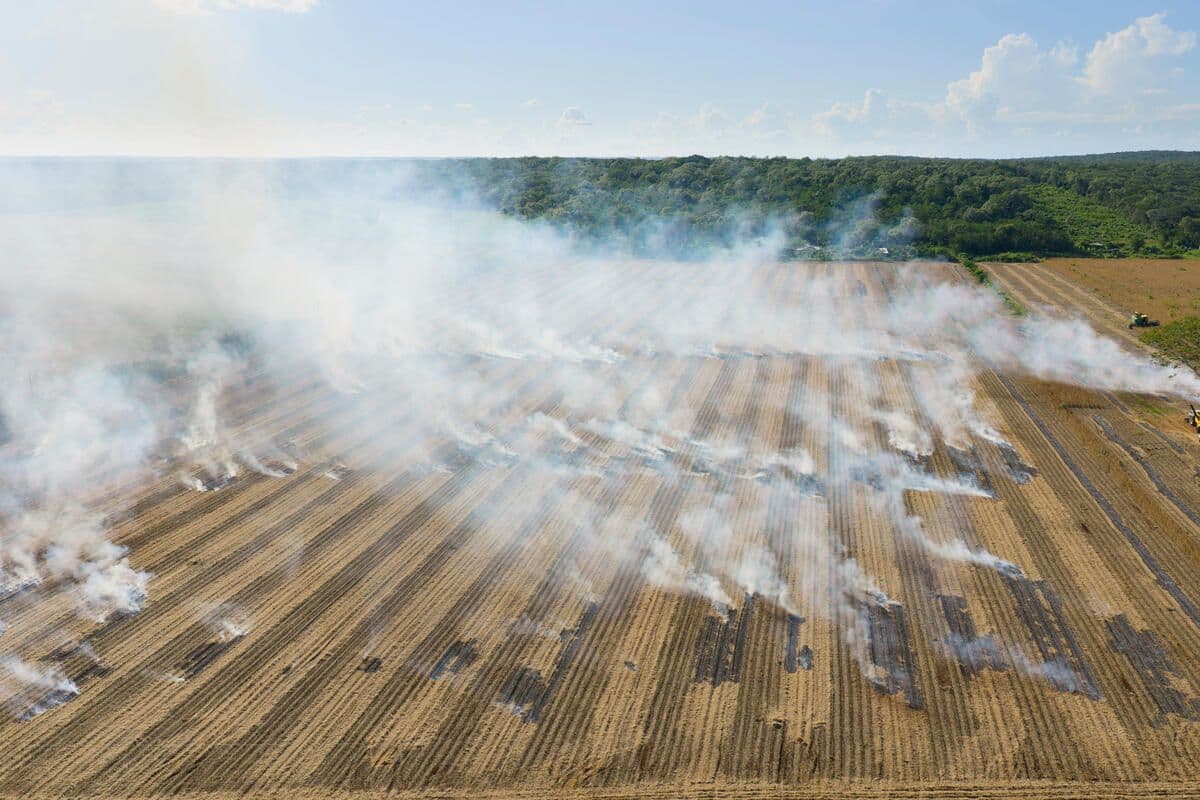
In the food system, there was an urgent need to stop the deforestation of primary forests and jungles, reduce food waste, which accounts for a third of total production in Mexico, and promote regenerative agriculture. In the financial system, he asked to reorient subsidies and establish environmental credit conditions, pointing out that while 470 billion dollars a year are allocated to harmful agriculture and 7 trillion to fossil fuels, only 1.3 trillion are oriented to biodiversity.
Finally, in the energy sector, it demanded accelerating the clean transition with ecological safeguards and low-impact operational measures, such as reducing the speed of cargo ships in ports such as Manzanillo and La Paz to reduce emissions and avoid collisions with whales.
Jacobo concluded the presentation by stressing the urgency of strengthening public resources allocated to the management of natural resources in Mexico: “We will continue to say strongly, the environmental budget must be maintained and, hopefully, increased. (...) We give it less than 1% and we contribute more than 3% to GDP.”
Also read: “An unacceptable risk”: more than 100 scientists alert the Mexican government about gas projects in the Gulf of California


Comentarios (0)