
In the early morning of November 5, 2023, a surveillance operation detected in the Archipiélago de Espíritu Santo National Park, Baja California Sur, a boat with four crew members that captured parakeet fish using harpoons and a compressor used to supply air to divers.
The operation, in which the Fund for the Protection of Marine Resources (FONMAR), Semar, Conapesca and the Network of Citizen Observers (ROC) participated, ended with the retention of the boat, the engine and the equipment used, in addition to the securing of 78 kilos of parakeet fish fillet. Three years later, this practice continues.
The ROC estimates that at least four boats are currently fishing illegally by gunning at night in La Paz Bay. Each of these vessels can extract between 800 kilos and one ton of fish per night and operate three to five days a week, said Alberto Guillén Guadarrama, the organization's surveillance coordinator.
When two vessels work together, the extraction can reach between 1.6 and two tons in one night. Guillén estimated that, if they leave three times a week, the volume could reach up to six tons and, under other operating conditions, reach up to eight.
Night gunning involves divers descending during the night and, with the help of a system that supplies them with air from the boat, they catch fish directly with harpoons or modified guns. The technique allows them to remain underwater for extended periods and to capture while the fish have less visibility and reaction capacity.
Among the main species identified in these catches are parakeet, snapper, cabrilla and cochito.
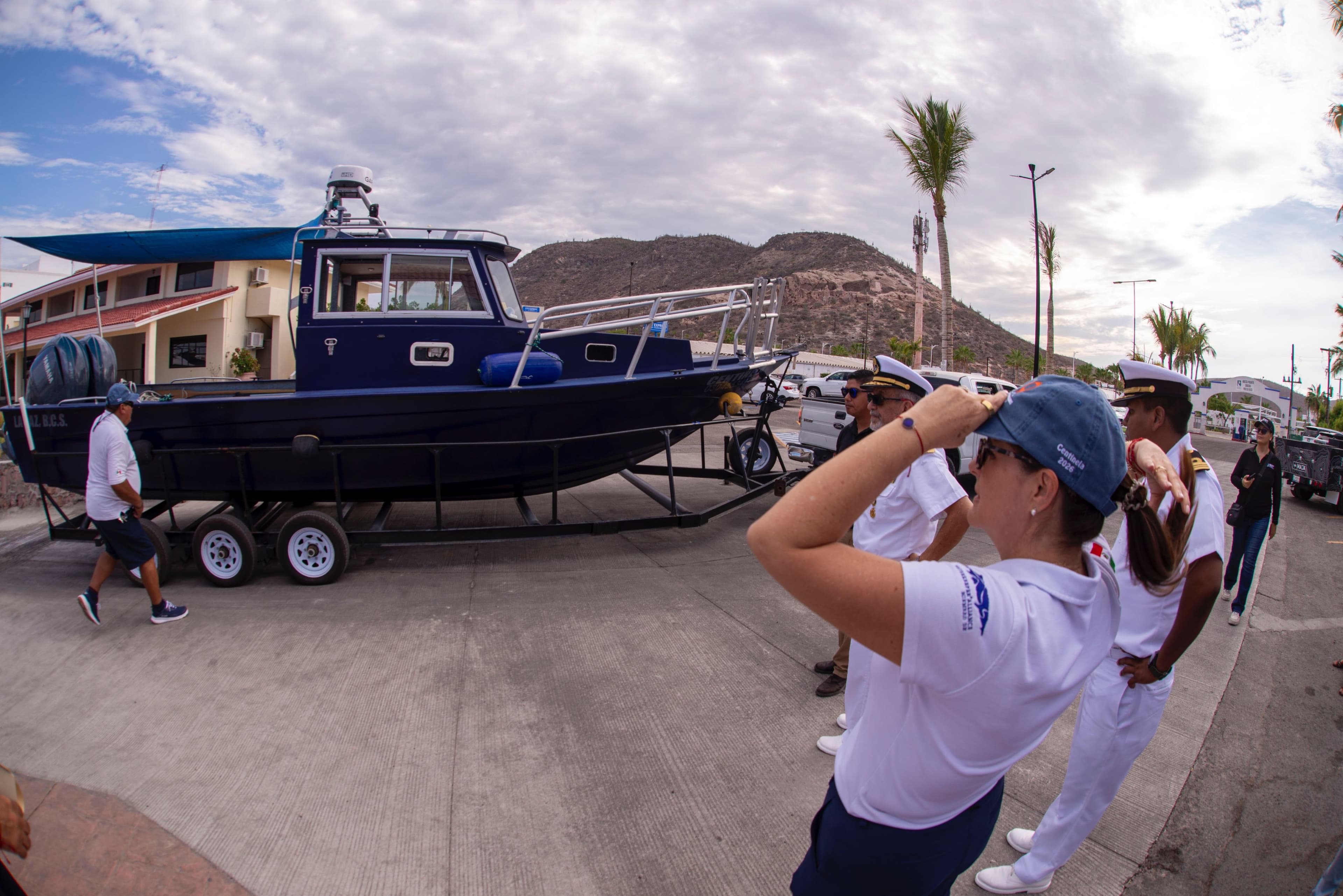
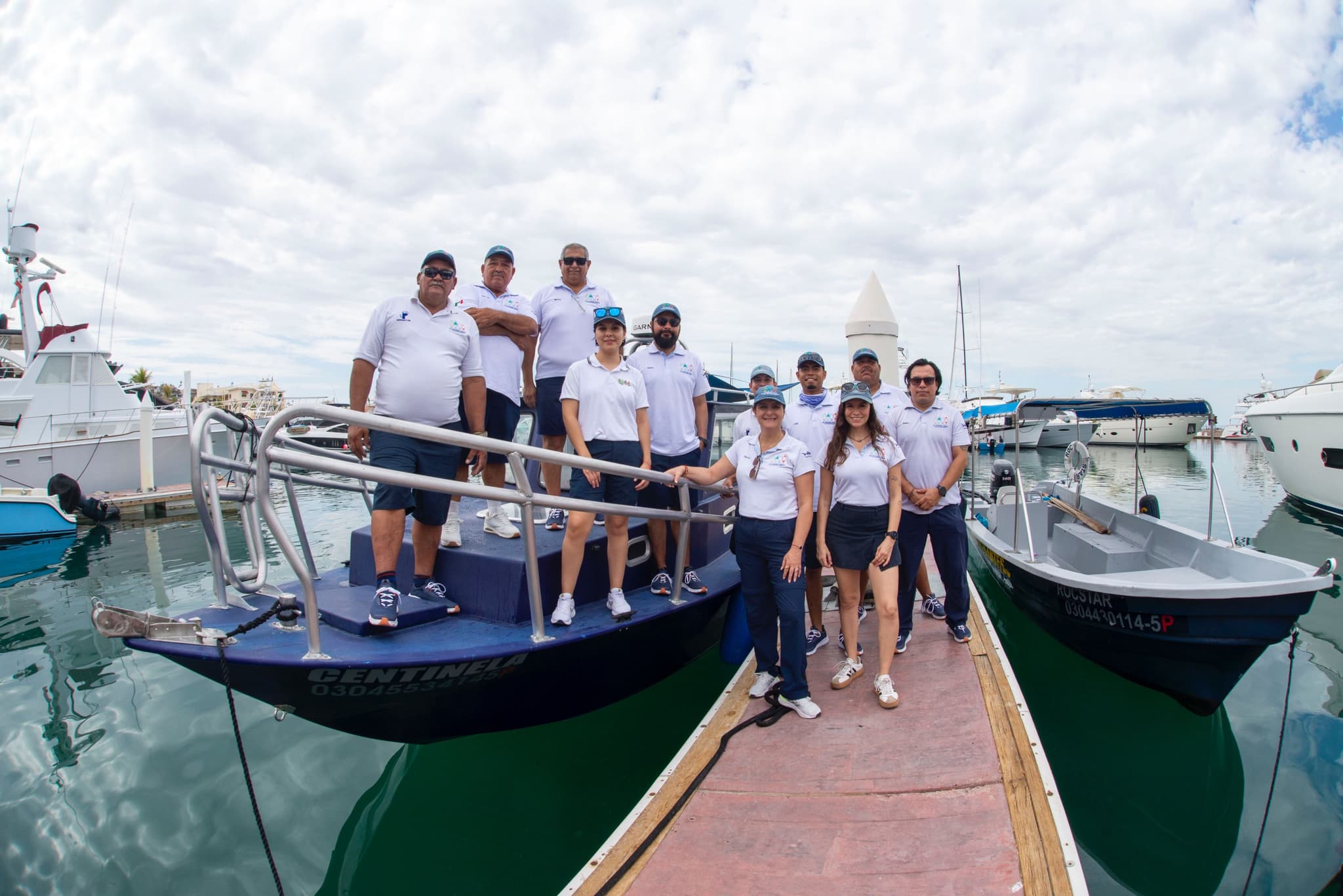
For this reason, the Network of Citizen Observers incorporated “The Sentinel”, a 30-foot vessel with a greater capacity for longer trips and operating in conditions that make it difficult for smaller units to navigate.
Don't miss: Sick and abandoned dolphins: more than 64,000 firms demand their rescue
How does night shooting operate in Bahia de La Paz?
The gun is carried out during the night with an air supply system known as a “hookah”, consisting of a boat, compressor, reservoir and hoses that can reach 30 meters.
Guillén explained that this equipment is allowed for some fisheries, including clams and sea cucumbers, but not for the extraction of flake fish under the conditions documented by the organization.
Divers also use modified harpoons or “guns” and bags to store catches.
The boats leave before nightfall and can stay working until dawn. While the divers are catching the fish, a person on board receives and cleans the product.
The fish thus arrives ready to land to be placed on ice and, according to Guillén, before five in the morning it may be being delivered to markets.
Nine inspectors for 2,200 kilometers of coastline
In addition to illegal fishing, there is limited inspection capacity. Conapesca has nine inspectors for approximately 2,200 kilometers of coastline in Baja California Sur, Martín Insunza Tamayo, director of FONMAR, told CN Media. Tamayo acknowledged that the number is insufficient.
For this reason, FONMAR proposed an agreement with Conapesca to incorporate state inspectors and expand surveillance coverage.
Guillén confirmed that the number of federal inspectors is small and noted that in the municipality of La Paz there is only one inspector, in addition to the coordination structure.
ROC has no power to arrest or punish. When its members detect allegedly illegal activities, they carry out tours in coordination with authorities. During the years they have been operating, insurance has been carried out on boats, fishing gear and products.
In operations carried out when the vessels arrive ashore, vehicles used to transport the catches have also been secured.
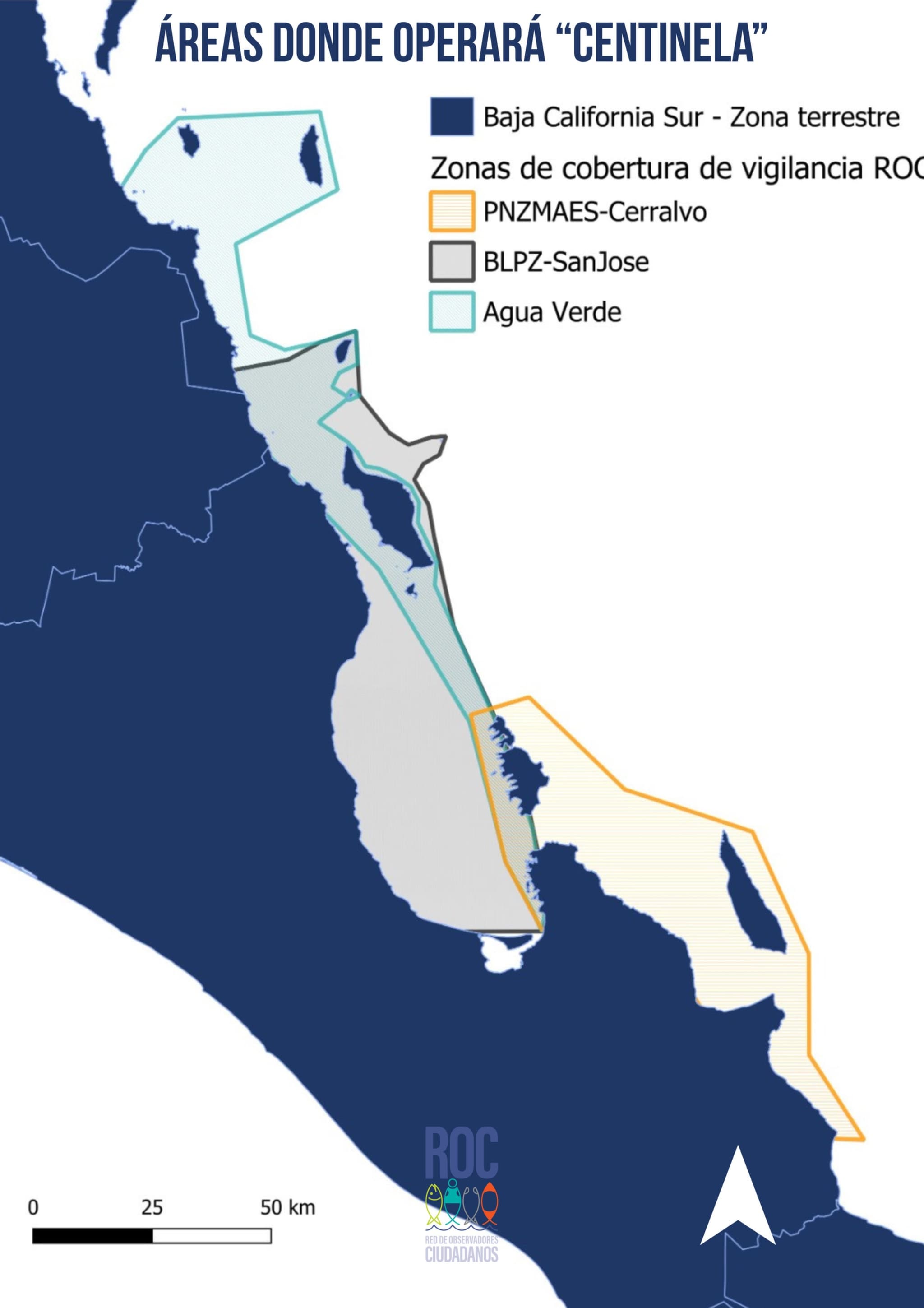
The organization says that constant surveillance helps to reduce illegal fishing around Espíritu Santo, but warns that the activity is moving to more remote areas. Cerralvo, San José and the coasts near fishing shelters remain among the areas that require the most surveillance due to the distance and productivity of these sites.
“The Sentinel” covers part of those distances. However, according to specialists, surveillance faces a chain that goes beyond detecting vessels, since fish can be caught during the night, processed on board, disembarked before dawn and arrive at the market during the early hours of the day.
You may also like: Divers abandoned on the high seas: the invisible risk of poaching in Yucatán
“The Sentinel” expands the vigil at sea
The organization carries out surveillance mainly in La Paz Bay and around Espíritu Santo, Cerralvo and San José. With “El Centinela” they seek to expand routes to the Bahia de Loreto National Park and the fishing shelter corridor located between Loreto and San José Island.
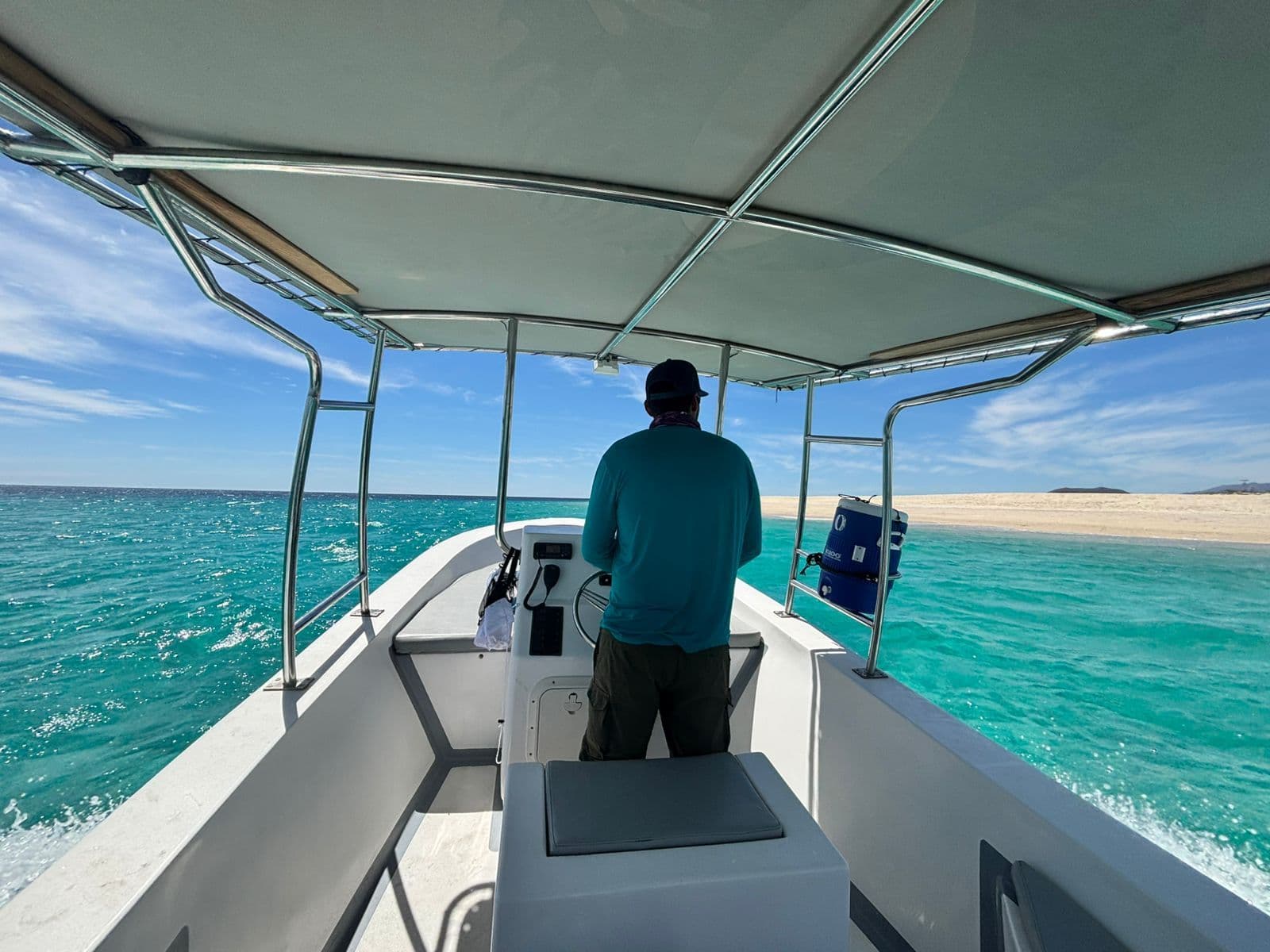
The vessel has two 250-horsepower engines, radar and satellite trackers. It can accommodate 12 people, although surveillance tours are expected to have a crew of approximately four.
Guillén explained that one of the reasons for buying a larger boat was that they have detected irregular activities when there are adverse weather conditions.
In the case of shrimp boats, ROC has observed that some take advantage of wind, storm surge or the closure of the port for smaller vessels, conditions that make it difficult for small units to go out and carry out surveillance. During the previous season, the organization identified between two and four shrimp boats inside La Paz Bay.
However, the organization is only certain that one repeatedly attempts to carry out illegal trawls.
Guillén specified that around 90% of the activity of the shrimp farmers they have observed is carried out legally.
Illegal fish comes ashore for sale
Surveillance doesn't end with vessel detection. Martín Insunza Tamayo pointed out that a pattern has been identified in which low-income fishermen catch for large traders.
According to the official, when these people are detected they can lose boats and equipment, but later other units resume the activity.
“Everything that is taken out at sea, whether legal or illegal, has to reach the coast and has to be moved for sale,” Insunza said.
ROC also sees the market as part of the problem. Guillén stated that the product obtained through illegal fishing can be filleted before sale, making it difficult for the consumer to identify the species and its origin.
For this reason, he recommended buying, when possible, the complete fish and requesting that it be filleted at the time of purchase.
In this scenario, surveillance at sea represents a solution to only part of the problem, because during the early morning it can be quickly incorporated into the marketing chain.
For ROC, identifying the origin of the fish that reaches the points of sale is part of the actions necessary to reduce illegal fishing.


Comentarios (0)