
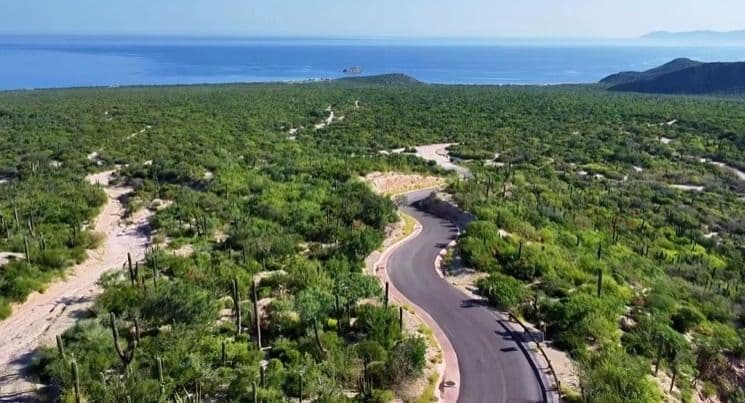
The developer, Grupo Financiero Ve Por Más, of the El Saltito tourism project Second Stage of the Land Use Change procedure in Forest Lands being analyzed by the Secretariat of Environment and Natural Resources (SEMARNAT), but the Regional Environmental Impact Statement (MIA), authorized in 2009, is still in force.
This was confirmed by the federal delegate of the agency in Baja California Sur, Cristina González Rubio.
The clarification comes after several weeks of citizen mobilization against the project, after environmental organizations released the file requesting authorization to disassemble 109,622 hectares of native vegetation to develop a tourist complex with residential lots, hotel, golf course, beach clubs and other infrastructure north of La Paz.
Also read: Community of La Paz is organized to stop tourism project in El Saltito
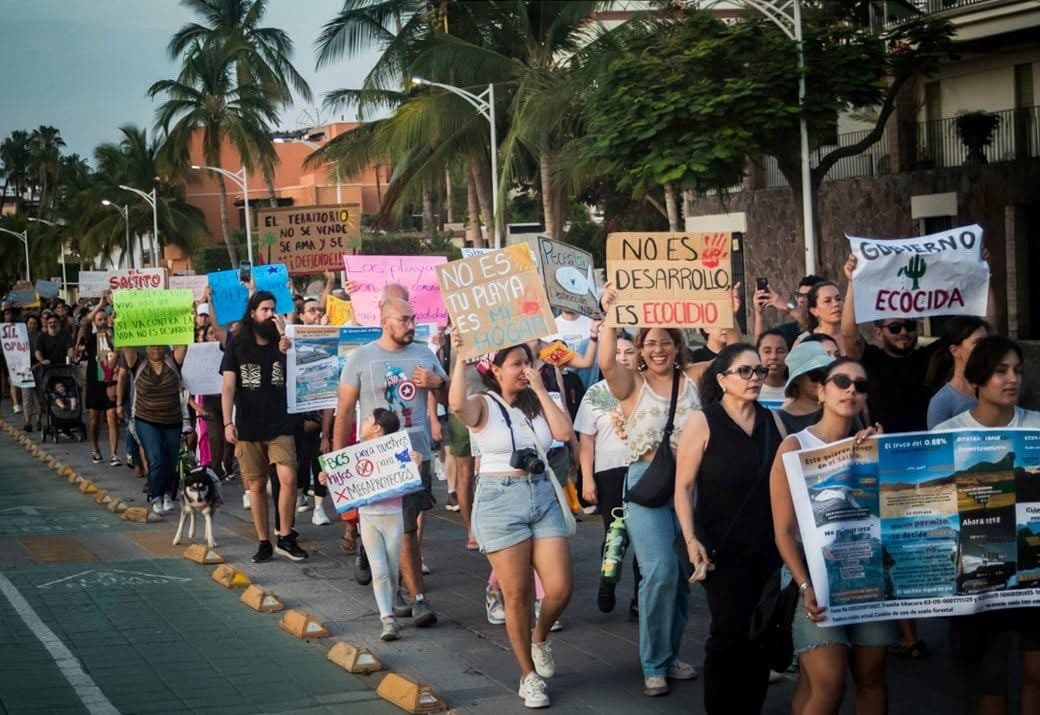
The forestry procedure was without effects
The SEMARNAT delegate explained that the land use change procedure no longer continues because it was the developer himself who submitted the withdrawal.
“The sponsor gave up. He entered the withdrawal of the projects of his own free will and currently they are a closed case, there is no process that is being carried out in El Saltito,” said González Rubio.
However, he specified that this does not mean that the project has lost all its environmental authorizations.
“They continue to have their current Regional Environmental Impact Statement. That's a reality,” he added.
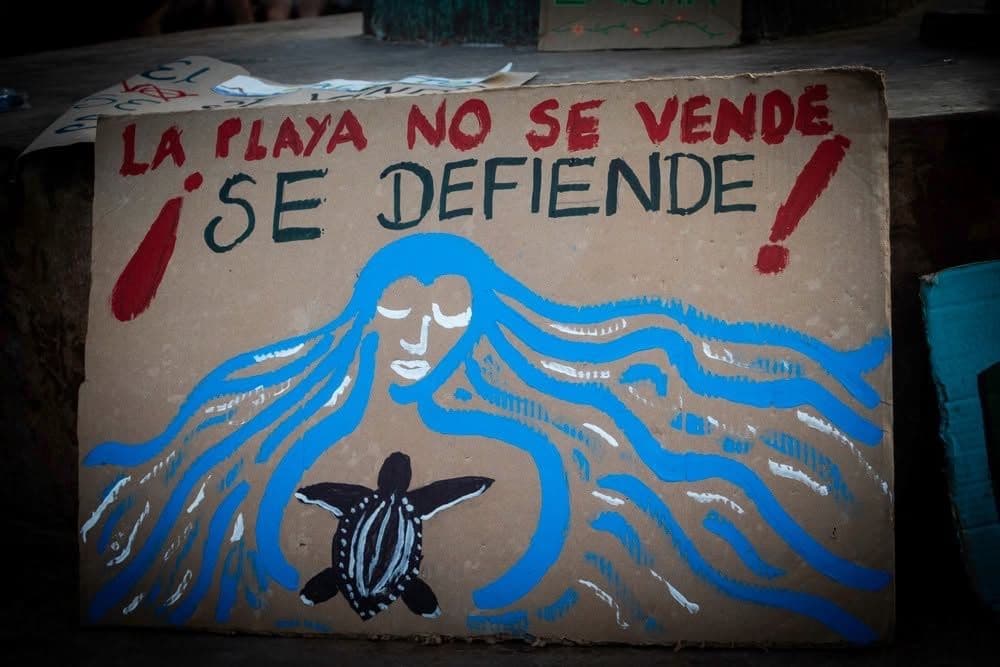
The project triggered a citizen mobilization
The request for land use change prompted the organization of environmental groups, specialists and citizens who asked SEMARNAT to deny forestry permission, warning that the development would involve the removal of more than 109 hectares of cardonal and desert scrub.
According to information released by the organizations based on the technical file themselves, there are around 110,000 plants within the polygon, including 31,800 cacti, approximately 17,400 cardones, 880 biznagas classified as a threatened species by NOM-059 and two species of lizards under some protection category.
The organizations also questioned the proposed compensation measures and argued that the project should be evaluated in a comprehensive manner, considering that it is part of a larger scale tourism development.
Don't miss: Civil society initiatives in La Paz fight for a clean sea of ghost networks
What will happen to citizen observations?
When questioned about the writings submitted by civil organizations, the delegate explained that forest legislation does not include a public consultation procedure for land use changes in forest land, as is the case with Environmental Impact Manifestations.
However, he assured that citizen observations are reviewed by the authority and can be considered as part of the technical analysis. He added that these projects are also evaluated by the Technical Committee for Land Use Change (COTECOS), where agencies from all three levels of government and representatives of civil society participate.
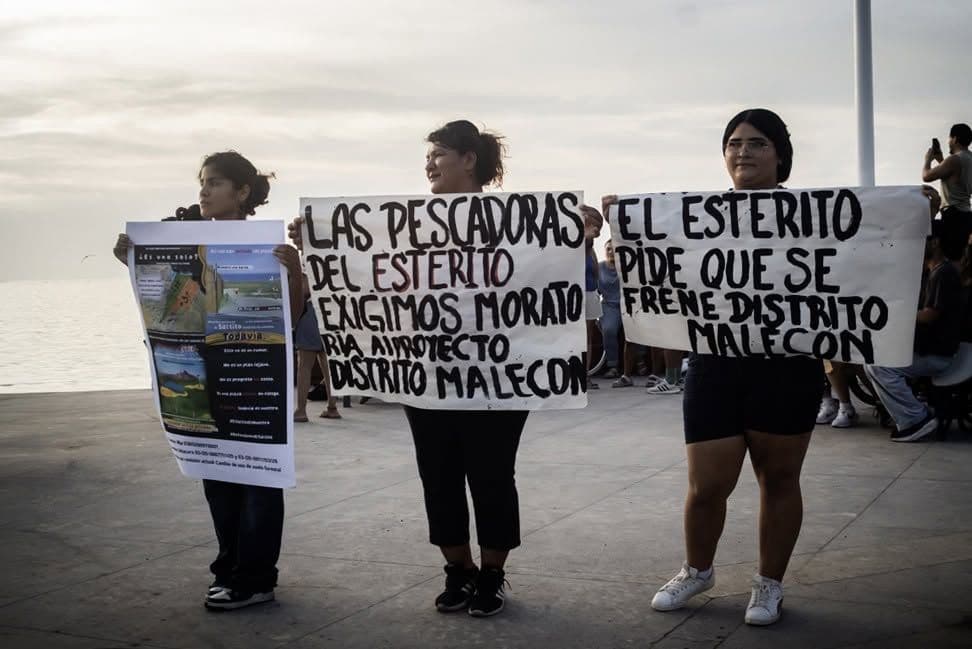
Withdrawal does not cancel the project background
Although the forestry procedure was without effect, SEMARNAT itself confirmed that the Regional Environmental Impact Statement granted in 2009 is still in force, so the withdrawal only ends the land use change procedure that was under evaluation and does not eliminate the environmental authorizations previously obtained by the project.
This coincides with what was previously stated by specialists and organizations, who had warned that Land Use Change in Forest Lands represented an additional step within a project with an environmental background of more than 15 years.


Comentarios (0)