
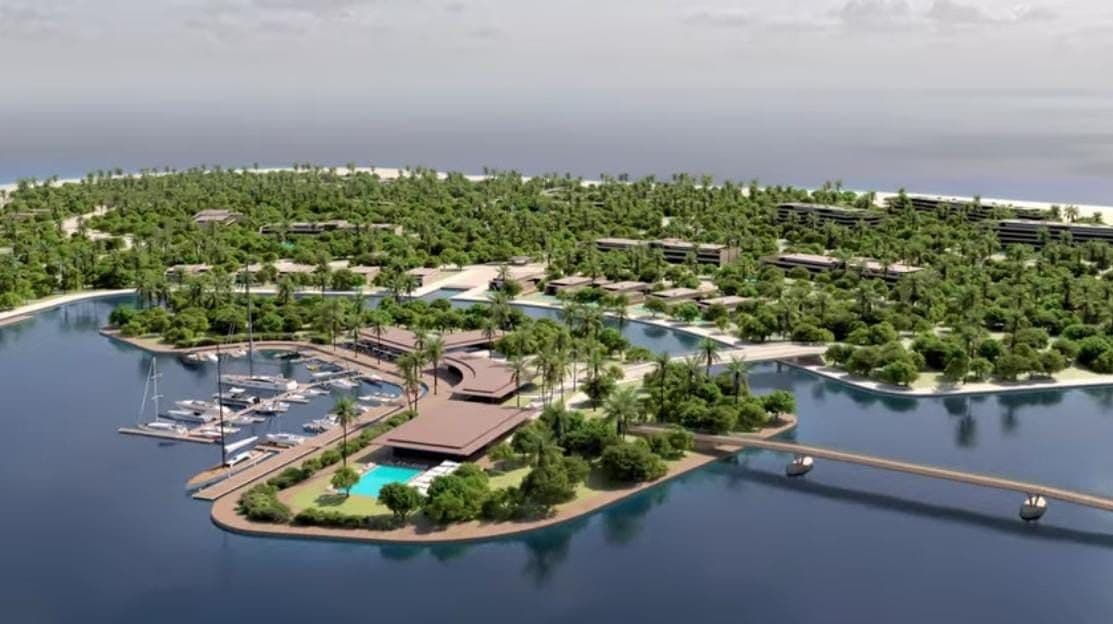
From Ensenada de los Muertos to Punta Arena and La Ventana, civil organizations warn about the expansion of large scale tourism developments in this coastal corridor in the municipality of La Paz, Baja California Sur. Among them is Peninsula of Dreams, a megaproject that includes thousands of residences and tourist infrastructure.
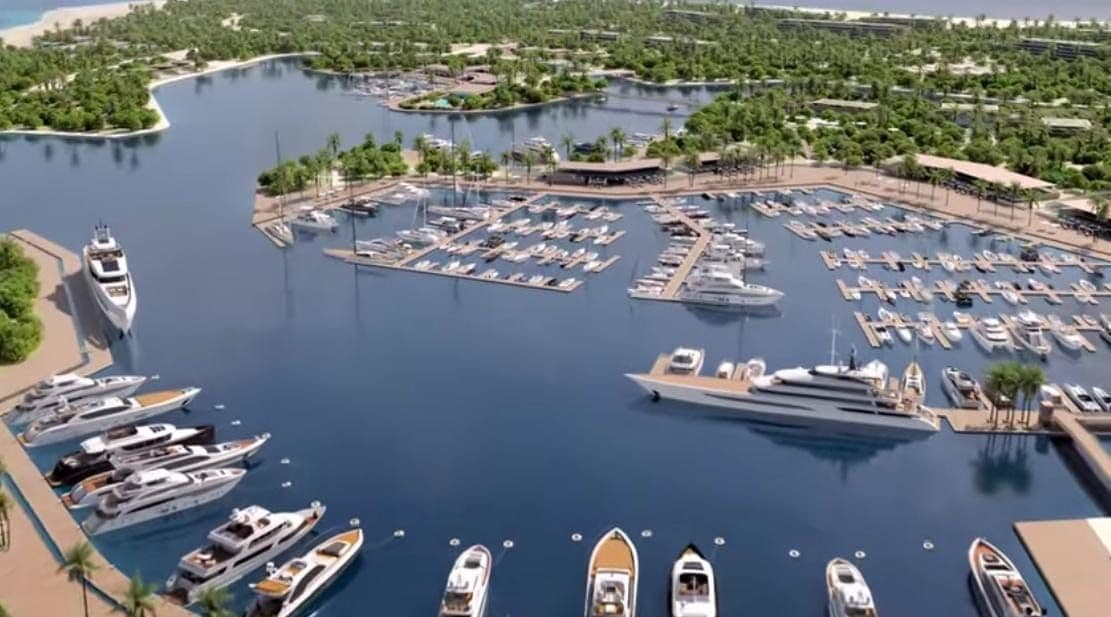
Cecilia Torres, program coordinator of the urban collective BCSicletos, explained that the project has increased its dimensions over the years. According to the organization, around the year 2000, it covered 1,728 hectares, eight hotels, three golf courses and residences. By 2015, he said, it had grown to 3,519 hectares, with 7,285 residences, in addition to a marina and airstrip.
The project was authorized by the Ministry of Environment and Natural Resources (Semarnat) in 2016 and this year it was relaunched under the name Los Saguaros Marina Resort.
The expansion, Torres said, occurs while a conflict related to land ownership remains in San Vicente de Los Planes, which has prevented the megaproject from progressing.
“Until this agrarian conflict is resolved, the project also lacks legal certainty and that is why we also think that they have not been able to move forward,” he said.
You may also like: The resilience of Cabo Pulmo: after losing a third of its corals, it recovers little by little
Massive extraction of seawater
One of the biggest environmental questions lies in the infrastructure needed to supply water to development.
According to Torres, the project envisages three desalination plants that would extract 14.5 million gallons of seawater a day to produce around 6.53 million gallons of drinking water.
The process would generate approximately 7.98 million gallons of concentrated brine per day, which, according to information provided by the organization, would be discharged near Punta Arena.
Torres warned that the concentration of salt and substances used during desalination could alter the conditions of the marine ecosystem.
The organization fears that the impacts will reach areas used by artisanal fishermen from communities such as Agua Amarga and Los Planes.
A conflict that also involves access to the sea
The tourist pressure on this coast is not new. For more than two decades, there has been a history of anglers complaining about restrictions on accessing points in Ensenada de los Muerto and Punta Arena.
For fishing communities, maintaining these accesses is essential because it allows them to move boats, engines and catches.
Torres noted that organizations and residents also question the age of environmental authorizations related to development and consider it necessary for the authorities to review whether the conditions under which they were granted correspond to the current situation of the territory.
“It's very important that the government listens more to the population and stops thinking about these models of mass tourism,” he said.
The discussion on Peninsula of Dreams focuses on three problems faced by different coastal areas of Baja California Sur: real estate growth, pressure on ecosystems and the continuation of the traditional activities of communities that depend on the sea.
Read: “The project is not dead”: Organizations give Semarnat more than 19,000 signatures in defense of El Saltito
They collect more than 86 thousand signatures
Fishermen, families from Agua Amarga, El Sargento and La Ventana, civil society organizations and tourism service providers have collected more than 86,000 signatures on the Change.org platform against the project.
With thousands of signatures, communities in Baja California Sur that oppose the megaproject are demanding the revocation of Semarnat's environmental authorization. In addition to declaring the Punta Arena Canal and Cerralvo Island as a Priority Marine Conservation Area.


Comentarios (0)