
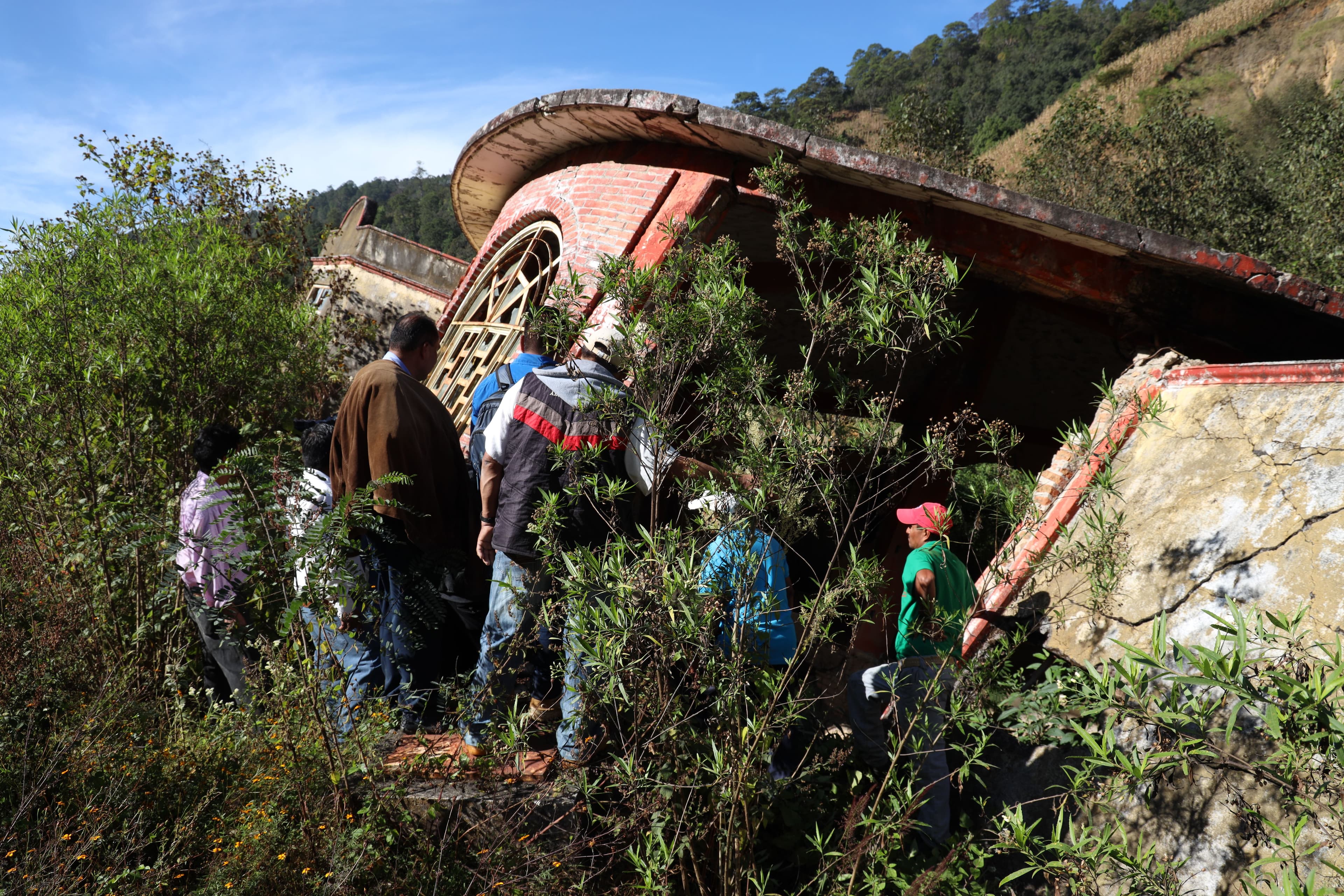
Emissions from higher-income sectors contribute to global warming, while populations with fewer resources face greater difficulty protecting themselves and recovering from their effects.
The Disaster report for whom? How the climate crisis deepens inequality and enriches a minority, published by the Oxford Committee for Famine Relief (Oxfam) in October 2026, documents this gap on a global and regional scale.
According to the study, the richest 1% of the world's population was responsible for 20% of the global warming recorded since 1990. In addition, this group's annual emissions could cause 1.9 million additional heat-related deaths. Oxfam points out that the consequences are especially concentrated in low- and lower-middle-income countries.
The report estimates that a person belonging to the richest 0.1 percent has contributed nearly 400 times more to current episodes of extreme heat than someone from the poorest half of the world's population. This difference relates to consumption patterns and emissions associated with wealth and investment.
Wealth determines the capacity to protect
Economic conditions influence exposure to climate risks and resilience after a disaster. According to Oxfam, people with higher incomes can access better prepared housing and infrastructure, private insurance, savings and alternatives to relocate when risk increases.
Households with fewer resources face greater difficulties repairing their homes, recovering their livelihoods and covering basic expenses after an extreme phenomenon. Crop loss, deteriorating access to water and rising food prices can further reduce their incomes and their ability to adapt.
The Oxfam report estimates that, in countries with the highest levels of inequality, flood-related deaths are seven times higher. It also warns that the climate crisis could cause the displacement of 1 billion people between 2014 and 2050, mainly in the Global South.
Oxfam also analyzes economic activities related to pollution and post-disaster recovery. The organization estimates that the global disaster recovery market will grow from 70 billion dollars in 2024 to 92 billion dollars in 2029.
The Destruction and Reconstruction Index prepared for the report identifies 217 companies that participate in polluting industries and in activities related to disaster preparation and recovery. According to the document, BlackRock and Vanguard maintain investments in 92% of those companies.
The latest: The richest pollute the most, but communities face the consequences of the climate crisis: Oxfam
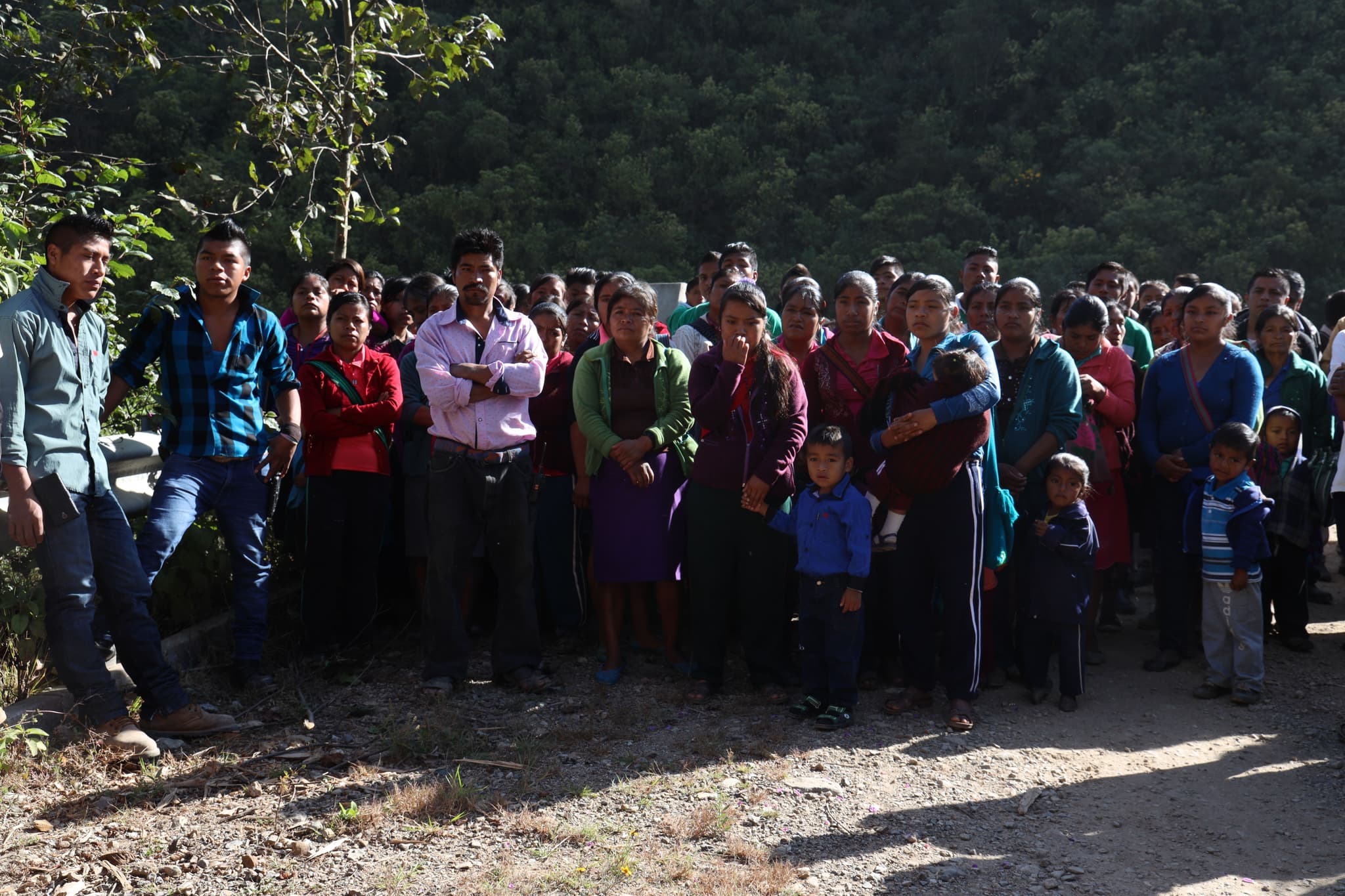
Latin America and the Caribbean: 222 million people exposed
In Latin America and the Caribbean, 222 million people—about a third of the regional population—are exposed to at least one climate threat, according to Oxfam's analysis. Of these, approximately 78 million are in a situation of high risk due to their exposure and socio-economic vulnerability.
The region also has a significant gap in emissions: the richest 0.1% emits 54 times more CO₂ than the average person. The report notes that populations living in poverty, peasant communities, indigenous peoples and Afro-descendant communities face impacts that can reduce their income, resources and chances of recovery.
Water scarcity and agricultural droughts represent two of the main risks identified. Nearly 98 million people are exposed to agricultural droughts and around 150 million live in areas with water scarcity. These phenomena affect food production, access to drinking water and economic activities that depend on water resources.
In the Central American Dry Corridor, an Oxfam evaluation conducted between July and August 2026 in 354 communities in Guatemala, Honduras and El Salvador documented drought-related agricultural losses associated with El Niño. Of the approximately 73,000 households that planted corn, more than 70,000 reported losses. Among the affected households, 78.6% lost between three quarters and all of their production.
In Bolivia, forest fires affected around 10.7 million hectares during 2024. The report relates these damages to impacts on the productive activities, incomes and livelihoods of rural and indigenous communities. ECLAC estimates that an extreme El Niño scenario could push an additional 4.8 million people into poverty in Latin America and the Caribbean by the end of the decade, according to the Oxfam report.
In Mexico, 22 million people are at high climate risk, according to Oxfam estimates. This figure is part of the 78 million people who face this condition in Latin America and the Caribbean. The report identifies droughts as a threat to access to drinking water and agricultural irrigation in the country.
Reducing the volume of water bodies can also affect navigation and power generation. The report identifies droughts as a threat to access to drinking water and agricultural irrigation in the country. Reducing the volume of water bodies can also affect navigation and energy generation.”
The measures proposed by Oxfam
To reduce climate inequality, Oxfam proposes taxing the income and wealth of the richest sectors, taxing luxury activities with high emissions and increasing the tax burden on investments in polluting industries.
The organization also plans to expand funding for climate adaptation, prioritize grants over loans, and strengthen public protection systems, resilient infrastructure and food systems.
Its recommendations include measures to reduce the vulnerability of the most exposed communities, ensure their participation in environmental decisions and move towards an energy and productive transition that reduces emissions and inequalities.
The report places the distribution of emissions, resources to deal with disasters and resilience at the center of the debate on the climate crisis.


Comentarios (0)