
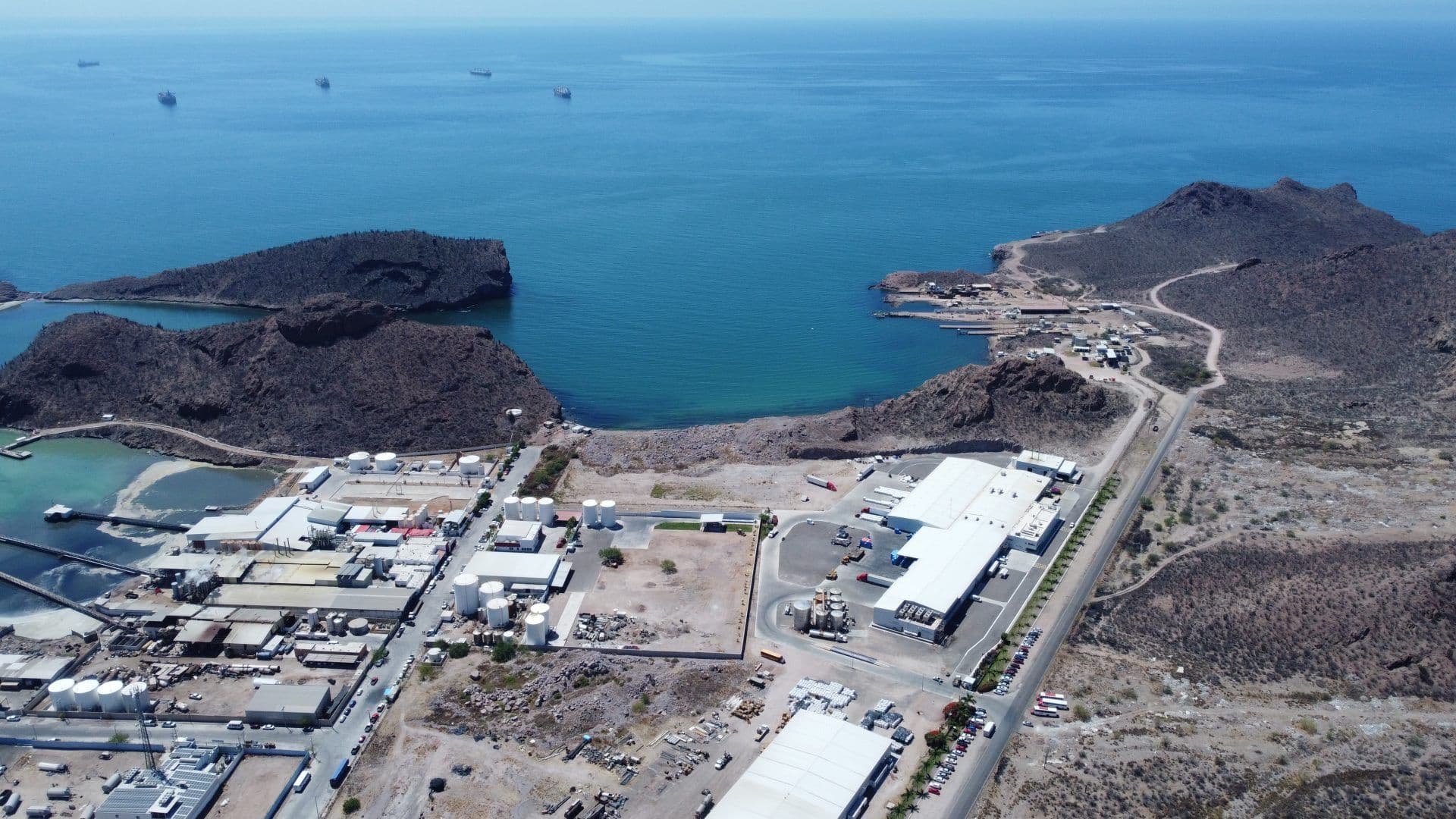
On April 13, the National Agency for Industrial Safety and Environmental Protection of the Hydrocarbons Sector (ASEA) authorized the construction and operation of the Amigo LNG Liquefaction and Storage Terminal in Guaymas, Sonora, despite the recommendations of universities and bodies of the Secretariat of Environment and Natural Resources (Semarnat) itself and the amparos against the project that seeks to transport methane gas in huge ships across the Gulf of California to Asia .
Last June, a federal court ordered ASEA to refrain from issuing any environmental impact authorization for the project while an amparo lawsuit filed by the organizations Our Future and Article 19 is being resolved due to the lack of information on the project and irregularities in the public consultation process. The organizations note that ASEA reported on May 20 to a federal judge that they had not granted any permission.
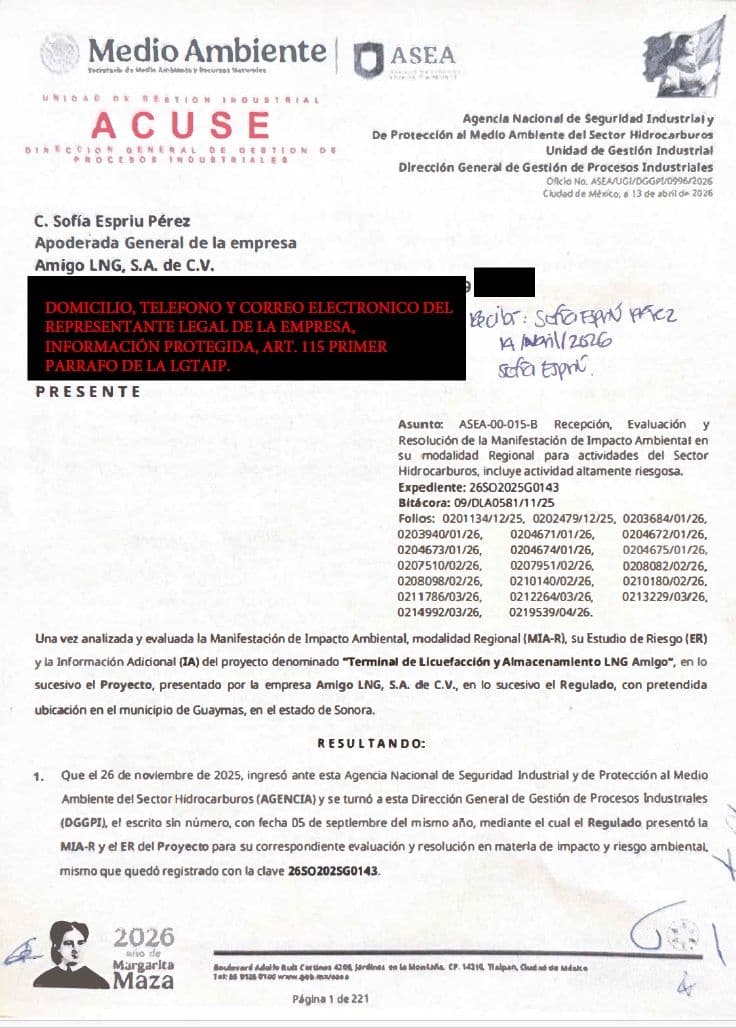
However, the regulatory agency had already given the authorization. This is confirmed by the resolution, letter ASEA/UGI/DGGPI/0996/2026, signed by the General Directorate of Industrial Process Management (DGGPI), dated April 13, 2026.
This document authorizes Amigo LNG to install infrastructure in the immediate vicinity of a site declared World Heritage by UNESCO to receive, process and liquefy natural gas. In addition to loading the product to methane tankers, which will cross the Gulf of California, with a nominal production of 5.1 million tons of LNG per year, equivalent to processing around 700 million cubic feet of gas per day.
The authorized industrial estate covers 41.78 hectares between the Sánchez Taboada Industrial Park and Bahía Catalina, in the municipality of Guaymas: 9.28 hectares of land and 32.49 hectares of sea.
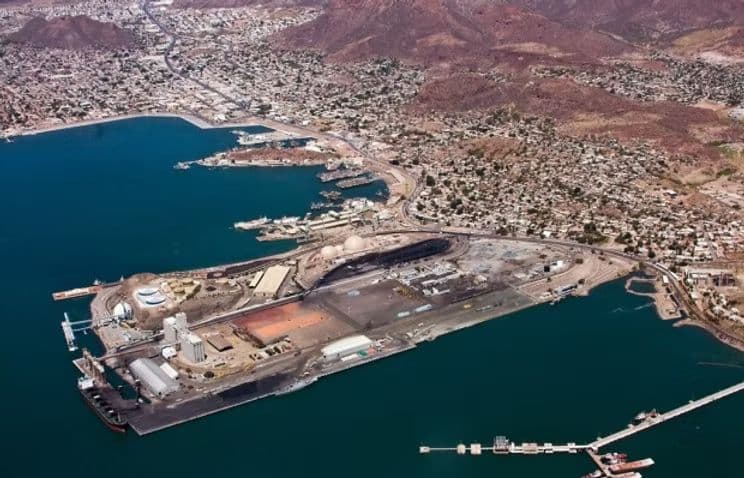
The authorization establishes a period of six months to prepare the site, two years 11 months to build it, 40 years to operate it and six months to dismantle it when it reaches the end of its useful life, with the possibility of extension if the company proves to have fully complied with the terms and conditions.
This after assuring that “there will be no significant environmental impacts due to the construction of the project”. Although ASEA acknowledged that the project implies the “probability of an undesirable environmental risk event”, it says that the regulator noted that “it is unlikely that such events will occur”.
This authorization remained out of public knowledge for months. In mid-September, Amigo LNG triggered the alerts of civil society organizations in Mexico when a letter was detected informing the United States Department of Energy that the MIA was approved on April 13 of this year. However, the authorization was published months later on the National Transparency Platform.
In a letter sent to the US Department of Energy, Epcilon LNG LLC, the US parent company of Amigo LNG, based in Texas and controlled by the Singaporean group LNG Alliance, requested a regulatory extension to December 8, 2029 to initiate LNG exports and support the signing of long-term purchase contracts, lasting 15 to 20 years, with global marketers such as OQ Trading, Sahara Energy, Gunvor, Macquarie Energy and IRH Global Trading.
To this end, he claimed to have all the permits approved, from the Ministry of Environment and Natural Resources (Semarnat), ASEA, Secretariat of Energy (SENER) and National Energy Commission (CNE) in Mexico.
This is despite the fact that last August, the Secretary of Environment and Natural Resources, Alicia Bárcena, said that the Liquefied Natural Gas projects located in Sonora, with an exit to the Gulf of California, remained under evaluation.
You can't miss: Semarnat keeps liquefied natural gas projects in Sonora under evaluation
What does the ASEA authorization say?
The file, identified with the project code 26SO2025G0143, began on November 26, 2025, when Amigo LNG presented its Regional Environmental Impact Statement (MIA-R) and its Risk Study to ASEA. After five months, the DGGPI concluded that the project is "environmentally viable" and resolved, verbatim, to "authorize it conditionally”.
ASEA points out that the resolution is limited “solely and exclusively to environmental aspects” and Amigo LNG must separately process the change of land use in the forest land that will occupy the project, a procedure that, at the date of the resolution, was still pending.
The conditions established by the regulator for the company require it to comply with the mitigation and compensation measures that it proposed in its MIA-R, in addition to 16 blocks of additional obligations added to it by the DGGPI. However, the Ensenada Center for Scientific Research and Higher Education (CICESE) issued an opinion on the measures proposed by the company in the MIA-R and considered them insufficient and partial.
For ASEA, according to the document, Amigo LNG must prove, 15 days before starting site preparation, that the State Water Commission guaranteed it the supply of 50 cubic meters per day of drinking water, 44 for the industrial process and six for human consumption.
In addition, you must submit and execute a soil protection program, an active ecological restoration program and a specific wildlife rescue and relocation program that addresses, in particular, the Callisaurus draconoides, a lizard known as a “sand whale”, before any clearing.
It must also reforest a proportion of at least three restored hectares for each one affected, using species native to the regional environmental system such as Bursera microphylla, Cercidium praecox, Parkinsonia aculeata or Mammillaria grahamii.
Among the conditions is also the prohibition of carrying out marine construction works between December and April, a period in which, according to the company's own information, marine mammals have a greater reproductive and breeding presence in the Gulf of California.
During the first 18 months of operation, you must submit a climate change vulnerability monitoring program that identifies facilities exposed to hurricanes, coastal erosion or rising sea levels.
As well as implement measures against invasive alien species before construction vessels arrive, given the proximity to San Vicente Island (554 meters) and Bird Island (2.85 kilometers). And it must monitor plankton continuously, to demonstrate that the area's primary productivity is not modified by the presence of the project.
Choosing the type of lighting that least alters the behavior of resident and migratory birds, avoiding reflectors pointing at islands, and monitoring birds to verify that the chosen luminaires have no adverse effects are part of the conditions. In addition to specific monitoring programs for sea turtles, for pinnipeds and dolphins, and for elasmobranchs (sharks and rays).
Throughout the useful life of the project, ASEA points out, a Passive Acoustic Monitoring Study with hydrophones on board ships is necessary to detect and locate marine mammals along the navigation route in the Gulf of California, and to join an Environmental Monitoring Committee with local, state and federal authorities, civil society organizations and research centers with experience in the area.
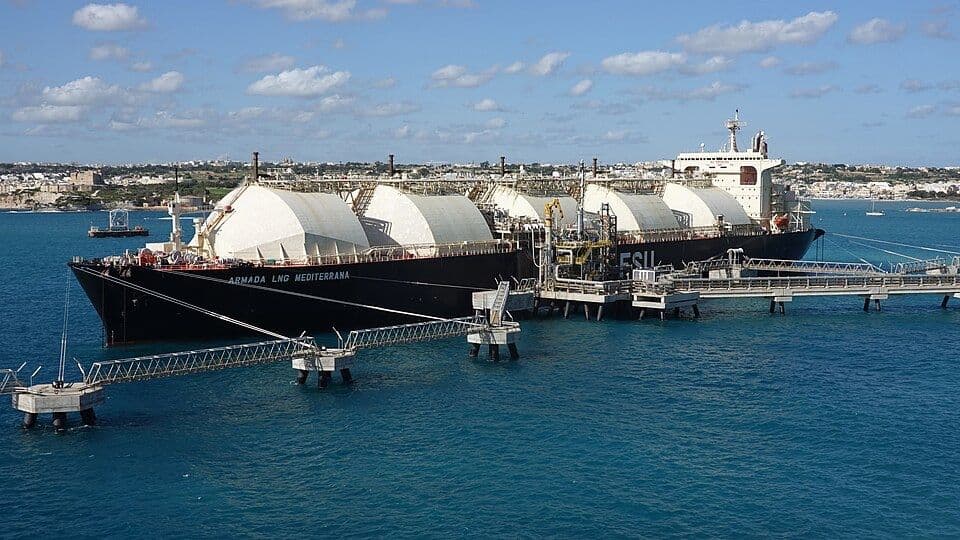
The resolution sets a limit for no more than 60 annual arrivals of methane tankers, none with a capacity greater than 266,000 cubic meters. While faced with possible risks, you must submit an executive summary of the Risk Study to the municipality of Guaymas, with the radii of potential impact, for the city council to incorporate them into its land use regulation.
You may also like: UNESCO Committee puts the magnifying glass on liquefied natural gas projects in the Gulf of California
Authorize despite technical opinions
In December 2025, ASEA requested technical opinion from 10 governmental and academic bodies: the General Directorate of Conservation and Management of Seas and Coasts (DGCGMC), the General Directorate of Wildlife (DGVS), IMIPAS, CONABIO, the Institute of Marine Sciences and Limnology of the UNAM, CICESE, CONANP, the General Directorate of the Federal Maritime Terrestrial Zone, the Government of Sonora, the Faculty of Marine Sciences of the University of Colima, CONAPESCA and the city council of Guaymas.
The University of Colima noted that the project had serious methodological deficiencies. “It's very brief, there is no depth of analysis, there is no demonstration of technical-scientific studies, there are no bibliographies to support the information” and “there is information of dubious origin,” he said. “For the project to be viable, there must be a well-structured MIA,” he added.
But ASEA did not take into account its technical analysis, arguing that it did not respond within the time frame. He interpreted it “as an absence of objection”.
The regulatory agency also stated that technical observations from IMIPAS, the Institute of Marine Sciences of the UNAM and the Sonora Ecology Commission were out of date.
Of those that he says he “took into account”, the strongest was the opinion of the General Directorate of Conservation and Management of Seas and Coasts, the administrative unit of Semarnat, which warned of the risk of ships colliding with “critical habitats and migratory corridors of key species, such as blue whales, humpback whales, various orcas, sperm whales and several species of dolphins”.
In addition, it documented deficiencies in the seismic risk analysis of the area. “The absence of a surface analysis of the tectonic-seismic and hydrometeorological context of a region with high vulnerability and proven seismic activity prevents adequate prevention and mitigation of environmental impacts and risks,” he said.
The General Directorate of Wildlife, also a unit of Semarnat, agreed on the diagnosis of marine fauna and added that the greatest impact that the Liquefaction and Storage Terminal will cause to the ecosystem is due to the fact that methane tankers will sail in the interior of the Gulf of California, “with an enormous potential for deadly damage to marine mammals and sea turtles.”
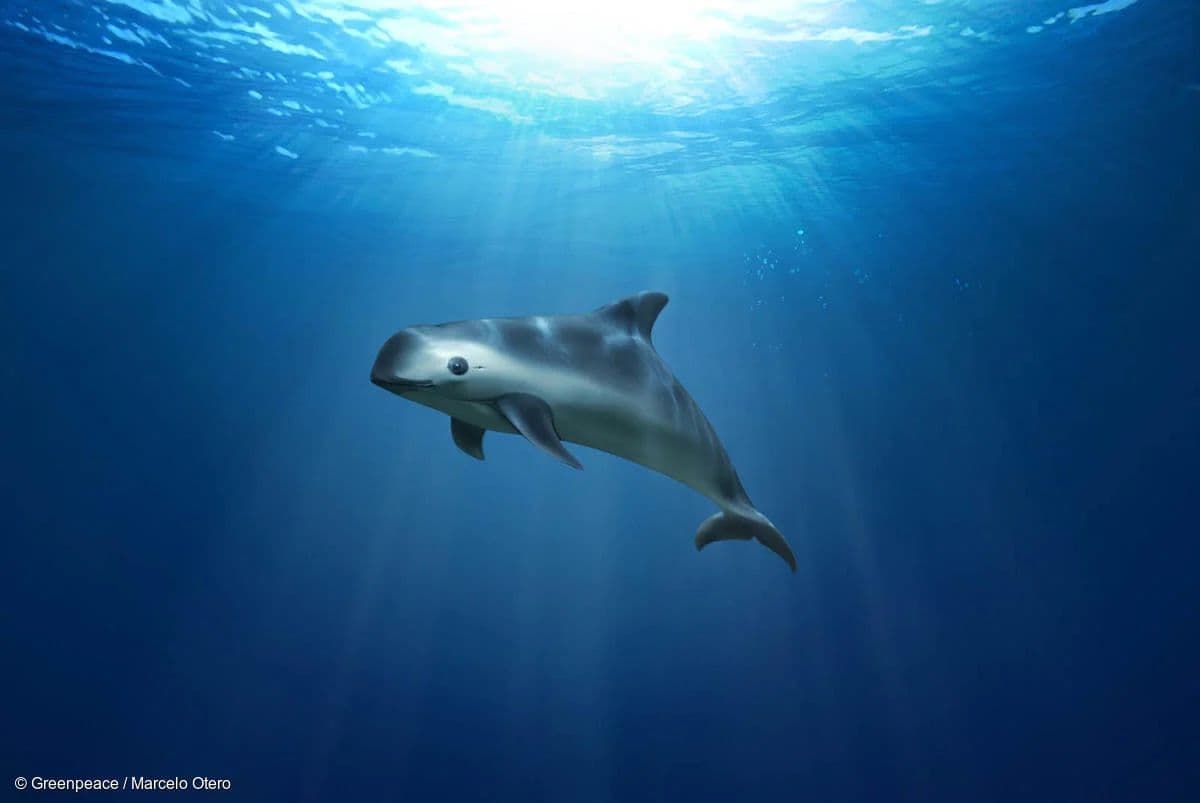
Meanwhile, CONAPESCA, through the Semarnat Representative Office in Sonora, opined that indigenous communities in the region should be taken into account and evaluated “with necessary respect for the Human Rights of the human communities impacted by the projects, including the original indigenous peoples (Yaquis)”.
He concluded that the terminal “is detrimental to biological resources” and “contrasts with the principles of responsible fishing with an ecosystem approach that the Commission promotes and promotes”.
The ASEA Industrial Management Unit dismissed that conclusion as “insufficiently documented”.
For its part, the Ensenada Center for Scientific Research and Higher Education noted that the project “is controversial and dangerous from the point of view of energy transition and climate change.”
In spite of everything, ASEA approved it and the decision remained hidden from public opinion for months.
Even last July, when the World Heritage Committee of the United Nations Educational, Scientific and Cultural Organization (UNESCO) expressed concern about this and other Liquefied Natural Gas projects in the Gulf of California, Mexico assured that these projects were still suspended due to legal disputes and that, if they were to move forward in the future, they would have to undergo environmental impact assessments before any authorization.


Comentarios (0)