
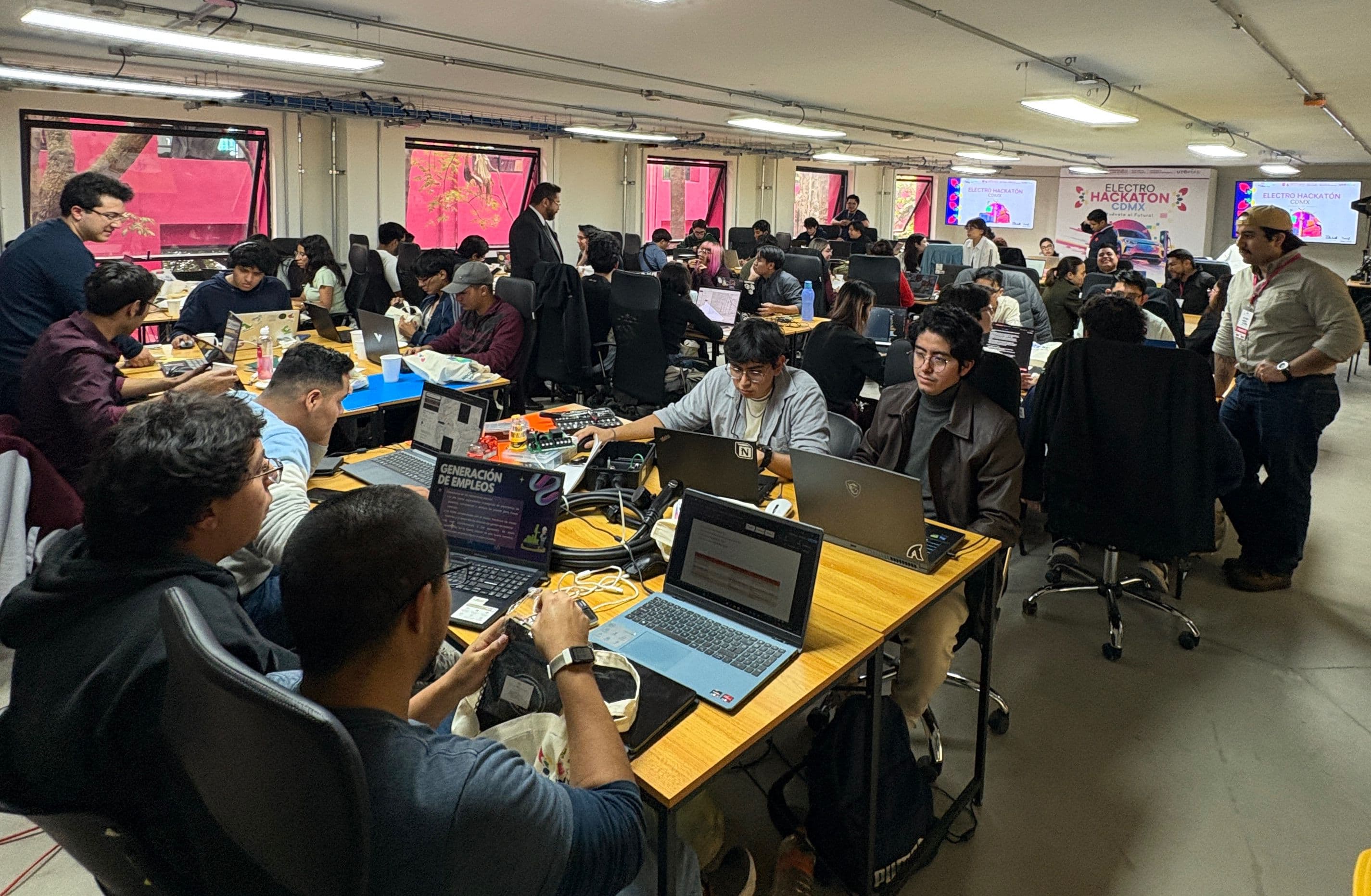
Who can afford an electric car in Mexico City today? “A private car is a privilege,” says Richard Becker, of Hackers for Our Future, and the electric car adds an even higher price to it.
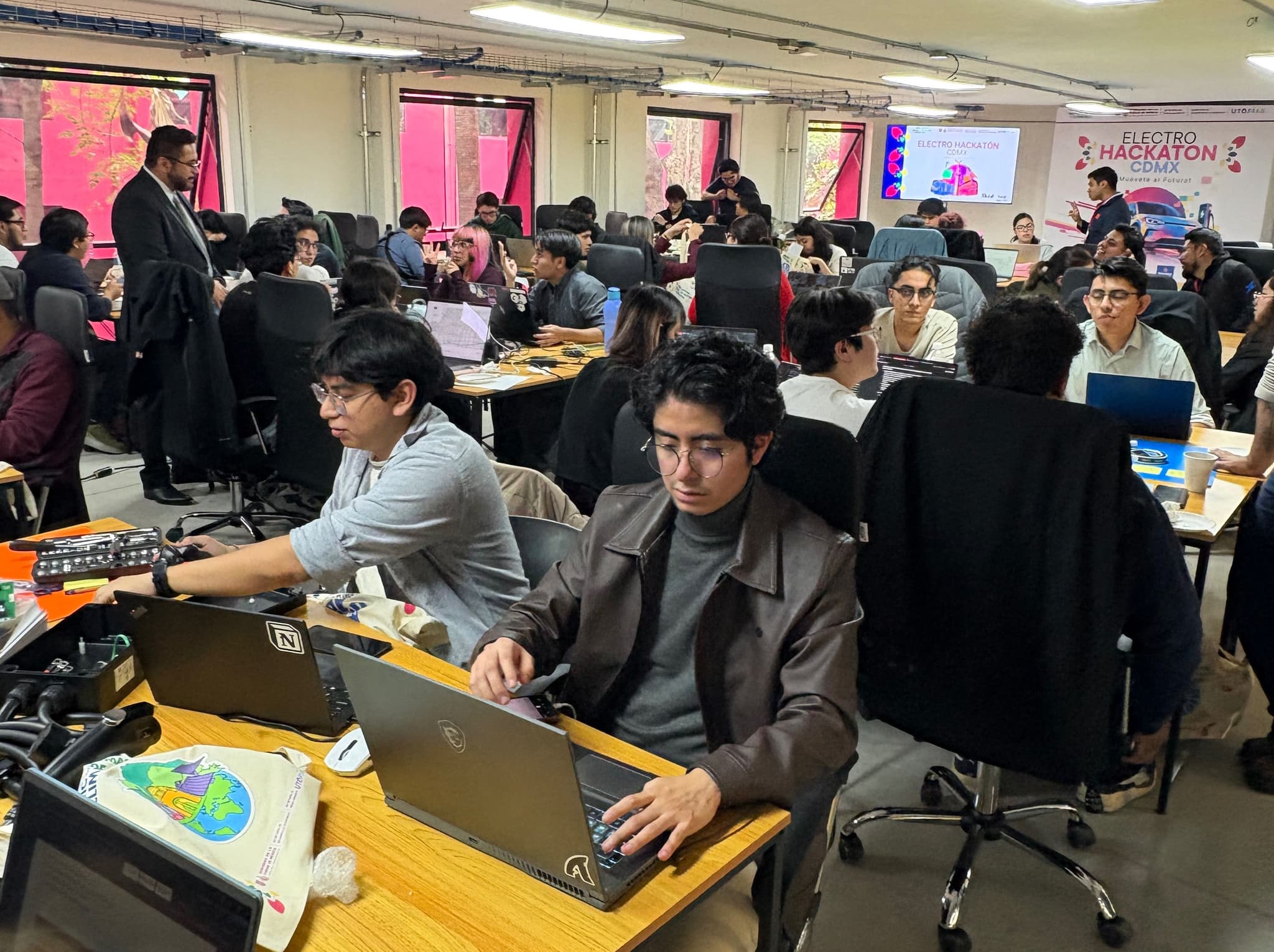
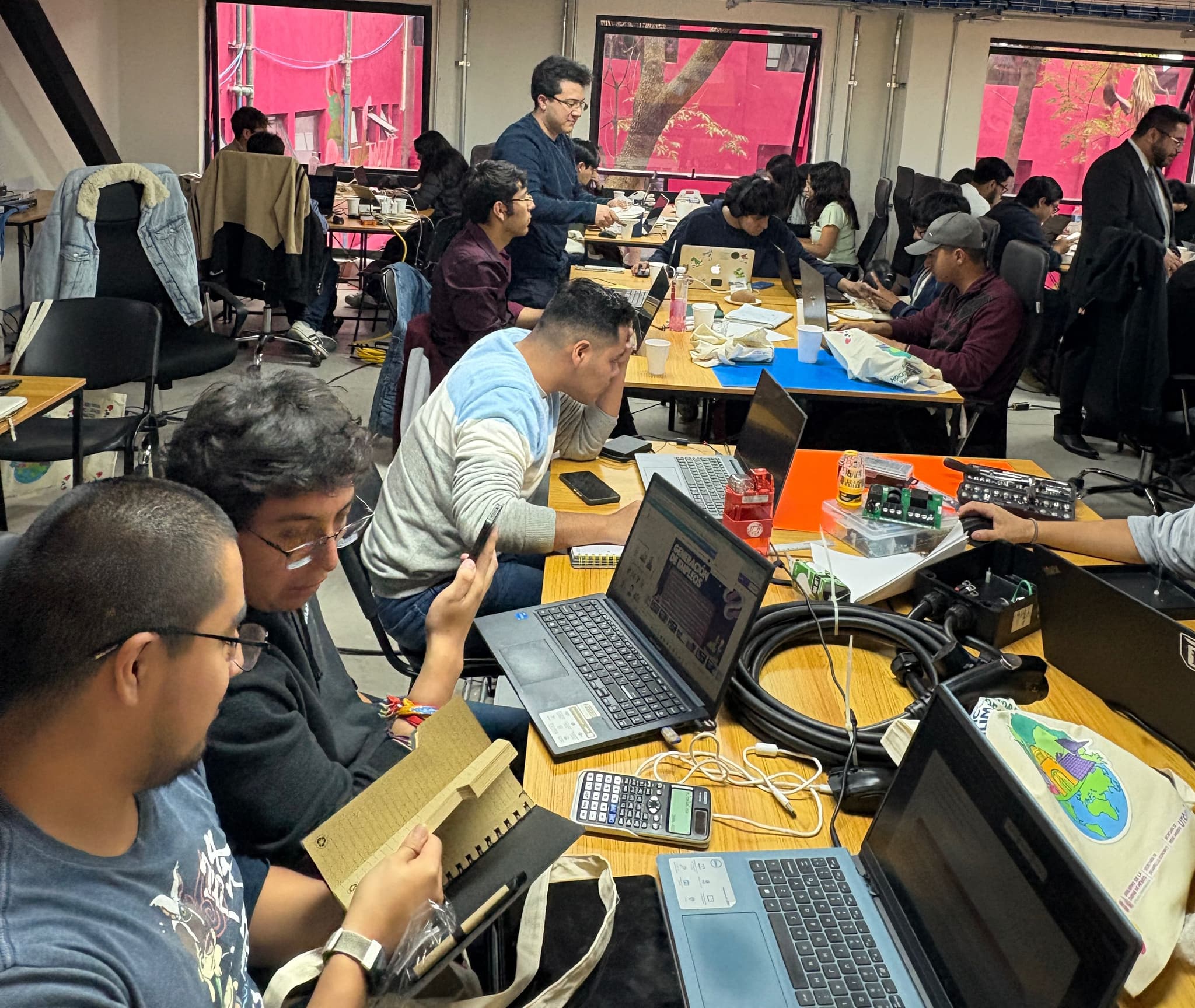
Becker was the technical coach of the Electro Hackathon CDMX, which took place in October as part of Mexico Climate Week 2026. There, students from Mexico City and Puebla sought solutions for a just transition to electric mobility.
The students agree with the diagnosis. César, from the IPN's ESCOM, points out that electric cars are brands that “could not be accessible to everyone”, and Gael, from IPN mechatronics, estimates that the cost between batteries, chargers and installation “is not feasible for many”.
According to Becker, part of the problem is that in Mexico and the rest of the continent there is no electric supply chain that competes with that of internal combustion cars. Developing this industry would help lower costs, although he recognizes that “China is 25 years ahead of us”.
Added to that is a charging infrastructure concentrated in some areas of the city, especially in the south. For him, the most sensible bet is on “mass electromobility, public transport and micro electromobility”, which covers both the long journey and the last mile.
You may also be interested: Scientists warn of the increase in deaths due to heat worldwide and ask to recognize a health emergency
Chargers and information
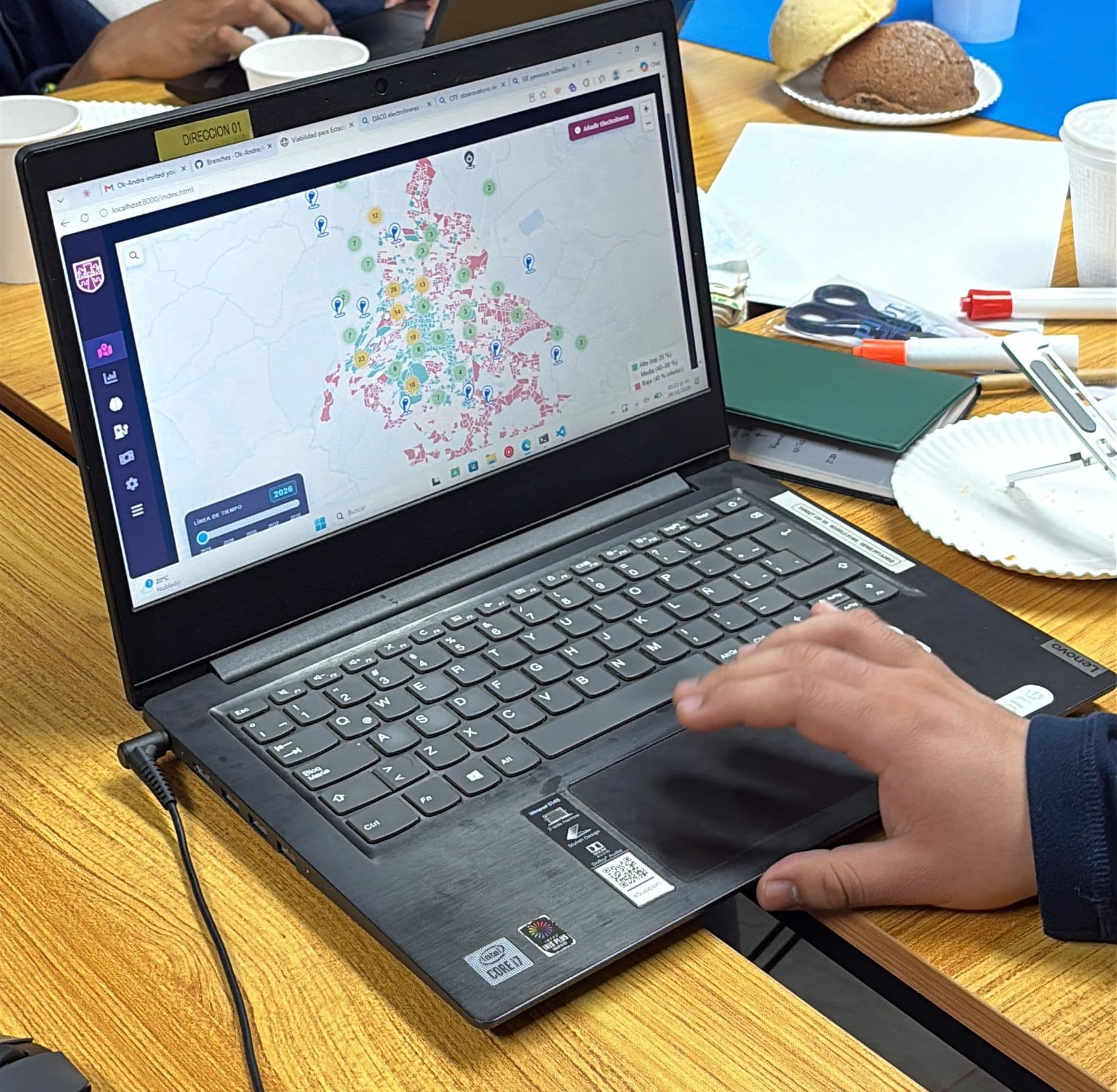
Some teams designed apps to find chargers, because, as César explains, “not many people trust electric cars” if they don't know where to charge them or how much they cost.
Hugo and Karla, students from Puebla, believe that such a tool could reach their city, where “there are still many Ubers or taxis that still use gasoline”.
He sees it as feasible because his proposal is based on public data, such as those from INEGI. In fact, the lack is real. As of the first quarter of 2026, there were 4,802 electric power plants in Mexico, 973 of them in Mexico City, for 235,501 electric vehicles in circulation, according to data from the CFE and the Electro Mobility Association published by Expansión. That's equivalent to one electric station for every 49 vehicles.
Gael's team disassembled a domestic charger to redesign it and study if it could be manufactured in Mexico City. Even so, Gael recognizes that these solutions serve a market that “is a little limited”. On the other hand, he adds, public transport “is more general”.
Electrifying the transportation that most people use
Transportation accounts for about 70% of the city's energy consumption, according to the Mexico City Energy Transition Diagnosis cited by the United Nations Development Program (UNDP) in Mexico.
Electrifying public transport is, therefore, one of the ways with the most impact. The city already has a base. The Metro, which runs on electricity, moves more than 4.5 million people a day, according to La Jornada. In the Metrobús, one in five units is already electric, according to La Silla Rota, and its former CEO, Rosario Castro, told Expansión that the goal is to electrify the entire fleet by 2033.
The Trolleybus went from about 100 units in operation in 2018 to 502 in 2026. And in her Second Government Report, the head of government, Clara Brugada, announced 390 electric RTP buses for indigenous peoples and peripheral areas.
For the Electro Hackatón CDMX teams, there is the key: they set their sights on public transport, where electrification reaches more people.
Alejandra's team analyzed Mexico City's 994 routes to identify which are still running on diesel or gasoline and decide where to start electrifying them, taking into account the areas with the most transshipments.
“We know it's a long term,” he admits. Even so, he considers that “it is something that we should all have” and mentions Norway and Switzerland as references.
Karla, although she worked in the loading of private cars, reaches a similar conclusion. Electric mobility, he says, “really is something we occupy every day” when we use the subway, bikes or public transport.
David and his team propose to start with the areas with the most population and the worst access, such as the Álvaro Obregón, Cuajimalpa and Magdalena Contreras ravines, where trucks have problems moving.
There they propose mass transport such as the Cablebus, with stations for storing bikes and electric skates that solve the last leg of the trip. Its references are China and Tokyo, where mass transport was first electrified and then cars arrived.
The idea coincides with a work in progress. Cablebus Line 5, under construction, will run from Metro Mixcoac to the highlands of Álvaro Obregón and Magdalena Contreras, and will reduce trips of up to two hours to about 45 minutes, according to Expansión.
In his fieldwork in Iztapalapa, David found that people are already solving their mobility on their own with skates, bikes and electric motorcycles, because “it's easier to go for tortillas on foot or by bike than in a car”.
What is lacking are incentives and spaces. “There aren't even places to park a bike,” he says.
Don't miss: The richest pollute the most, but communities face the consequences of the climate crisis: Oxfam
The electrical grid, the background limit
For Becker, any of these proposals depend on the power grid. The CFE is the only one that can operate distribution and transmission, and this causes delays when it comes to expanding electromobility, private or public.
If these networks are not updated and the country continues to invest in fossil generation, he warns, “little, little we are going to make progress”.
Becker also invites us to change the underlying question. During the 20th century, we became used to thinking that mobility has to be “unlimited and immediate”.
For electromobility to make sense, he says, “we have to rethink cities, territory” and the way in which we relate to energy.


Comentarios (0)