
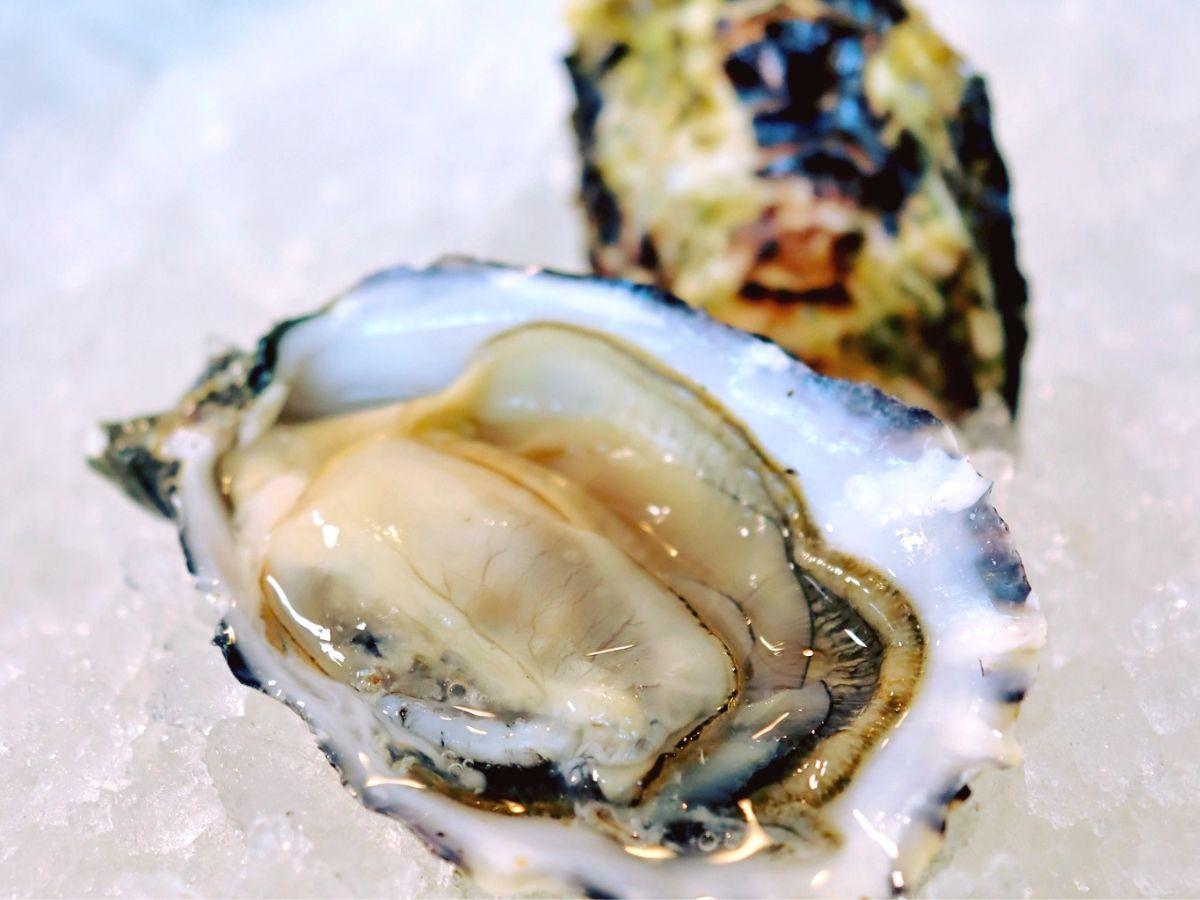
Finding live oysters on supermarket shelves is rare. However, the first efforts to expand the supply of fresh seafood have reached consumers in Baja California Sur. The Yemayá cooperative managed, for the first time, to make its production of these mollusks part of the Chedraui offer.
For María del Rosario Solís Cano, legal representative of the cooperative, located in the community of López Mateos, Baja California Sur, the inclusion of the product they grow in the supermarket chain Chedraui represents a collective achievement.
“This is a reflection of our efforts, because this assures us that we have a quality product that meets the standards that these spaces require and, the truth is, for years this has been one of our goals, that the product will reach the places where they can know about us,” he said.
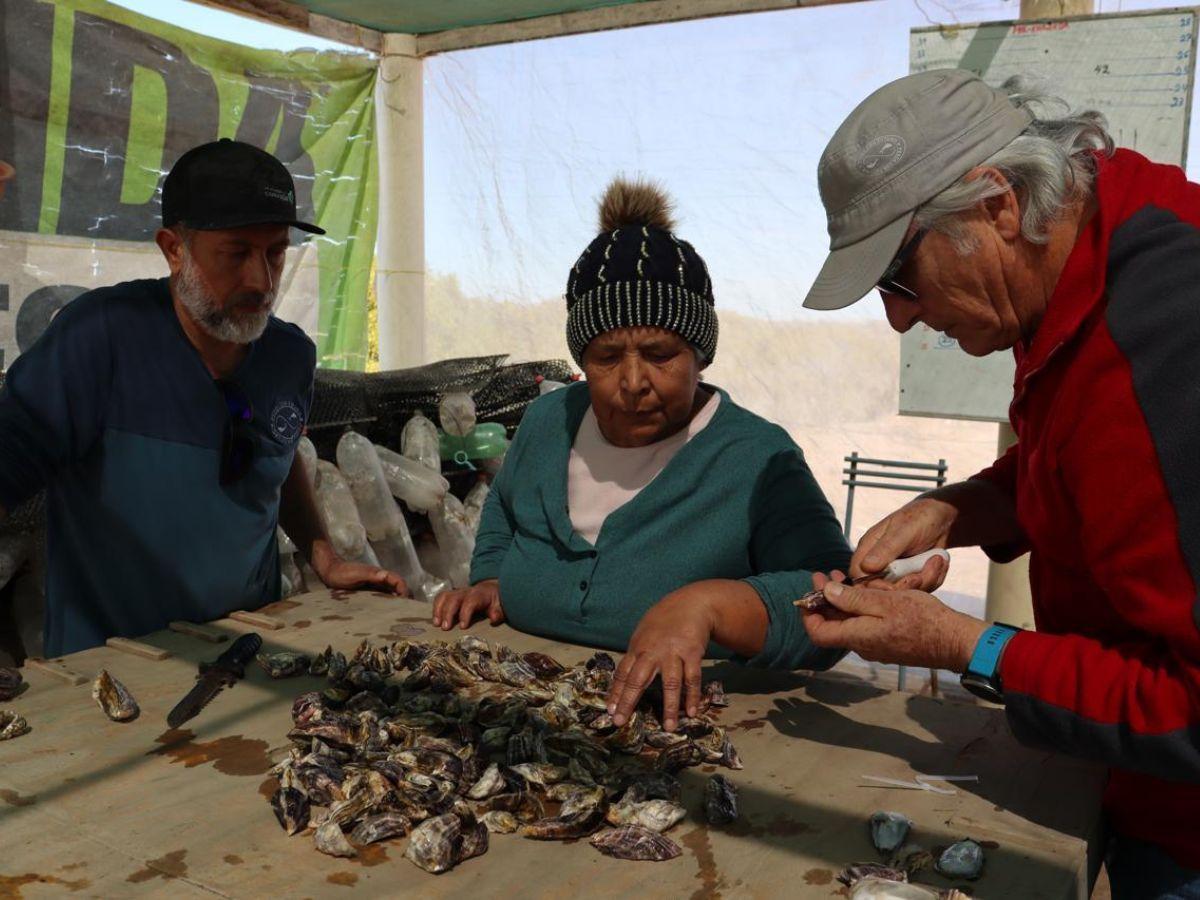 Members of the Yemayá cooperative meet to select the best mollusks. Source: Nueve Palmas.
The acceptance of the retailer has been an incentive for those who make up the cooperative, who are now focusing their efforts on strengthening and ensuring the quality of their oyster crops.
“The challenges we face are mainly about meeting all the requirements that are asked of us for our product to enter supermarkets, but we try very hard to fulfill what they asked of us the most and we are proud,” he said.
Yemayá is a 100% family project, largely dedicated to the production of oysters. Currently, three families are directly dependent on production.
“We often struggle to want to place our product in supermarkets because it is sometimes difficult to meet requirements, but we have measured ourselves by quality standards that guarantee that our product can be eaten and marketed,” he said.
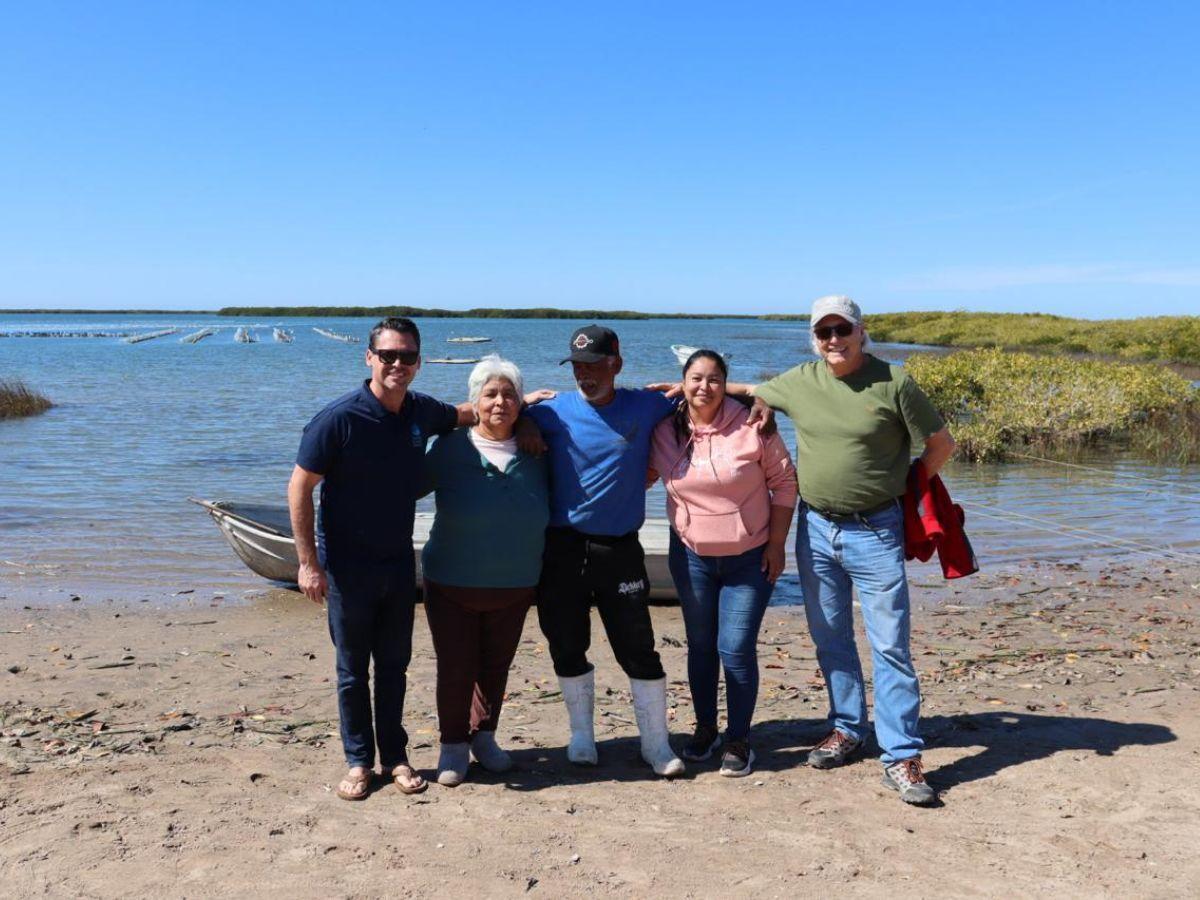 Here are some of the people who made it possible for oysters to reach Chedraui. Source: Nueve Palmas.
To achieve this, the cooperative received advice from Rubén Gerardo Guzmán Ornelas, director of the marketer Fish and Seafood Nueve Palmas, who acknowledged that it was a long process to reach retailers.
“The first step was to make the approach, and then it was about following steps to the letter. Along the way, we have learned that we need to achieve certain standards and now all that's left is to learn,” he added.
The requirements they had to meet to achieve this objective include legal, fiscal, packaging and labeling aspects, in addition to compliance with NOM-251-SSA1-2009, which establishes the guidelines for good hygiene practices that must be met in the production, processing, handling, storage and sale of food.
The oysters cultivated by the Yemayá cooperative are placed in a fish tank installed in the Chedraui Selecto in San José del Cabo, where consumers choose each mollusc directly. Previously, the cooperative carried out microbiological and physicochemical analyses.
Nueve Palmas also accompanies those who operate the Maranatha farm, located in the port of Adolfo López Mateos in Baja California Sur and is recognized for producing the prestigious Aragón oysters.
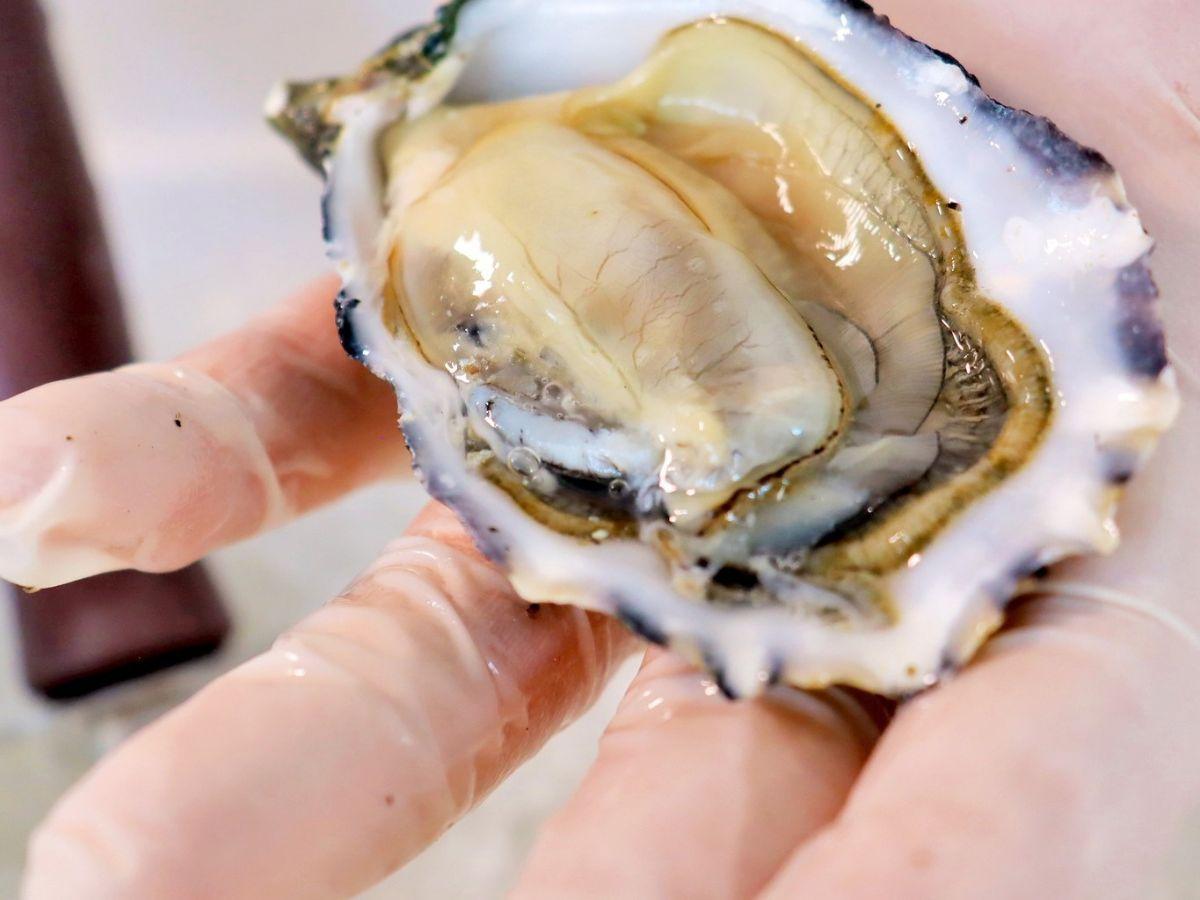 Oysters undergo microbiological studies to ensure their safety. Source: Nueve Palmas.
“On the administrative side, there is a lot to learn and we are in the best position to improve the process because we want the products to be placed in other stores in the region,” he emphasized.
In December, the first delivery of oysters was made and they are currently working to expand their presence in more retail spaces.
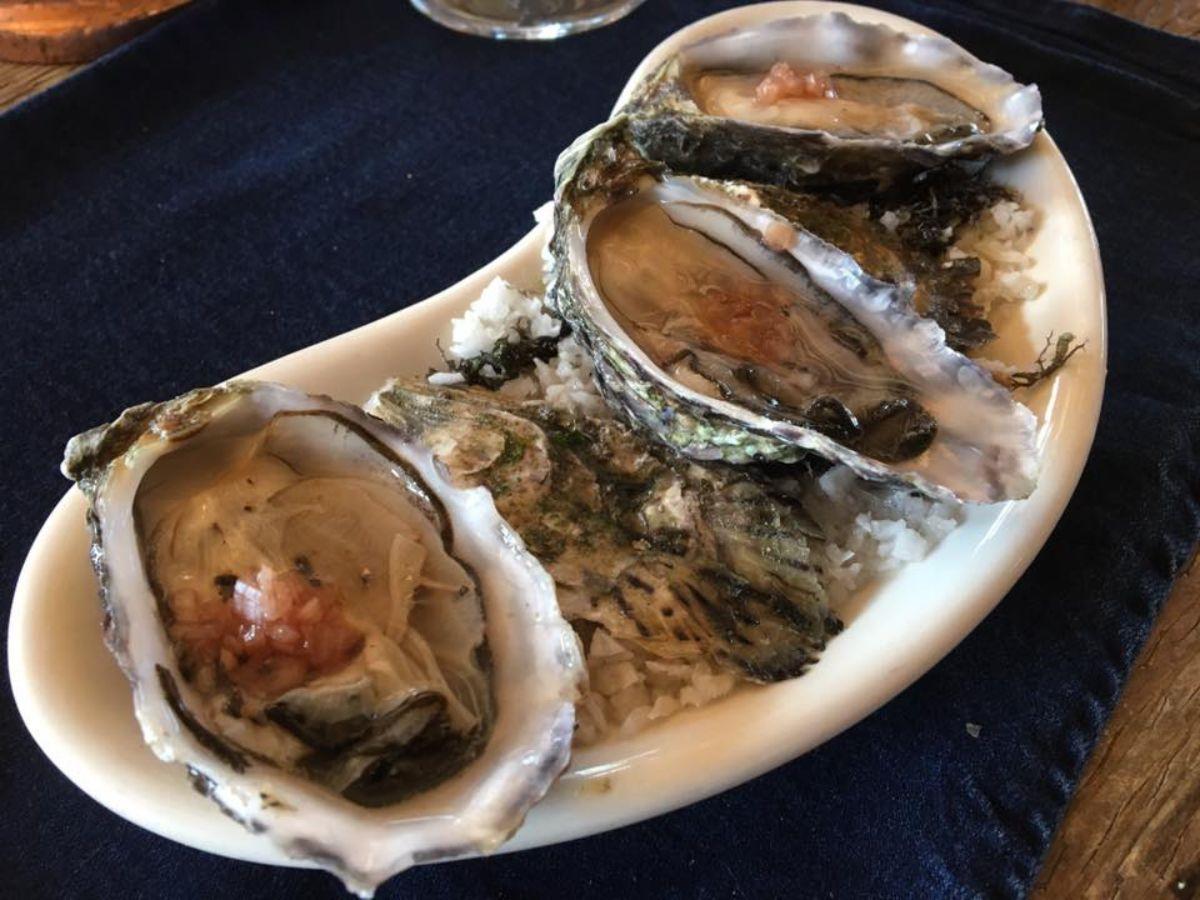 The Yemayá cooperative and Nueve Palmas work to ensure that quality products reach the table. Source: Nueve Palmas.
Nueve Palmas has been operating since 2012 and in 2025 it achieved that 100% of its products have an environmental guarantee.
Rubén Guzmán explained that the process included audits by Seafood Ninja, a company specialized in sustainability strategies, and SmartFish Rescate de Valor A.C., a civil organization that works exclusively with sustainable fish products, as well as adjustments to the catalog to ensure the origin of the products they sell.
“This means a lot because one of our dreams was to enter the supermarket. So, we already have one foot inside. We have to walk and we are very excited for the next step to be exports,” he added.
* This article was written by Itzel Chan, who covers coastal communities thanks to the support of the Report for the World program .


Comentarios (0)