
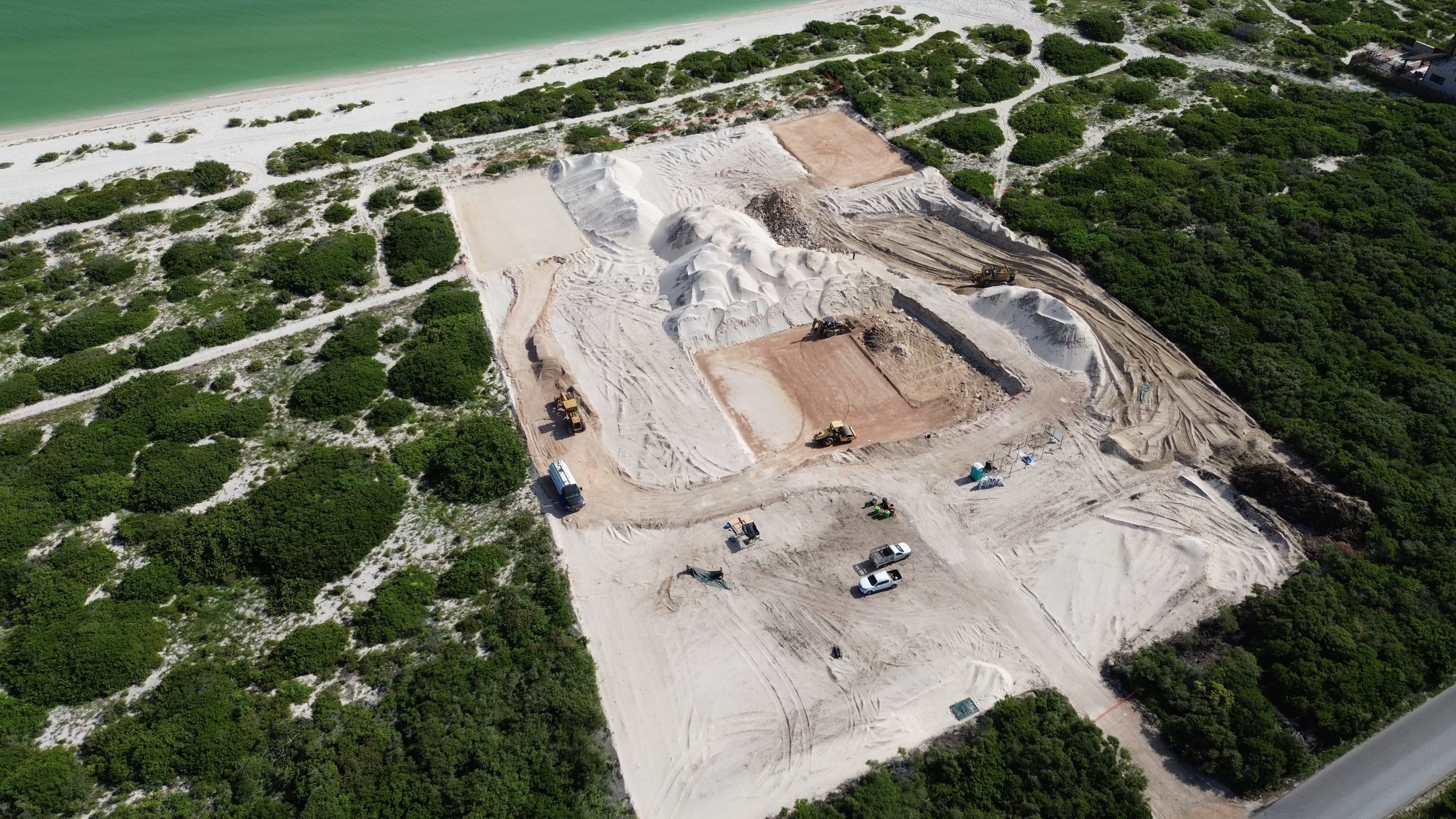
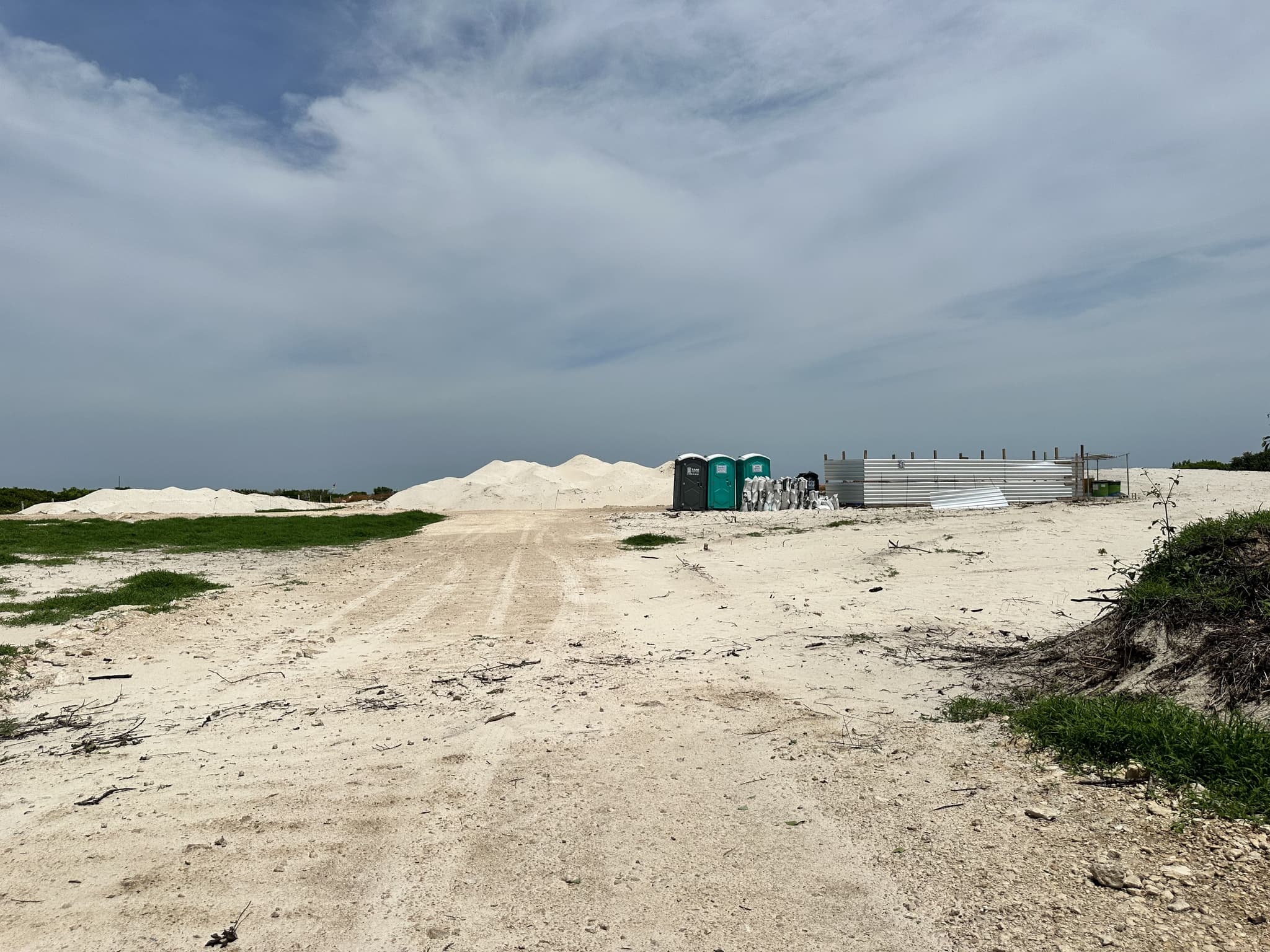
The dump trucks that extracted sand were seen by the inhabitants of Chuburná Puerto, Yucatán, as they passed by the road. It was the first sign that something was happening in the dunes of that police station in the municipality of Progreso, a protected ecosystem, which acts as a barrier against hurricanes and storms, and that brings together sand. The dunes are a space that houses natural, cultural and climate regulation services, so their value encompasses everything from the environment to Chuburná's own society.
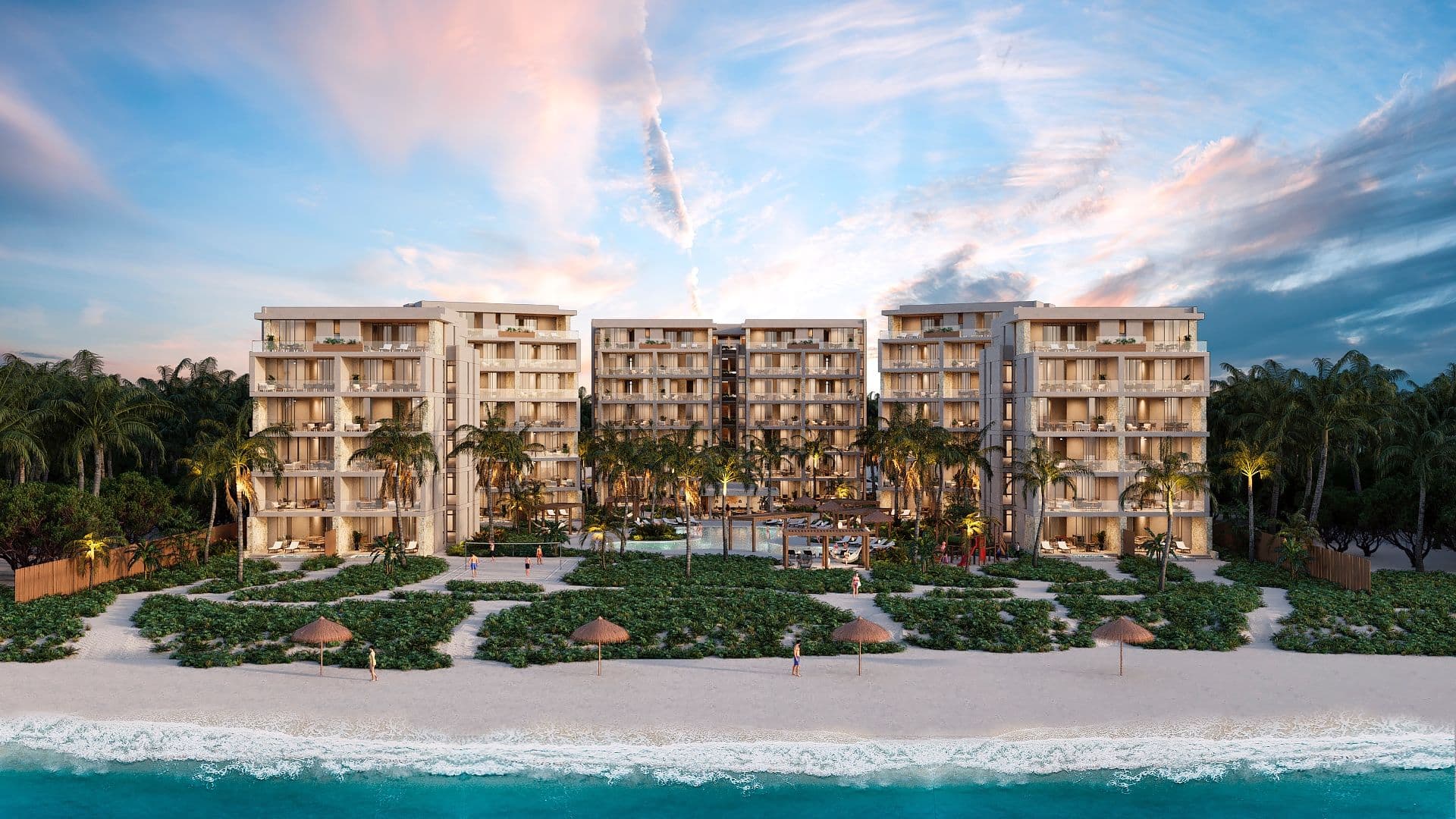
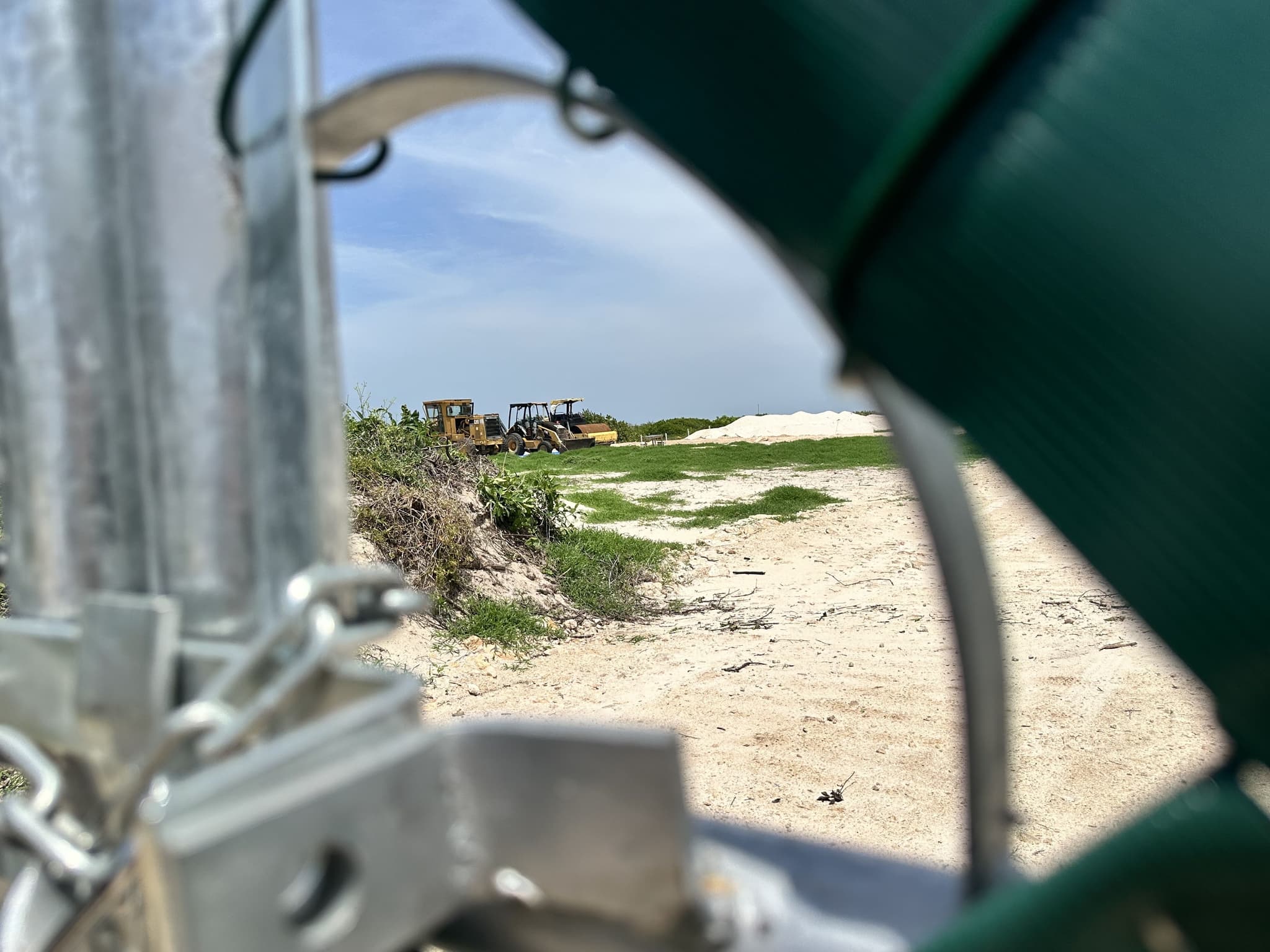
From the road, you couldn't see the work of clearing the vegetation. But when the dump trucks left at night for Progreso, the neighbors realized that the preparation of the land for a construction was under way. Later they would learn that this was the place where Designia Desarrollos built six towers with 138 apartments.
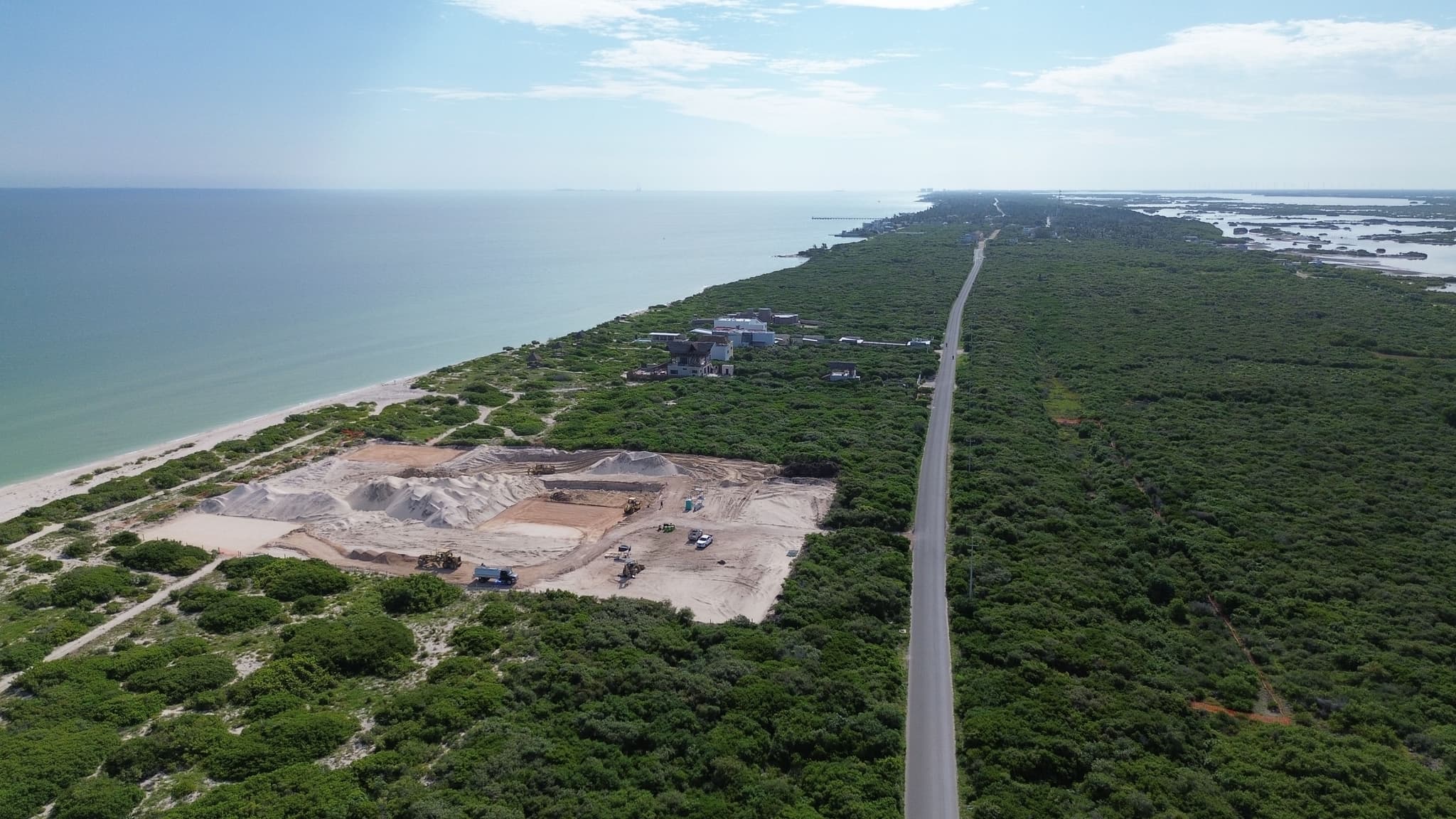
The Yucatecan coastline in urban populations is threatened by the construction of real estate developments, which cause the loss of dune ecosystems and local vegetation, but it also causes coastal erosion, said Gabriela Mendoza González, a researcher at the Institute of Ecology of the Yucatan campus of the National Autonomous University of Mexico, for Gaceta UNAM. “The dunes are part of a network connected to ecosystems such as reefs, seagrasses, beaches, mangroves and lagoons. This set maintains a dynamic balance that allows the natural mobility of the sand and the stability of the beaches.”
Coastal erosion is a phenomenon that has occurred in other states such as Quintana Roo, which have lost their dunes due to mass tourism. The dune ecosystem is found in nine Mexican states, both on the Pacific and Atlantic coasts.
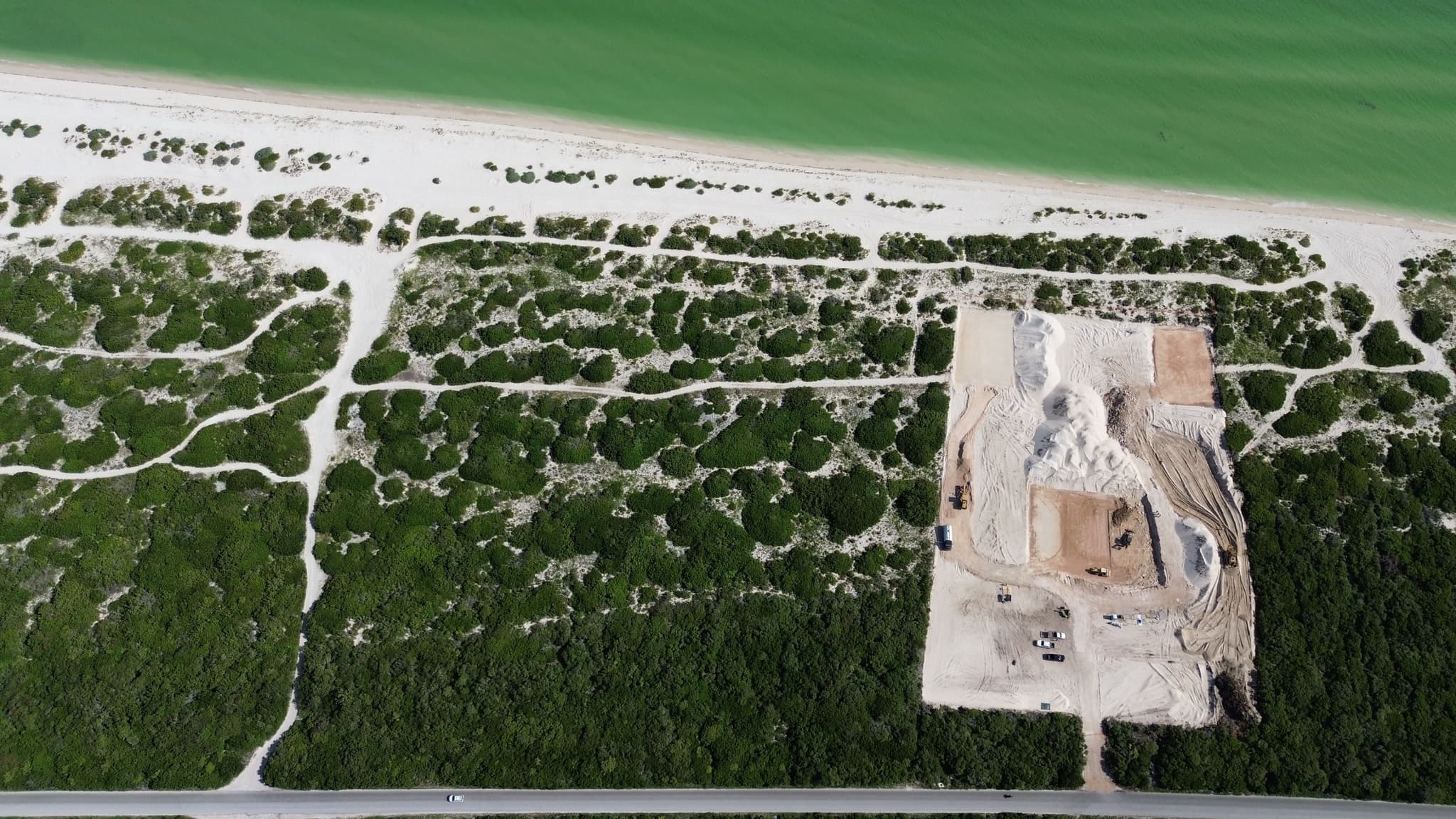
When checking through the air with drones, the residents of Chuburná realized that there was no longer a grid of vegetation that protects the shelter port and the town from flooding during storms and hurricanes. According to the Federal Attorney's Office for Environmental Protection (Profepa), the project removed 13,000 square meters.
Daniel Hernández, a resident of the Chuburná police station, who manages a restaurant, created a tutorial for the community in which he showed how to collect signatures on a Change.org petition to protect the coast of Chuburná Puerto; in one month, they have obtained 144 thousand signatures.
At the same time, the collective Save the Dunes emerged, made up of Yucatecan citizens, to which civil organizations such as Kanan Human Rights A.C. and citizens concerned about the ecosystem have been grouped together.
While the residents watched as they were removing sand from the place, in their Environmental Impact Manifestation (MIA), presented in December 2024 to the Ministry of Environment and Natural Resources (Semarnat), Auralux Representaciones, legal representative of the Dunas Tourist Complex, assures that “it does not contemplate the extraction of sand”.
On August 24, the project was suspended through an amparo lawsuit. The precautionary measure is subject to a payment of 50,000 Mexican pesos, as a guarantee. Now Save the Dunes seeks to raise funds through Go Fund Me in partnership with Kanan Human Rights A.C. to pay for the judicial guarantee.
“I went to Telchac and saw a sign that said 'the Chuburná dunes are sold, '” Daniel says. Why are they selling this area? , what are they selling? What did they start to do? , he wondered. He found advertisements on Instagram, pages and signs that offered the dunes for sale as part of the Designia Desarrollos project. On their website, the apartments sell between 8 and 13 million pesos; the cost of the project is 18 million, according to the MIA.
The indignation of the residents of Chuburná, a coastal town that is undergoing a process of gentrification due to the arrival of foreigners, transcended beyond that place: it reached the capital, Mérida, for whose inhabitants the dunes are one of the natural spaces that are physically preserved and are part of their collective memory, and to other parts of Mexico, who joined the firms. Even to the immigrants themselves from places like the United States, Canada and Europe who have rented houses on the Yucatec coast, who in social media groups announced their participation in a protest called for July 31. The awareness campaign in defense of the dunes was echoed.
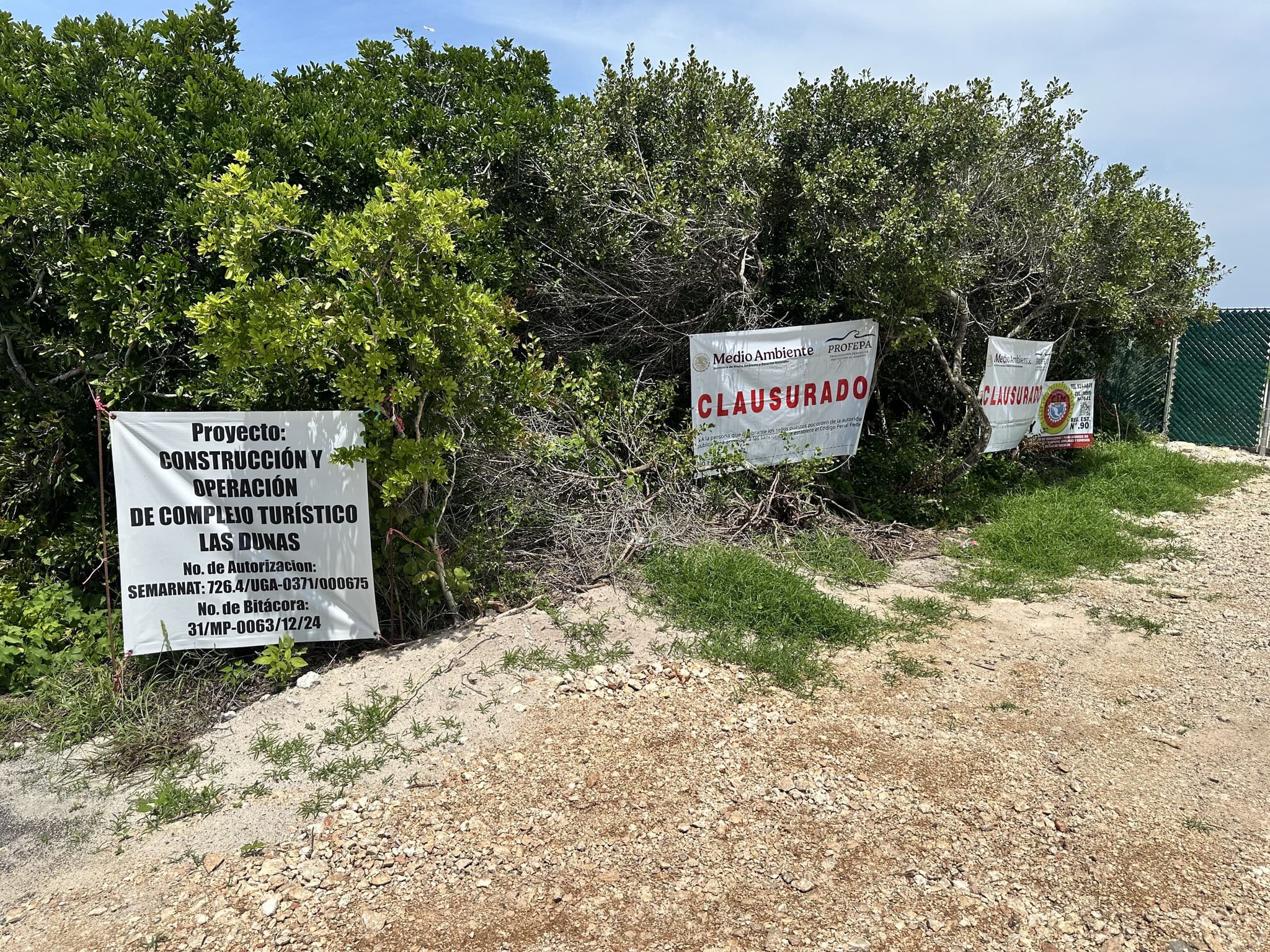
On July 30, one day before the protest called for Save the Dunes, the project was temporarily shut down by Profepa. At the demonstration on July 31, attendees expressed that the closure must be permanent and incorporate restoration measures and not repetition, with the objective of preserving the coastal dune ecosystem.
“There was no public consultation, that's why people were alarmed, because they saw that they had destroyed everything and they began to question what they were doing there,” Daniel says and asks: What is he really going to leave society? Because the most affected are native people.
The organized movement, which emerged spontaneously under the name Save the Dunes, “is not one of litigation, but of conscience” to protect fauna, flora and dunes, Daniel points out.
Don't miss: Celestún asks for increased vigilance against Mayan octopus poaching; an estimated 150 fishermen involved
Loose permits in a non-development area
“Why not do it in accordance with what the environment dictates? If they didn't respect that in the first step, you think you're going to respect everything else, the sanitary zone, the sewage, all that kind of stuff,” asks the neighbor.
According to Profepa, the removal did not consider the presence of animal and plant species “subject to special protection” and “endangered” that “were not reported to the MIA” or “incorporated into the Flora Rescue Program”. It also detected plant species “outside their system and in the process of wilting, without having been rescued for relocation to the conservation areas provided for in the project.”
The focal point of the municipal permits approved for the Dunas Tourist Complex project is identified in the Municipal Urban Development Plan of the City of Progreso, published in the Official Gazette of the State of Yucatán on September 27, 2024. “The Progressive City Council established the land of 92,017 square meters as a “type 1 buildable area” —in the 1913 cadastral table—, despite the fact that this space is located in the dune ecosystem and is located within a space marked as a “non-developable area”.
“It's rare to have a turtle nesting enclosure (in the dunes), who come to give a permit, then it contradicts itself, as if there's something strange there,” Daniel warns.
On August 5, the Secretary of Sustainable Development (SDS) of Yucatán, Neyra Silva Rosado, revealed that her predecessor, the now local representative Sayda Rodríguez, approved the project. As documented by the official, the Yucatecan government of Mauricio Vila Dosal ruled Urban Environmental Feasibility (FUA) 183-2023 in April 2023 for the Las Dunas Tourist Complex.
On February 2, 2023, the Progreso City Council granted a Land Use License to Auralux Representaciones, representatives of Designia Desarrollos for the Dunas Tourist Complex, valid for one year.
CN Media requested the information in its public version via transparency. On August 13, the director of Urban Development and Public Works, Manuel Jesús León Irola, replied that the information consisted of more than 20 simple sheets, exceeding the capacities of his administrative unit, so the consultation had to be in person.
On August 19, the face-to-face consultation was held at the offices of the Directorate in Progress. However, access to information was not guaranteed, because contrary to what León Irola said, only a single sheet was delivered and not the 20 sheets he had indicated. In addition, the consultation was carried out under the supervision of those in charge of the transparency unit, for 20 minutes, without the possibility of taking records (on the grounds that it contained personal data). The sheet that could be reviewed is a document addressed to Auralux Representaciones, dated February 2, 2024, in which Land Use License 079/24 was granted.
MIA recognizes environmental impact
The MIA was approved by Semarnat in 2024, after a first authorization denied a year earlier. In it, it is recognized that the Dunas Tourist Complex has more “high” and “medium” impacts than “positive” ones.
The greatest impact occurs on the landscape, in its pristine and visual character; while the “average” impact occurs in 13 factors: quality of the atmosphere, water, noise, soils and temperature, vegetation cover, wildlife populations, environmental services, topography, odors, fragility and use, and vehicle traffic.
Daniel Hernández notices several of these damages, such as visual damage to the landscape, with towers several meters high in the middle of the dunes to the flora and fauna, attractive to visitors who take photographs and come to the place to bird. This type of observation of local birds can no longer be “because there is a building that is going to obstruct it, just like the pier that has the lighthouse”, he warns. He also fears that the foundations will damage the ecosystem.
The Demonstration presented by the real estate agency points out that the presence of the buildings will promote the arrival of “new projects in the area” because the “execution of new works (...) sooner or later, as a result of the exponential growth that is taking place today on the state's coasts, so it could be said that even regardless of whether the project takes place or not, the growth and occupation of the coast is an event that will take place, and in many cases even in an illegal or disorderly manner”. It thus justifies intervention as an alternative to that kind of disordered and illegal growth.
In the scenario without a project, the MIA states that “tourist activities are carried out informally in the place, lacking adequate supervision and without an environmental monitoring framework” so, it warns, “without the implementation of the project, the site will continue to be subject to a process of degradation of its environmental conditions”.
However, one of the requests of Save the Dunes is greater vigilance to this ecosystem, both due to the presence of real estate projects and the tourism that visits it, in the face of other factors that affect them, such as the use of motorized vehicles in the sand.
The only positive impacts recognized by the Dunas Tourist Complex are on employment and the economy. However, Daniel Hernández says that “people think they are going to leave a lot of work to build the building”, but what good is the work if they arrive with deception.
Also read: New marina and luxury resorts revive concerns for the environmental future of the Yucatecan coast
Chuburná Puerto, in gentrification
Chuburná Puerto is a police station of about 3,000 people whose urban area is already joining that of the neighboring Chelem police station. In recent years, that part of the municipality of Progreso has undergone a social transformation, with the incorporation of foreign immigrants—mainly of European, American and Canadian origin—that has increased the cost of living. This phenomenon is replicated elsewhere on the Yucatecan coast, in ports and the coastline; but it is in places where there was a previous presence of local people, such as the Chicxulub police station or the municipalities of Sisal and Telchac, where people of foreign origin live, especially for the winter season.
Daniel was born in 1994 in Chuburná Puerto. “Before there was what tourism is right now, we were already here,” he says. The place was visited during the Easter and summer vacation seasons by people from Mérida, who had houses on the seashore or in the second or third row, or rented them, as is still the case. Daniel has seen the evolution with the arrival of Canadians and Americans, as it is a quiet beach to live close to the sea and the low cost of living.
In the last five years, videos released on social networks and press releases in the media have reported the closure of access to the beach by immigrants who buy or rent there, which ends in conflicts between locals and foreigners, since the Mexican constitution establishes free access to beaches, as they are land of the nation. This means that phenomena such as Cancun and the Riviera Maya, in Quintana Roo, where hotels have closed access, are replicated with immigrants who find a cheaper place to live in Yucatán.
“Chuburná is being overpopulated, but not by people born in Chuburná, it's being populated by outsiders, gentrification, and the cost of fish, octopus, everything is rising. Those affected here are the native community here, they can no longer get cheap land, it's getting more expensive,” says Daniel.
Remember that land of around 20x20 was between 15,000 and 30,000 pesos, then 300,000 and now more than a million pesos, without being on the beach, where it costs up to 7 million pesos.
During the holiday season, the town has problems with electricity and water shortages, with blackouts that have caused electrical appliances to fail.
The importance of dunes
The dunes are a free zone, that's the attraction of Chuburná, says Daniel. The sand mounds, he says, were washed away with the passage of hurricanes Isidoro, in 2002, and Milton, in 2024, until they were consumed. But the dunes absorbed the water that came in with the cyclones, so they functioned as a barrier that protects against flooding, he adds. During the last hurricane, on the beach eroded by the clearing of vegetation, several houses were demolished, he says.
“When the sea comes out, the first defense they have is plants and mangroves, which they encounter and prevents the swamp and the sea from coming together and Chuburná from flooding.”
The Restoration Manual for coastal dunes in the Yucatan Peninsula indicates that they “protect housing, urban and tourist infrastructure”, “they are part of the filtration and recharge of freshwater aquifers”, “their roots and stems trap and hold sediment, keeping it stable and reducing wind and marine erosion”, “reduces salinity inland”, “provides medicinal resources” and “supplies food”, among others.
A few meters from the real estate project, the Lirios del Mar collective has been restoring vegetation for five years, through reforestation and conservation of the ecosystem. However, in its MIA, the Dunas Tourist Complex denies the positive actions carried out by the local population; the project states that “the property has been previously altered in order to house part of the above-mentioned road infrastructure, and is currently under pressure caused by the constant use of the road, as well as other human uses that take place in the area”, which is why they justify the construction of the buildings.
On August 20, CN Media visited the dunes and recorded that the day before, Profepa placed the due diligence sheet, to quote the representatives of the project, in the cyclonic mesh that closed access to the project. Later, on August 20, two inspectors posted new diligence instructions without being answered.
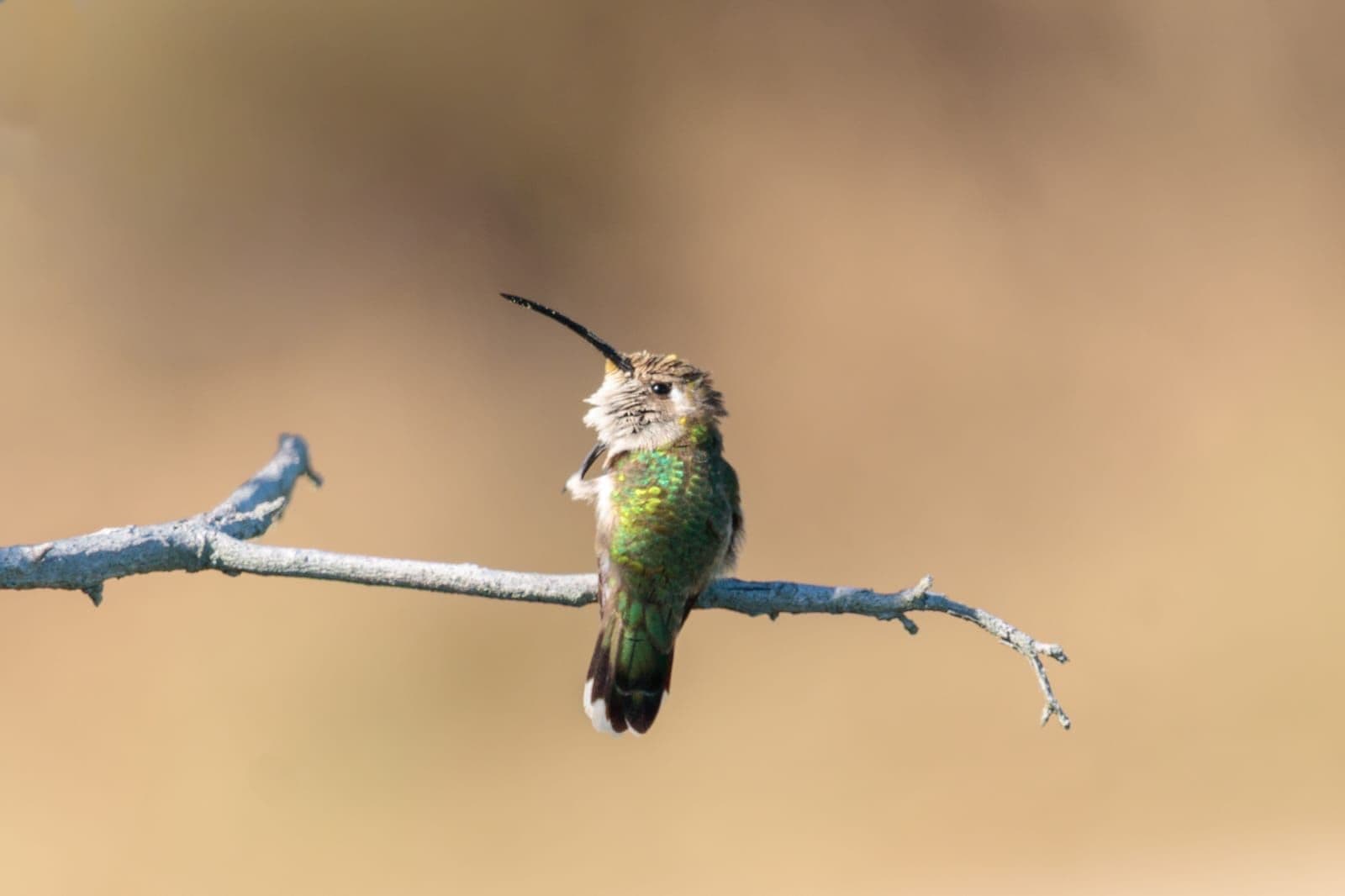
From the beach you can see the dunes and a kilometer away the houses and beach clubs that have been established in the area over the last five years. In this space, the dune plants were dismantled, the habitat of unique birds such as the earwig hummingbird and the Yucatecan matraca, of insects and reptiles; there, the construction of 14 tower buildings of up to six levels for 138 apartments, which will block the sun at dusk for neighboring houses and the landscape of those who come to the dunes to appreciate it.
You may also like: The struggle of women fisherwomen from Veracruz who managed to get the Supreme Court to order the regulation of the Fisheries Law


Comentarios (0)