
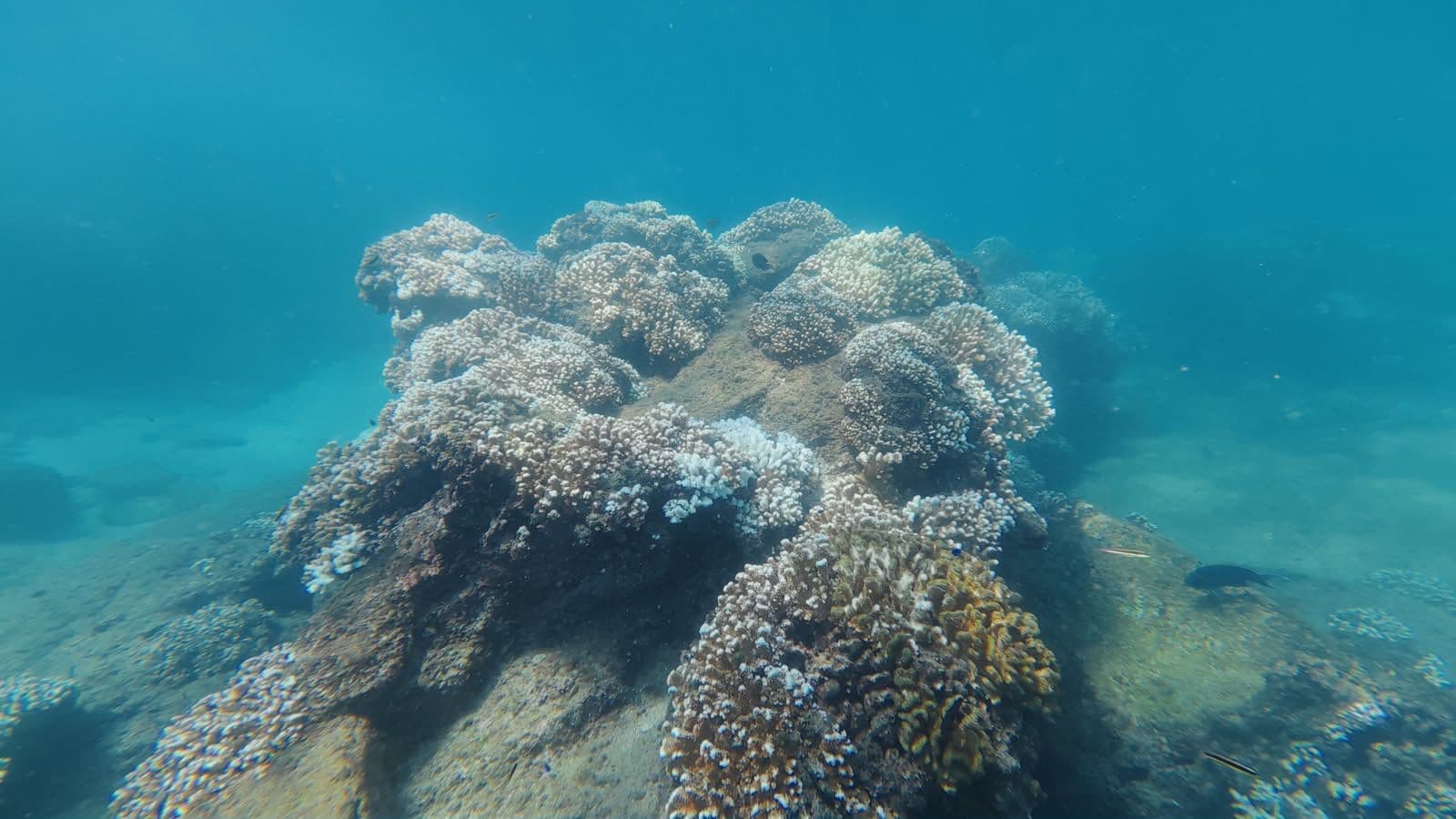
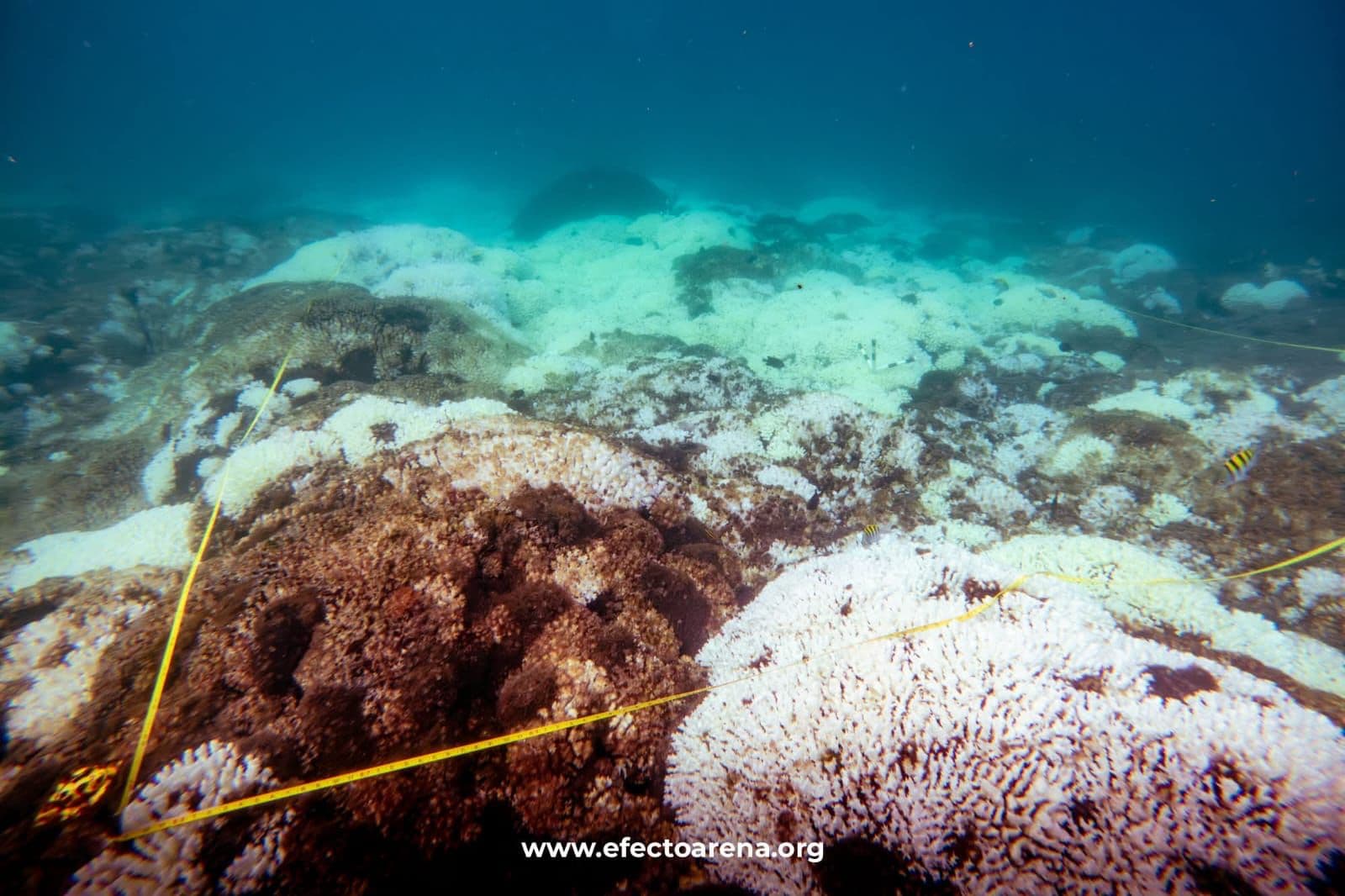
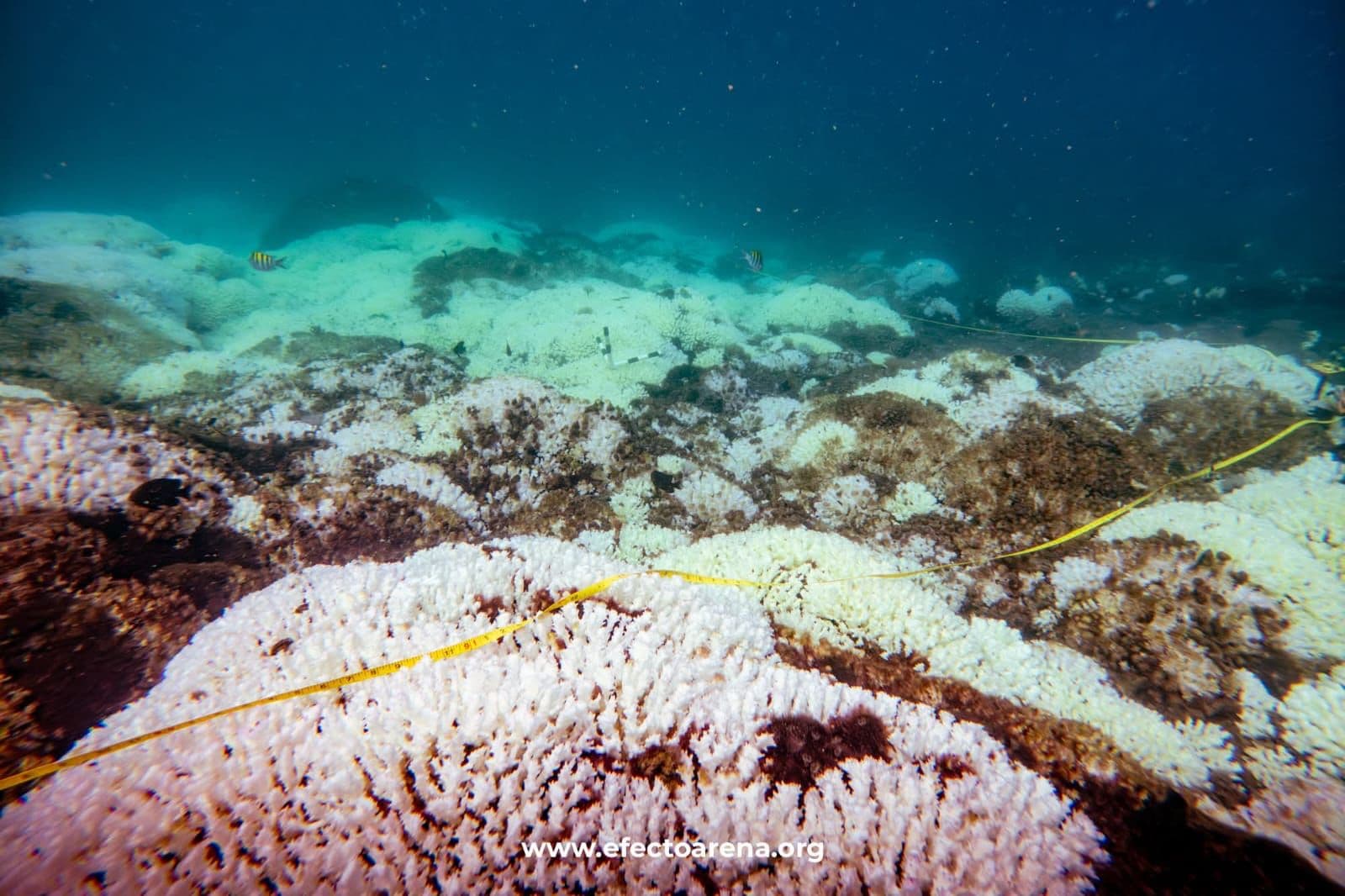
Between 60 and 70% of coral colonies bleach in the area of Cerralvo Island, in the municipality of La Paz, while the phenomenon has occurred in different parts of the reefs of Baja California Sur.
The researcher at the Autonomous University of Baja California Sur (UABCS), Héctor Reyes Bonilla, reported that the damage extends from Loreto, at the northern end of the reef distribution, to Cabo San Lucas, without an area completely free of the problem having been identified so far.
“We don't have a place that has been spared the problem, the water everywhere is very hot,” he warned.
He explained that in Cabo Pulmo, where water conditions allowed bleaching to take longer to occur, there is currently also a significant impact. While the Cerralvo area has apparently resisted a little longer, although it maintains a considerable percentage of bleached colonies.
You may also like: Just 16 pesos per hectare: Cut compromises the operation of 232 protected natural areas
Why are corals bleached?
Alejandra Castelo, marine biologist and communication and collaborative science officer of the Citizen Observers Network, explained that bleaching occurs when high temperatures cause thermal stress on corals and the microalgae that live in their tissues leave these organisms.
These microalgae, known as zooxanthellae, photosynthesize and provide energy to the coral, in addition to contributing to its coloration. When it loses them, the coral turns white and decreases its ability to grow and reproduce.
The specialist explained that stress can occur when the surface temperature of the sea increases between one and two degrees Celsius compared to the historical average and remains high for two or three weeks.
He clarified that bleached coral is not necessarily dead, since it can recover if environmental conditions improve and it manages to restore its relationship with microalgae. However, if heat stress persists, the risk of mortality increases.
Castelo noted that they have received reports of bleaching in El Sargento, in front of La Ventana and on Espíritu Santo Island, particularly in the La Lobera area.
El Niño reduces opportunities for recovery
The specialist warned that, although the El Niño phenomenon is temporary, the recurrence and intensity of warming episodes represent a growing challenge for marine ecosystems.
“Unfortunately, it happens more and more often and more intensively and this gives ecosystems less chance of recovering,” he explained.
Reefs can begin to recover from one warming episode when another occurs, limiting the time available to restore their conditions, he added.
“They are barely recovering from one El Niño phenomenon when another one is coming. So this doesn't give them the opportunity to continue recovering in order to be more resilient to these phenomena,” he said.
For his part, Reyes Bonilla indicated that the effects of warming are also reflected in the distribution and availability of food for other marine species.
Among the cases he mentioned is the absence of sharks in Cabo Pulmo, the lack of sardines in La Paz Bay and the movement of sea lions to the north. He also noted that sea lions are no longer seen on San Rafaelito Island and that seabirds moved to the Pacific in search of food.
The researcher warned that changes in ocean conditions can affect different species and productive activities, including fishing.
Don't miss: Why did Mexico reduce the protected area of the Vaquita Marina?
More than 20 reef zones in Baja California Sur
In Baja California Sur, more than 20 reef zones have been identified, distributed mainly between the Gulf of California and the Pacific Ocean, ecosystems that provide shelter, food and breeding areas for various marine species.
In Cabo Pulmo National Park, there are about 12 species of coral, of which five are included in Mexican species protection regulations or in the Red List of the International Union for Conservation of Nature (IUCN), according to data provided by Reyes Bonilla.
The conservation of these ecosystems also faces budgetary challenges. The Expenditure Budget of the 2027 Federation allocated 1,591 million pesos to the National Commission for Protected Natural Areas (Conanp), which represents in real terms just a 2.6% increase compared to the amount approved in 2026.
This means that the investment per hectare to protect national parks, jungles and seas will be 16.2 pesos per year in 2027, resources that must be distributed among the tasks of surveillance, conservation, restoration and management of the country's Protected Natural Areas.
Read: Save Cuyutlán: Semar megaproject to expand the port of Manzanillo is being brought to court
Call for monitoring reefs and reducing pollution
Faced with the effects of sea warming, Castelo considered that it is possible to take local actions to reduce other pressures on reefs, although these cannot stop the global climate phenomenon.
Among the measures, he mentioned reducing pollution on the coasts and avoiding direct damage to corals, such as those caused by anchoring boats.
He also called for maintaining citizen monitoring of coral reefs and expanding observations to birds and marine mammals, which may face difficulties feeding when ocean conditions change.
The specialist stressed that documenting the evolution of colonies will make it possible to identify which ones remain bleached, which ones recover and which have mortality.
“It is very important to maintain monitoring to evaluate how these coral colonies evolve, to determine if they are resilient and to know if any action can be taken later to promote their recovery,” he recommended.
The monitoring of these ecosystems, together with the reduction of local pressures, is essential to evaluate their capacity to recover in the face of warming episodes that, according to the specialist's warning, may leave less and less time between one event and another.


Comentarios (0)