
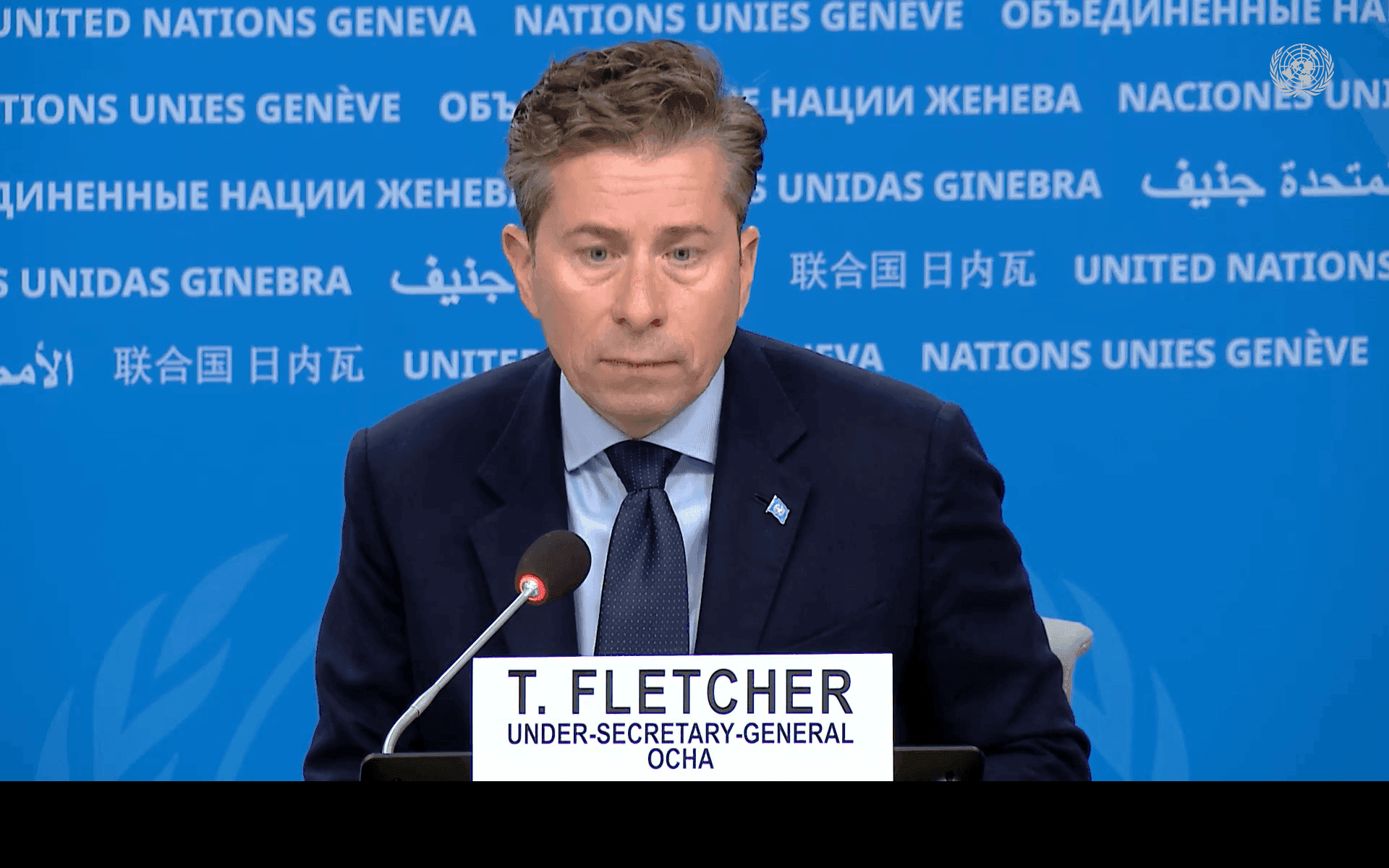
Fifty million people could face increased hunger due to the effects of El Niño, warned Tom Fletcher, Assistant Secretary General for Humanitarian Affairs of the United Nations (UN) and Emergency Relief Coordinator, during a joint press conference with the World Meteorological Organization (WMO), on October 21.
Fletcher noted that the phenomenon could aggravate humanitarian needs in regions where the population is already facing armed conflicts, displacement and increases in the prices of food, fuel and fertilizer.
These conditions affect livelihoods and hinder families' ability to meet their basic needs. Faced with this scenario, the UN called on governments, financial institutions and cooperation agencies to allocate resources to prepare communities before the main impacts occur.
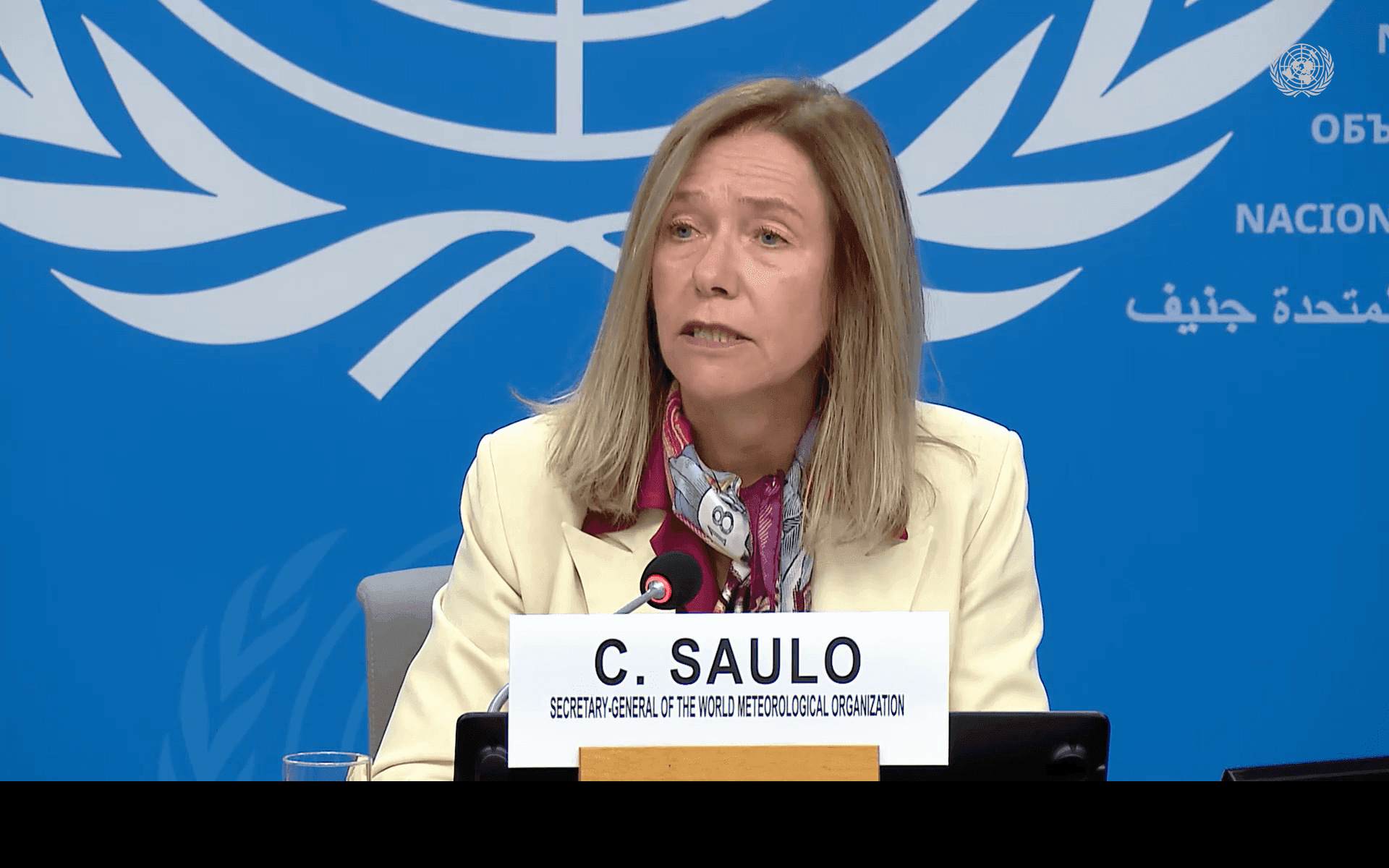
The warning is based on the new WMO seasonal climate outlook, which predicts that temperatures in the tropical Pacific, the region where El Niño develops, will be 3.8 degrees Celsius above the average between November 2026 and January 2027. Celeste Saulo, Secretary General of the WMO, explained that this value would exceed the organization's historical records.
According to projections, El Niño would peak towards the end of 2026 and its effects could last for the following months.
The latest: Hunt for revenge: the conflict that fuels jaguar traffic in Calakmul
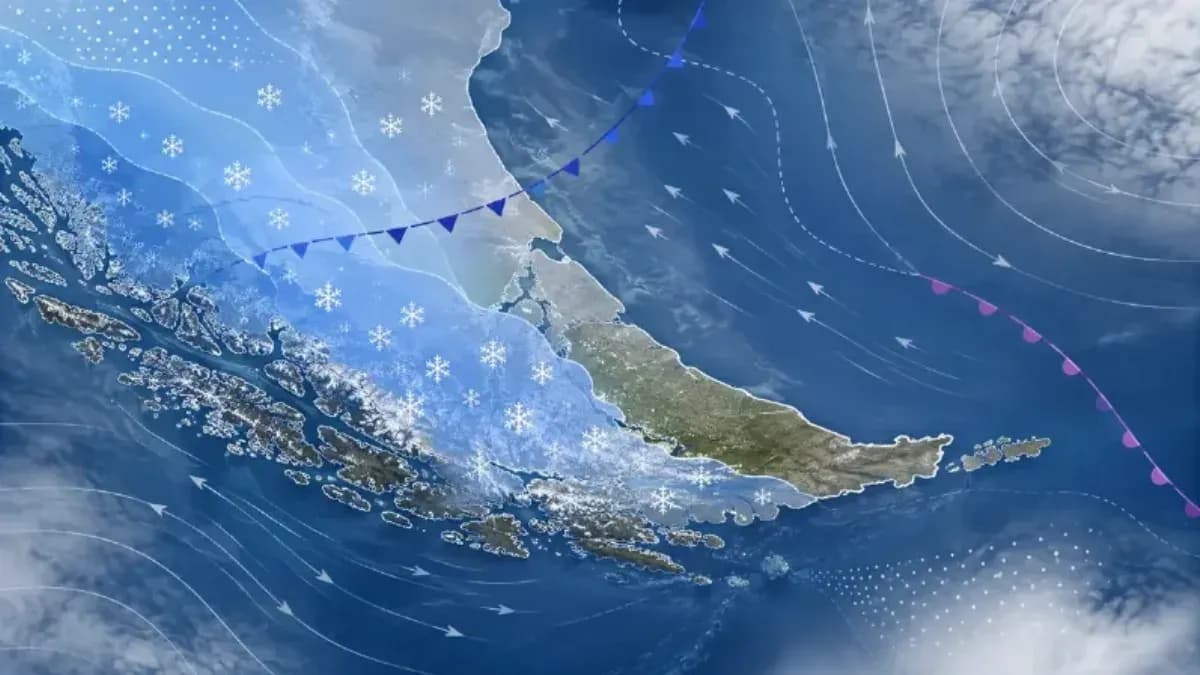
Droughts and floods in different regions
El Niño is a natural climatic phenomenon associated with the periodic warming of surface waters of the equatorial Pacific. Its development modifies atmospheric circulation patterns and can alter temperatures and rainfall in different parts of the world.
Human-caused climate change is a different process, driven primarily by greenhouse gas emissions. Global warming modifies the reference conditions of the climate system and can influence the intensity of certain meteorological impacts.
During the conference, WMO presented its forecasts for El Niño and its potential regional effects, without specifically attributing all the expected impacts to man-made climate change. According to WMO prospects, some regions in East Africa may experience higher-than-average rainfall during the October-December season, with greater flood risks.
In southern Africa, drier conditions could affect agricultural production, water availability and livelihoods starting in November. In Southeast Asia, higher temperatures and reduced rainfall could increase exposure to heat and pressure on agricultural systems and water supplies.
The organization also forecasts higher rainfall in the northwestern United States and in some areas of South America, while parts of Central America, the southern Caribbean and the Amazon would face a greater risk of drought. Saulo specified that these projections describe regional and seasonal trends, so national and regional forecasts will be necessary to identify areas where specific measures are required.
The UN allocates resources for prevention
Fletcher reported that he authorized the release of more than $50 million from the UN Central Emergency Action Fund to support 11 countries exposed to the impacts of El Niño. Among them, he mentioned Chad, El Salvador, Ethiopia, Somalia and South Sudan.
Planned measures include providing economic resources to families before the damage occurs, helping farmers and ranchers protect their crops and animals, and moving supplies to safe areas before floods interrupt communication routes.
The official said that the next two weeks would be a decisive period for mobilizing resources. Somalia, Ethiopia and Kenya need assistance before heavy rains; Southern Africa requires seeds and support to protect its livestock production, while Central America needs help to sustain livelihoods.
The strategy, called anticipatory action, seeks to use forecasts to reduce human and economic losses before risks materialize. Fletcher called on governments, development banks and international financial institutions to accelerate the financing of these measures.
It also called on the scientific community and the private sector to collaborate through the exchange of data, forecasts and technical knowledge to strengthen countries' preparedness. WMO and OCHA argued that climate information must be translated into timely decisions to protect exposed populations. The evolution of the phenomenon and regional forecasts will make it possible to specify where the risks will be concentrated and what measures will be necessary.
It may interest you: 30,000 tons of ammonia near the Nazas River: they warn about the risks of the fertilizer plant in Durango


Comentarios (0)