
Cases of fires in Argentine Patagonia, the destruction caused by the Mayan Train in Mexico, oil pollution in the Amazon, oil spills in Ecuador and the rupture of a dam with mining waste in Belo Monte, Brazil, were taken as a reference for the drafting of a model bill on ecocide in Latin America.
Rodrigo Lledó, director for Latin America of Stop Ecocide International, one of the organizations behind the initiative, explained that “a series of concrete examples were seen in order to have a definition that could cover it and somehow prevent them from happening again in the future.” Lledó explained that the model law also provides for the protection of environmental defenders.
“There are countries like Mexico and Colombia that have the sad record of having the highest number of environmental defenders killed worldwide, and we cannot ignore this reality.” The proposal incorporates procedural and precautionary measures to protect those who report possible cases of ecocide, participate as witnesses or intervene as experts. It also establishes aggravating circumstances for crimes committed against these people because of their participation in an ecocide proceeding.
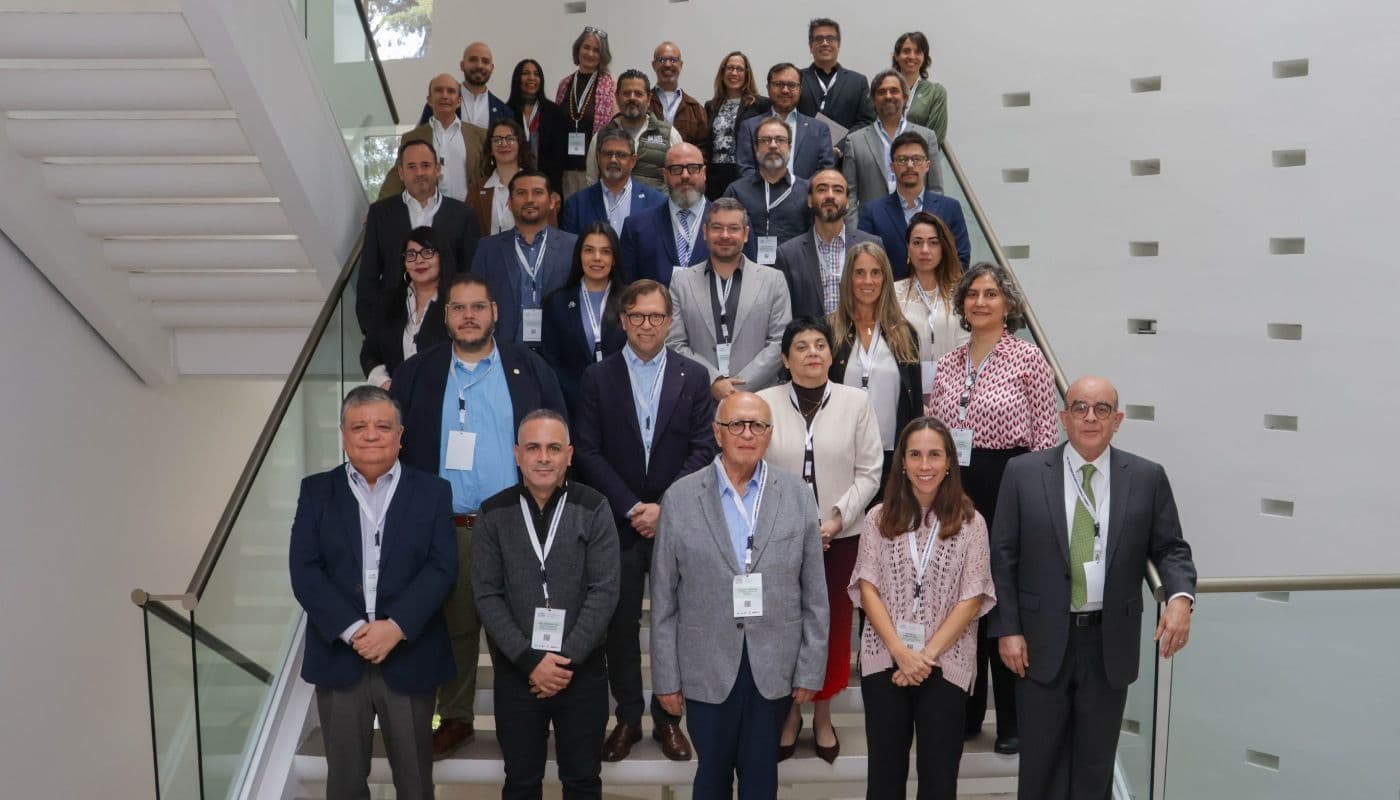
The initiative was presented at a press conference this October 1 in Mexico City, after the Editorial Congress forum, held on September 29 and 30 at the Ibero-American University. The process had three stages: a public consultation with 240 responses, virtual meetings with specialists and a face-to-face congress in which more than 30 experts from 14 countries participated.
It may interest you: Mexico blocks the export of avocados from deforested orchards

What does the proposal say?
The document proposes to separate ecocide into three crimes. The first corresponds to serious, extensive or lasting environmental damage; the second to generation to produce a risk or damage of these characteristics, and the third contemplates damage caused by reckless or negligent conduct of a serious nature. The separation responds to the need to adapt the international definition of ecocide to the domestic laws of Latin America.
The definition drawn up in 2021 by a panel of experts was designed for the International Criminal Court, while countries in the region have legal systems based on written and codified law. “The main modification is to separate the crime of ecocide into three specific figures: a figure of outcome, a figure of danger and a guilty figure,” Lledó explained. “Where before there was a single crime, we have separated it into three crimes for the purpose of greater understanding, better applicability and better management of the internal rights of Latin American countries.”
In the Federal Criminal Code in Mexico, there is no crime of ecocide. During the press conference, Gustavo Alanís Ortega, executive director of the Mexican Center for Environmental Law (CEMDA), said that the incorporation of ecocide would expand the scope of environmental crimes currently envisaged in Mexico. “Introducing ecocide is giving another level to environmental crimes,” he said during the conference, explaining that the proposal seeks to provide a route for countries in the region to develop their own criminal and environmental frameworks.
Investigations: Energy megaprojects and tourism expansion corner Cozumel
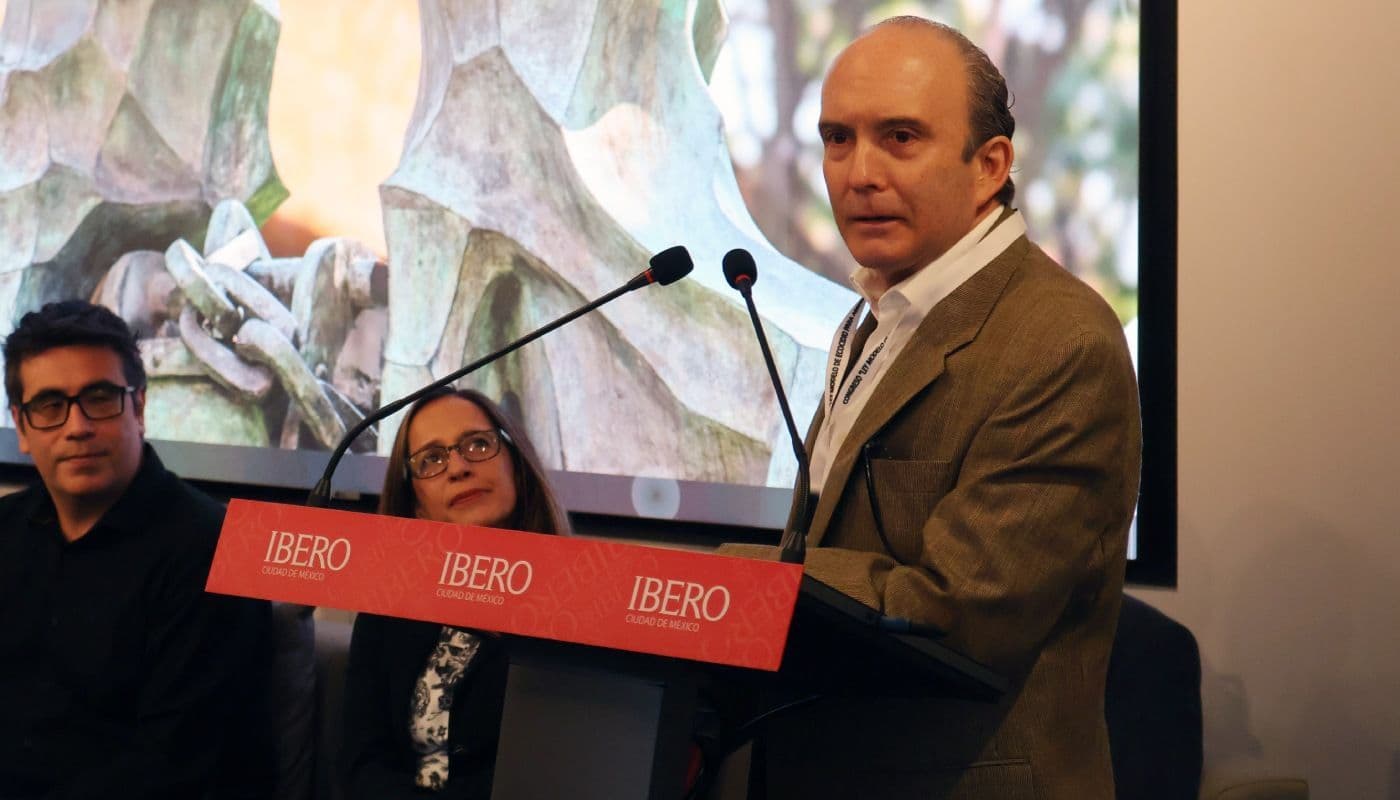
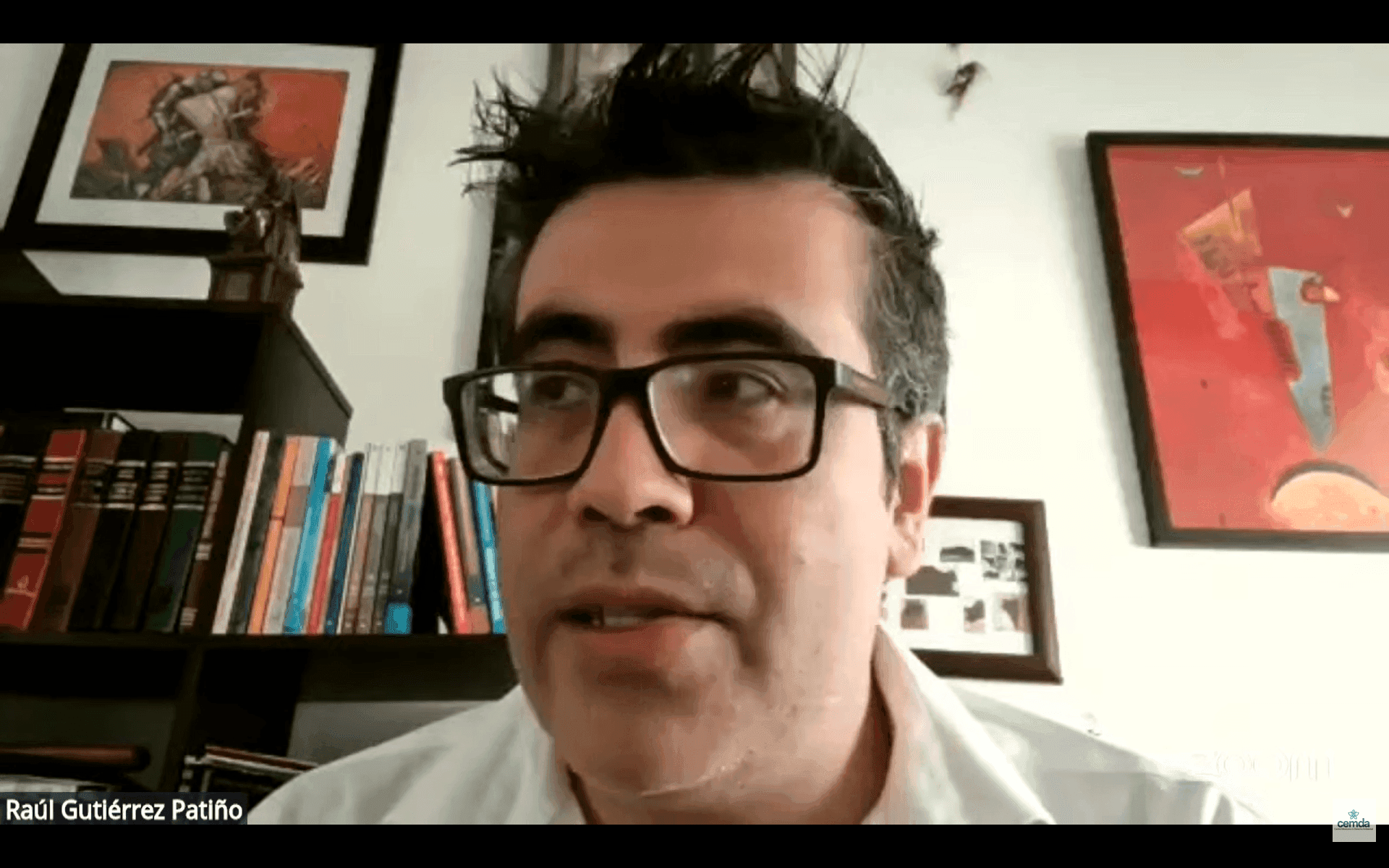
Raúl Gutiérrez Patiño, an academic at the Transdisciplinary University Center for Sustainability at the Ibero-American University, explained that during the conference the specialists worked on issues such as universal jurisdiction, protection of defenders, environmental protection, rights of nature and the human right to a healthy environment.
The proposal has no legally binding effects and serves as a reference for each country to determine the necessary adjustments to its environmental and criminal laws. For ecocide to work, the project proposes a sentence of eight to 20 years in prison when a person causes serious damage that is extensive or lasting to the environment through action or omission.
The text considers as elements to determine severity the impact of protected species, habitats of special ecological value, ecosystem services and the persistence of pollutants, among other criteria. Ecocide would be punishable by three to eight years when conduct creates a risk of serious harm that is extensive or lasting.
While wrongful ecocide would have a penalty of two to six years when the damage is caused by reckless or negligent conduct of a serious nature. The proposal also incorporates criminal liability for companies and for individuals who hold management positions.
A legal entity may be responsible when the crime is committed in its name, on its own or for its benefit and when the damage has been facilitated or not prevented by breaches of environmental monitoring, control or due diligence. “On the other hand, the responsibility of the legal entity is already established in many of the Latin American countries, and that is why there are also provisions that tend to make this responsibility effective,” Lledó explained.
The model also contemplates the individual responsibility of those who have decision-making capacity within a company. “That person will be personally responsible, in addition to any corporate responsibility that lies with the organization that has perpetrated this ecocide,” he added.
In case you missed it: Invasive species, another threat posed by gas ships in the Gulf of California
The witness figure: “we want to protect them”
The proposal incorporates specific measures so that those who report possible cases of ecocide participate as witnesses or intervene as experts. The project establishes precautionary measures of protection and contemplates an increase in penalties when violence, threats, reprisals or other forms of persecution are exercised against these people for their participation in a process related to a possible ecocide. “We want to protect them and that's why this model law incorporates protective measures along two lines,” Lledó said.
The project includes police custody, the transfer of people and other procedural protection measures. It also establishes an aggravation of penalties when the aggressions are related to the complaint or participation in an ecocide proceeding. The document states that livelihood activities, customary uses, such as traditions, of natural assets and cultural and ancestral practices of indigenous peoples, Afro-descendant communities and peasant communities will not constitute ecocide when carried out in exercise of their rights and in accordance with their organizational and regulatory systems.
A Pathway to Environmental Justice
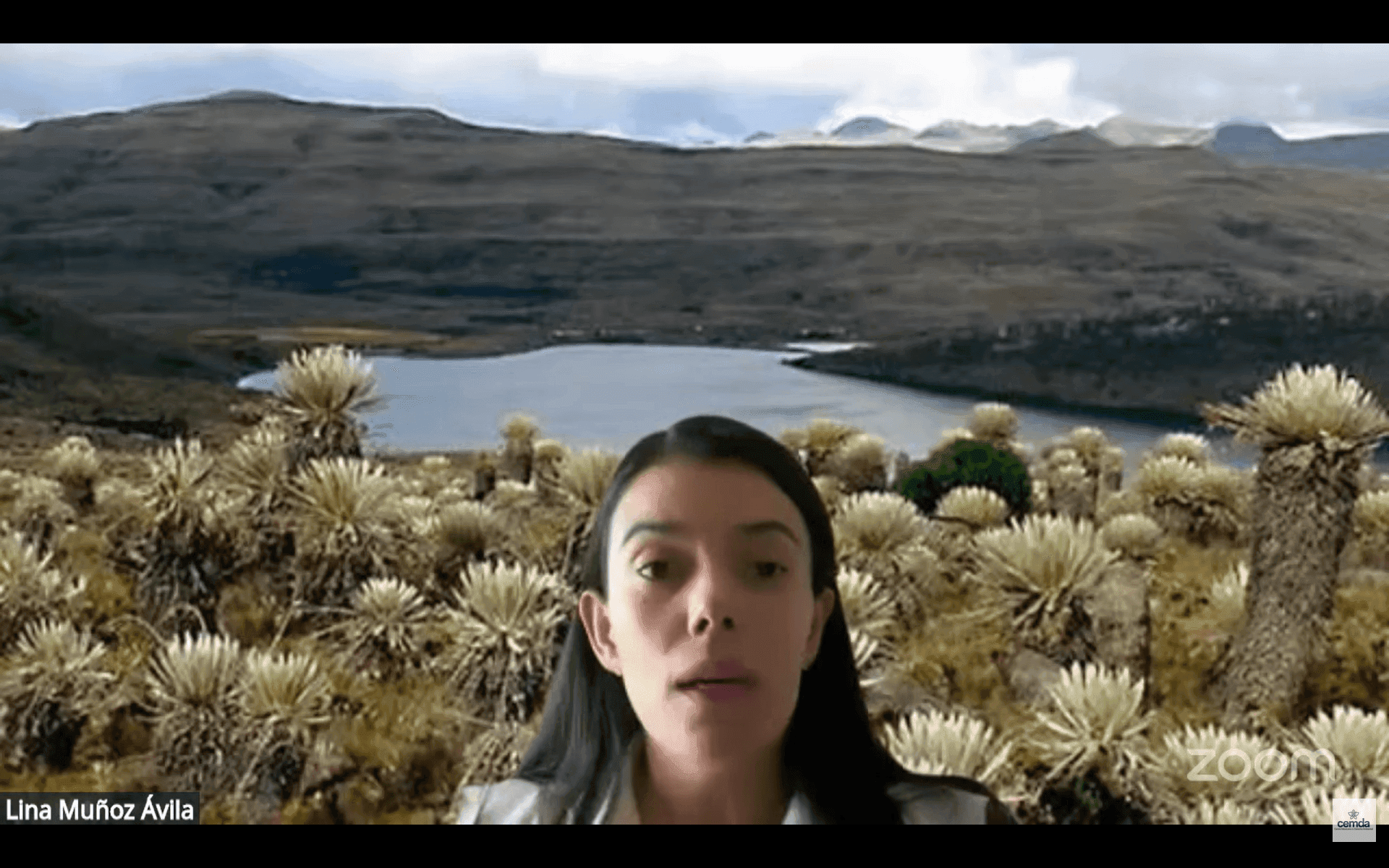
For Lina Muñoz Ávila, co-founder of the Alliance of Environmental Legal Clinics in Latin America and the Caribbean, one of the contributions of the proposal lies in the tools to access environmental justice. The model law provides legal assistance, support and interpretation for people who cannot afford these services, while its drafting brought together knowledge of environmental and criminal law to clarify behaviors, determine responsibilities and analyze environmental damage.
The project also proposes that an environmental authorization does not automatically exclude criminal liability. This would occur when the permit has been obtained through fraud, corruption or other improper form, when it has been granted in a manifestly unfair manner or when environmental conditions have changed to make it unsuitable for serious harm. The model law was designed as a reference for the congresses of the countries of the region.
Each State would have to define how to incorporate it into its legislation, in accordance with its own legal system. The document proposes as options a special criminal law, a reform of the criminal code or its incorporation into the international crimes section when the constitutional framework of each country allows it. “The important thing is that this model law is a technical reference that is available to all Parliaments,” said Lledó.
“The most difficult task of adapting the international definition to the legal and social reality of Latin America has already been done. Now what remains to be done is to adapt it to the specificity of each country.” Stop Ecocide International has now begun the dissemination phase of the project in universities and congresses in the region. Lledó noted that the next step involves meetings with parliamentarians and universities in Panama and the presentation of the proposal to the Latin American Parliament.


Comentarios (0)