
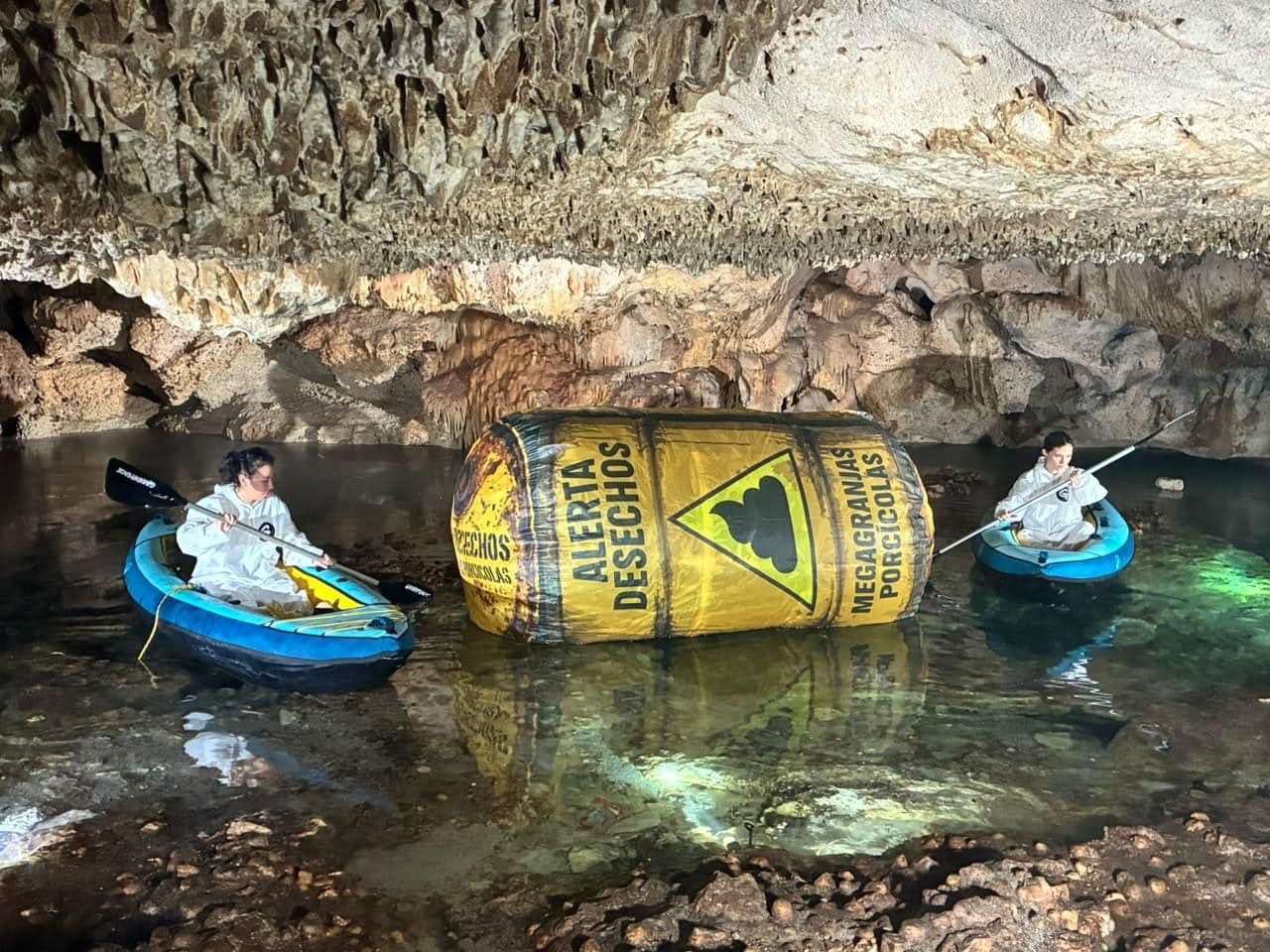
The analysis of 17 wells and cenotes in seven locations in Yucatán detected high concentrations of bacteria that indicate fecal contamination as well as nitrate.
The study Pork Megagrams: A Constant Threat to Cenotes, prepared by Greenpeace Mexico based on samples collected in August 2026, covered the towns of Kinchil, Sitilpech, Motul, Chocholá, Molas, Celestún and San Antonio Tedzidz. In 16 of the 17 samples, total coliforms reached the laboratory's upper measurement limit.
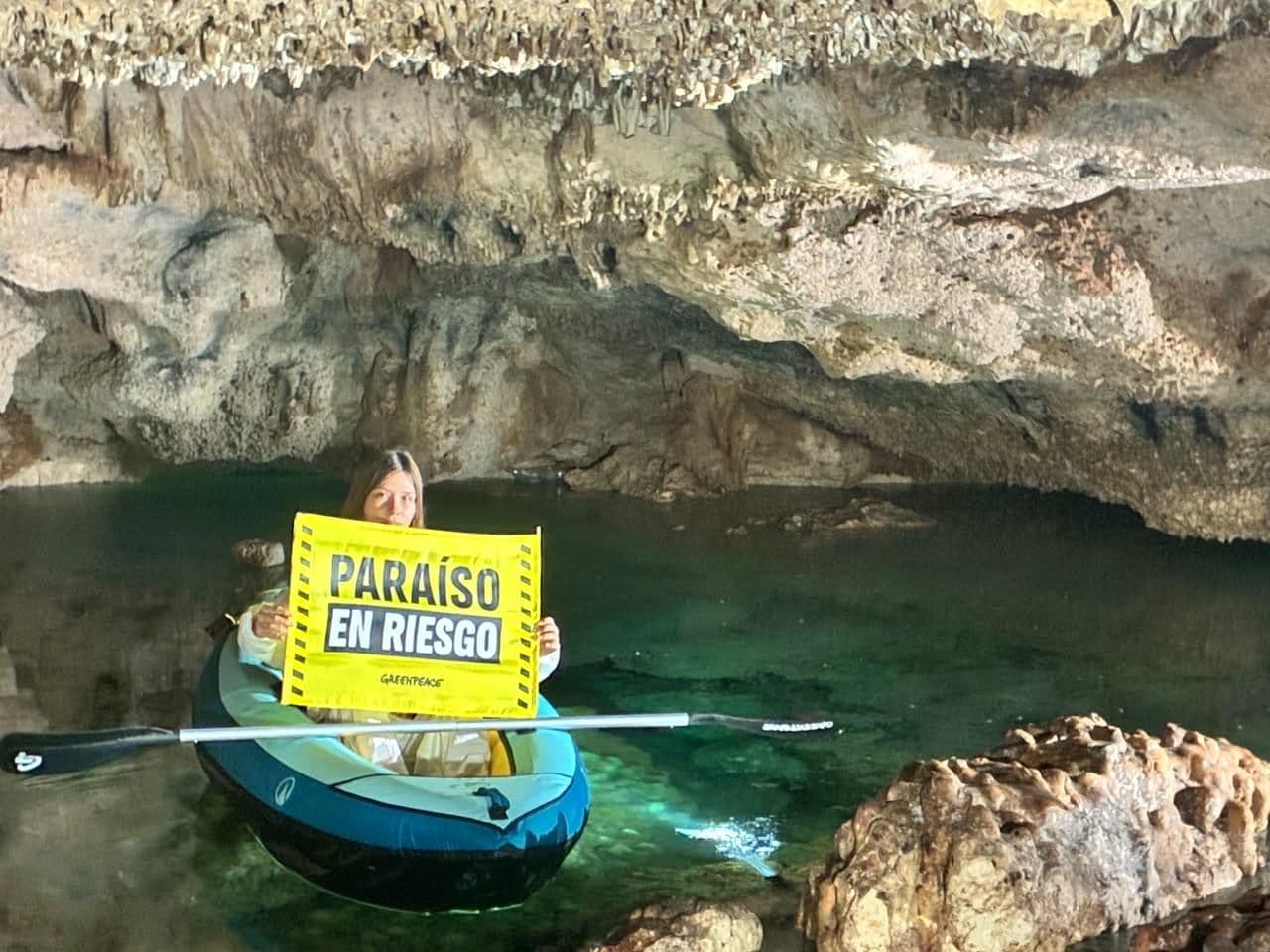
For this reason, Mayan communities, the To'one Ja'o'on Mayan Water Defense Network and Territory and Greenpeace Mexico demanded to stop the expansion of pig mega-farms in Yucatán and protect the Great Maya Aquifer.
Although the report points out that the available results do not allow us to establish the exact origin of the contaminants at each point, previous studies by the To'one Ja'o'on Network identified the molecular marker Pig-2-Bac, specific to swine faecal contamination, in water samples from Mayan communities.
The latest: Corals under thermal stress: bleaching impacts reefs between Loreto and Cabo San Lucas
The findings of pollution
In 13 samples, fecal coliforms exceeded 1,800 NMP per 100 milliliters, the upper measurement limit reported by the laboratory.
In four other samples, fecal enterococci reached the maximum that the method used could quantify, so it was not possible to establish their exact concentration.
In addition, two samples, corresponding to Motul and Chocholá, recorded nitrate concentrations greater than 50 milligrams per liter established as a reference for drinking water by the World Health Organization.
The research also reported high concentrations of chemical demand for oxygen, phosphorus and suspended solids at different sampling points.
Together, these indicators show contamination at the sites analyzed.
They demand protection of the aquifer
This October 20, during the presentation of the report in Mérida, Yucatán, the Mayan communities demanded the protection of the aquifer, due to the characteristics of the karst soil of the peninsula.
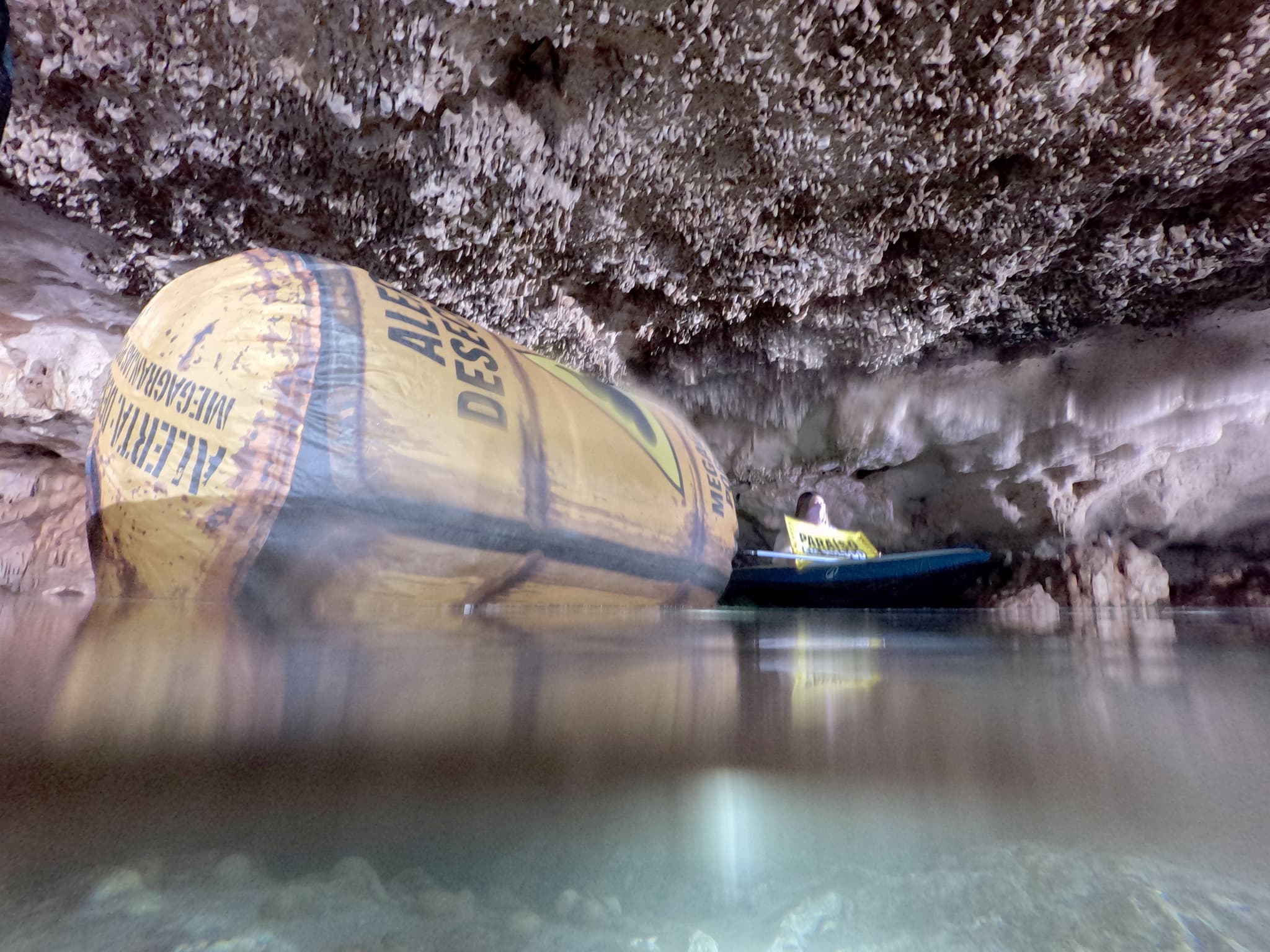
In addition, porous limestone makes it easier for surface contaminants to infiltrate groundwater, on which communities depend for human consumption and productive activities, as well as the region's ecosystems. This connection between surface and subsurface makes the Great Maya Aquifer particularly vulnerable to pollution.
You may also like: Just 16 pesos per hectare: Cut compromises the operation of 232 protected natural areas
Pending farm inspections
The demand for action comes one year after the popular complaint filed by Mayan communities with federal authorities for alleged environmental damage related to pig farming.
The To'one Ja'o'on Network notes that the results of inspections, administrative procedures, sanctions and measures to repair environmental damage are still pending.
Among the reported cases are the GARY 5 and 6 farms, in Chocholá; MOBA, in San Fernando, Maxcanú; and the Kekén 1, 2, 3, 4, 5 and 6 complexes, located near Kinchil and Celestún.
The organization reported that the Federal Attorney for Environmental Protection (Profepa) carried out new inspections of GARY and MOBA facilities in June 2026, the results of which were still under analysis at the time the report was submitted.
The communities also expressed concern about the transfer of thousands of pigs from the Santa María farm, in Santa María Chí, to facilities located in the areas of Tebacal and San Antonio Tzacala, near Molas and the Cuxtal Ecological Reserve, relevant to Mérida's water supply.
They also maintain the requirement to evaluate the environmental damage associated with the closed farm and to establish reparation measures. The To'one Ja'o'on Network asked the Secretariat of Environment and Natural Resources (Semarnat), the National Water Commission (Conagua) and Profepa to publish the results of their inspections, strengthen the monitoring of wells and cenotes with community participation and determine the corresponding responsibilities.
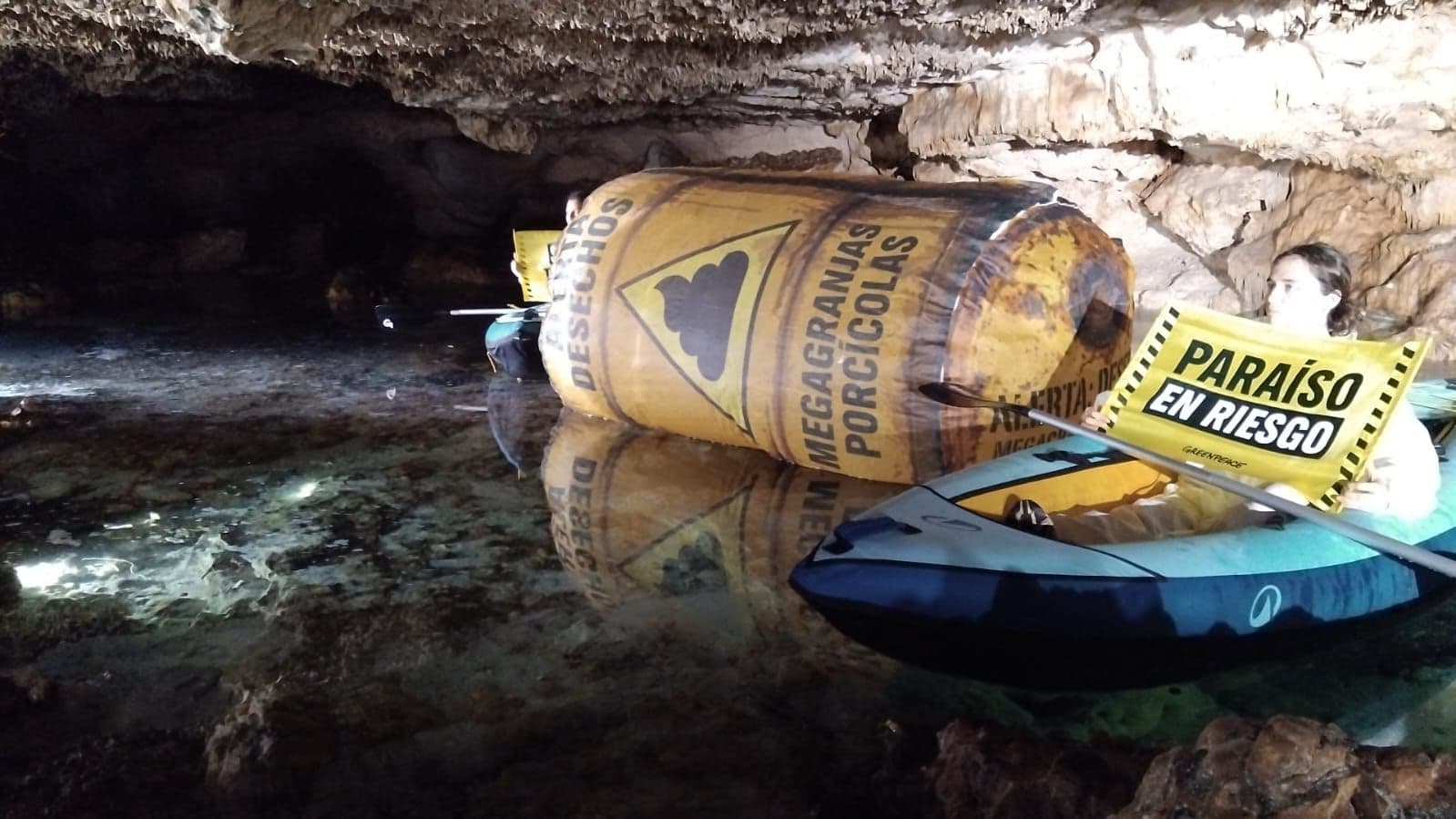
Greenpeace Mexico proposed a moratorium on new facilities and expansions of industrial pig production in the peninsula. The organizations maintain that the protection of the Great Maya Aquifer requires ongoing environmental monitoring, public information about open procedures, and measures to guarantee the right of Mayan communities to clean water and a healthy environment.
Don't miss: Why did Mexico reduce the protected area of the Vaquita Marina?


Comentarios (0)