
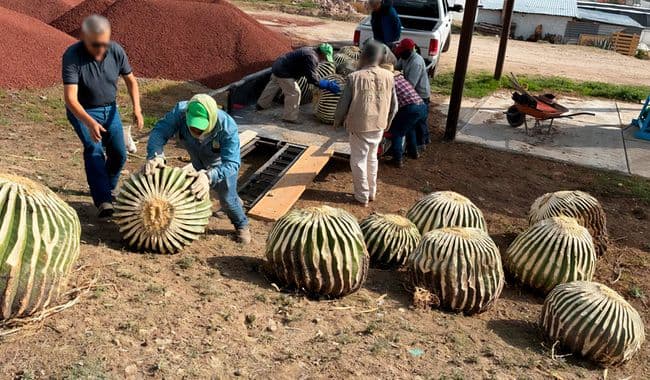
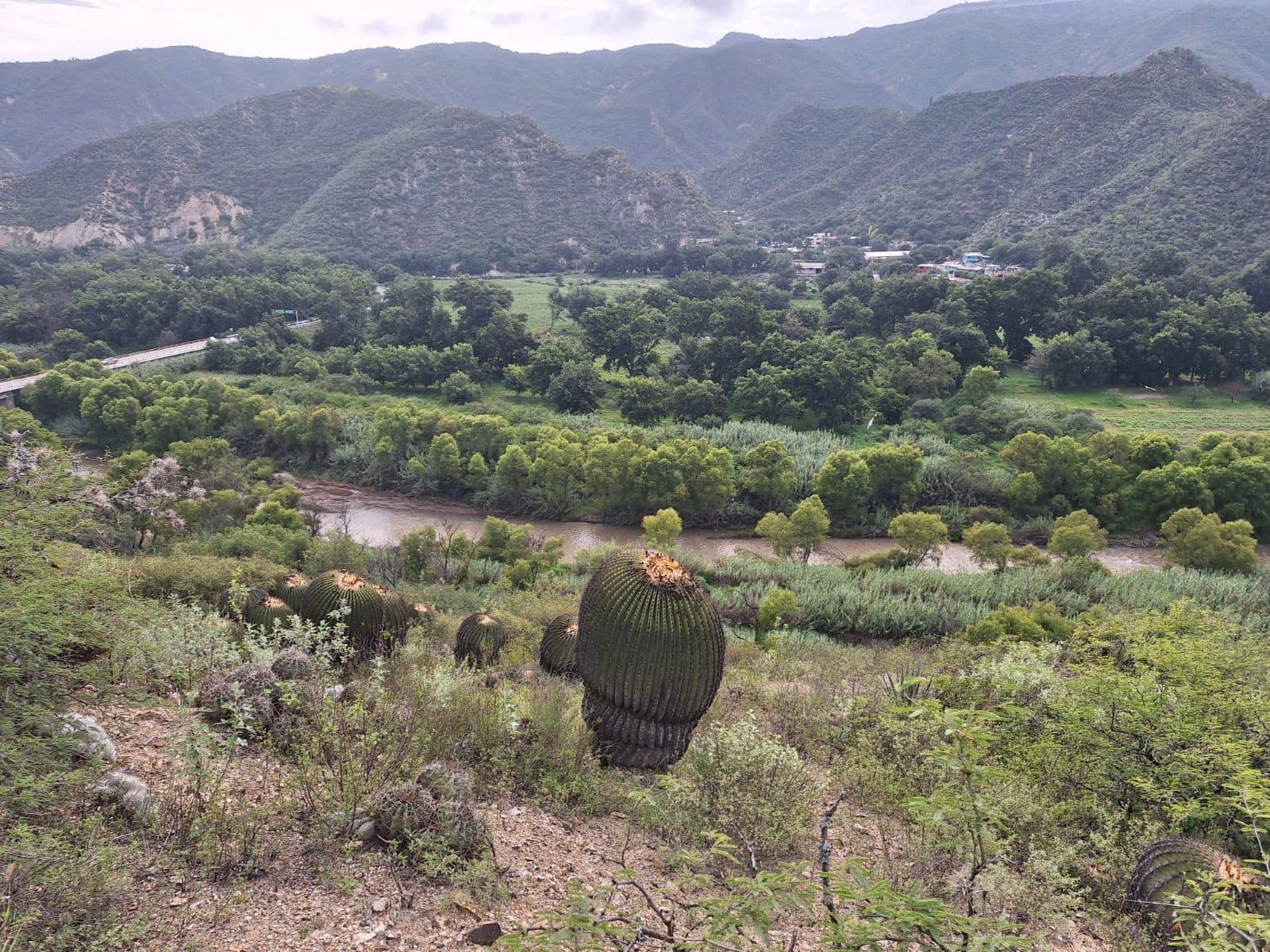
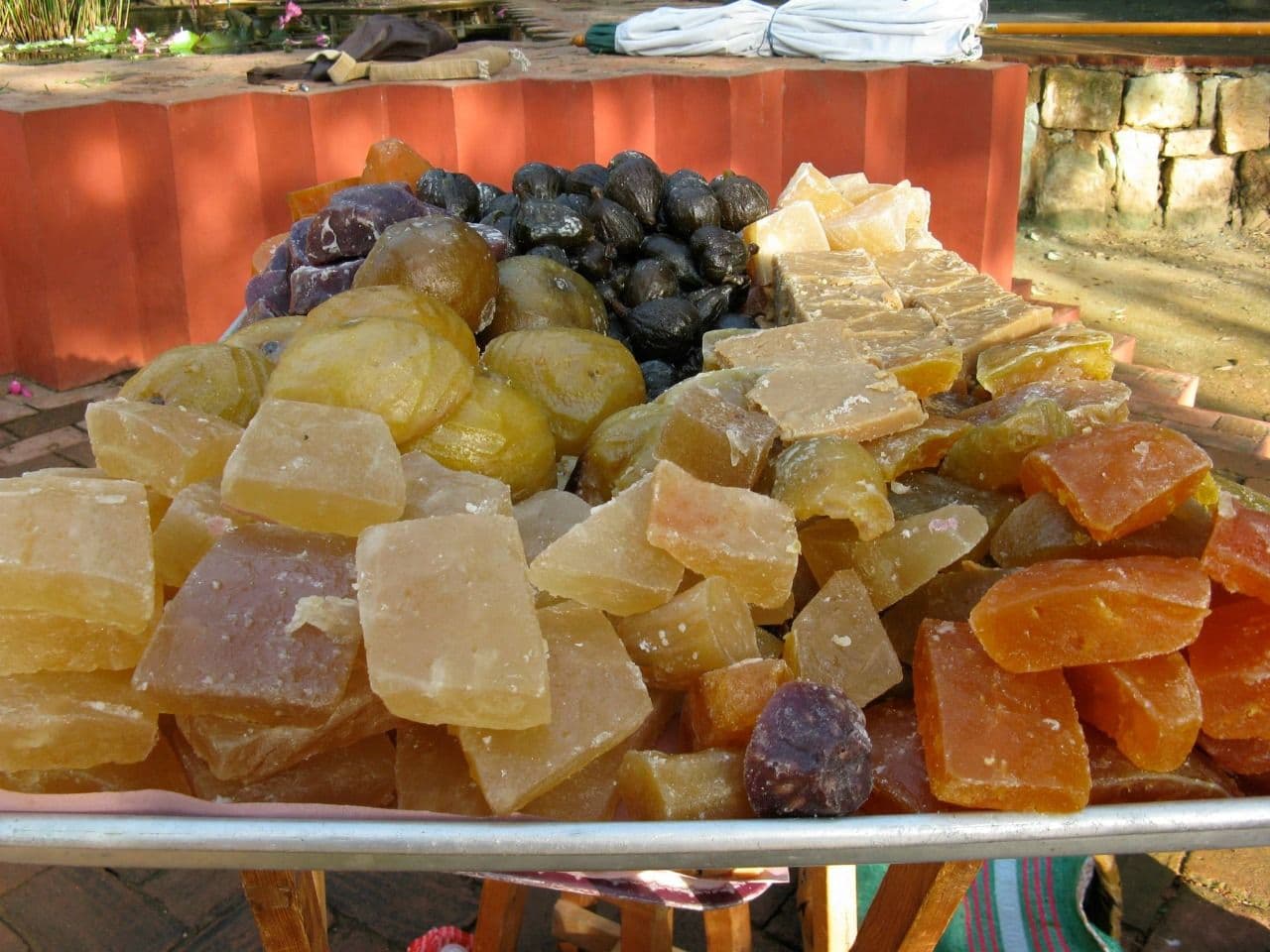
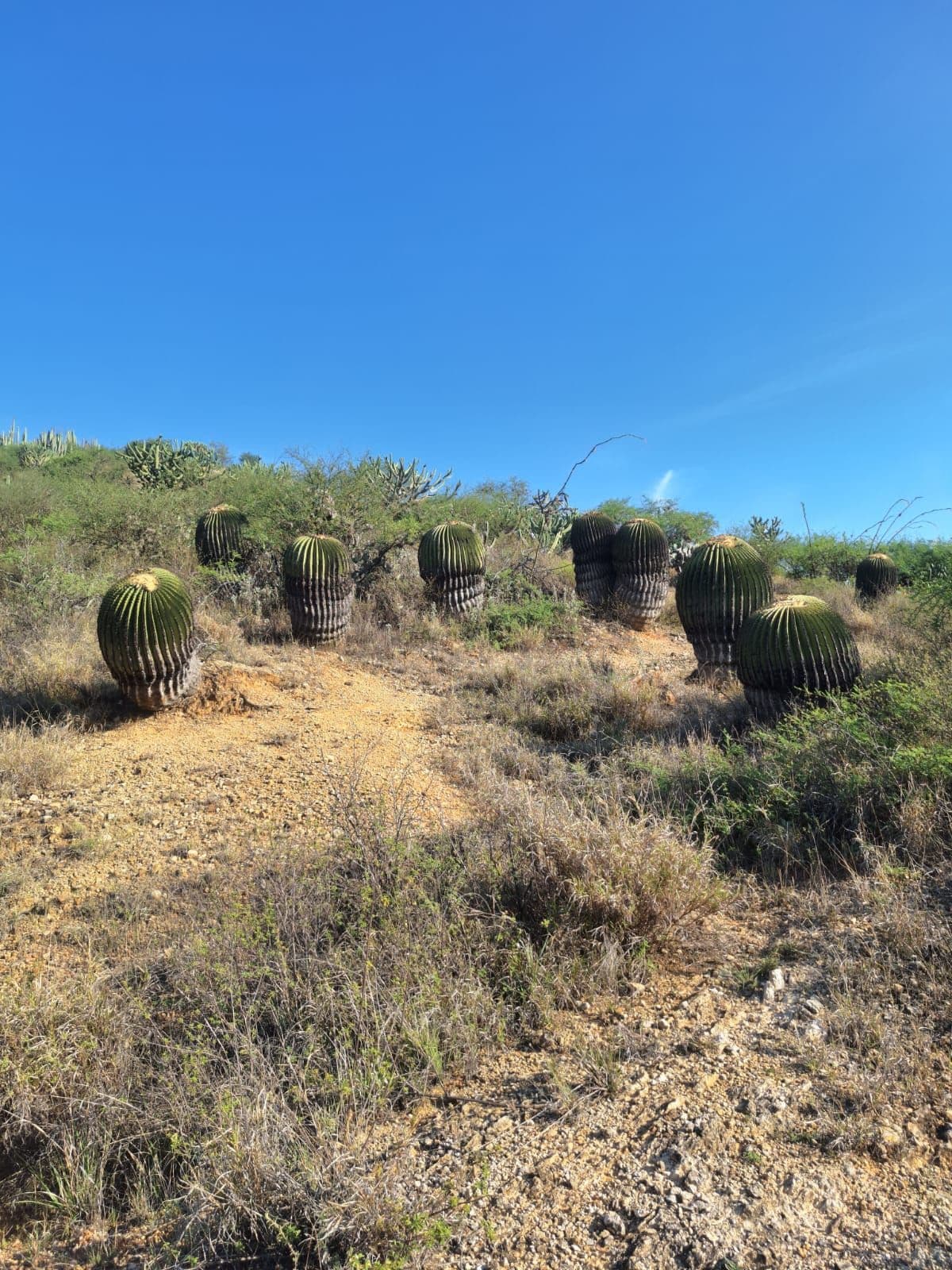
In the Barranca de Metztitlán Biosphere Reserve in Hidalgo, it is increasingly rare to find young populations of the Mexican cactus “biznaga burra”. They have been disappearing due to the extraction of their internal tissue, a fibrous pulp, from which acitron is obtained, commonly used in national festivities for the preparation of chiles en nogada.
Read: The ocean accumulates 100 days of record heat; the Gulf of Mexico records unprecedented temperatures

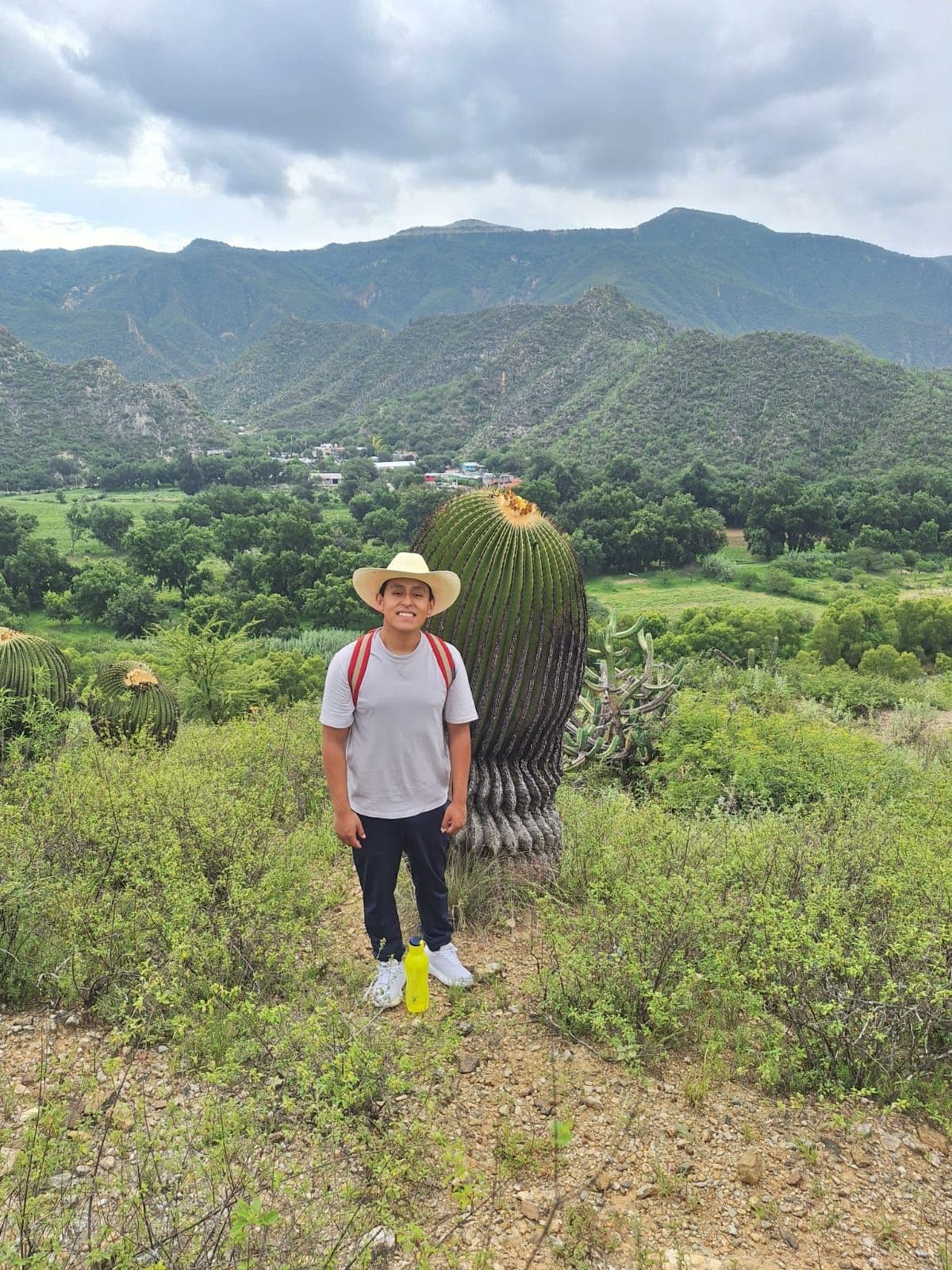
Luis is the owner of the “El Viejito” nursery, located in the city of Pachuca, Hidalgo, where cacti have been part of the landscape of the semi-desert areas and the Barranca de Metztitlán Biosphere Reserve for years. He is a cacti and succulent producer who grew up looking at large biznagas, but now they are found open, dead, due to illegal extraction.
“It's a reality that populations of young biznaga, specifically the species Echinocactus platyacanthus, no longer exist,” he says in an interview with CN Media.
Luis explains that the plant cannot be replaced in short periods. It may require approximately 20 to 25 years to reach certain stages of development, even under favorable greenhouse conditions.
Specialized studies indicate an even longer time scale for adult specimens, used as raw material. In this case, they may need up to 60 years. In the article Acitron, a sweet made with endangered species, published in 2021 by Sergio D. Hernández-Flores and Guadalupe Vargas-Licona of the Autonomous University of the State of Hidalgo, it is pointed out that sometimes specimens that are more than a century old are cut to make candies.
The same work identifies the species Echinocactus platyacanthus, Ferocactus histrix and Ferocactus pilosus as those used to make acitron. The authors point out its vulnerability due to its slow growth, its reduced geographical distribution and the extraction of wild specimens. An article published in the journal Science of the UNAM in 2018 points out that Echinocactus platyacanthus is endemic to Mexico and that in the intermountain valleys, and ravines of Hidalgo and Querétaro, it is also called a bizarre donkey, giant and large barrel.
Luis says that there is no longer a population that measures about 30 or 40 cm in height due to illegal extraction, or they measure 2 and a half meters or barely reach 10 or 15 cm. There are very few plants of intermediate ages.
Those who extract the biznagas are looking for larger specimens, since they are the ones that offer the largest amount of fabric to make the candy. Luis says that a biznaga can grow between one and two centimeters per year, while under controlled conditions it can reach between three and four centimeters of annual growth.
Extraction not only affects biznagas, they also impact pollinators such as bees, flies, some hummingbirds and other birds. Even under the biznagas lives the “torito”, a type of mouse that forms part of that environment; rattlesnakes are their predators.
Acitron, which is made from the spongy tissue inside the stalk of globular cacti, is also used for rosca de reyes, tamales and other products, according to researchers Marco Antonio Vásquez-Dávila and Gladys Isabel Manzanero-Medina in the article Biocultural Conservation of Cactaceae used to make acitron in Mexico, published in 2019 in the journal Cactaceae and Succulents Mexicanas.
You may also like: Just 16 pesos per hectare: Cut compromises the operation of 232 protected natural areas
A species threatened by a culinary tradition
Around 9,000 specimens of biznaga are extracted annually in Zacatecas, San Luis Potosí, Guanajuato, Querétaro and Hidalgo, according to the research Acitrón, a sweet made with species at risk of extinction. The authors point out that the specimens used to make acitron are cut from the base, so they cannot be regenerated.
In contrast, in the insurance records of PROFEPA in Hidalgo, there are hardly any recorded cases of extraction and possession of biznagas. On May 15, 2024, in San Antonio Sabanillas, Cardonal, 63 specimens of Echinocactus grusonii, registered by the authority in green status at the time of the visit, were insured. On March 12, 2025, at the Mining University of Zimapán, nine specimens of Echinocactus platyacanthus were insured.
In another record, corresponding to October 15, 2024, PROFEPA established in the Barranca de Metztitlán Biosphere Reserve the extraction of biznaga, together with sotol, liendrilla and aloe. The document does not specify the number of biznagas involved.
Luis says that there are cases where people who extract biznagas charge about 200 pesos per piece. “In Hidalgo this is very common, it just happened in Ixmiquilpan, for example. The owner, an ejidatario with economic problems, sells his biznagas and then some people buy them to sell them in the markets. This is what happens,” he says.
“(La biznaga) had to have survived a lot of things along the way of her life. Now, in 15 minutes he dies for a candy”, he laments.
Don't miss: Despite a cut of almost 30%, trains absorb a third of the budget against the climate crisis
Not to mention that these are protected species, such as Echinocactus platyacanthus, Ferocactus histrix and Ferocactus pilosus, which are included in NOM-059. Its commercialization is subject to the framework of the General Wildlife Act.
Commercial exploitation can be carried out through Wildlife Conservation Management Units (UMA), under management programs authorized by the Ministry of Environment and Natural Resources (Semarnat).
Luis points out that he has known firsthand about two marketing points. “Here in Hidalgo, they end up in the May Day market, so they told me, and in Mexico City, in the Sonora market.”
Alternatives to avoid extinction
The legal production of cacti is one of the alternatives proposed by both producers and conservation research. Luis works with cultivated specimens and explained that plants can reproduce under management schemes, which make it possible to separate the production of specimens destined for sale from the extraction of wild populations.
Meanwhile, research by Vásquez-Dávila and Manzanero-Medina (2019) explains that the use of biznagas to make this dessert is part of a historical transformation of the recipe. Acitron arrived in Mexico as a sweet of European origin prepared with the thickened epicarp of the citron or grapefruit, Citrus Medica. During the colonial period, this raw material was replaced by globular cacti. “This is how the story of the unsustainable use of these plants began,” say the authors.
Vásquez-Dávila and Manzanero-Medina are also proposing alternatives to reduce pressure on wild populations. These include the establishment of exclusion areas to reduce human extraction and the consumption of plants by grazing animals, as well as the cultivation of species used to produce acitron.
The proposal also covers the recipe itself. The researchers plan to recover the preparation with the raw material originally used or to use cultivated species of Opuntia to make jams. “The original citrus fruit is from grapefruit (Rutaceae) and not from 'biznagas' (Cactaceae)”.
They even argue that conservation requires considering the biological characteristics of these species: they have long life cycles, slow growth and a natural distribution restricted to Mexico.
Luis agrees that the reproduction of biznagas depends on a series of interactions that begin with pollination. A mother plant needs to be pollinated by another and, based on their experience in the nursery, this process depends on specific animals.
After pollination, the fruit is formed, which contains numerous seeds, although environmental conditions make it difficult for them to germinate. Even in the greenhouses where they reproduce them, Luis says that seeds can be affected by fungi and die, so only a proportion of them can grow.
The biznaga forms part of a network of relationships with other organisms in the semi-desert. Plants rely on animals for pollination and that other organisms use the plant as food or shelter.
“So you're not just taking the biznaga you're killing, you're taking the pollinator, the animals that feed on it or that live inside it,” he concludes.
It may interest you: Probe leak causes new oil spill in the Gulf of Mexico


Comentarios (0)