
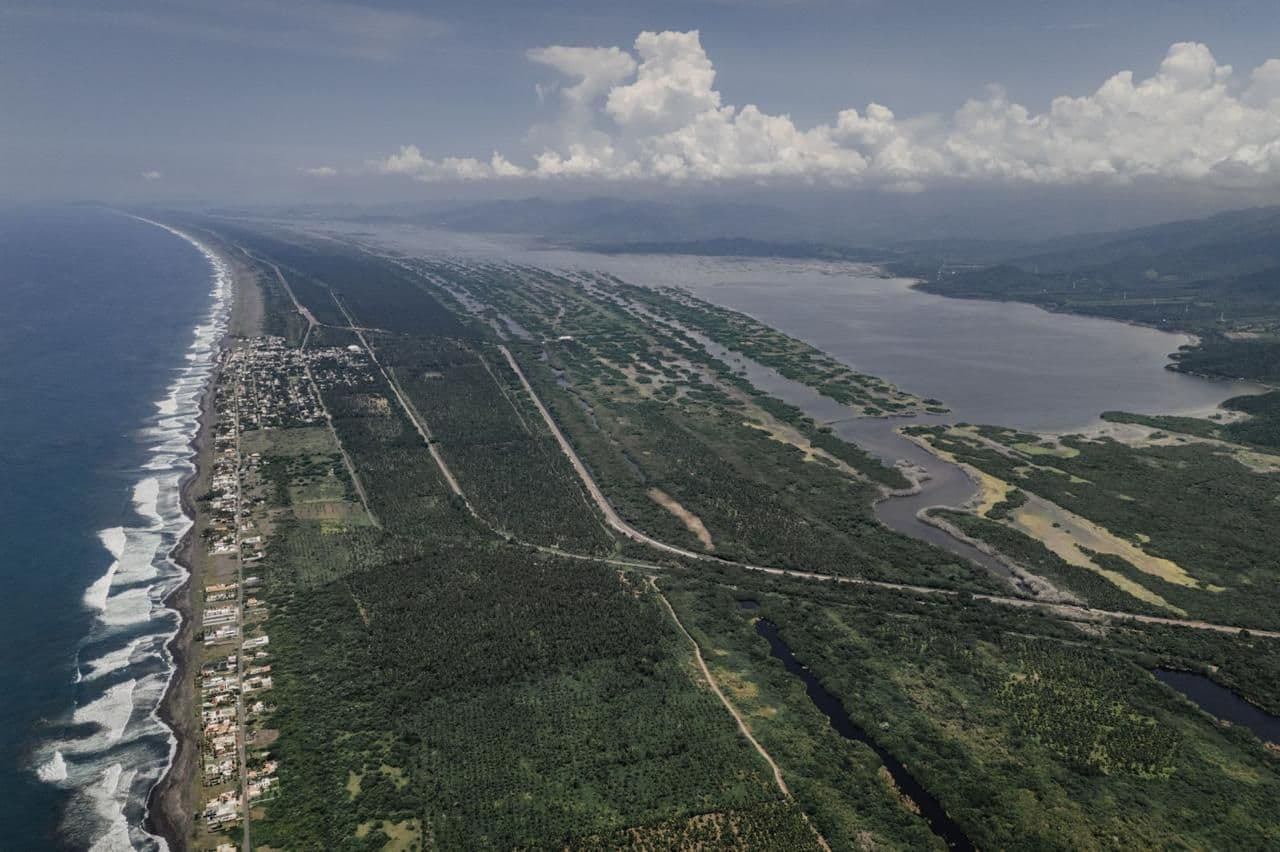
The Salvemos Cuyutlán collective filed an amparo lawsuit to stop the expansion of the port of Manzanillo, in Colima, due to possible damage to the mangrove forest, to the balance of the lagoon and to the communities that depend on it, as well as for alleged deficiencies in environmental assessment.
The collective's main concern is the transformation of the wetland and its effects on fishing and salt communities.
“When you expand it, what would overwhelm you first is the mangrove, which is a natural cushion where any hurricane or tropical storm naturally stops waves or winds as a barrier,” explained Yerania Valencia, spokesperson for the collective, in an interview with Causa Natura Media.
Valencia warned that four dredges are currently operating in the lagoon. These machines suck sediment from the bottom to increase depth and facilitate the passage of boats. “It's basically like a gigantic vacuum cleaner,” he added.
According to the spokeswoman, the sediments accumulate materials for many years and may contain heavy metals.
The spokeswoman pointed out that dredging affects the organisms that inhabit the bottom, by muddying the water and dispersing the components present in the sediments. He warned that extracted sludge can settle on the banks and affect neighboring land. The collective is documenting the impacts and has reported these possible effects.
The first phase of the project involves the dredging of the Tepalcates canal, the opening of a new navigation channel, the construction of docks and a platform for future container and fluid terminals in Vessel II of the lagoon.
Salvemos Cuyutlán warns that these works could alter tidal flow and affect the mangrove, an ecosystem that helps protect the coast and supports habitats on which different local activities depend.
Valencia explained that the mangrove and the lagoon are home to different species and receive migratory fauna: “migratory birds arrive from Canada, turtles arrive, it is home to crocodiles, it is home to thousands of fish and shrimp larvae that, precisely under these conditions, provide support to many families.”
Salvemos Cuyutlán used amparo to challenge decisions that allow port expansion and the environmental assessment procedure. The collective argues that these measures jeopardize the environmental heritage of the lagoon and violate the human rights of the communities that depend on it.
The Manzanillo Integral Port Administration, currently the Administration of the Manzanillo National Port System (Asipona), which reports to the Secretariat of the Navy (SEMAR), promoted the project to incorporate new infrastructure into the facilities of the San Pedrito inland port and increase port capacity.
The Semarnat Ecological Gazette DGIRA/0016/25, published on April 10, 2025, registered the project Development of Puerto Nuevo Manzanillo, in Vase II of Laguna Cuyutlán, Col. stage 1. The document indicates that the area planned to build the canal in the northern area of Vase II includes a fraction of Crocodiles II Island, equivalent to 27,970 square meters — 2,797 hectares — that would be removed.
That means it will impact the lives of coastal communities in western Colima. “That's our reason to defend it and promote non-expansion in this place where the government has assigned it to expand,” Valencia explained.
The movement brings together people from different disciplines and sectors. “We are a heterogeneous group composed of biologists, lawyers, engineers, activists, students,” Valencia said, explaining how the citizen organization began to defend the lagoon.
The most recent: Why did Mexico reduce the protected area of the Vaquita Marina?
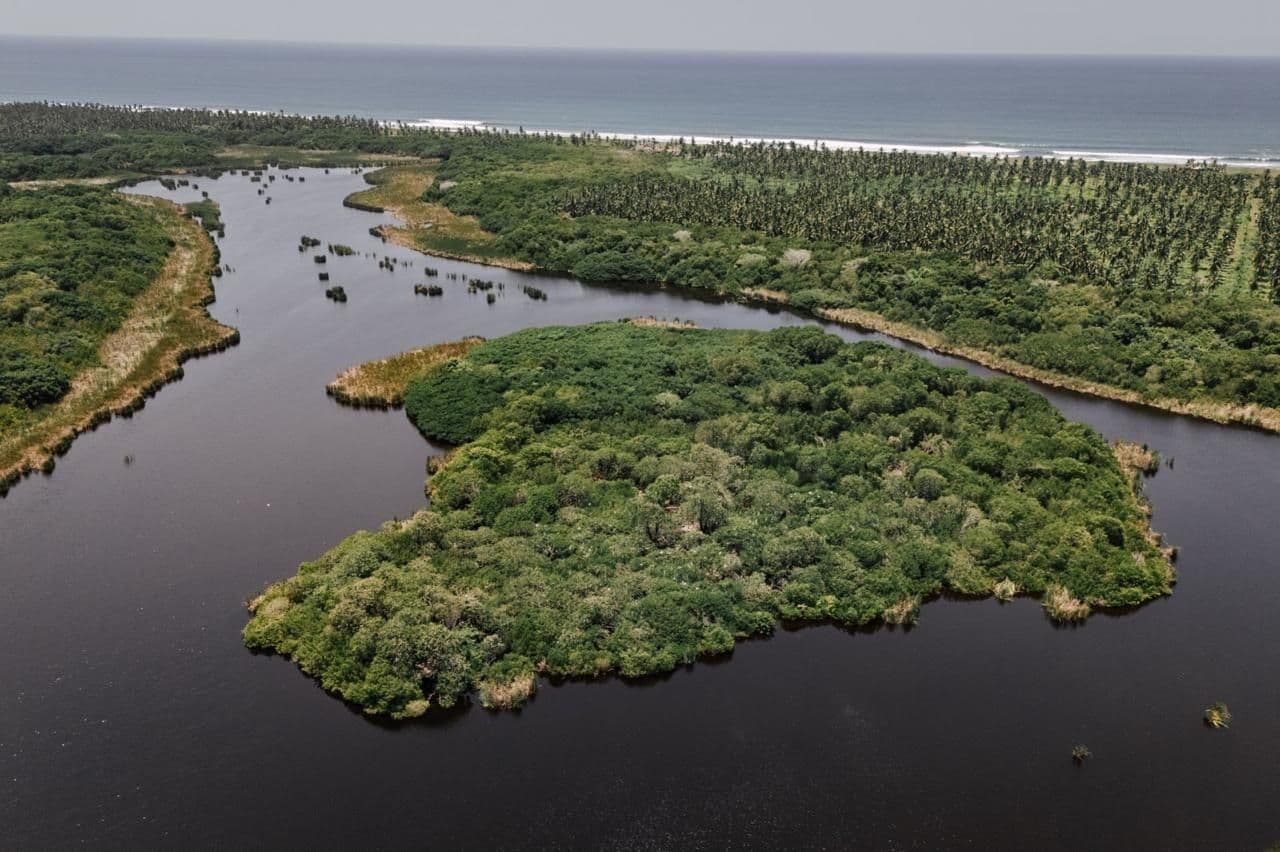
Communities are concerned about the effects
The Ecological Gazette describes other interventions planned for the first stage: the installation of sheet metal (type of screen or flexible containment structure formed by the successive attachment of prefabricated elements) to form a filling platform, the rehabilitation and construction of auxiliary roads and two camps that will function as material warehouses, minor repair shops and patios for heavy machinery.
The collective argues that the environmental assessment has deficiencies in the analysis of the comprehensive functioning of the lagoon. In the document with which he announced the amparo, he points out that the Environmental Impact Statement does not contain sufficient information about the regional environmental system or about the cumulative impacts of the project.
The paper also questions the consequences of peripheral platforms on tidal flow. According to the collective, the summary of the Environmental Impact Manifestation, MIA-R Regional modality, recognizes that these works would alter water circulation and increase their residence time. The organization believes that these changes should be examined in the light of the legal provisions that protect the mangrove.
In that same document, Salvemos Cuyutlán reports that the project contemplates the removal of 21.87 hectares of mangroves and the dredging of more than 97 million cubic meters of sediment.
For Valencia, the transformation of the wetland also jeopardizes the region's traditional productive activities. Shrimp fishing and salt production depend on the ecological conditions of the lagoon, where crocodiles, fish and other species live, in addition to receiving migratory birds.
“That's precisely where the Cuyutlán salt flats originated,” he explained. Regarding the continuity of this activity, he added that “these salt cooperatives as such have a tradition from grandfather to son, to grandchildren, passing on the salt wells”.
In case you missed it: Civil organizations demand that Pemex be held to account for the environmental damage caused by its oil activity
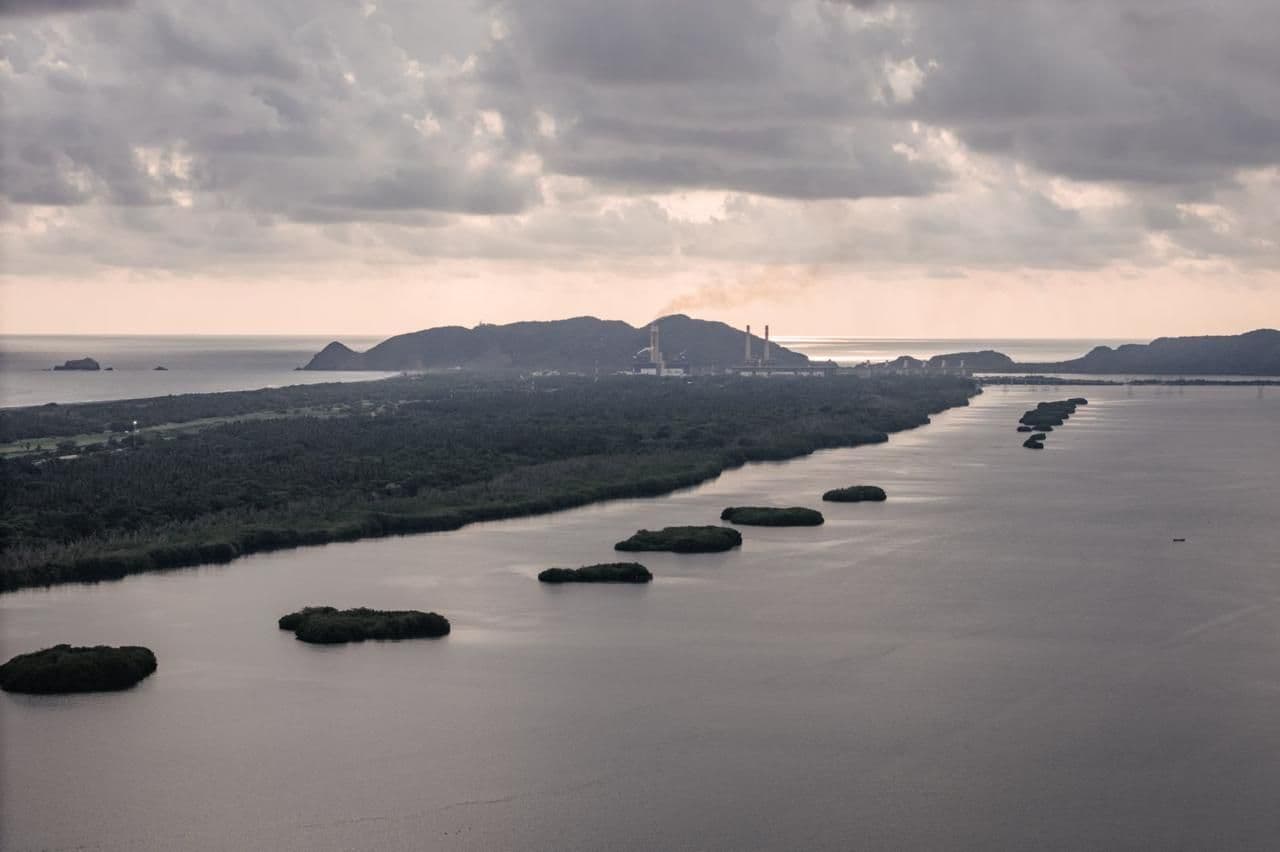
Sheinbaum said that the project was already approved.
The rejection of the project reached the presidential agenda. Valencia reported that, during a visit by Claudia Sheinbaum to Colima, members of the collective, fishermen and salt miners gathered to express their rejection of the port expansion. According to his testimony, around 250 people participated in the mobilization.
The spokeswoman said that she later managed to speak directly with the president and explained to her the effects that, in the opinion of the collective, the communities would face. According to Valencia, Sheinbaum responded that there would be no impact and stated verbally that the Environmental Impact Statement was already approved.
Salvemos Cuyutlán has held marches, submitted written documents to environmental authorities and taken legal action to question the project. The organization also plans to explore alternatives to expand port capacity without affecting the lagoon. “Well, right now the only thing that's buying us time is protection,” Valencia said of the collective's legal strategy.
The amparo seeks that judicial authorities review contested acts and arguments related to human rights, environmental protection and community participation.
The collective maintains its demand that the impacts of the project be comprehensively evaluated and that the affected sectors are guaranteed to intervene in decisions about the future of Laguna de Cuyutlán.
The latest: Defending the territory against the law: How do amparo reforms hinder environmental justice in Mexico?



Comentarios (0)