
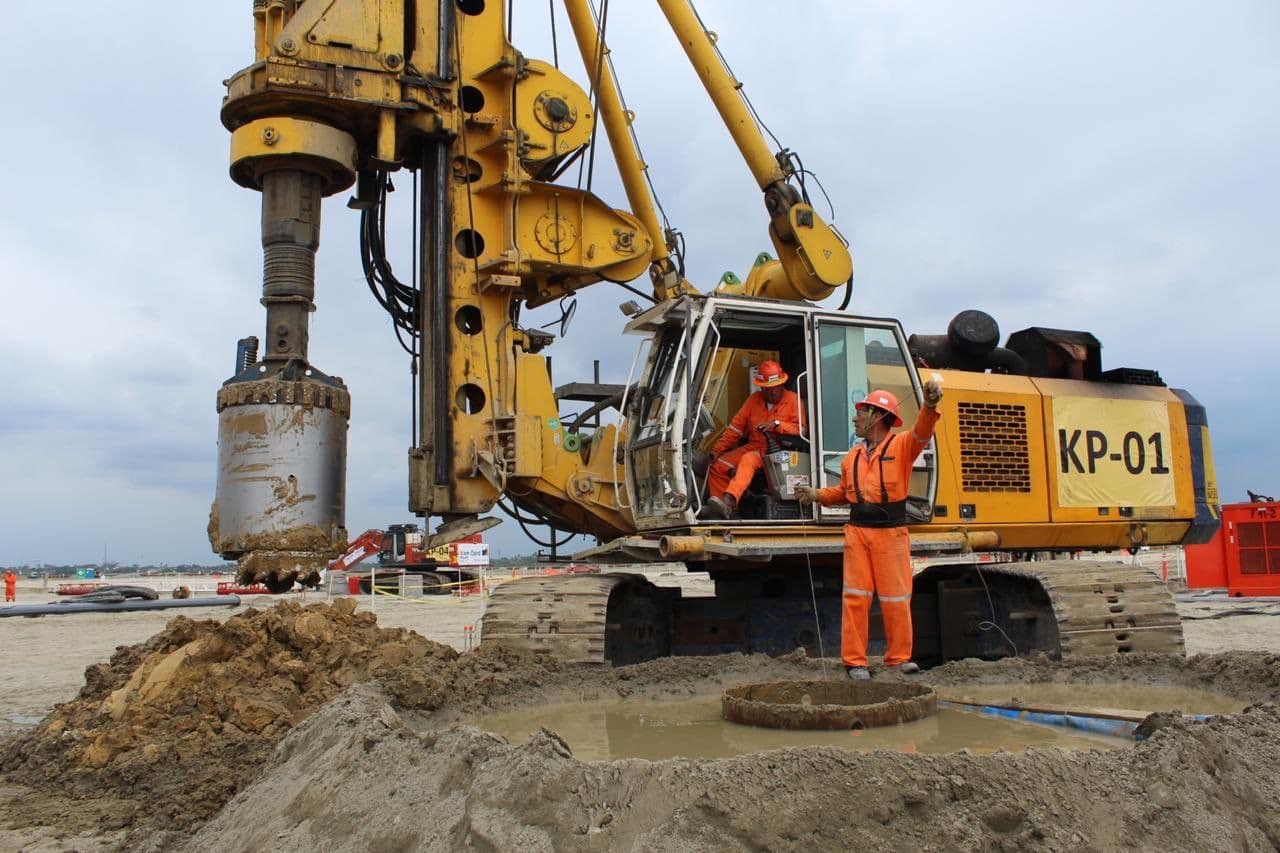
The strategy that should guide Mexico's energy transition remains unpublished, seven months after the deadline established by law expired.
While the federal government is promoting new renewable capacity, it is also considering combined-cycle power plants, an expansion that specialists are asking to evaluate within a comprehensive energy policy.
The Energy Planning and Transition Act, published on March 18, 2025, gave the Energy Secretariat 365 calendar days to publish planning instruments for the sector. The deadline was March 2026.
For Luca Ferrari, senior researcher at the Institute of Geosciences of the UNAM, the strategy must go beyond changing generation sources and reviewing the consumption and production model.
The latest: Los Cabos after the storm: an hour of rain exposes urban deficiencies in Baja California Sur
The plan announced by Sheinbaum
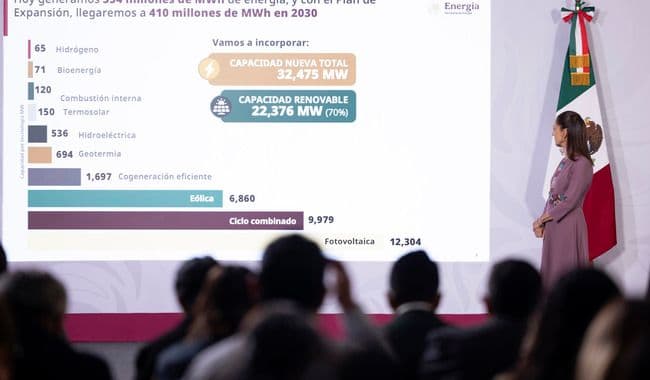
On June 24, President Claudia Sheinbaum dedicated her morning conference to the Renewable Energy Growth Plan in Mexico. Presenting the topic, he said that one of his main virtues was to “increase energy sovereignty”. “The sun, the wind, the geothermal energy, are available energies that guarantee sovereignty; we don't need to import, because we are going to use the sun, the wind, the geothermal energy, the biomass,” he explained,
The Secretary of Energy, Luz Elena González Escobar, explained that the plan contemplates adding 32,000 megawatts of additional electrical capacity by 2030. Of that total, 22,000 megawatts — about 70 percent — would come from renewable sources, including solar, wind, geothermal and solar thermal energy.
The CFE will also carry out maintenance and modernization work on hydroelectric power plants, in accordance with the plan. González explained that the system will require strong capacity to support solar and wind generation, whose production depends on the availability of sun and wind.
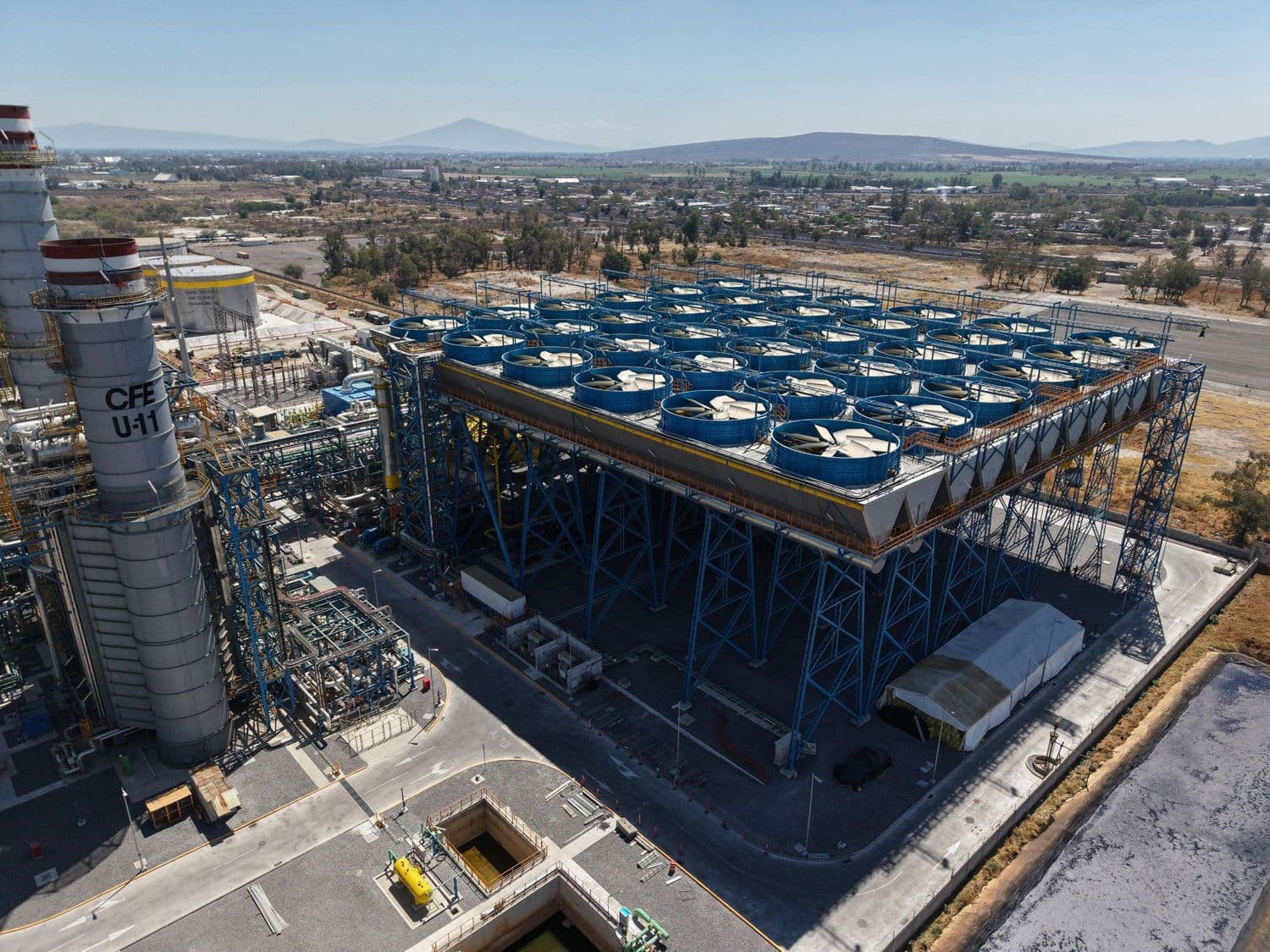
In this context, it announced five new combined cycle plants, with a combined capacity of 9,900 megawatts. The official said that the increase in renewable sources will make it possible to avoid additional consumption of natural gas. At the same conference, he stated that the plan would prevent the construction of 55 combined cycle power plants that, according to his presentation, would have been necessary to cover this new generation.
In case you missed it: Who can afford an electric car? : Electrifying transport, young people's commitment to accessible mobility
“They're not replacing gas, they're adding”
Ferrari believes that the renewable expansion announced by the government is not equivalent, in and of itself, to a reduction in fossil infrastructure. “The issue is that gas power plants, combined cycle power plants, are also still being built,” he says in an interview with CN Media.
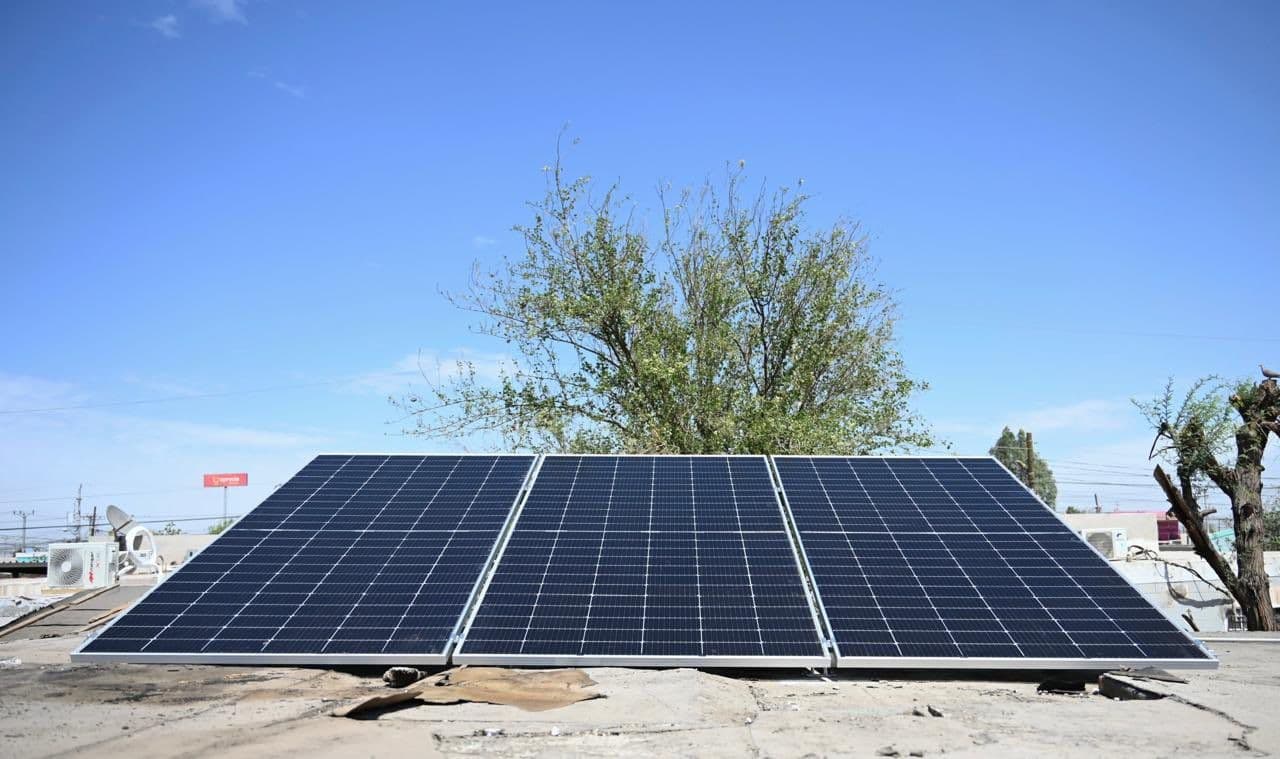
The researcher explains that solar and wind power generation needs support when weather conditions limit their production. To address this variability, he points out, storage and planning are required to define where to install new capacity, of what type and in what proportion. “Renewables aren't replacing gas, they're adding up,” he summarizes.
From their perspective, the transition cannot be evaluated solely by the number of solar panels or wind turbines that are incorporated into the system. It must also consider the total energy demand, the use of raw materials, and the environmental effects of the infrastructure being built. “We need to reduce energy and raw material consumption,” he says.
Ferrari adds that a long-term strategy would have to review the economic model and production priorities, instead of assuming that electricity demand growth will continue indefinitely.
Planning and investment decisions Richard Becker, responsible for community project development and training at Hackers for Our Future, points out that the law introduced a change by establishing binding planning for the energy sector.
The National Energy Transition Strategy, the Electricity Sector Development Plan and other instruments should guide decisions on infrastructure and generation, he says.
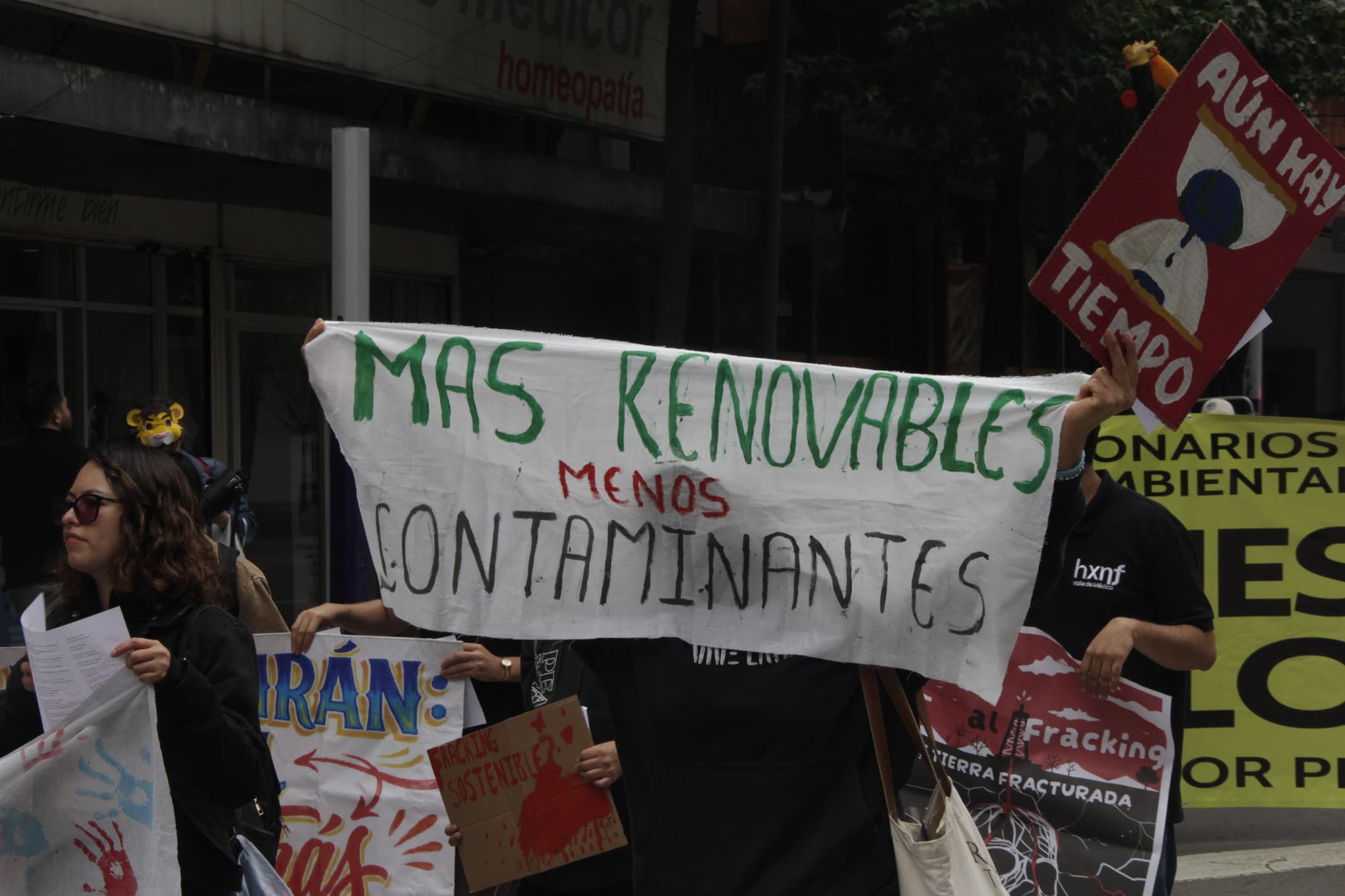
Becker explains that the publication of the strategy is urgent because budgetary and investment decisions are already under way. “We urge that the national energy transition strategy be published and that the discussion be opened to build more sustainable and just futures.”
The member of Hackers for Our Future questions that the debate is limited to replacing one source of generation with another. “Not just exchanging fossil electrons for renewable electrons, but thinking about how we relate to energy and territory,” he says.
For Becker, this discussion must incorporate communities and recognize their role in energy decisions. It also asks to review how some technologies are classified. “Why are technologies classified as renewable or clean based on the burning of fossil fuels?” , asks, with reference to the use of waste heat in combined cycle power plants.
You may also be interested: Scientists warn of the increase in deaths due to heat worldwide and ask to recognize a health emergency
Gas, Dependency and Transparency
Ferrari recalls that the expansion of the gas infrastructure began several decades ago and was maintained through different administrations. Combined cycle power plants and gas pipelines are long-term investments, so their effects extend beyond the period in which they are built.
The researcher points out that Mexico depends on natural gas imports and warns that renewable generation alone will not resolve this dependence if demand continues to increase and new sources are incorporated without displacing fossil generation.
It also calls for improving the availability of public information to evaluate energy policy. In his opinion, the concentration of data in the institutions of the sector and the delays in updating them make it difficult to know in good time the production, consumption and behavior of hydrocarbons.
“Monthly, detailed and accessible information is needed.” Ferrari argues that a strategy must consider the entire energy system, including transport, which represents an important part of national consumption.
The expansion of renewable electricity, he says, must be accompanied by measures that reduce fuel use and energy demand. Announced projects and approved permits The CFE has reported the entry into operation of several power plants between 2025 and 2026, and maintains combined cycle projects scheduled for 2030 in Tula, Mazatlán, Altamira and Salamanca.
There are five new combined cycle power plants included in the plan presented by Sheinbaum in June, in addition to four projects that the CFE is planning for 2030. Becker insists that the discussion must include the destination of public resources and the consequences of energy decisions for communities.
“Nobody cares about electrons, but we care about our rights,” he says. Ferrari agrees that the transition must incorporate social and environmental criteria, in addition to technological ones. “Social justice must also be considered,” he says.
Don't miss: The richest pollute the most, but communities face the consequences of the climate crisis: Oxfam


Comentarios (0)