
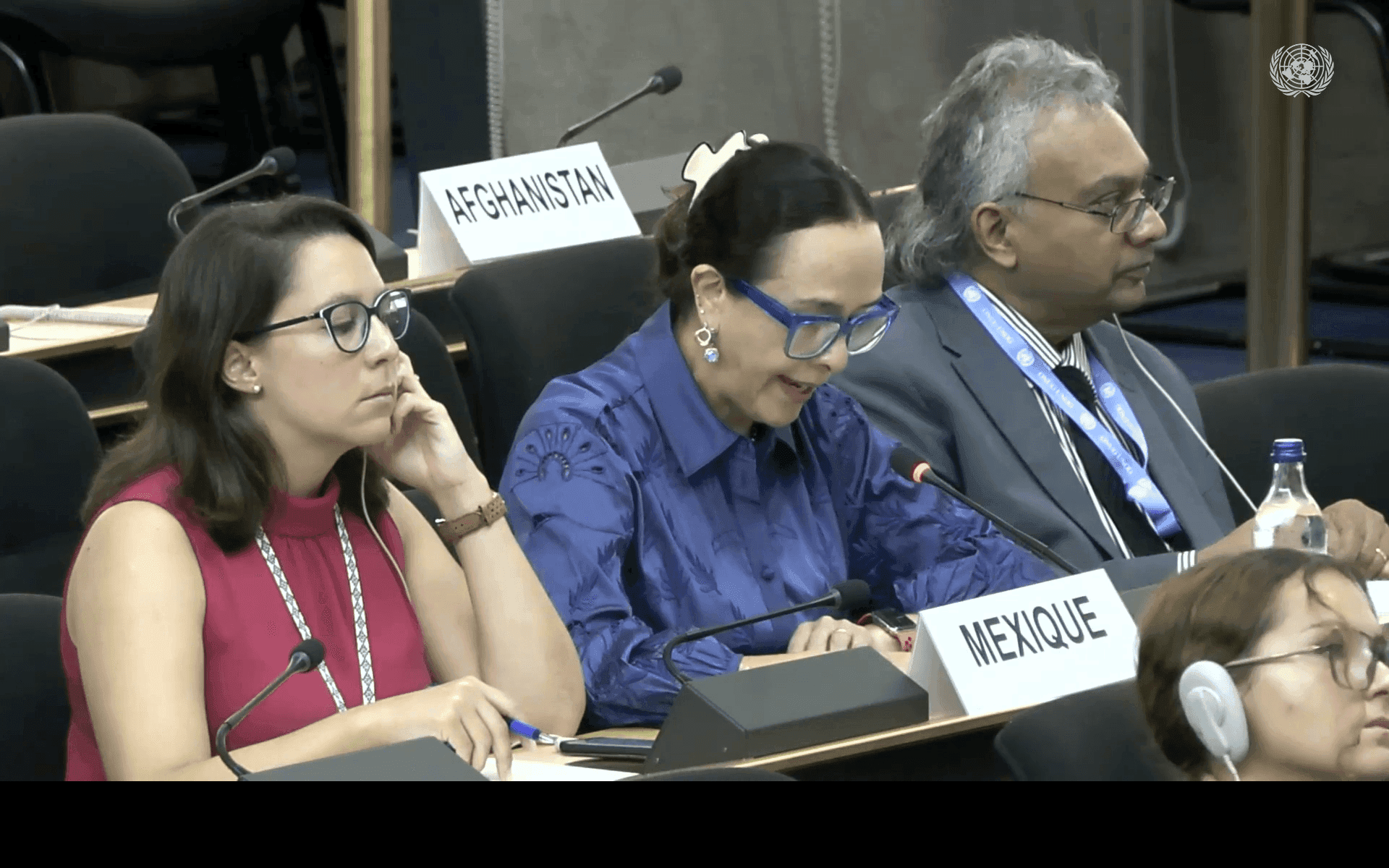
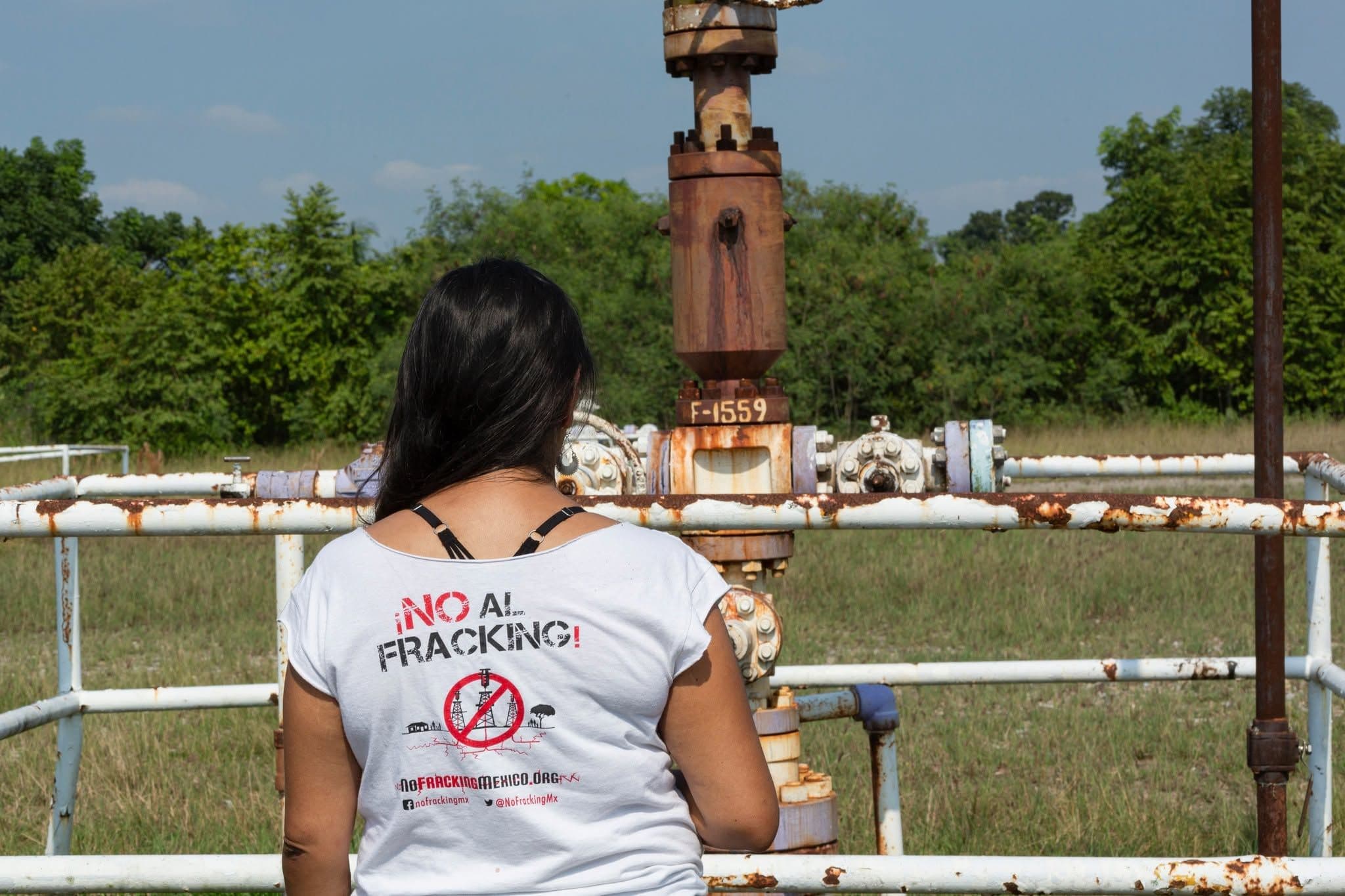
The new UN Special Rapporteur on toxic substances and human rights warned Mexico about the risks of chemical substances and hazardous materials associated with fracking. In response, the Mexican government maintained that it does not allow this practice, although it admitted that it “evaluates” the use of technologies and operations with a lower environmental impact.
On September 14, 2026, during the ninth meeting of the 63rd session of the UN Human Rights Council, the new Special Rapporteur, Bethanie Carney Almroth, presented a report on Mexico. In his first speech to the Council, he noted that chemical substances and hazardous materials go through different stages of industrial activities and can reach air, water, soil and food and, finally, the human body.
He also highlighted that its effects unevenly affect workers, women, girls and boys, indigenous peoples, people of African descent, people in situations of poverty and front-line communities.
After Almroth's intervention, Mexico fixed its position. “Let me stress that in Mexico we don't allow fracking, but we are evaluating the use of technologies and operations with lower environmental impact,” said Mexico's ambassador to the United Nations, Francisca Elizabeth Méndez Escobar.
Later, he added that, if these alternatives cannot be used “without affecting the environment or the population”, the government will not undertake new projects in low-permeability reservoirs. He also noted that a group of scientists is currently analyzing alternatives, since “toxic chemical compounds should not be used in drilling fluids.”
The ambassador highlighted that Mexico has developed “the national program for the remediation of contaminated sites” and a federal circular economy law that incorporates “extended producer responsibility.” He also noted that the regulatory framework requires the hydrocarbons sector to demonstrate environmental and social impact prior to any project, with prevention, mitigation and remediation measures.
In case you missed it: From acitrón for chilli in nogada to extinction: In Hidalgo, they fight to save the giant biznaga
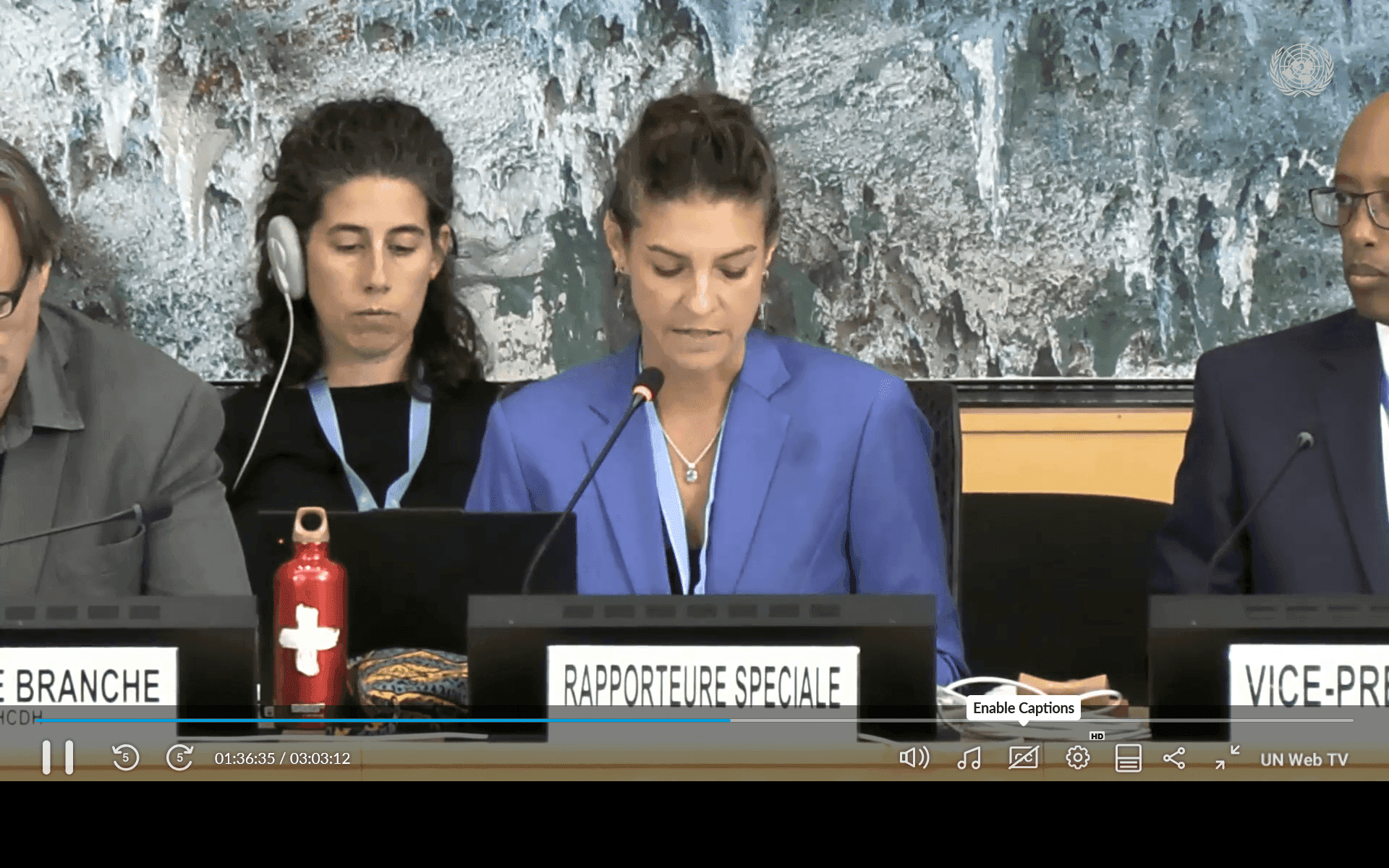
The report on Mexico prepared by Marcos A. Orellana, who was UN Special Rapporteur on toxic substances and human rights between August 2020 and August 2026, warns of the risks of the hydrocarbon sector, including the potential use of hydraulic fracturing to extract fossil gas. Orellana made her official visit to Mexico from March 9 to 20, 2026, and documented lung, kidney and neurological damage in different communities exposed to toxic substances, as well as diseases such as cancer, miscarriages, autism and chronic pain. At the end of her second term, Bethanie Carney Almroth took office in August of 2026.
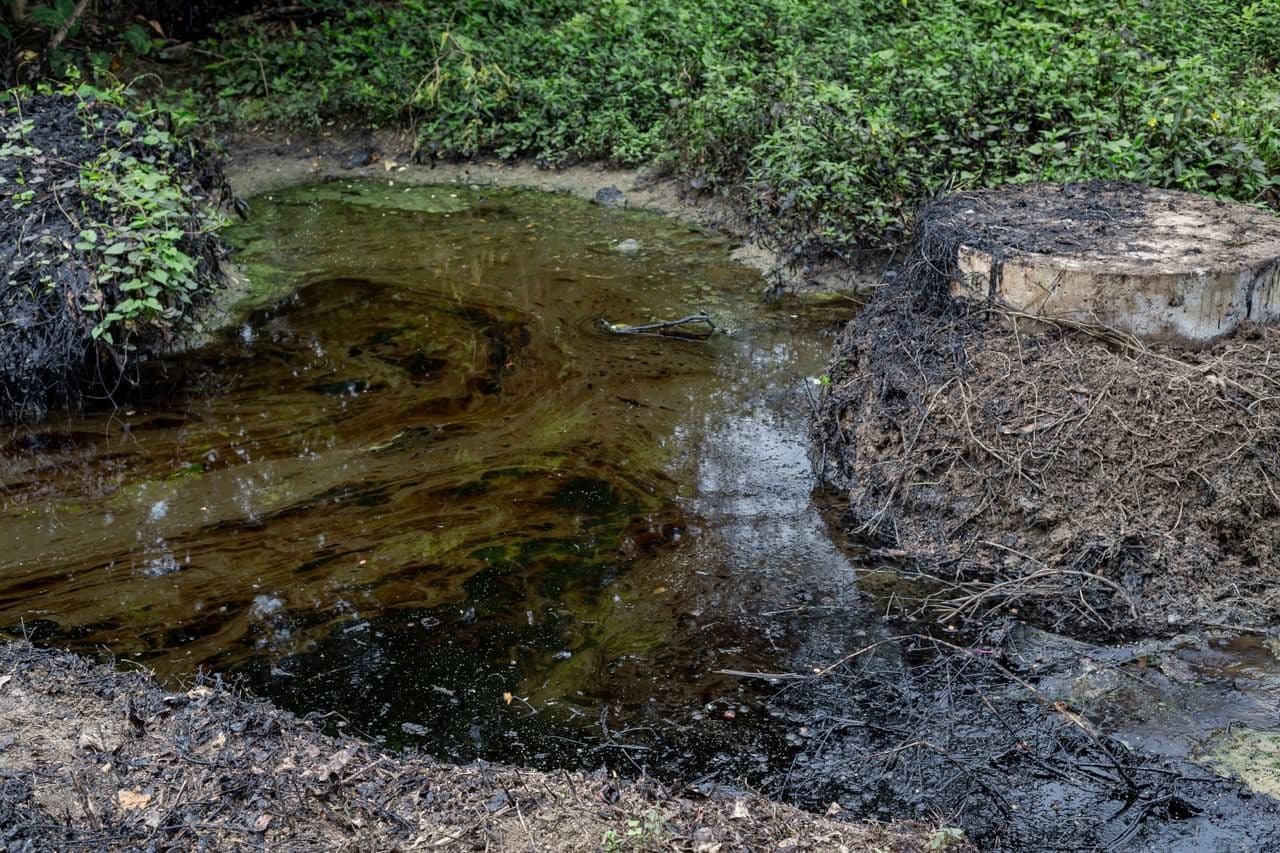
Fracking, he said, uses and generates “an alarming amount of toxic fluids that contaminate groundwater, aquifers and other elements of the environment,” while wastes from this industry, particularly polycyclic aromatic hydrocarbons, can persist for years. The report also documented that activities related to fossil fuels disproportionately affect impoverished communities, women, girls, boys and youth, indigenous peoples and peasant communities.
Areli Sandoval Terán of the Mexican Alliance against Fracking recalls in an interview with CN Media that there are communities in Mexico that have already lived with the hydrocarbon industry for years. In Veracruz, he explains, there are territories where populations have faced accidents, explosions and spills, with remediation processes that in several cases have been late or have been insufficient.
Don't miss: Despite a cut of almost 30%, trains absorb a third of the budget against the climate crisis
Committee of Scientists proposes to use less harmful alternatives
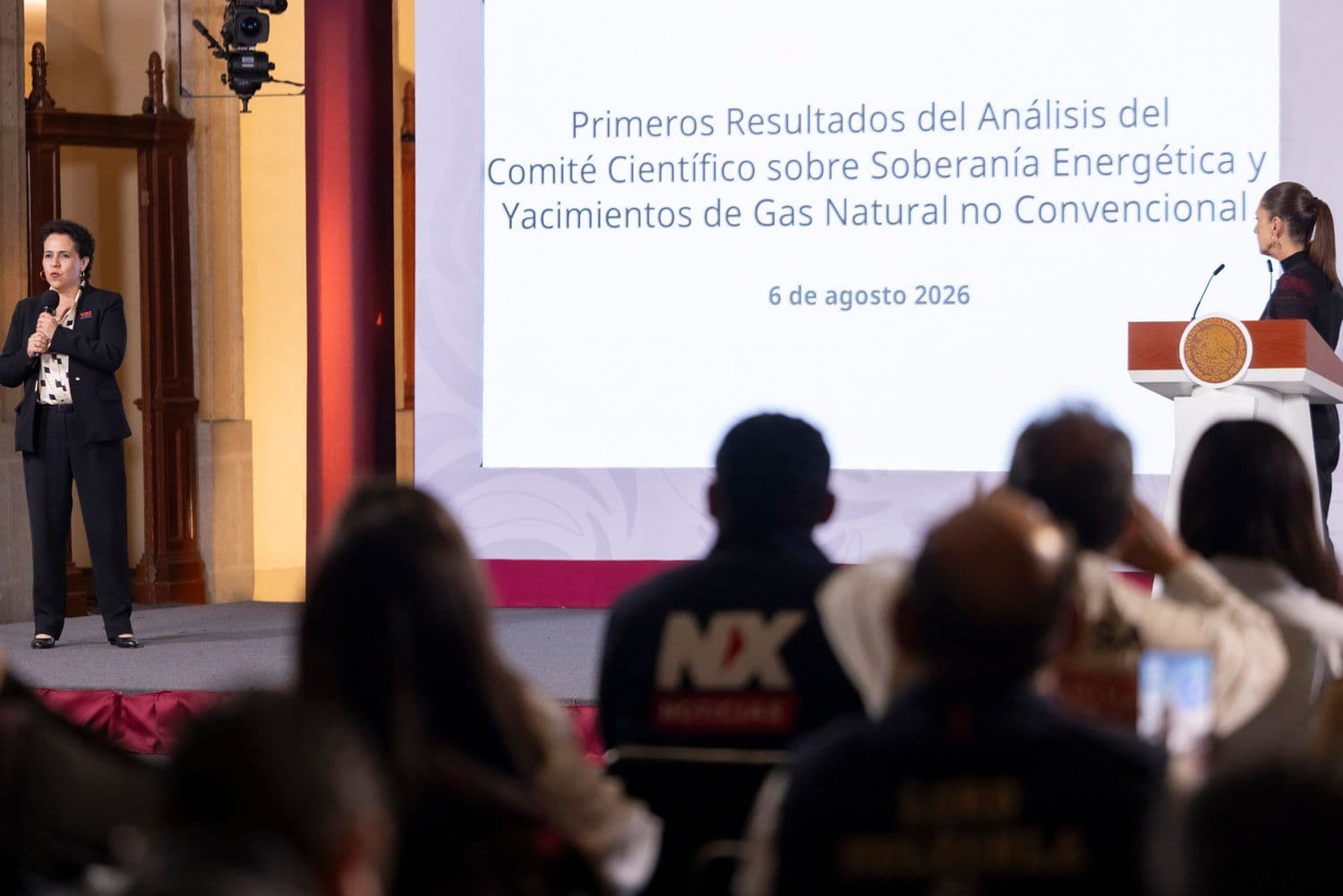
On August 6, during the presentation of the conclusions of the Committee of Scientists and Specialists for the Analysis of Unconventional Natural Gas Exploitation, President Claudia Sheinbaum explained that the government is analyzing new technologies to take advantage of unconventional gas deposits.
The Committee proposed carrying out exploration wells in the Sabinas-Burro-Picachos basins, in Coahuila and Nuevo León, and Burgos, in northeastern Tamaulipas, to determine the availability of salt water and the presence of gas, in addition to maintaining the ban on fracking extraction in the Tampico-Misantla basin. The Committee's presentation gives substance to the evaluation of lower impact technologies to which Mexico referred to the Human Rights Council.
You may also like: Just 16 pesos per hectare: Cut compromises the operation of 232 protected natural areas
In this regard, Areli recalled that in the case of Tampico-Misantla, communities seek to have their position legally supported because “words do not guarantee us anything”. So they demand a legal ban on fracking.
Right now, in Huasteca Potosina, Tének and Nahuatl communities are holding meetings and agreements to reject fracking, while in other areas of the northeast of the country there is concern about the possibility of carrying out exploration in unconventional deposits.
“The mere possibility of an intensive fracking activity starting in the country obviously dismayed communities,” Sandoval says.
Mexico's declaration before the Human Rights Council requires moving from discourse to verifiable actions, Areli says. For the specialist, saying that the country will not allow fracking while lower impact technologies are being evaluated leaves open a discussion that must be accompanied by transparency about the alternatives being analyzed by the government and their possible effects. “Not just speeches or words, but concrete actions, so that information is transparent,” he says.
Regarding the possibility of using less toxic substances in drilling fluids, Sandoval argues that this does not eliminate the risks associated with the technique. “There is no sustainable fracking, no matter how much they tell us that they are going to use less toxic substances, that doesn't mean that they are no longer toxic.”
The position of the Mexican Alliance against Fracking, which has been working since 2013 to ban this technique, is summarized in a phrase from Sandoval at the end of the interview: “Neither here, nor there, nor today, nor ever!”
Read: The ocean accumulates 100 days of record heat; the Gulf of Mexico records unprecedented temperatures


Comentarios (0)