
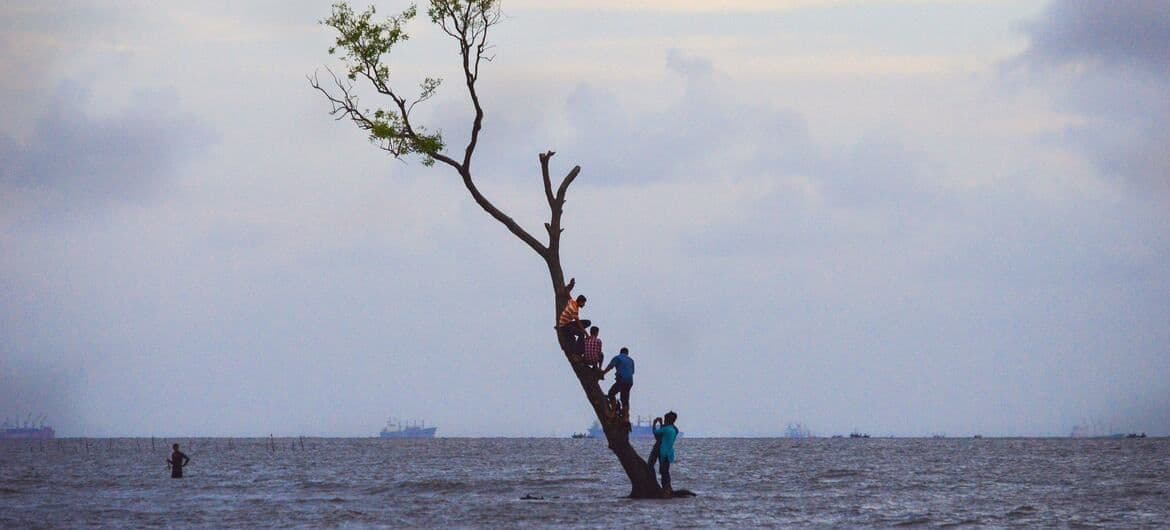
Five days before world leaders meet in Antalya, Turkey, to participate in COP31, the United Nations Environment Programme (UNEP) warned that international funding for adaptation to climate change falls far short of the needs of developing countries.
The agency estimates that, even if the objective of tripling these resources by 2035 is met, they would cover between 20 and 29 percent of the required funding.
The warning is part of the Adaptation Gap Report 2026: Ready? Not., published last November 4th. The document estimates that 155 developing countries will need between 255 billion and 328 billion dollars annually over the next decade to finance adaptation measures. The central estimate stands at around 305 billion dollars annually by 2035.
The calculation is based on needs identified in nationally determined contributions (NDCs) and national adaptation plans (NAP). UNEP notes that these estimates largely exclude the needs of the private sector, whose incorporation could almost double total funding requirements. The agency summarizes the problem in one sentence: “Climate impacts are accelerating, but adaptation actions are not progressing at the same pace.”
The report identifies three dimensions of this gap: insufficient resources for adaptation, institutional conditions that limit the implementation of measures, and the increase in losses and damages associated with climate impacts.
International financing for adaptation allows developing countries to prepare their territories, economies and public services for the effects of climate change, such as developing infrastructure resistant to floods and cyclones, improving water supply systems, protecting agricultural production from extreme droughts and rains, strengthening early warning systems and reducing risks for communities exposed to heat waves and other climatic phenomena.
According to the Organization for Economic Cooperation and Development (OECD), adaptation funding provided and mobilized by developed countries increased from 10.1 billion dollars in 2016 to 13.3 billion in 2017, 17 billion in 2018, 20.3 billion in 2019, 28.6 billion in 2020 and 24.6 billion in 2021, reaching 32.4 billion in 2022. This last figure includes public resources and mobilized private funding.
UNEP uses a more specific measure for international public adaptation flows: it estimates that resources transferred from developed to developing countries increased from 22 billion dollars in 2021 to 28 billion in 2022.
The most recent: The energy transition is still without a strategy despite the deadline, while gas projects are progressing

International funding is growing slowly
International public funding flows for adaptation, from developed to developing countries, reached between 28,200 and 31,700 million dollars in 2024. The increase compared to 2023 was just $1 billion, according to the report.
Growth remains below the pace needed to meet the Glasgow Climate Pact objective, which aims to reach approximately 40 billion dollars annually by 2025, double the level recorded in 2019.
UNEP estimates that tripling current flows would mobilize between 85 billion and 120 billion dollars annually by 2035. That amount would cover between 20 and 29 percent of the estimated needs for developing countries. Adjusting the projections for inflation, the requirements could reach up to 420 billion dollars annually.
The report identifies especially high needs in least developed countries and small island developing States. For both groups, the funding required over the next decade is estimated at around 50 billion dollars annually, based on national adaptation plans and climate contributions.
That amount is equivalent to between three and four percent of its gross domestic product. South-South cooperation registered an increase during the period under review. Its flows went from 3.8 billion dollars in 2019 to 9.6 billion dollars in 2024. UNEP points out that these resources are not included in developed countries' climate finance commitments.
You may also be interested: Scientists warn of the increase in deaths due to heat worldwide and ask to recognize a health emergency
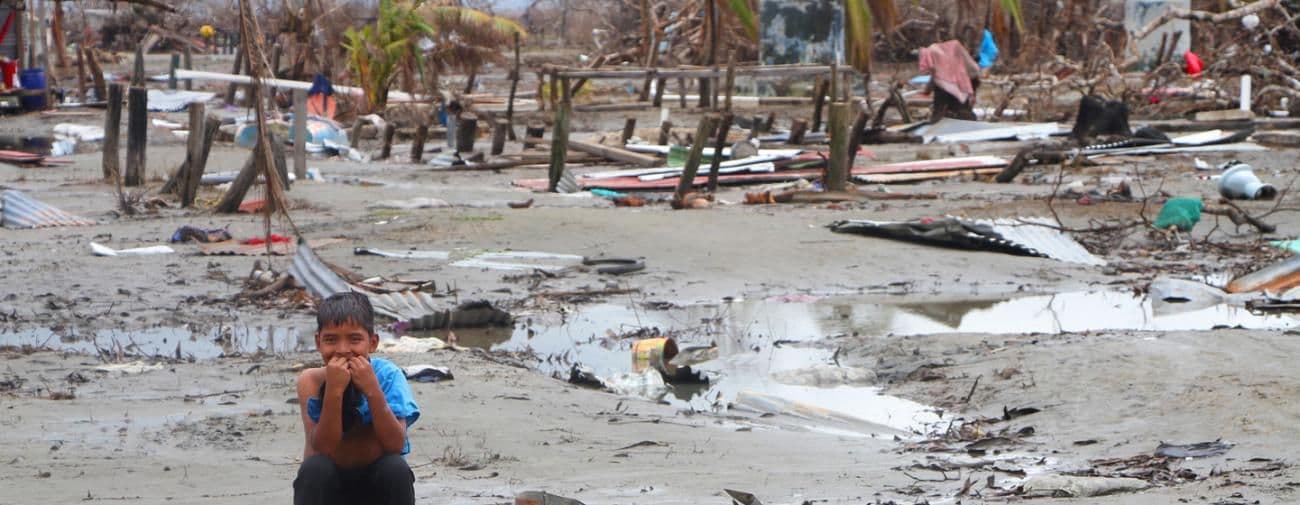
Latin America: Financing for loss and damage
For Latin America and the Caribbean, the report takes up an estimate of five billion dollars in financing needs to address loss and damage, prepared by the Standing Committee on Finance of the United Nations Framework Convention on Climate Change. The figure comes from information reported by countries, including their national climate commitments.
UNEP warns that these records do not represent all needs and have information limitations. The available estimates vary due to their geographical coverage, period of analysis, methodology and assumptions, so they cannot be added to or interpreted as a single measure of the global funding gap for loss and damage.
The document incorporates cases from the region to show the conditions that influence the implementation of adaptation measures. In Brazil, public funding allocated for this purpose reached 993 million dollars between 2016 and 2020. 81 percent came from domestic sources, according to a study cited by UNEP.
In the Brazilian Amazon, the report documents combined impacts of droughts, floods, fires and heat waves, with disproportionate effects in municipalities with a high concentration of indigenous populations. The consequences encompass food systems, health, cultural practices, traditional medicine, and communities' relationships with their territories.
The report presents two other cases related to water management and agricultural production. In Granada, the G-CREWS project received a grant of 35.29 million euros from the Green Climate Fund to strengthen the resilience of the water sector through improvements in infrastructure, governance, operational efficiency and water availability.
In Bolivia, the Pro Resilient project began in 2024 with five million euros allocated by Germany. Its objective is to strengthen the adaptive capacity of small agricultural producers in the Bolivian valleys to droughts, heavy rains and frosts, through agroecological practices, the development of value chains and financing mechanisms.
Don't miss: The richest pollute the most, but communities face the consequences of the climate crisis: Oxfam
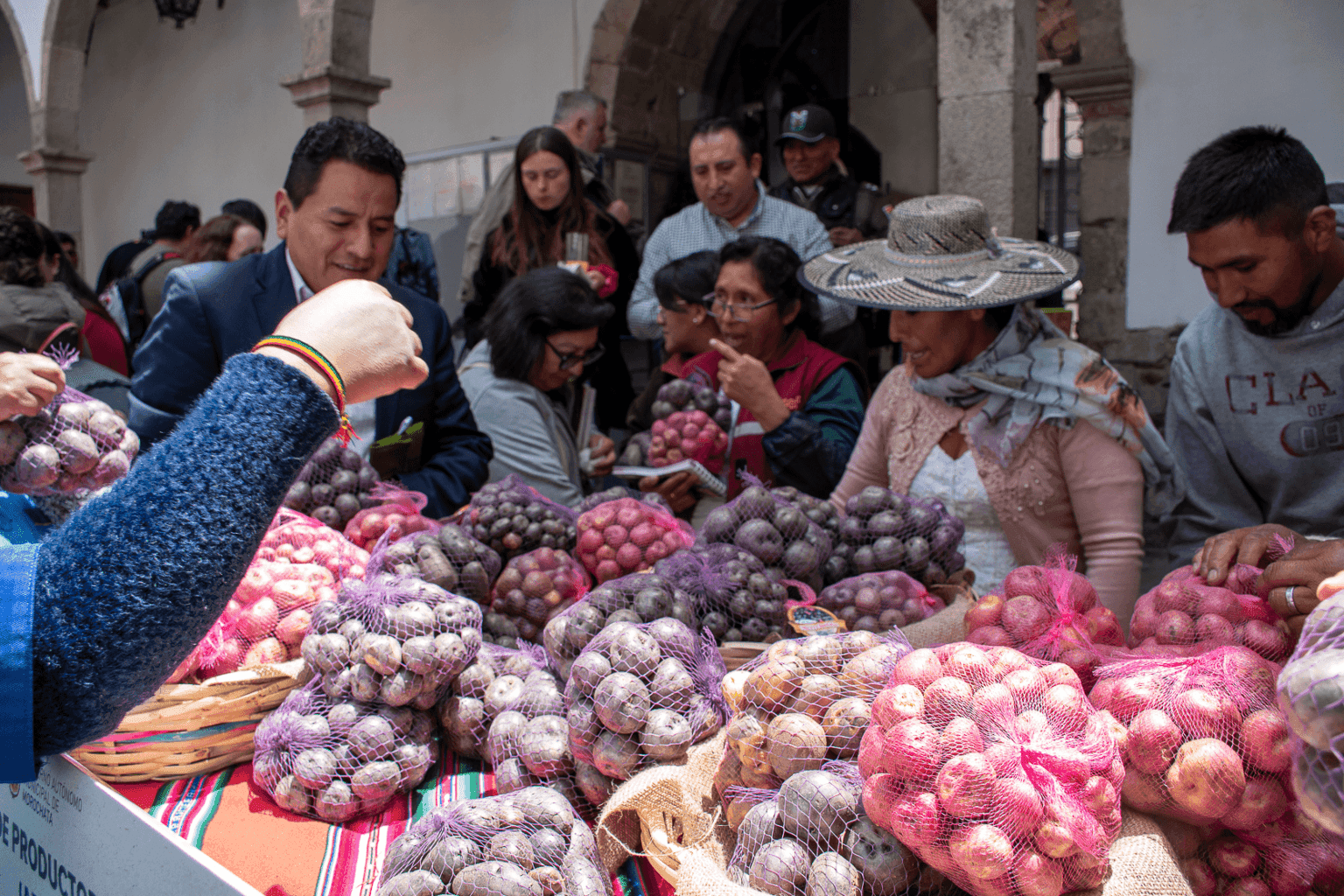
Losses and damages exceed available resources
The report warns that disaster records provide an incomplete picture of impacts. Between 2020 and 2025, low- and middle-income countries accounted for 99 percent of the 765 million people registered as affected by floods and landslides. During the same period, nearly 240,000 deaths from extreme heat were recorded; 27 percent were reported in lower-income countries.
The agency relates this difference to the systematic underreporting and different observation capacities of countries, in addition to possible differences in their preparation for heat. The document states that additional evidence is required to fully attribute these impacts to climate change caused by human activities.
The losses identified by UNEP encompass both economic and non-economic dimensions. The latter include damage to mental health, identity, cultural heritage, ecosystem services and biodiversity.
In case you missed it: Los Cabos after the storm: an hour of rain exposes the urban deficiencies of Baja California Sur
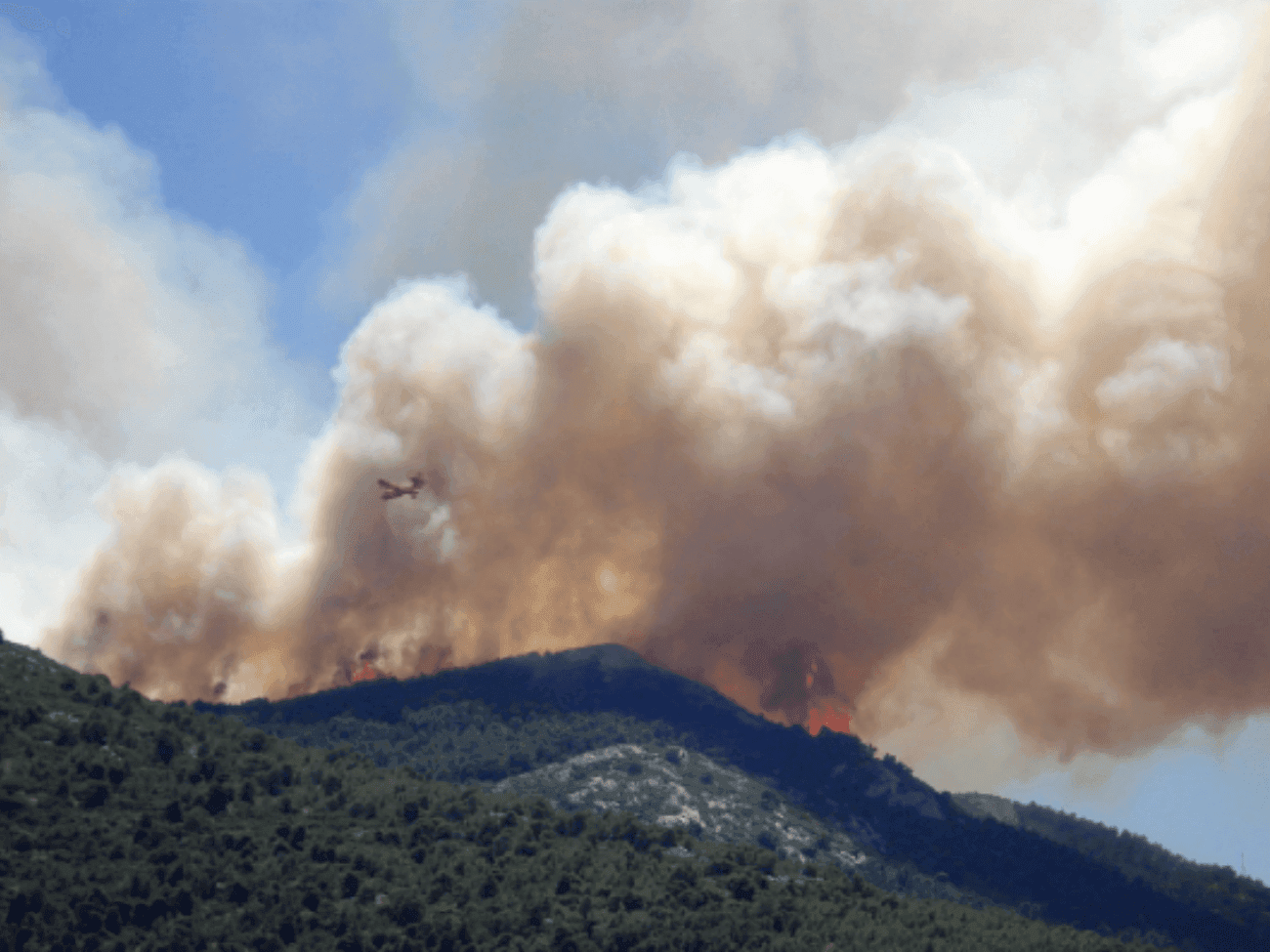
Adaptation depends on institutional capacities
The report identifies eight factors: legal and public policy frameworks; distribution of responsibilities between institutions; coordination between levels and sectors of government; participation of social actors; monitoring and accountability mechanisms; knowledge exchange; management of financial resources, and continuity of public policies.
UNEP maintains that the availability of resources must be accompanied by institutions capable of planning, managing and executing projects. Coordination between dependencies, community participation and evaluation mechanisms are part of the necessary conditions for implementing adaptation measures.
As a reference, the report notes that 89 percent of 118 countries mention loss and damage in their climate contributions or national adaptation plans. 54 percent have an information system to record these effects and 38 percent have a legal framework related to the subject.
The cases of Granada and Bolivia show how adaptation projects can be based on existing institutional structures and strengthened during their execution. In Granada, coordination between public agencies, financial organizations and local actors made it possible to develop the project for the water sector. In Bolivia, the participation of small producers and local governments is part of the design of agroecological measures and value chains.
UNEP states that governments must strengthen their information systems, establish coordination mechanisms, ensure predictable resources and facilitate access to international funds.
The participation of affected communities and the incorporation of local knowledge are elements for evaluating the relevance of responses. Five days before COP31, the report places financing for adaptation, institutional capacities and the management of loss and damage among the outstanding issues on the international climate agenda.
You may also like: Water reaches the waterfront in La Paz: high tides and warming of the Gulf of California cause coastal flooding


Comentarios (0)