
The Supreme Court of Justice of the Nation (SCJN) recognized the presence of pesticide residues in the water of Hopelchén, Campeche, and established measures to generate information, carry out studies and maintain permanent monitoring of water quality, Mayan communities reported.
On August 27, the SCJN resolved the amparo promoted by communities in Hopelchén for the presence of pesticides in the water. The decision was approved unanimously and establishes measures to generate information on water quality, carry out studies on the presence of pesticides and maintain permanent monitoring of water bodies.
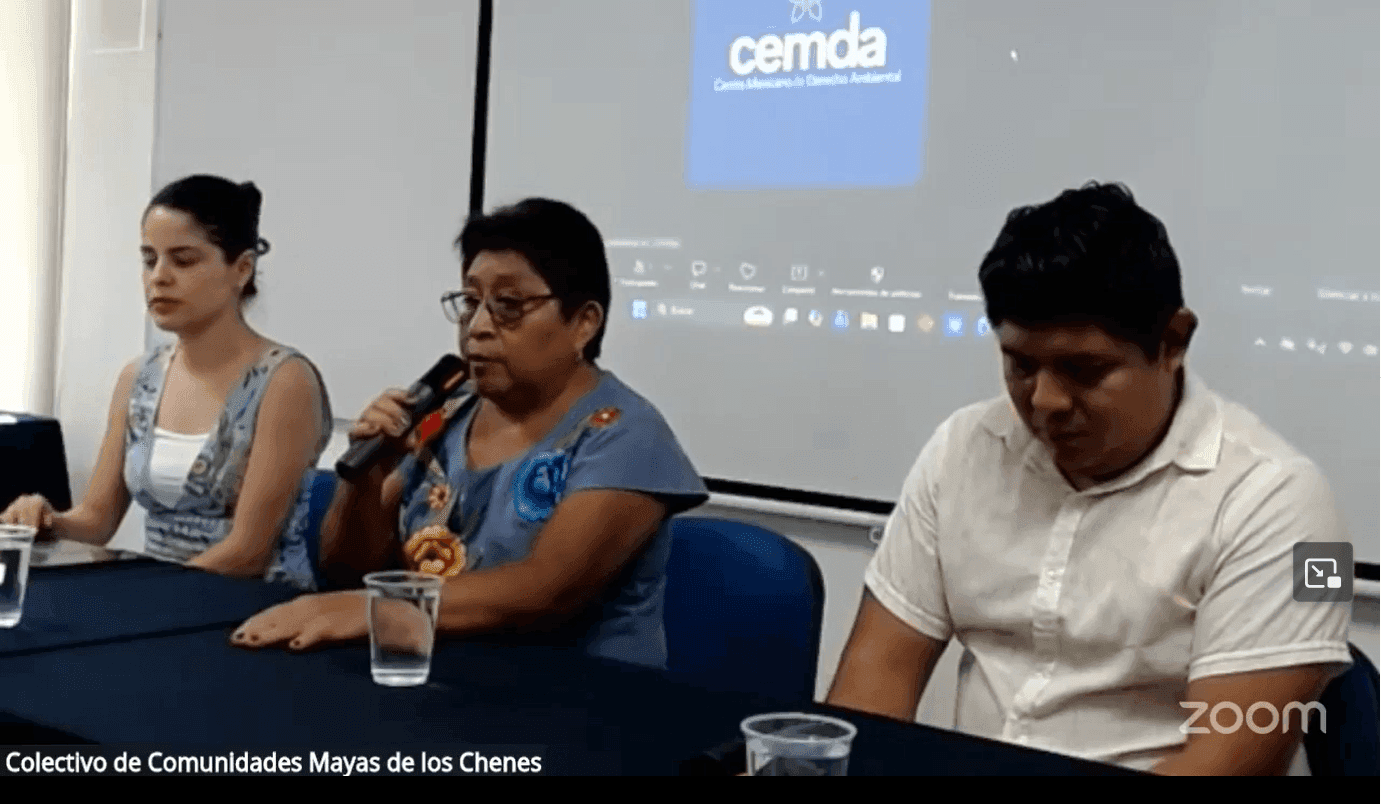
At a press conference, this Tuesday, September 8 , community representatives, specialists and members of the Mexican Center for Environmental Law (CEMDA) recalled that the process began in 2020 with the participation of 17 Mayan communities and celebrated that, after a six-year process, the Supreme Court finally established measures to generate information about water and maintain its surveillance.
Itzel Arteaga, a member of CEMDA, explained that the litigation was built around three elements: the lack of clear information on water quality, the presence of pesticides and the absence of a defined public policy to address the problem in Hopelchén.
In 2024, a court in Campeche found that the available evidence was not sufficient to prove the damage. The file contained information from authorities that indicated the presence of pesticides. The collective and CEMDA challenged that decision and the case went to the Supreme Court because of its regional and national relevance. The matter was assigned to Minister Estela Ríos.
The initial project contemplated returning the file to Campeche to incorporate new evidence. CEMDA held before the Court that the file already contained sufficient elements to resolve and proposed the application of environmental principles such as precaution, prevention and in dubio pro natura, together with the possibility that the Judiciary could collect evidence.
The project discussed in August incorporated those principles and a comprehensive assessment of the evidence. The resolution states that communities do not have to shoulder the burden of demonstrating risk or exposure on their own, recognizes the biocultural importance of the territory and grants the requested protection.
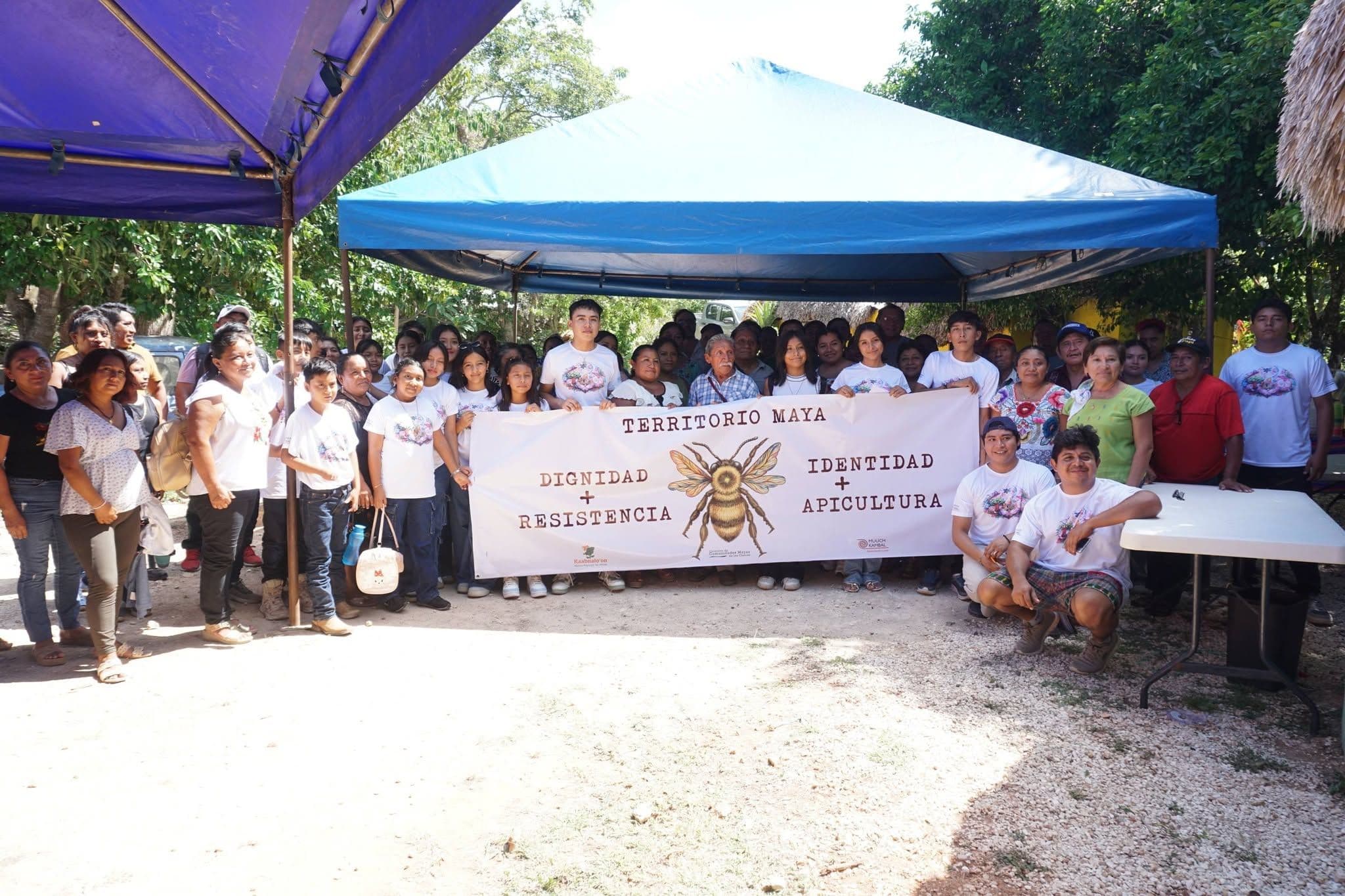
The strategy that accompanied the litigation also included community organizing, communication and public advocacy. According to Arteaga, a petition on Change.org collected nearly 60,000 signatures over approximately three months.
It may interest you: Chuburná fights to save the dunes of a real estate project
54 dangerous pesticides identified
Although the litigation began with glyphosate, the scope also considers different substances. During the conference, Arteaga noted that 54 additional pesticides, considered to be highly dangerous, have been found in Hopelchén's water, and explained that monitoring measures should generate information and public policies regarding compounds found in the region.
Leydy Pech, a beekeeper and Mayan activist, highlighted the need for analyses of diseases and deaths in the region.
“We as a community have seen an increase in health problems, such as cancer, autism, abortions, but we don't have the data. In my community, we have had about 10 cases of cancer in less than 10 years. We can't say it's because of the contamination if we don't have a medical certificate to prove it,” he said.
Osiel Pech, a member of the Collective of Mayan Communities of the Chenes, placed the resolution within a community process that began during the pandemic and that required expert expertise and specialized studies.
For communities, the ruling opens a phase focused on compliance and on the coordination of authorities. “There is information, the Court recognized it, there is information to start making decisions,” he said.
Implementation requires the participation of federal, state and municipal authorities, together with the knowledge of those who inhabit the territory.
He also stated that the discussion about water should consider the relationship between agricultural production, forests, bees and cenotes. The collective opened the discussion on the dimensions of agro-industrial activity in the region.
During his speech, Osiel Pech described an agricultural model developed over approximately eight decades around the use of pesticides, fertilizers, herbicides, machinery and transgenic seeds.
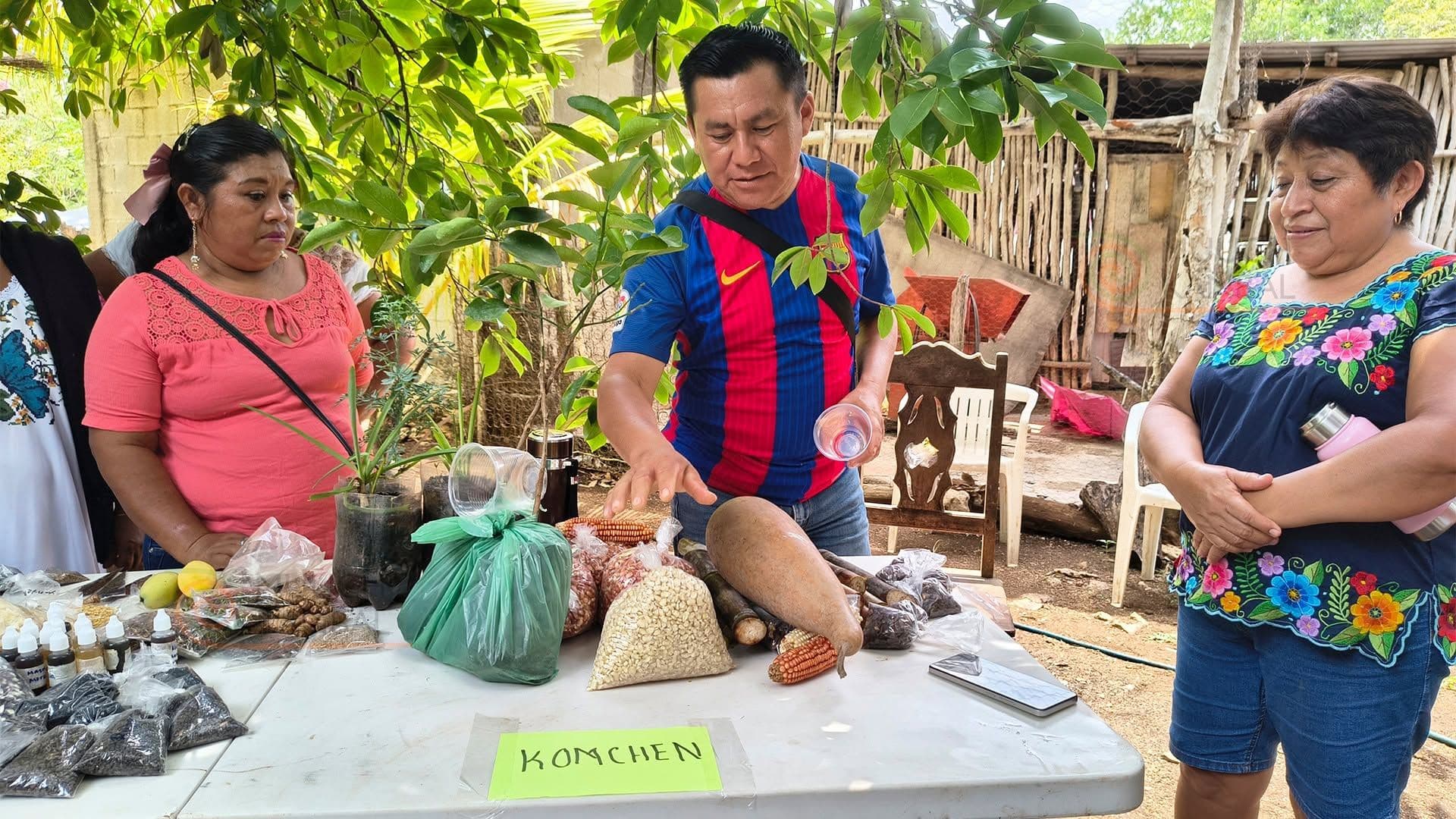
He also highlighted the importance of traditional agricultural knowledge and beekeeping in forest conservation. Among the pending tasks, he identified the companies that participate in the region's productive activities and the construction of a map that would allow us to know them.
Don't miss: Celestún asks for increased vigilance against Mayan octopus poaching; an estimated 150 fishermen involved
It all started with glyphosate
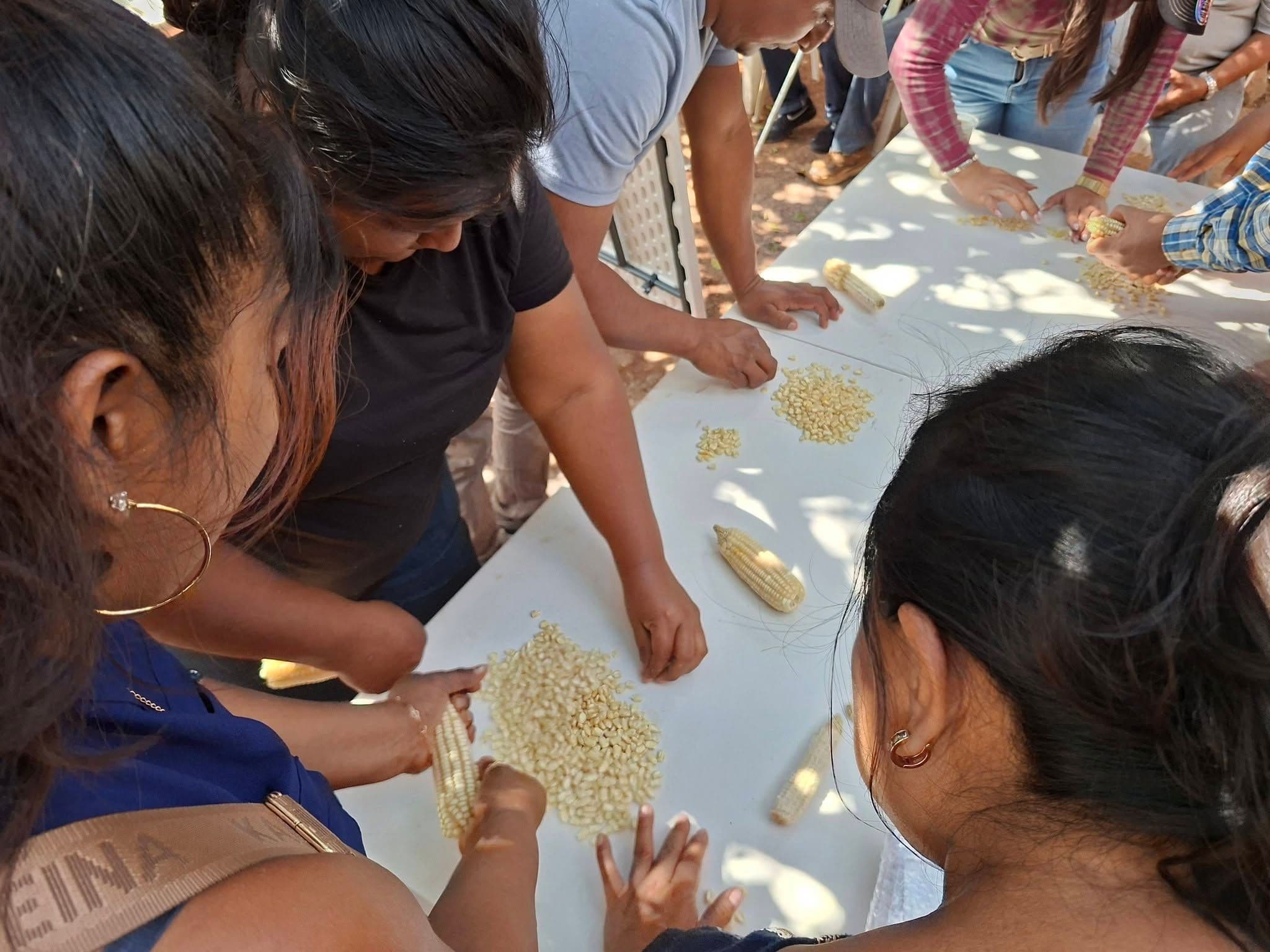
Jaime Rendón, a researcher at the University of Campeche, explained that the studies carried out in the region began with the sampling of wells to analyze the presence of glyphosate. The work later identified other compounds.
“So, that was the focus, but the use of pesticides in the region is very high, it's very large. So, this, and it was proven with scientific evidence of the presence of these compounds that are in the water. I want to stress that, as they already said, the lawyer said, it's not just glyphosate, but there are a lot of chemicals.”
Rendón also explained the importance of soil characteristics in the peninsula to understand the behavior of substances applied in agricultural areas.
“I also want to mention that obviously the water and the conditions that exist in the peninsula, and as has already been mentioned, of the karst characteristics of the area, that this implies that everything that is applied, all the chemical compounds that are in the earth can be infiltrated depending on their characteristics.”
For the researcher, one of the relevant elements of the resolution is permanent monitoring. “And I think that one of the great achievements of this resolution right now is that monitoring is mentioned [...] there is a problem and you have to be monitoring it, literally monitoring to see how these fluctuations are, where there are peaks, where there are lows, where it may be in concentrations that represent a much greater risk than what is already found due to the mere presence and use of these chemicals.”
Also read: New marina and luxury resorts revive concerns for the environmental future of the Yucatecan coast
An echoed resolution
Toxicologist Leticia Yáñez, from the Autonomous University of San Luis Potosí, explained the forms of exposure to pesticides and their possible health effects. He also proposed updating the official lists of highly dangerous substances and monitoring their effects on the population of Los Chenes.
“Acute exposure can range from gastrointestinal problems, headaches, to coma and death. Chronic exposure is when we are exposed to smaller amounts of these substances for days, months or years, and it can have effects on different systems of the body.”
Compliance with the resolution now depends on its institutional implementation. Arteaga explained that the comments made during the session must be incorporated into the final document, a document that will allow us to know precisely the obligations of each authority.
While Pech pointed out that the objective is for the effects of the resolution to reach a larger territory. “The impact we want is for the entire municipality and for the entire peninsula.”
You may also like: The struggle of women fisherwomen from Veracruz who managed to get the Supreme Court to order the regulation of the Fisheries Law



Comentarios (0)