
The sanitation of the Tula River depends on the hydraulic model with which the country's capital operates: any ecological intervention is conditioned by drainage and transfer decisions taken hundreds of kilometers upstream.
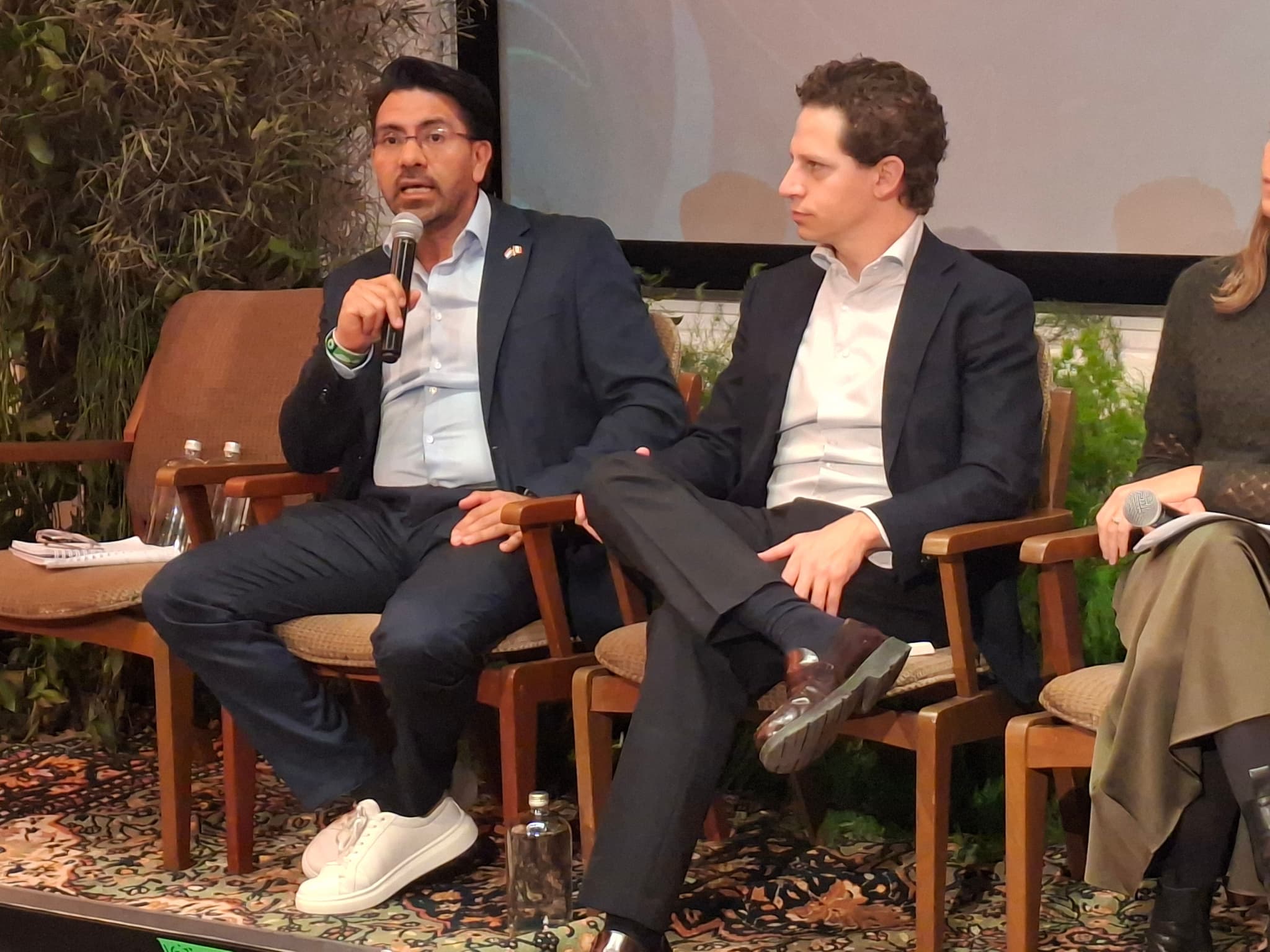
This was stated by Jaime Vázquez Bracho Torres, commissioner for the Restoration of the Tula River, during his speech at the Mexico for Climate forum 2026. “In the dry season, which is officially from October 15 to May 15, [the Tula River] is a drainage river. Historically, it was a storm river (...) so it's an ecosystem that has been impacted quite permanently.” The official assessed the situation of the Tula River by pointing out that “100% of the wastewater from the Valley of Mexico reaches the state of Hidalgo.”
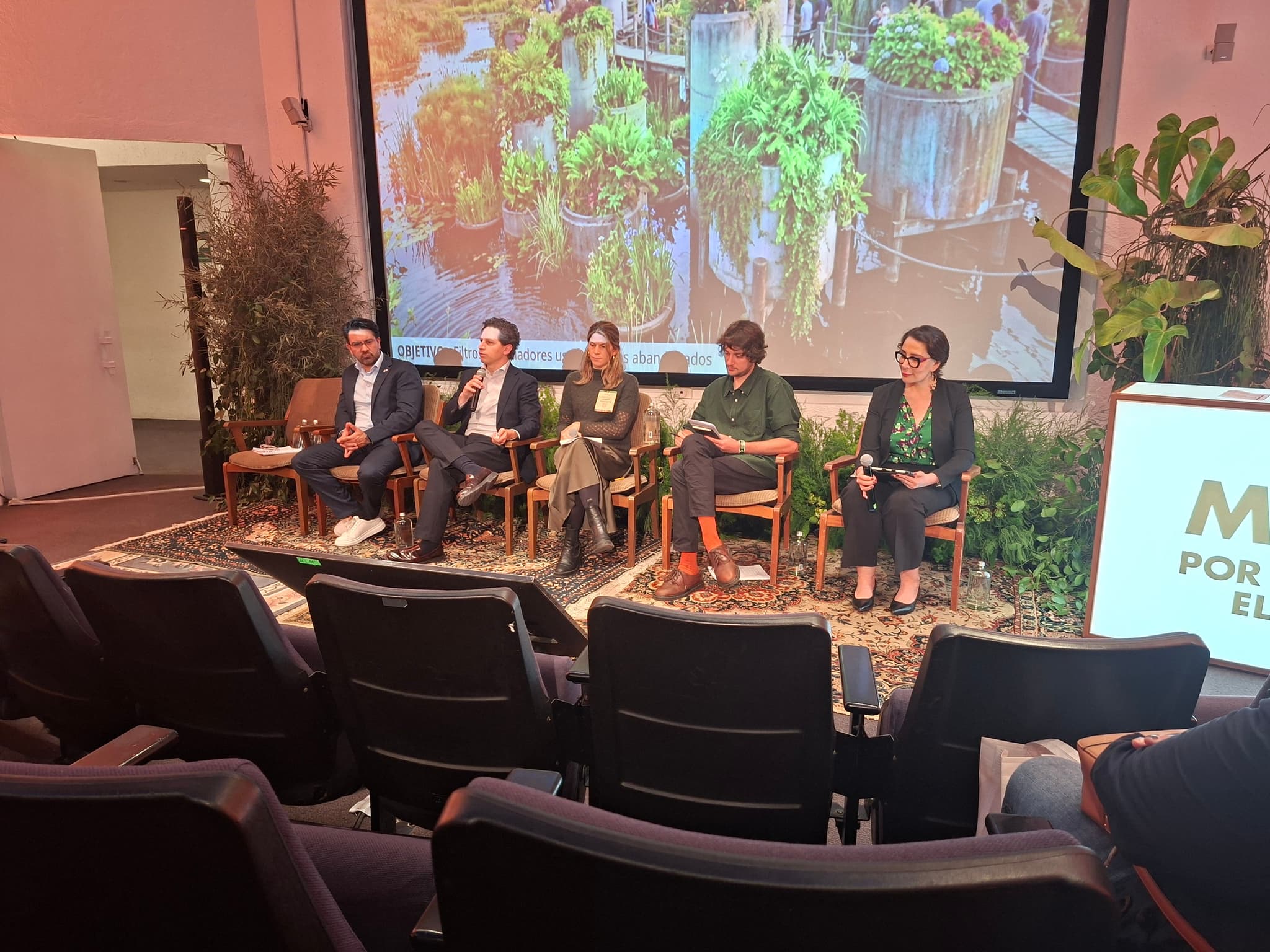
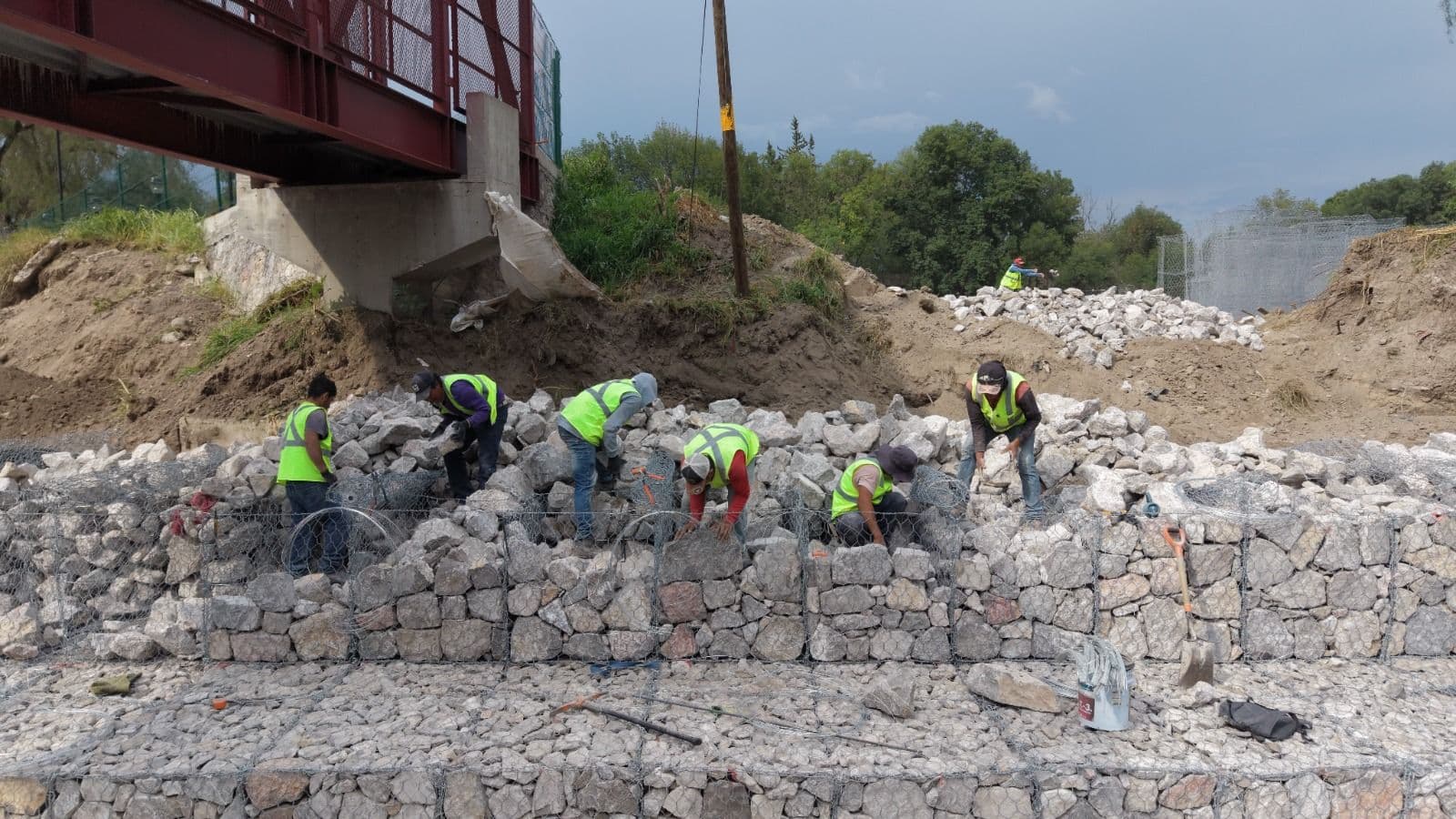
For this reason, the recovery of the Tula River is proposed through wetlands, flood areas, vegetation and areas for public use. The project contemplates taking advantage of federal land to expand intervention in urbanized areas and establish ecological connections through trails and bike paths. It also plans to use abandoned infrastructure to install treatment filters.
The vision includes a new protected natural area in coordination with the National Commission for Protected Natural Areas (Conanp). The design seeks to provide space for the river to conduct water and for its banks to recover environmental and recreational functions.
As part of the design, the technical team incorporated criteria applied in the Netherlands to give greater amplitude to the current and recover floodplains instead of being limited to confinement with raised ledges and levees.
“This project can give us lessons on how we must transform the way in which we relate to water and rivers to live better with the challenges we currently face and also the challenges for the future, among others associated with climate change,” said Ariel Goldin Marcovich, director of priority projects at the Ministry of Environment and Natural Resources (SEMARNAT) and technical leader of the rescue.
The latest: Clean water: the new luxury in Guadalajara
Recovering the Tula River from other experiences
The Tula project proposes a combination of hydraulic infrastructure and natural solutions based on the experience of other countries. Carlos Manuel López Vázquez, a specialist at the IHE Delft Institute and technical advisor representing the Embassy of the Kingdom of the Netherlands, explained what has been done in some of Europe's most important tributaries through a scheme that “combines 20% of gray infrastructure (dams, drains, rectifications) with 80% of natural solutions”.
“In the Netherlands, it started with the same engineering perspective as ever: 'well, if we are going to flood, let's make the dikes much higher, let's make the edges of the rivers higher to avoid such floods'. And that worked quite well from the year 53 to 1993, 95 (...) they realized that return periods of 1,250 years had to be used (...) In this case, we can't build those dams because we're not going to be able to defeat nature,” Carlos added.
“Then comes the change of 'don't fight, but unique' or, in this case, 'give the river its width' . “, he added.
The strategy adopted in the delta involved expanding the sections of the riverbed and enabling floodplains to hold up to 1,800 m³/s of water. Since these volumes do not pass continuously, the land remains dry most of the year and is used for recreational areas and sports equipment, coordinating the design of works with agreements between agrarian communities and economic sectors.
The proportion was presented as a reference for the intervention approach in Tula. Although Jaime explained that decisions must be adjusted to the conditions of the river and to the tools available for each section.
In case you missed it: The CFE's energy transition will depend on private investment to achieve its 2030 goals
Wastewater and agricultural dependence
The project envisages results at different stages, from specific interventions to address edges affected by floods to a vision of restoration with a 50-year horizon. Jaime said that this graduality seeks to build legitimacy in a city where distrust of federal megaprojects persists.
The proposal also includes wetlands, treatment filters and spaces that allow water to pass through. The presentation presented these elements as part of a territorial vision; details on their execution, financing and maintenance should be followed up as the project progresses.
Based on a question asked by Causa Natura Media about what role does wastewater from Mexico City play in the system and how is the relationship with the industry considered? , Jaime replied that changing the hydraulic model would mean “reversing 450 years of public policies”. The explanation pointed to the infrastructure that carries water out of the Valley of Mexico basin and to the economic activities that depend on that flow.
The Mezquital Valley uses wastewater for agricultural irrigation. This dependence conditions any modification in the volumes that arrive in Hidalgo. During the presentation, Jaime described the political and social consequences of reducing deliveries to farmers and explained that the technification of irrigation districts seeks to reduce intensive water use and release part of the flow for treatment before continuing downstream.
The proposal seeks to transform the relationship between the city and the riverbed, with space for water and solutions that respond to the effects of climate change. “This project can provide us with lessons on how we must transform the way in which we relate to water and rivers to live better with the challenges we currently face and also the challenges for the future, among others associated with climate change,” said Goldin Marcovich.
It may interest you: They leave without environmental evaluation more than half of the 90 hectares that were ceded to a gas megaproject in Sonora
The industry must comply with regulations
In the presentation, Jaime made a specific requirement for companies that discharge wastewater: “what we ask is that the law and the NOM-001-SEMARNAT-2021/NOM-002 Standard be complied with”. The first standard establishes the permissible limits of pollutants in wastewater discharges to receiving bodies owned by the nation, such as rivers and other bodies of water. The second sets the maximum allowable limits for discharges that reach urban or municipal sewer systems.
Compliance requires monitoring, measurement and enforcement mechanisms for environmental legislation.
Carlos described the Dutch industrial control system, which combines monitoring of discharges, charging fees and developing technologies to recover resources from wastewater. Among the options, he mentioned the recovery of biogas, nitrogen and phosphorus, as well as periodic and remote monitoring systems.
The exhibition placed industrial compliance as a part of restoration. To evaluate your results in Tula, it will be necessary to know the discharges identified, the inspections carried out, the corrective measures applied and the evolution of water quality parameters.
Don't miss: Mafia, sea cucumber and disappearances in Dzilam de Bravo, Yucatán: “When they open their eyes, we'll have the drug dealer next door”
Financing and maintenance for decades
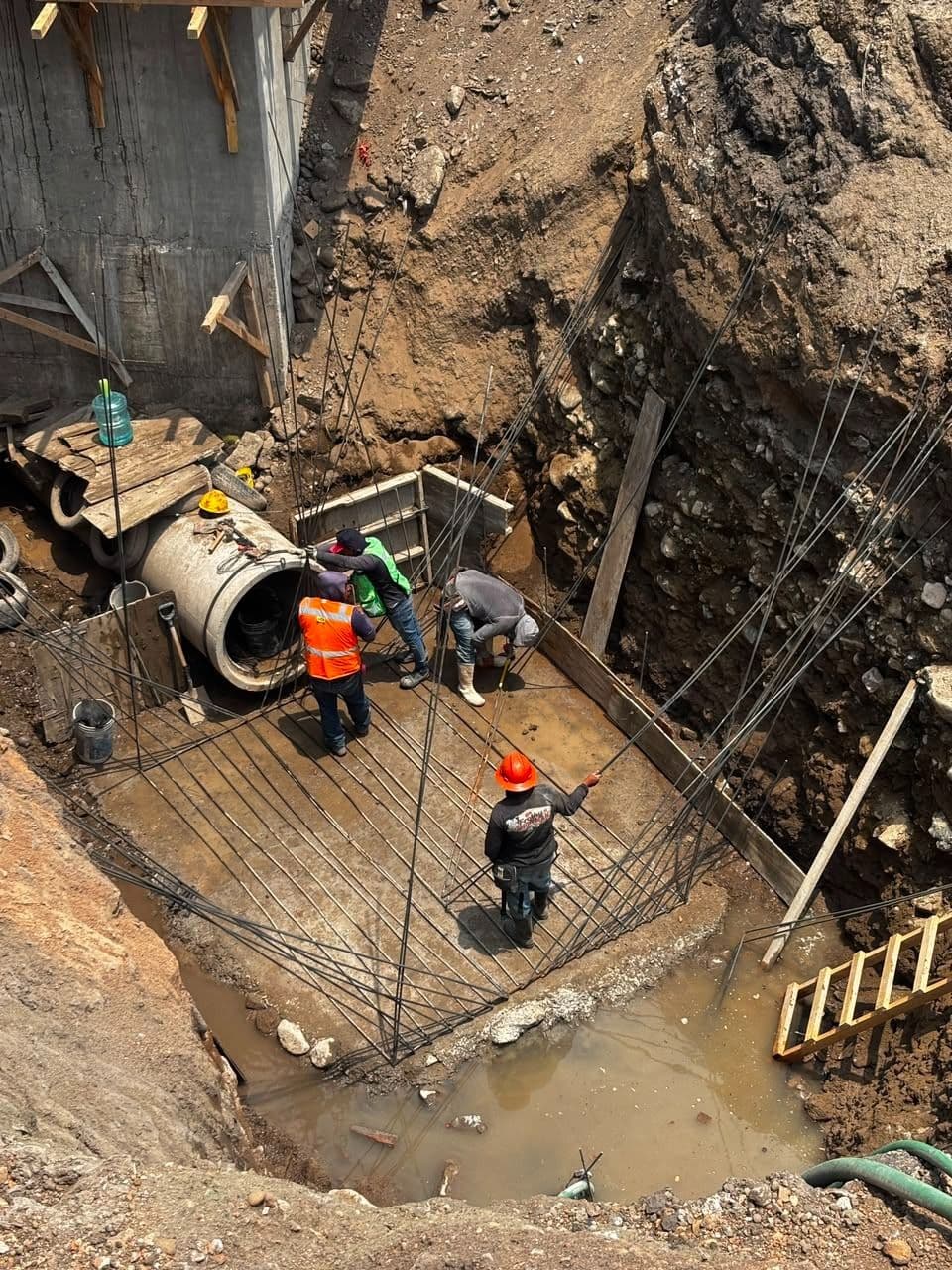
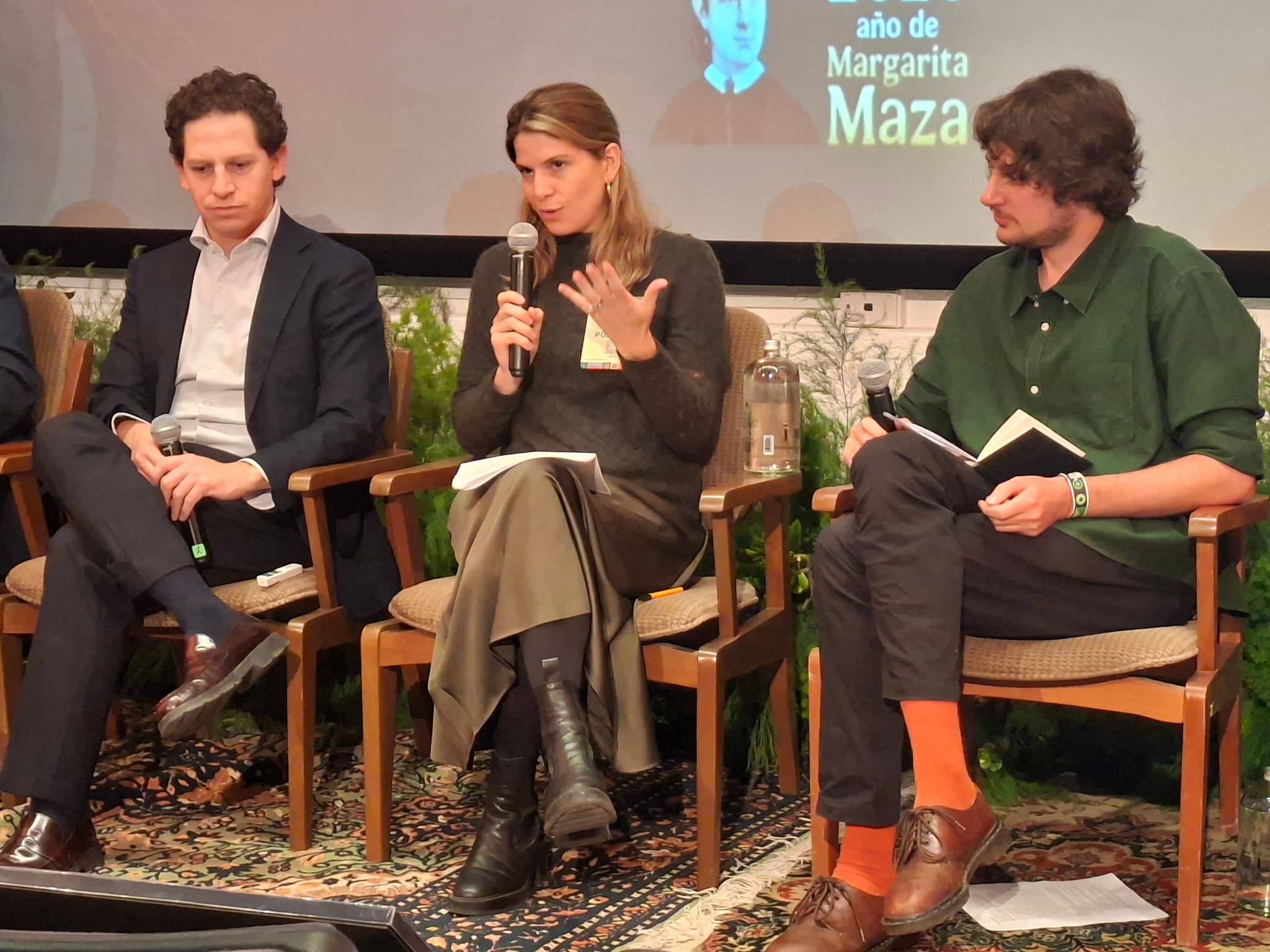
The restoration of the Tula River requires resources to prepare interventions and keep them running for decades. Mariana Portal Carús, consultant specializing in water security and climate risk management for the Inter-American Development Bank (IDB), explained that one of the conditions for converting proposals into executable projects is to finance previous studies. “It is vital to invest non-refundable (non-refundable) funds for technical preparation and ecohydrological modeling that generates prior evidence,” he said.
This preparation must be accompanied by a financial structure that guarantees the continuity of actions. “It's very important to think about how we design an architecture so that this idea makes sense in many years and has the capital that is quite important to operate over time,” he explained.
Among the options, he mentioned climate finance, water funds and combined financing mechanisms, with the purpose of ensuring resources to operate for 20, 30 or 50 years.
Jaime proposed working with the academy to translate scientific data into accessible information for the population. “To have a water quality index for the Tula River where we can, based on existing data and those we are currently collecting, be able to say: 'The river was like this and now it is like this, '” he said.
The tool would make it possible to communicate changes in water quality based on the parameters being measured. Ariel asked to join the academy, environmental organizations and other sectors in the restoration work: “That together we build a new story for the Tula River.”


Comentarios (0)