
More than 1,300 mining concessions remain in force within federal Protected Natural Areas (ANP), with a cumulative surface area of more than 680 thousand 270 hectares despite the prohibition in the Mining Law, according to the collective Cambiémosla Ya.
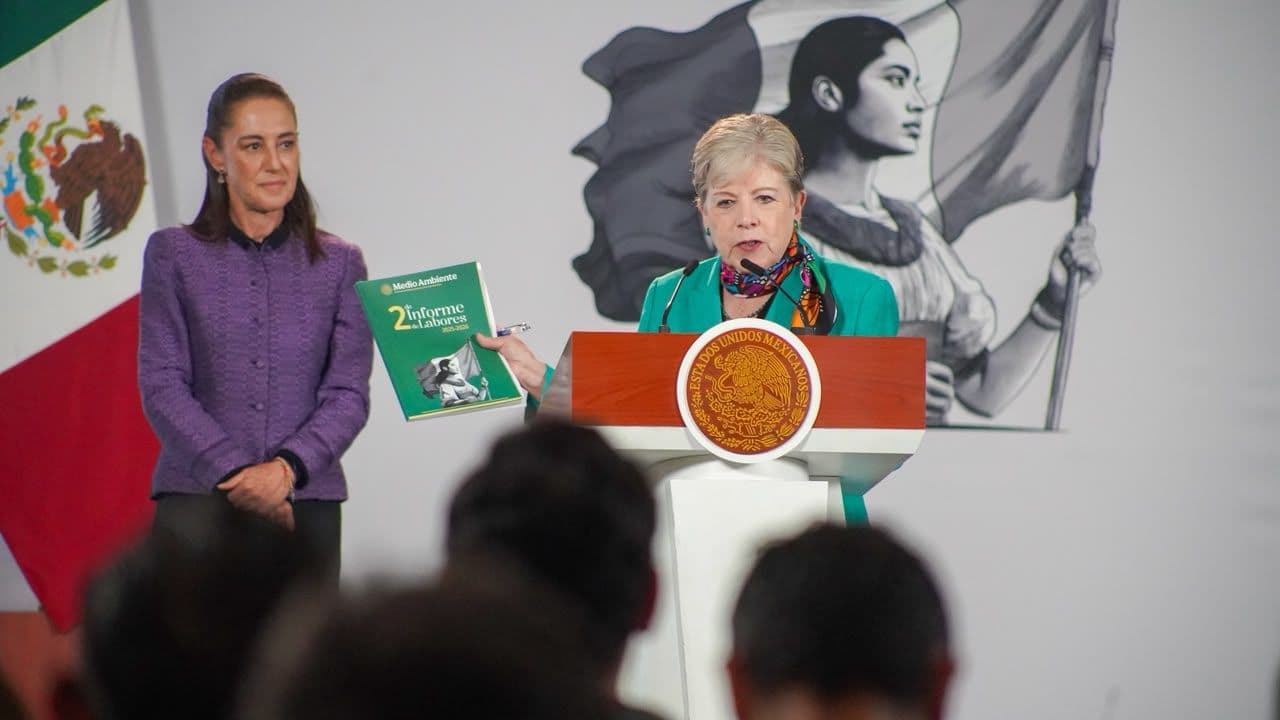
Just on September 30, the Secretary of Environment and Natural Resources, Alicia Bárcena, reported on the recovery of 272,000 hectares of ANP that had been granted for mining activities.
However, the organization noted that, according to figures from the Ministry of Economy corresponding to 2025, 22,245 concessions covering just over 10 million hectares remain in force, and of these, more than 1,300 are within the ANP.
Let's change it. You already pointed out that the communities that own these territories were not consulted or informed about the imposition of concessions. The collective stated that the recovery announced this morning of President Claudia Sheinbaum must be accompanied by a broader review of existing titles.
The statement also responded to statements by the president regarding talks with the United States regarding critical minerals. Sheinbaum said that there is no signed agreement on these minerals and that so far only talks have been raised between the two countries.
Let's change it Ya called for transparency about that process and noted that any possible agreement must maintain the provisions of the 2023 mining legislation and the rights of communities.
The latest: El Niño effect: sharks and sea lions flee due to water heating in Baja California Sur
A law without regulations
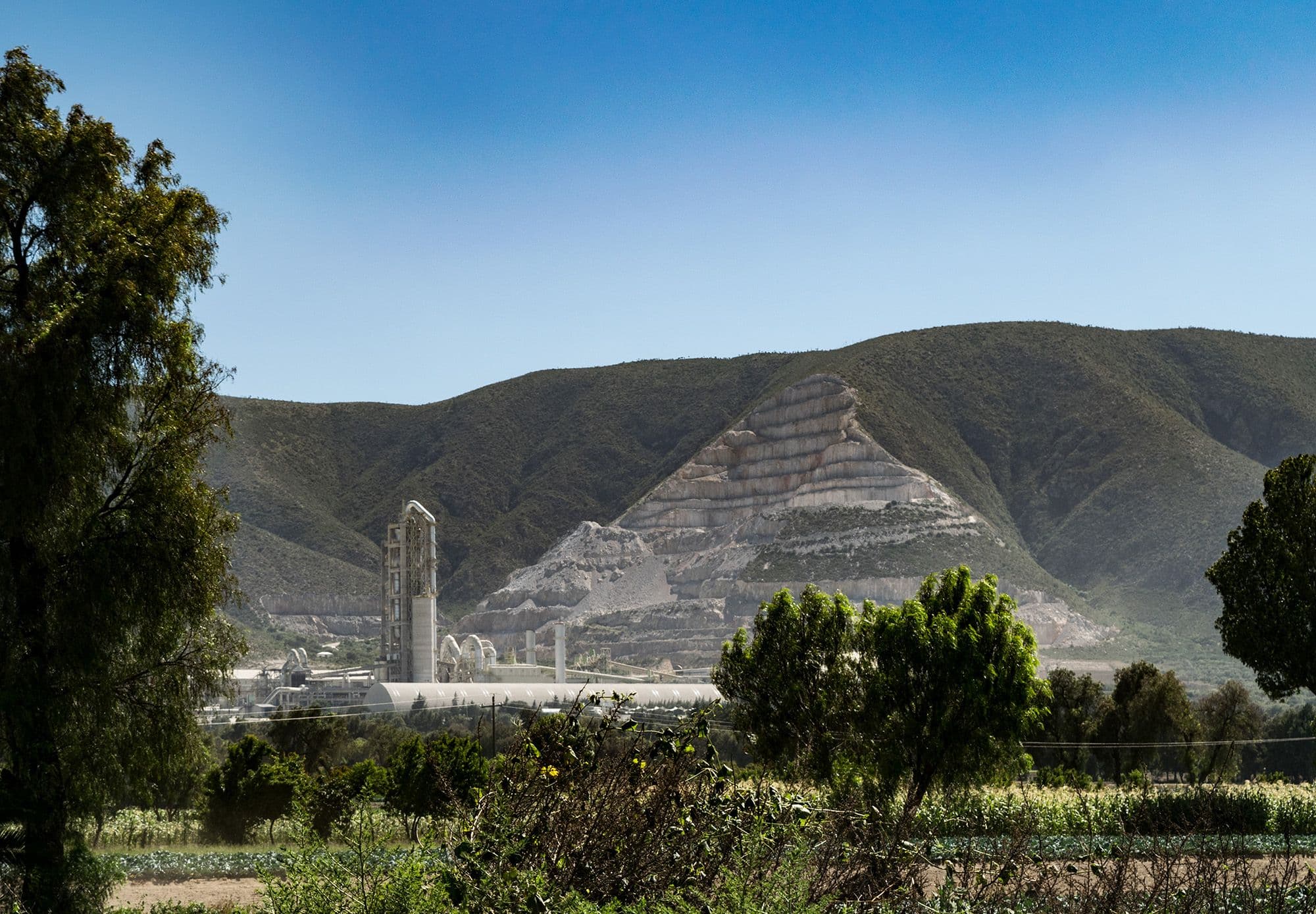
The Mining Act established a deadline of 180 days for the issuance of its regulations, but that deadline has already expired. The collective stated that the regulation should specify the mechanisms to guarantee the prior, free and informed consent of indigenous communities before the assignment of concessions in their territories, as well as the environmental and social requirements associated with mining projects.
In an interview with CN Media, Leticia Merino, a researcher at the Social Research Institute of the UNAM and coordinator of the Extractivism Observatory in Mexico, noted that the 2023 reform incorporated new rules on the duration of concessions, water stress, Protected Natural Areas and liability for environmental damage and human rights violations. Merino participated in the drafting of a proposal for regulations from the collective Cambiémosla Ya.
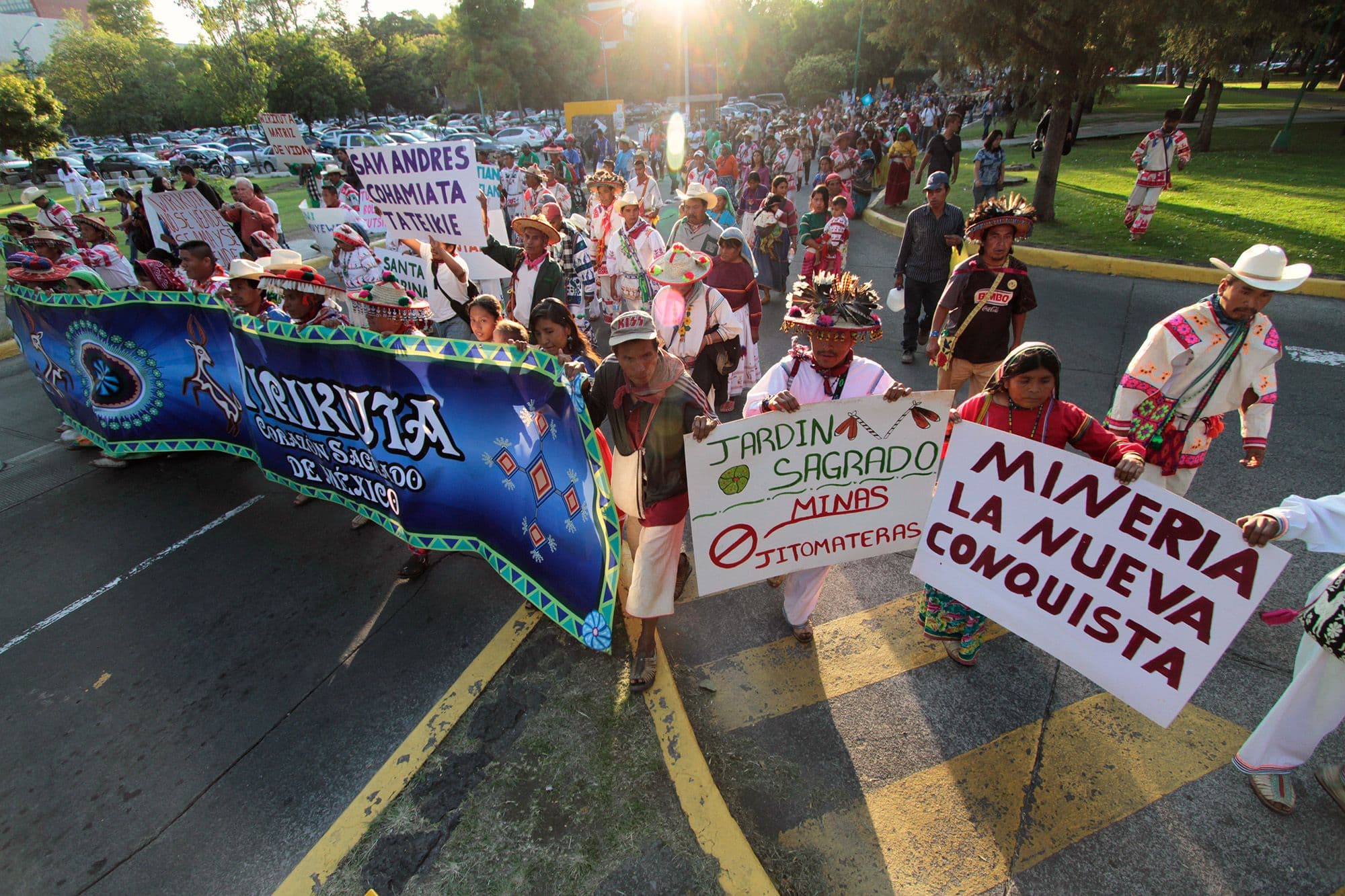
One of the central points is the consent of communities before granting a concession. “A key achievement was that indigenous and comparable communities (where ejidos and communities must be included) have the right to prior, free and informed consent before granting concessions,” Merino said. The regulation, he added, should define “how information is provided and how consultation is implemented.”
Let's change it. You have already warned that the regulation must maintain the provisions incorporated into the Mining Act in 2023. The reform reduced the duration of mining concessions from 100 to 20 years and incorporated obligations related to closure and remediation. “Regarding the closure, since the concessions lasted up to 100 years, companies keep them open without closing so as not to invest in remediation,” Merino explained. To establish the closing rules, he pointed out that “serious and standardized processes are required in the regulations where Semarnat, Economics and even Cofepris participate.”
The researcher added that in mining regions there are problems associated with exposure to heavy metals and radioactive material, so closure procedures must consider the remediation of damage generated during mining activity.
While the Mining Law Regulations remain pending, Merino questioned the progress of a new General Law on Ecological Balance and Environmental Protection (LGEEPA). “Instead of removing the regulation, they are rushing a new General Law on Ecological Balance and Environmental Protection (LGEEPA) that provides even more facilities to mining companies, hydrocarbons companies and megaprojects for tourism,” he said.
Among the provisions he questioned are the possibility that companies omit the Environmental Impact Statement when complying with a Strategic Environmental Assessment and that the result of an MIA can be kept secret at the request of the company. Also the proposed rules for accessing information about mining projects. “We are going backwards, opening the doors to rapacious investment,” he said.
Another of the central points of the regulation is water. The Mining Act of 2023 restricts mining activity in areas of water stress and establishes obligations regarding its use.
For Beatriz Olivera Villa, director of Engenera and member of Cambiémosla Ya, the regulation must specify the criteria for identifying these areas and the measurement and control mechanisms. “There is a lack of regulations that clearly define which areas are considered to be of water stress, with which official databases and maps they will be determined,” he said. The pending regulation should also specify the provisions on mining in Protected Natural Areas.
Olivera identified other aspects that the regulation should develop, such as mine closure plans and programs and specific guidelines for environmental remediation. In a position, the collective also questioned the process of drafting the regulations.
Let's change it. You already pointed out that the Ministry of Economy has been in communication with representatives of the mining industry and asked that the affected communities and the organizations that accompany them participate in the process. “Economy welcomes Camimex over and over again, but it has never received us or responded to our press releases,” Merino said.
In case you missed it: Experts propose anti-ecocide law to punish serious environmental damage and hold companies in Latin America responsible
Critical Minerals and Concessions
The researcher also noted that the collective has requested information about the agreement on critical and strategic minerals that, according to his statement, Marcelo Ebrard signed with the United States in June. “We asked for transparency and they haven't given up on us,” he said. “First of all, we are concerned about the lack of public information about the agreement signed in February with the United States,” he added.
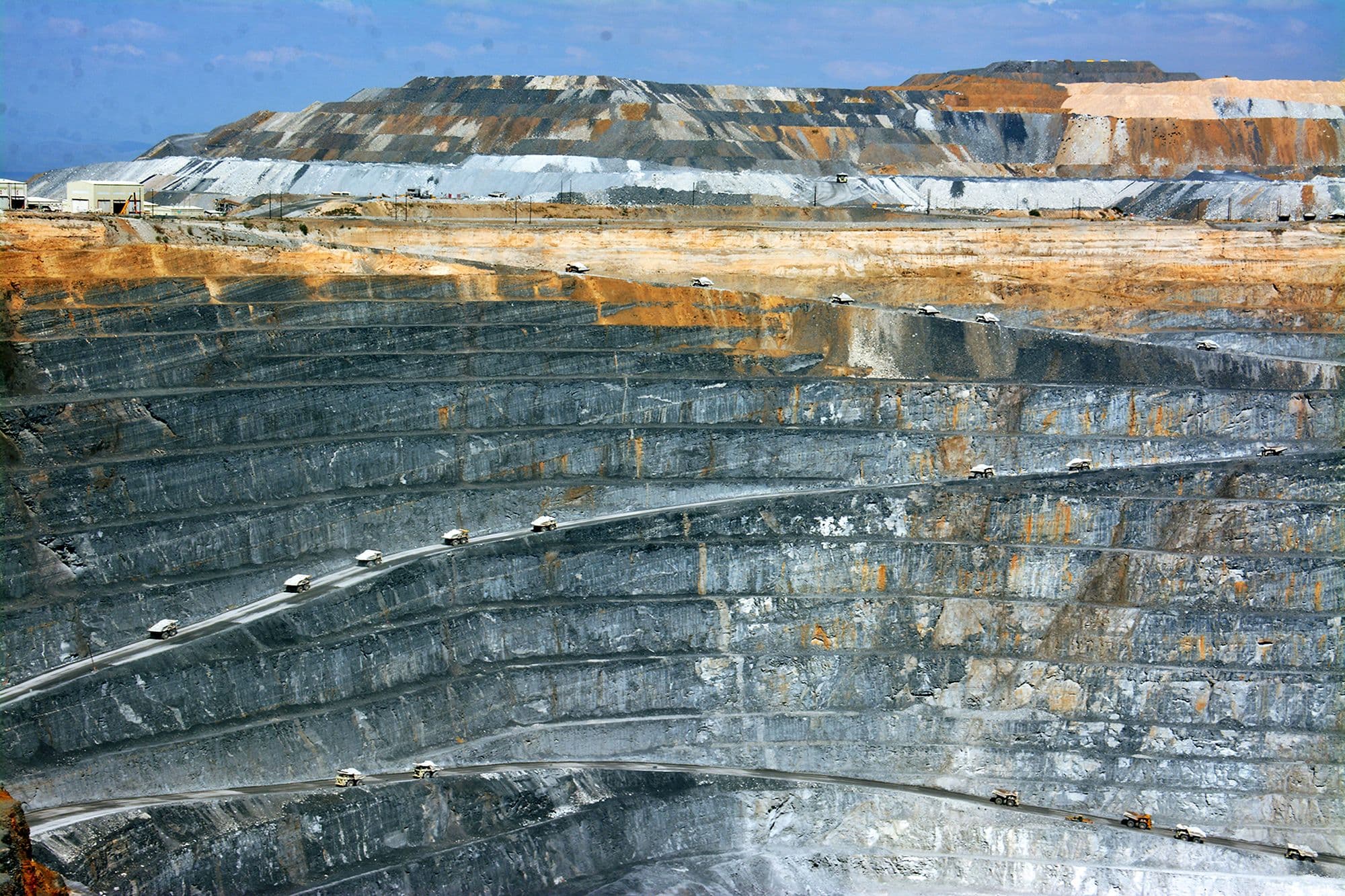
He also mentioned projects related to critical minerals in territories where mining activity is already taking place and pointed to the case of antimony in the Oaxacan Mixteca.
Let's change it. He already called for any agreement on critical minerals to be transparent and to respect the provisions of the Mining Act of 2023, the rights of communities and the protection of natural resources. “The results show that the promoted local development is false: mining municipalities remain in conditions of poverty, social backwardness and lack of basic services such as water, drainage or adequate housing,” he said of the argument that mining activity generates development in the municipalities where it is carried out.
Merino warned about “the demand for critical minerals for the global energy transition”. “It's going to quadruple in Mexico between now and 2040.” Faced with this scenario, he stressed that “a lot of damage is irreversible” and that “the best option is for there to be no mining”.
The collective Cambiémosla Ya brings together communities, civil organizations, academics and land defenders. Its members include communities from Baja California Sur, Coahuila, Morelos, Oaxaca, Puebla, Sonora and Zacatecas, as well as organizations such as CartoCrítica, the Mexican Center for Environmental Law, Fundar, PODER, the Mexican Civil Council for Sustainable Forestry and EDUCA.
News from the ocean: They admit protection against SADER and CONAPESCA for omitting the recovery of deteriorating fisheries and protecting 25 marine species


Comentarios (0)